

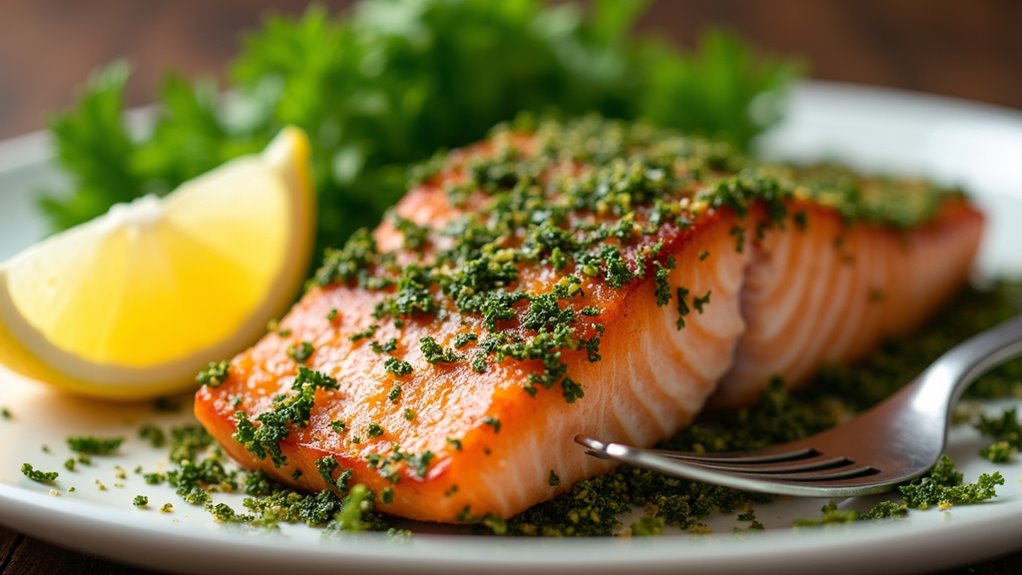
Fresh herbs have a magical way of turning any dish from ordinary to extraordinary.
In Mediterranean cooking, their vibrant flavors and aromas are truly celebrated.
Think about how a touch of basil pesto or a sprinkle of mint can really make your meal shine.
Curious how to use these bold herbs in your own kitchen?
Check out these delicious recipes that might just change the way you cook forever.
Classic Basil Pesto
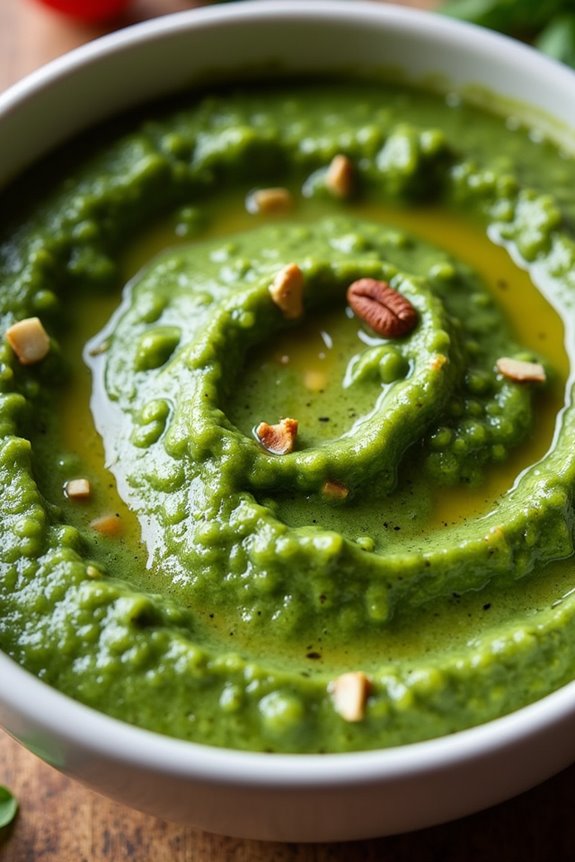
Classic Basil Pesto is a vibrant and aromatic sauce that hails from the Liguria region of Italy. This versatile condiment is traditionally made with fresh basil, garlic, pine nuts, Parmesan cheese, and olive oil, creating a rich and flavorful blend that can be used in a variety of dishes.
Whether tossed with pasta, spread on sandwiches, or used as a dip, Basil Pesto is a staple in Mediterranean cuisine that elevates any meal with its fresh and herbaceous notes.
Making your own Classic Basil Pesto is surprisingly easy, and the flavor far surpasses anything you might find in a jar. With just a few fresh ingredients and a food processor, you can whip up a batch of this delightful sauce in under 15 minutes.
Plus, it’s a great way to use up an abundance of fresh basil during the summer months when it’s in season. Gather your ingredients and get ready to enjoy the taste of the Mediterranean!
Ingredients (serving size: 4-6 people):
- 2 cups fresh basil leaves, packed
- 1/2 cup grated Parmesan cheese
- 1/3 cup pine nuts
- 2-3 cloves garlic, minced
- 1/2 cup extra virgin olive oil
- Salt and freshly ground black pepper, to taste
- Optional: 1 tablespoon lemon juice (for added brightness)
Cooking Instructions:
1. Prepare the Ingredients: Start by rinsing the fresh basil leaves under cold water to remove any dirt or impurities. Gently pat them dry with a paper towel. Measure out your pine nuts, Parmesan cheese, and garlic cloves.
If you prefer a hint of acidity, you can also measure out the lemon juice at this stage.
2. Toast the Pine Nuts: For enhanced flavor, consider toasting the pine nuts. Place them in a dry skillet over medium heat and cook for 3-5 minutes, stirring frequently, until they’re golden brown and fragrant.
Be careful not to burn them. Once toasted, remove from heat and let them cool slightly.
3. Blend the Ingredients: In a food processor, combine the basil leaves, toasted pine nuts, minced garlic, and grated Parmesan cheese. Pulse the ingredients together until they’re finely chopped, scraping down the sides of the bowl as needed to guarantee everything is mixed evenly.
4. Incorporate the Olive Oil: With the food processor running, slowly drizzle in the extra virgin olive oil. This will help emulsify the ingredients and create a creamy texture.
Continue to process until the pesto is smooth and well combined. If you prefer a chunkier pesto, you can pulse it less.
5. Season and Serve: Taste the pesto and season with salt and freshly ground black pepper to your liking. If you opted to use lemon juice, add it now for an extra layer of flavor.
Once seasoned, transfer the pesto to an airtight container. It can be served immediately or stored in the refrigerator for later use.
Extra Tips:
When making Classic Basil Pesto, use the freshest basil you can find for the best flavor. If you don’t have pine nuts, feel free to substitute with walnuts or almonds, which can also add a unique twist to the sauce.
Pesto can be stored in the refrigerator for up to a week; just make sure to cover the surface with a thin layer of olive oil to prevent browning. Additionally, consider freezing leftover pesto in ice cube trays for easy portioning later on.
This way, you can enjoy the taste of summer basil long after the season has passed!
Lemon Oregano Chicken
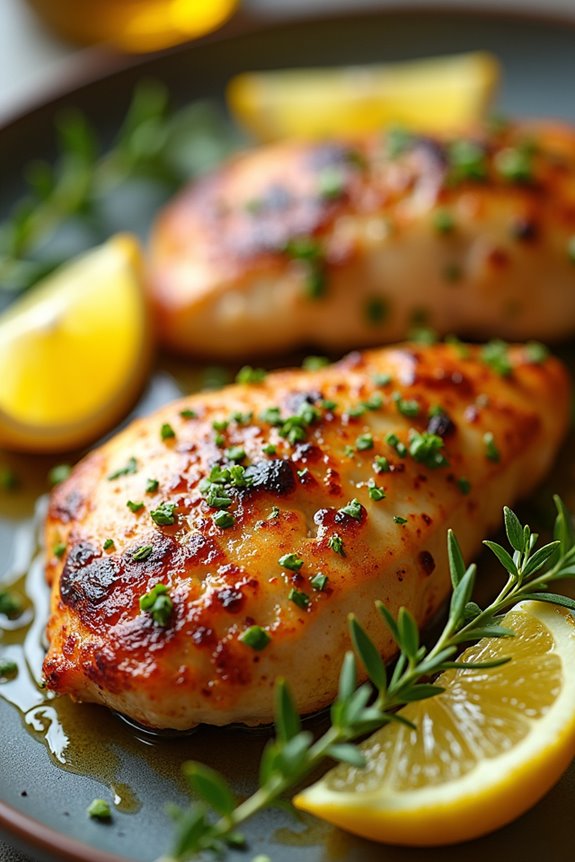
Lemon Oregano Chicken is a delightful Mediterranean dish that combines the zestiness of fresh lemon with the aromatic flavor of oregano. This recipe captures the essence of the Mediterranean lifestyle, offering a light yet satisfying meal that’s perfect for family dinners or casual gatherings.
The bright flavors of the marinade seep into the chicken, resulting in tender, juicy meat that pairs beautifully with a variety of sides, such as roasted vegetables or a fresh salad.
This dish isn’t only simple to prepare but also versatile. You can adjust the heat by adding a pinch of red pepper flakes or enhance the flavor with additional herbs like thyme or rosemary. Whether you grill, bake, or pan-sear the chicken, the result will be a flavorful main course that will leave your guests asking for seconds.
Ingredients (Serves 4-6):
- 4-6 boneless chicken breasts
- 1/4 cup fresh lemon juice (about 2 lemons)
- 1/4 cup olive oil
- 3 cloves garlic, minced
- 2 tablespoons fresh oregano, chopped (or 2 teaspoons dried oregano)
- 1 teaspoon salt
- 1/2 teaspoon black pepper
- Zest of 1 lemon
- Lemon slices, for garnish
- Fresh oregano sprigs, for garnish
Cooking Instructions:
1. Prepare the Marinade: In a large mixing bowl, whisk together the lemon juice, olive oil, minced garlic, chopped oregano, salt, black pepper, and lemon zest until well combined. This marinade will infuse the chicken with flavor and moisture.
2. Marinate the Chicken: Place the boneless chicken breasts in a resealable plastic bag or a shallow dish. Pour the marinade over the chicken, ensuring that each piece is well coated.
Seal the bag or cover the dish with plastic wrap, and refrigerate for at least 1 hour, or up to 4 hours for deeper flavor.
3. Preheat the Cooking Surface****: If grilling, preheat your grill to medium-high heat. For baking, preheat your oven to 400°F (200°C). If pan-searing, heat a large skillet over medium heat with a drizzle of olive oil.
4. Cook the Chicken:
- Grilling: Remove the chicken from the marinade, allowing excess marinade to drip off. Place the chicken on the preheated grill and cook for 6-7 minutes on each side, or until the internal temperature reaches 165°F (75°C).
- Baking: Place the marinated chicken in a baking dish and bake for 25-30 minutes, or until cooked through and juices run clear.
- Pan-Searing: Add the marinated chicken to the skillet and cook for 5-6 minutes on each side, until golden brown and cooked through.
5. Rest and Serve: Once cooked, remove the chicken from the heat and let it rest for 5 minutes. This allows the juices to redistribute, keeping the chicken moist.
Slice the chicken if desired and serve garnished with lemon slices and fresh oregano sprigs.
Extra Tips:
For added flavor, consider marinating the chicken overnight. This will give the herbs and lemon time to deeply penetrate the meat, resulting in an even more robust taste.
Additionally, pairing this dish with a side of grilled vegetables or a light pasta salad will complement the lemony notes beautifully. Remember to adjust the seasoning based on your personal preference, and feel free to experiment with other herbs to make it your own!
Garlic and Herb Roasted Potatoes
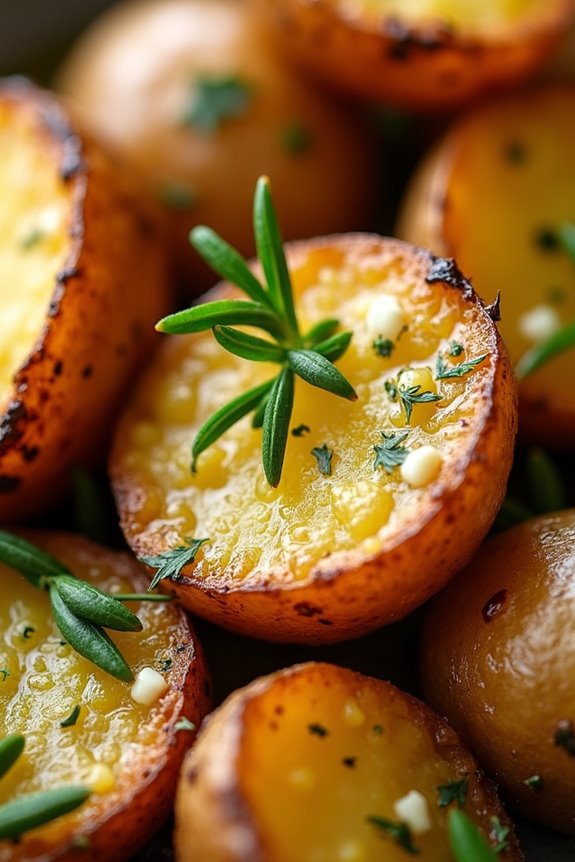
Garlic and Herb Roasted Potatoes are a delicious and aromatic side dish that perfectly complements any Mediterranean meal. The combination of crispy potatoes, fragrant garlic, and fresh herbs creates an irresistible flavor that will have your guests coming back for seconds.
This dish isn’t only easy to prepare but also allows for flexibility with the herbs you choose, making it a versatile addition to your culinary repertoire.
Roasting the potatoes at a high temperature results in a crispy exterior while keeping the insides fluffy and tender. The infusion of garlic and herbs enhances the natural flavor of the potatoes, making them a standout side dish for meats, fish, or even a hearty salad.
Pair these roasted potatoes with your favorite Mediterranean main course for a meal that’s sure to impress.
Ingredients (serving size: 4-6 people)
- 2 pounds baby potatoes (or Yukon Gold), halved
- 4 tablespoons olive oil
- 4 cloves garlic, minced
- 2 teaspoons dried oregano
- 2 teaspoons dried thyme
- 1 teaspoon smoked paprika
- Salt and pepper, to taste
- Fresh parsley or rosemary, chopped (for garnish)
Cooking Instructions
- Preheat the Oven: Begin by preheating your oven to 425°F (220°C). A hot oven is essential for achieving those crispy edges while keeping the potatoes tender inside.
- Prepare the Potatoes: Wash and halve the baby potatoes. If using larger potatoes, cut them into quarter-sized pieces to guarantee even cooking. Place them in a large mixing bowl.
- Mix the Ingredients: In a small bowl, whisk together the olive oil, minced garlic, dried oregano, dried thyme, smoked paprika, salt, and pepper. This mixture will coat the potatoes and provide a flavorful crust.
- Toss the Potatoes: Pour the herb and garlic mixture over the halved potatoes in the mixing bowl. Use a large spoon or your hands to toss the potatoes until they’re evenly coated with the oil and seasonings.
- Arrange on Baking Sheet: Spread the coated potatoes in a single layer on a baking sheet lined with parchment paper. Make certain they aren’t overcrowded, as this will help them roast instead of steam.
- Roast the Potatoes: Place the baking sheet in the preheated oven and roast for about 30-35 minutes, or until the potatoes are golden brown and crispy. Halfway through the cooking time, give them a good stir to promote even browning.
- Garnish and Serve: Once the potatoes are done roasting, remove them from the oven and transfer them to a serving dish. Garnish with fresh chopped parsley or rosemary for a pop of color and added freshness.
Extra Tips
For added flavor, consider using fresh herbs instead of dried ones, adjusting the quantities as needed. You can also experiment with different herbs like basil, dill, or thyme based on your preference.
If you like a bit of heat, sprinkle some red pepper flakes into the garlic mixture before tossing with the potatoes. For an even more indulgent twist, try adding grated Parmesan cheese during the last 5 minutes of roasting for a cheesy finish.
Enjoy your Garlic and Herb Roasted Potatoes as a delightful side that will elevate any meal!
Parsley and Mint Tabbouleh
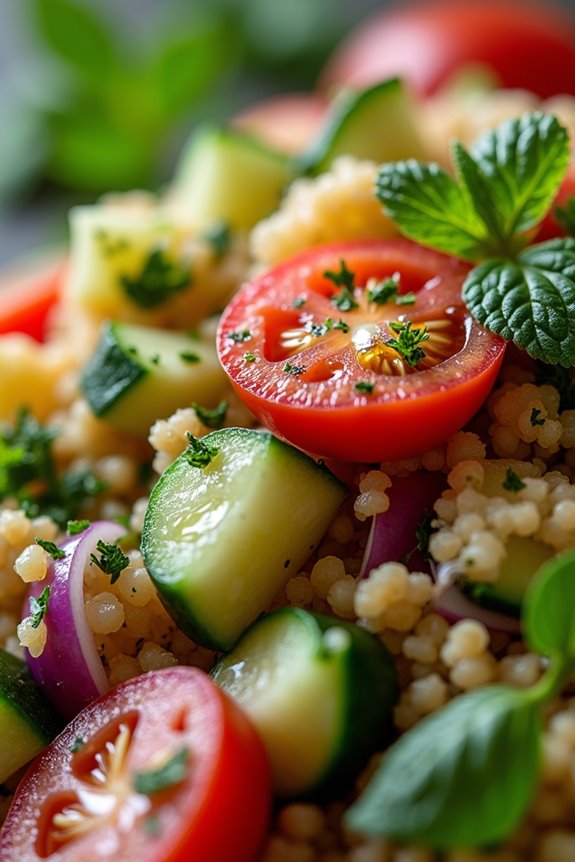
Parsley and Mint Tabbouleh is a revitalizing and vibrant salad that hails from the Mediterranean region, celebrated for its bright flavors and nutritious ingredients. This dish features finely chopped parsley and mint, combined with bulgur wheat, fresh vegetables, and a zesty lemon dressing, making it a perfect accompaniment to grilled meats or as a light standalone meal.
The balance of herbs and grains creates a delightful texture and taste, making it a favorite at summer gatherings or any time you crave something revitalizing and healthy.
In addition to being easy to prepare, Parsley and Mint Tabbouleh is also quite versatile. You can adjust the ingredients to suit your taste or what you have on hand. For instance, you can add diced tomatoes or cucumbers for extra crunch or substitute the bulgur with quinoa for a gluten-free option.
Enjoying this salad not only brings a burst of flavor to your table but also provides a wealth of vitamins and minerals, thanks to the generous amounts of fresh herbs used.
Ingredients (Serves 4-6):
- 1 cup bulgur wheat
- 2 cups boiling water
- 1 ½ cups fresh parsley, finely chopped
- ½ cup fresh mint, finely chopped
- 1 medium tomato, diced
- 1 small cucumber, diced
- ½ cup red onion, finely chopped
- ½ cup olive oil
- ¼ cup lemon juice
- Salt and pepper to taste
Cooking Instructions:
- Prepare the Bulgur Wheat: In a large mixing bowl, combine the bulgur wheat with the boiling water. Cover the bowl with a lid or plastic wrap and let it sit for about 15-20 minutes, or until the bulgur has absorbed the water and is tender. Fluff the bulgur with a fork to separate the grains.
- Chop the Vegetables and Herbs: While the bulgur is soaking, wash and finely chop the parsley and mint leaves. Make sure to remove any tough stems. Next, dice the tomato and cucumber, and finely chop the red onion. Set all the chopped ingredients aside.
- Combine Ingredients: Once the bulgur is ready, add the chopped parsley, mint, tomato, cucumber, and red onion to the bowl. Mix everything together gently to guarantee an even distribution of ingredients.
- Make the Dressing: In a small bowl, whisk together the olive oil, lemon juice, salt, and pepper. Taste the dressing and adjust the seasoning if needed, adding more salt, pepper, or lemon juice according to your preference.
- Dress the Tabbouleh: Pour the dressing over the bulgur and vegetable mixture. Toss everything together gently, making sure the dressing coats all the ingredients evenly. Allow the tabbouleh to sit for at least 15 minutes before serving to allow the flavors to meld.
- Serve: Serve the Parsley and Mint Tabbouleh chilled or at room temperature. It can be enjoyed as a side dish or as a light main course.
Extra Tips:
For the best flavor, use fresh herbs and allow the tabbouleh to marinate for a little while before serving. If you prefer a more intense flavor, consider adding a pinch of allspice or cumin to the dressing.
This dish can also be prepared a few hours in advance; just store it in the refrigerator and give it a gentle toss before serving. Enjoy your delicious Parsley and Mint Tabbouleh with pita bread or as a revitalizing salad on a warm day!
Rosemary Focaccia Bread
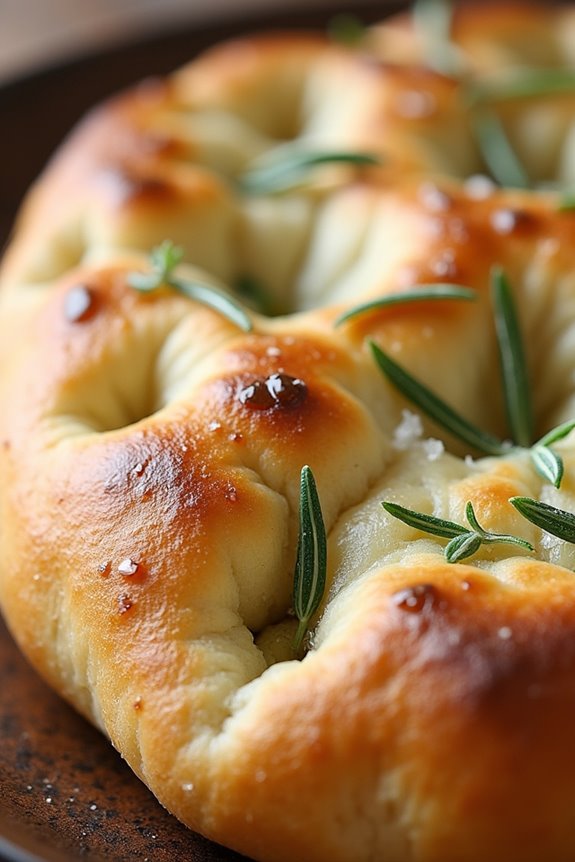
Rosemary Focaccia Bread is a delightful and aromatic Italian bread that’s perfect for any occasion. With its airy texture and rich flavor, this bread is a fantastic accompaniment to soups, salads, or simply enjoyed on its own with a drizzle of olive oil. The fragrant rosemary infuses the dough with an earthy essence, making it a standout choice for those who love the essence of Mediterranean herbs.
Making focaccia from scratch might seem intimidating, but it’s surprisingly straightforward. The combination of high-quality ingredients and a bit of patience during the rising process results in a bread that’s wonderfully fluffy and has a deliciously crispy crust. Whether you serve it warm at dinner or use it for sandwiches the next day, this Rosemary Focaccia Bread is sure to impress your family and friends.
Ingredients (serving size: 4-6 people)
- 2 cups all-purpose flour
- 1 cup warm water (about 110°F)
- 2 teaspoons active dry yeast
- 1 teaspoon sugar
- 1 teaspoon salt
- 1/4 cup extra virgin olive oil, plus more for drizzling
- 2 tablespoons fresh rosemary leaves, chopped
- Sea salt, for sprinkling
Cooking Instructions
- Activate the Yeast: In a small bowl, combine the warm water, sugar, and active dry yeast. Stir gently and let it sit for about 5-10 minutes until it becomes frothy. This process activates the yeast, ensuring that your dough will rise properly.
- Mix the Dough: In a large mixing bowl, combine the all-purpose flour and salt. Once the yeast mixture is frothy, pour it into the flour mixture along with the olive oil. Mix with a wooden spoon or your hands until a shaggy dough forms.
- Knead the Dough: Turn the dough out onto a floured surface and knead for about 5-7 minutes until it becomes smooth and elastic. If the dough is too sticky, sprinkle a little more flour as needed. This step develops the gluten in the flour, which gives the bread its structure.
- First Rise: Place the kneaded dough in a lightly oiled bowl, cover it with a damp cloth or plastic wrap, and let it rise in a warm place for about 1-2 hours or until it has doubled in size. This fermentation process is essential for creating a light and fluffy texture.
- Shape the Focaccia: Once the dough has risen, punch it down to release air bubbles. Transfer it to a greased baking sheet and stretch it out gently with your fingers to fit the shape of the pan. The dough should be about 1-inch thick.
- Prepare the Topping: Drizzle additional olive oil over the top of the dough, then use your fingers to create dimples all over the surface. Sprinkle the chopped rosemary and sea salt on top, ensuring an even distribution for flavor.
- Second Rise: Cover the shaped dough loosely with a cloth and let it rise again for about 30-45 minutes. This final rise allows for greater volume and a soft texture.
- Bake the Focaccia: Preheat your oven to 425°F (220°C). Bake the focaccia for 20-25 minutes, or until it’s golden brown and sounds hollow when tapped.
- Cool and Serve: Once baked, remove the focaccia from the oven and let it cool on a wire rack for a few minutes before slicing. Serve warm or at room temperature.
Extra Tips
For an enhanced flavor, consider adding other toppings such as sliced olives, cherry tomatoes, or even a sprinkle of grated Parmesan cheese before baking.
If you want to experiment with different herbs, thyme or oregano can be great substitutes for rosemary. Remember, focaccia is best enjoyed fresh, but it can be stored in an airtight container at room temperature for a couple of days. To revive its crispiness, reheat it in the oven for a few minutes before serving. Enjoy your homemade Rosemary Focaccia Bread!
Cilantro Chimichurri Sauce
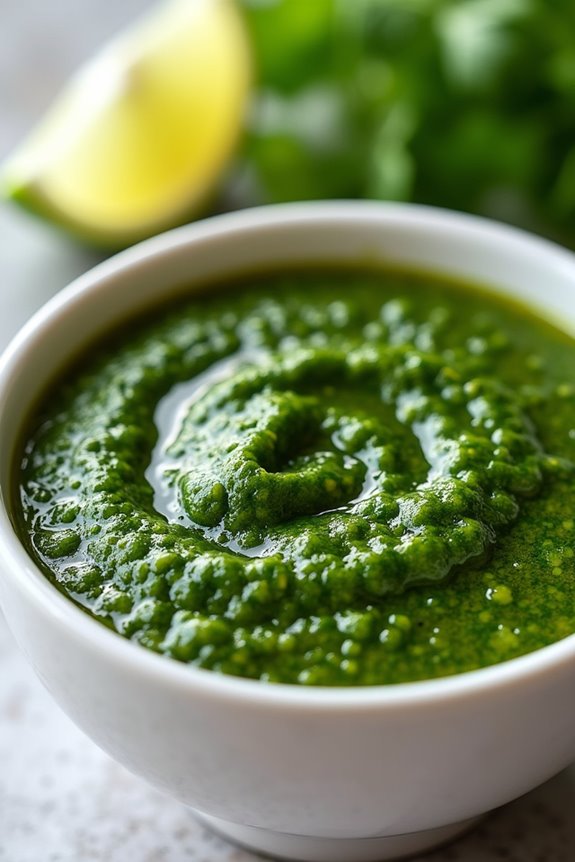
Cilantro Chimichurri Sauce is a vibrant and flavorful condiment that perfectly complements grilled meats, roasted vegetables, and even crusty bread. This fresh sauce is a twist on the traditional Argentine chimichurri, which typically features parsley as the primary herb. By substituting cilantro, this version adds a zesty and aromatic flair that can elevate any dish. With its bright green color and fresh ingredients, Cilantro Chimichurri isn’t only delicious but also visually appealing.
Making this sauce is simple and requires minimal effort, making it a perfect addition to your culinary repertoire. It’s an excellent choice for summer barbecues or casual weeknight dinners when you want to impress your guests with minimal fuss. Whether drizzled over grilled steak or served as a dip for veggies, this sauce is sure to become a favorite in your household.
Ingredients (Serves 4-6):
- 1 cup fresh cilantro leaves, packed
- 1/2 cup olive oil
- 1/4 cup red wine vinegar
- 3 cloves garlic, minced
- 1 teaspoon red pepper flakes (adjust for spice preference)
- 1 teaspoon salt
- 1/2 teaspoon black pepper
- Juice of 1 lime
Cooking Instructions:
- Prepare the Ingredients: Begin by rinsing the fresh cilantro leaves thoroughly under cold water to remove any dirt or grit. Pat them dry with a clean towel or use a salad spinner to remove excess moisture. Mince the garlic cloves finely, as the size will affect the flavor distribution in the sauce.
- Combine Ingredients: In a medium-sized mixing bowl, add the rinsed cilantro leaves, minced garlic, red wine vinegar, red pepper flakes, salt, black pepper, and lime juice. Use a sturdy fork or a whisk to begin mixing these ingredients together.
- Incorporate Olive Oil: Gradually pour the olive oil into the bowl while continuously whisking. This method helps emulsify the sauce, combining the oil with the other ingredients for a smooth consistency. Confirm the mixture is well combined, with the oil evenly distributed throughout.
- Taste and Adjust Seasoning: After mixing, taste the chimichurri sauce. Adjust the seasoning as needed by adding more salt, pepper, or lime juice to suit your preference. If you prefer a thinner sauce, you can add a little more olive oil or vinegar to achieve the desired consistency.
- Let it Sit: For the best flavor, let the chimichurri sauce sit for at least 15-30 minutes at room temperature. This resting time allows the flavors to meld together, resulting in a more robust taste. If you have extra time, consider refrigerating it for a few hours or overnight for even deeper flavors.
Extra Tips:
When preparing Cilantro Chimichurri Sauce, feel free to experiment with additional herbs such as parsley or mint for a unique twist. You can also adjust the level of heat by varying the amount of red pepper flakes or even adding a fresh jalapeño for an extra kick.
This sauce can be stored in an airtight container in the refrigerator for up to one week, making it a convenient option for meal prep or last-minute flavor enhancements.
Thyme-Infused Ratatouille
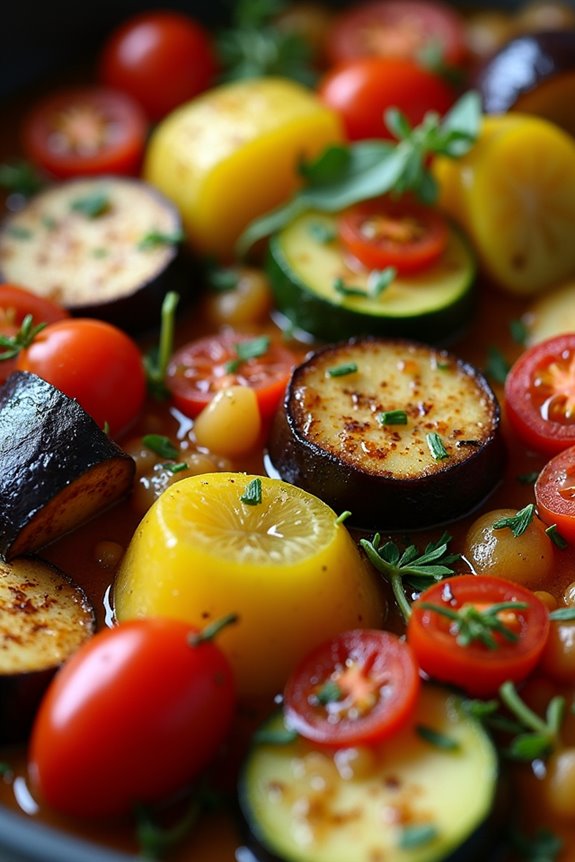
Ratatouille is a classic Provençal vegetable dish that celebrates the vibrant flavors of the Mediterranean. This Thyme-Infused Ratatouille brings a fragrant herb twist to the traditional recipe, enhancing the natural sweetness of the vegetables. With its colorful medley of zucchini, eggplant, bell peppers, and tomatoes, this dish isn’t only visually appealing but also a delightful way to enjoy the bounty of summer produce.
Thyme, in particular, adds a warm earthiness that ties the dish together, making it perfect as a side or a main course.
Preparing this dish is straightforward, allowing home cooks of all skill levels to create a delicious meal. The key to a great ratatouille is to use fresh, ripe vegetables and to cook them slowly to develop their flavors fully. Whether served warm or at room temperature, this Thyme-Infused Ratatouille is bound to impress your family and guests alike.
Ingredients (serving size: 4-6 people)
- 1 medium eggplant, diced
- 2 medium zucchinis, sliced
- 1 bell pepper (red or yellow), chopped
- 1 medium onion, diced
- 3 cloves garlic, minced
- 4 medium ripe tomatoes, diced
- 1/4 cup olive oil
- 1 tablespoon fresh thyme leaves (or 1 teaspoon dried thyme)
- Salt and pepper to taste
- Fresh basil leaves for garnish (optional)
Cooking Instructions
- Prepare the Vegetables: Start by washing and dicing the eggplant, zucchinis, bell pepper, onion, and tomatoes into uniform pieces. This guarantees even cooking and makes for a visually appealing dish. Mince the garlic and set it aside.
- Sauté the Aromatics: In a large skillet or Dutch oven, heat the olive oil over medium heat. Add the diced onion and garlic, sautéing them for about 3-4 minutes until the onion becomes translucent and fragrant. This step builds a flavorful base for your ratatouille.
- Cook the Eggplant: Add the diced eggplant to the skillet and cook for about 5-7 minutes, stirring occasionally, until it begins to soften. Eggplant absorbs oil quickly, so if it starts to stick, you can add a splash of water or more olive oil.
- Incorporate Remaining Vegetables: Next, add the sliced zucchinis and chopped bell pepper to the skillet. Stir everything together and cook for another 5 minutes until the vegetables are starting to become tender.
- Add Tomatoes and Thyme: Once the other vegetables are cooked, add the diced tomatoes and fresh thyme. Season with salt and pepper to taste. Stir well to combine, then lower the heat and cover the skillet. Let it simmer for about 15-20 minutes, stirring occasionally, until all the vegetables are tender and the flavors meld together.
- Finish and Serve: Once cooked, taste and adjust the seasoning if necessary. Remove from heat and let the ratatouille sit for a few minutes before serving. Garnish with fresh basil leaves if desired. This dish can be served warm, at room temperature, or even cold, making it versatile for any occasion.
Extra Tips
For the best results, use seasonal vegetables that are fresh and ripe, as they’ll contribute to the overall flavor and texture of the dish.
If you want a deeper flavor, consider roasting the vegetables before adding them to the skillet. Additionally, feel free to customize the recipe by adding other vegetables such as squash or mushrooms, or by incorporating different herbs like rosemary or oregano for a unique twist.
This ratatouille pairs wonderfully with crusty bread, rice, or as a side to grilled meats.
Dill and Yogurt Sauce
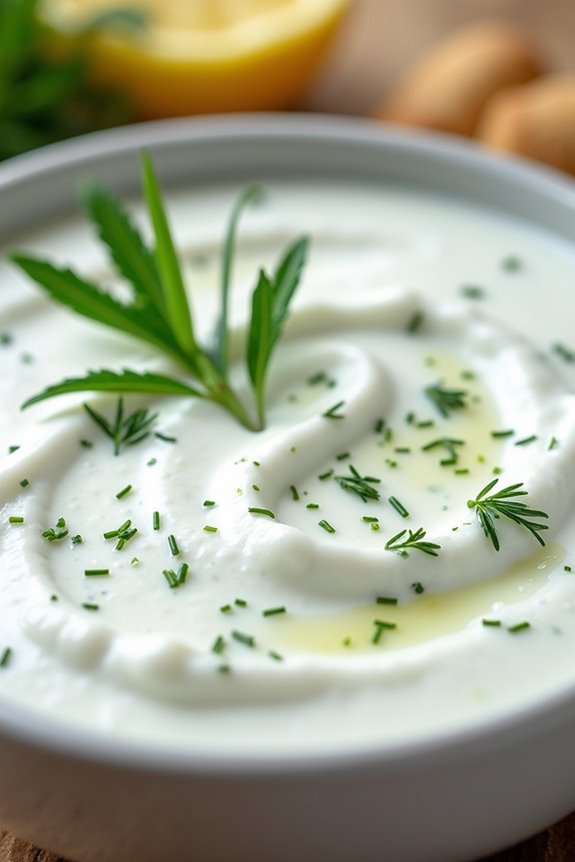
Dill and Yogurt Sauce is a revitalizing and versatile condiment that beautifully complements a plethora of Mediterranean dishes. This creamy sauce is often used as a dip, a dressing, or a topping for grilled meats, roasted vegetables, or even as a spread on pita bread. The bright and aromatic flavor of fresh dill pairs perfectly with the tanginess of yogurt, creating a delightful balance that enhances any meal.
Making this sauce is incredibly simple, requiring only a handful of ingredients that you may already have in your kitchen. It’s a fantastic addition to summer barbecues or a perfect side for a cozy family dinner. Not only is it easy to prepare, but it also brings a burst of flavor that elevates your dish without overwhelming it. Let’s get started on this delightful Dill and Yogurt Sauce!
Ingredients (Serves 4-6)
- 1 cup plain Greek yogurt
- 1/4 cup fresh dill, finely chopped
- 1 clove garlic, minced
- 1 tablespoon lemon juice
- 1 tablespoon olive oil
- Salt and pepper to taste
Cooking Instructions
- Prepare the Yogurt Base: In a medium mixing bowl, add the 1 cup of plain Greek yogurt. Greek yogurt is preferred for its thick consistency and rich flavor, which will form the creamy base of your sauce.
- Incorporate the Dill: Finely chop the 1/4 cup of fresh dill and add it to the bowl with the yogurt. Fresh dill provides a bright, herbaceous flavor that’s vital to the sauce. Make sure to chop it finely to guarantee even distribution throughout the sauce.
- Add Garlic: Mince the clove of garlic and add it to the mixture. Garlic adds a wonderful depth of flavor, but you can adjust the amount based on your preference for garlic intensity.
- Mix in Lemon Juice and Olive Oil: Pour in the 1 tablespoon of lemon juice and 1 tablespoon of olive oil. The lemon juice gives a zesty kick, while the olive oil adds a smooth richness that enhances the overall texture.
- Season the Sauce: Add salt and pepper to taste. This is an essential step as it helps to balance the flavors. Start with a pinch of each and adjust according to your preference.
- Combine Thoroughly: Using a whisk or a spatula, mix all the ingredients together until well combined. Confirm that the dill and garlic are evenly distributed throughout the yogurt for a harmonious flavor.
- Chill and Serve: For the best flavor, cover the sauce and refrigerate for at least 30 minutes to allow the flavors to meld together. Serve chilled as a dip or drizzle over your favorite Mediterranean dishes.
Extra Tips
When making Dill and Yogurt Sauce, consider using fresh dill rather than dried for a more vibrant flavor. If fresh dill isn’t available, you can substitute it with 1 tablespoon of dried dill, but the taste will be less intense.
Additionally, feel free to customize the sauce by adding other herbs like mint or parsley for a unique twist. This sauce can be stored in the refrigerator for up to three days, making it a great make-ahead option for gatherings. Enjoy the fresh flavors of the Mediterranean with this delightful condiment!
Sage and Brown Butter Pasta
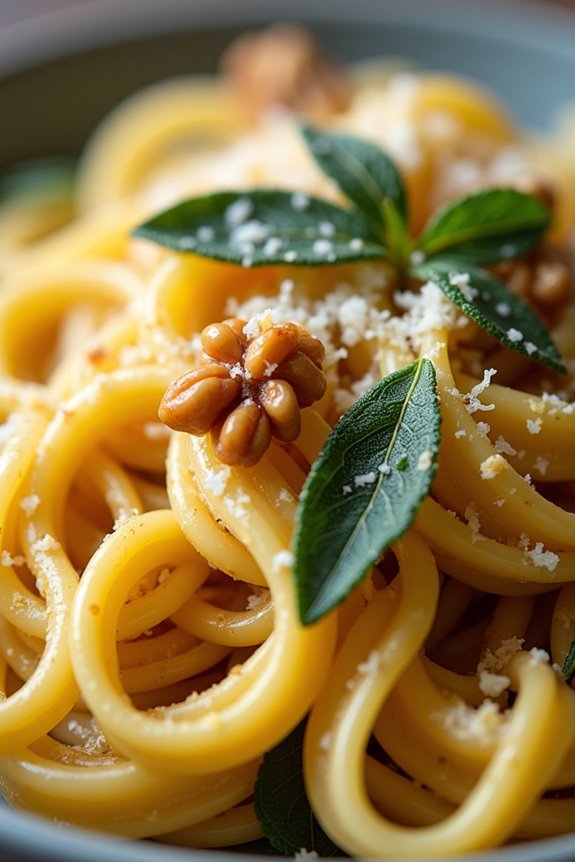
Sage and Brown Butter Pasta is a delightful dish that beautifully marries the earthy flavors of sage with the rich, nutty essence of browned butter. This simple yet elegant pasta dish is perfect for a weeknight dinner or a special occasion. The combination of the aromatic sage and the creamy sauce provides a comforting meal that transports you straight to the heart of the Mediterranean.
The beauty of this recipe lies in its simplicity and the quality of its ingredients. Fresh sage leaves provide a distinctive flavor profile that elevates the dish, while the brown butter adds depth and complexity. As the pasta cooks, the ingredients come together, creating a luscious sauce that clings to each strand, making every bite a memorable experience.
Ingredients (Serves 4-6)
- 12 oz (340 g) pasta (such as fettuccine or pappardelle)
- 1/2 cup (1 stick) unsalted butter
- 20-25 fresh sage leaves
- 1/2 cup grated Parmesan cheese
- Salt, to taste
- Freshly ground black pepper, to taste
- Optional: Zest of 1 lemon
- Optional: Chopped toasted walnuts or pine nuts for garnish
Cooking Instructions
- Cook the Pasta: In a large pot of salted boiling water, add the pasta and cook according to the package instructions until al dente. Stir occasionally to prevent sticking. Once cooked, reserve about 1 cup of the pasta cooking water, then drain the pasta and set it aside.
- Brown the Butter: In a large skillet over medium heat, add the unsalted butter. Allow the butter to melt completely, then continue cooking it, stirring frequently. The butter will begin to foam and eventually turn a golden brown color. Watch carefully to avoid burning; you want it to have a nutty aroma and deep brown hue.
- Add the Sage: Once the butter is browned, add the fresh sage leaves to the skillet. Sauté the sage in the brown butter for about 1-2 minutes, until the leaves become crispy and fragrant. This step infuses the butter with the wonderful flavor of sage.
- Combine Pasta and Sauce: Carefully add the drained pasta to the skillet with the brown butter and sage. Toss to coat the pasta evenly in the sauce. If the mixture seems dry, gradually add some of the reserved pasta water until you achieve the desired consistency.
- Finish with Cheese and Seasoning: Remove the skillet from heat. Stir in the grated Parmesan cheese and season with salt and freshly ground black pepper to taste. If desired, add lemon zest for a stimulating brightness. Toss everything together until the cheese is melted and the pasta is well-coated.
- Serve: Divide the pasta among serving plates. If desired, garnish with chopped toasted walnuts or pine nuts for added texture. Enjoy your Sage and Brown Butter Pasta while it’s warm!
Extra Tips
When preparing Sage and Brown Butter Pasta, always use high-quality butter and fresh sage for the best flavor.
Be attentive while browning the butter, as it can go from perfectly brown to burnt in a matter of seconds.
If you want to add a bit of protein to the dish, consider including sautéed chicken or shrimp.
For an extra layer of flavor, a sprinkle of red pepper flakes can provide a subtle kick that complements the richness of the brown butter.
Spicy Harissa and Herb Couscous
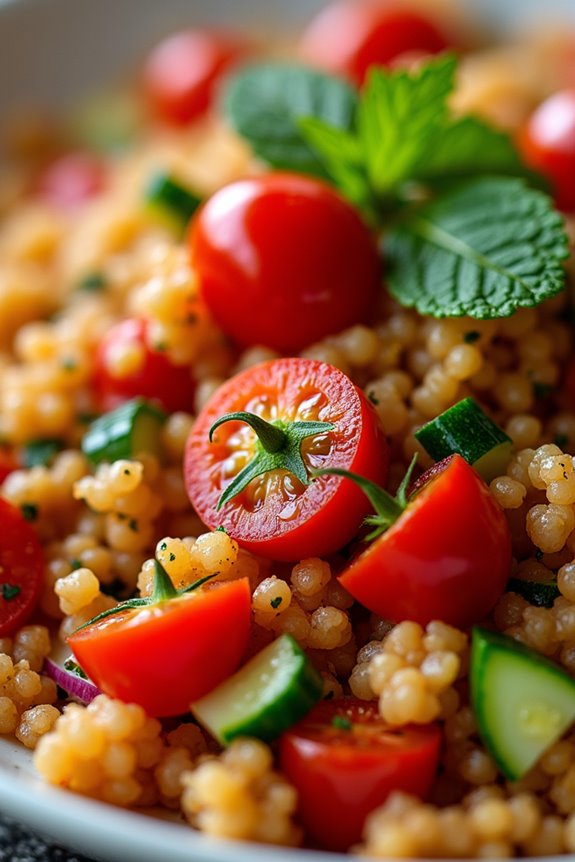
Spicy Harissa and Herb Couscous is a vibrant and flavorful dish that brings the essence of Mediterranean cuisine to your table. This dish combines the nutty texture of couscous with the bold and spicy flavors of harissa, a North African chili paste. Enhanced with fresh herbs, this couscous becomes a delightful accompaniment to a variety of proteins or can be enjoyed on its own as a satisfying vegetarian option.
The dish isn’t only simple to prepare but also a feast for the eyes with its colorful presentation. In addition to its fantastic taste, Spicy Harissa and Herb Couscous is incredibly versatile. You can adjust the level of spice according to your preference by varying the amount of harissa you use. This recipe serves 4-6 people, making it perfect for a family dinner or a gathering with friends.
With just a few ingredients and straightforward steps, you’ll have a dish that impresses both in flavor and presentation.
Ingredients
- 1 ½ cups couscous
- 2 cups vegetable broth or water
- 2 tablespoons harissa paste (adjust to taste)
- 2 tablespoons olive oil
- 1 teaspoon salt
- 1 teaspoon ground cumin
- 1 cup cherry tomatoes, halved
- 1 cup cucumber, diced
- ½ cup red onion, finely chopped
- ½ cup fresh parsley, chopped
- ½ cup fresh mint, chopped
- Juice of 1 lemon
- Salt and pepper to taste
Cooking Instructions
- Prepare the Broth: In a medium saucepan, bring 2 cups of vegetable broth or water to a boil. Once boiling, add 1 teaspoon of salt and 1 tablespoon of olive oil for added flavor. This will be the cooking liquid for the couscous.
- Cook the Couscous: Remove the saucepan from heat and stir in the couscous. Cover the pot with a lid and let it sit for about 5 minutes. The steam will cook the couscous, making it fluffy and tender.
- Fluff the Couscous: After 5 minutes, uncover the pot and use a fork to fluff the couscous gently. This helps to separate the grains and prevent clumping.
- Mix in Harissa: In a small bowl, combine the harissa paste with the remaining tablespoon of olive oil. Drizzle this mixture over the fluffed couscous, using a fork to combine it evenly. Adjust the amount of harissa based on your spice preference.
- Add Vegetables and Herbs: Stir in the halved cherry tomatoes, diced cucumber, finely chopped red onion, parsley, and mint. The fresh ingredients will add crunch and brightness to the dish.
- Season and Serve: Squeeze the juice of one lemon over the couscous and season with salt and pepper to taste. Mix everything together until well combined. Serve warm or at room temperature.
Extra Tips
When making Spicy Harissa and Herb Couscous, consider preparing it a few hours ahead of time and letting it sit in the fridge. This allows the flavors to meld together beautifully.
You can also add a protein of your choice, such as grilled chicken, shrimp, or chickpeas, to make the dish more filling. If you want a creamier texture, a dollop of Greek yogurt on top can complement the heat of the harissa perfectly. Enjoy your culinary journey through the Mediterranean!
Minted Pea Soup
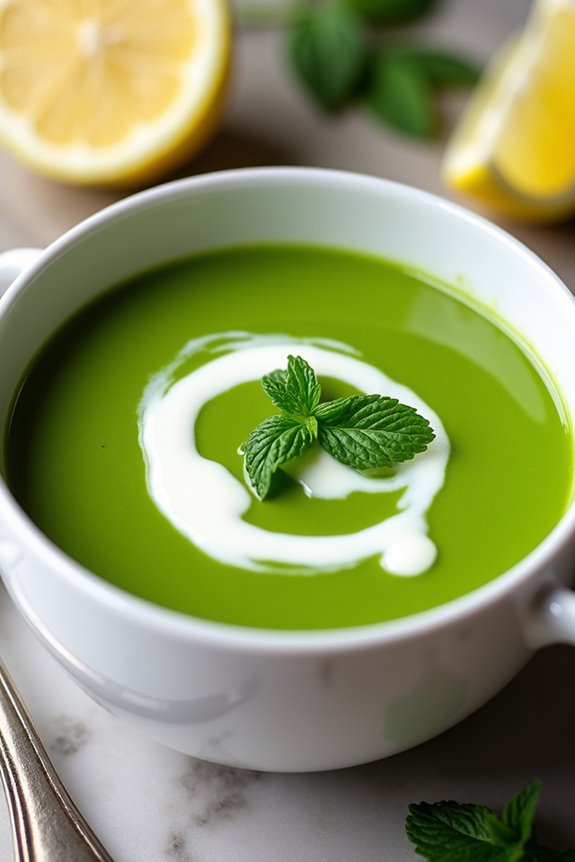
Minted Pea Soup is a revitalizing and vibrant dish that perfectly captures the essence of Mediterranean flavors. This soup isn’t only delicious but also incredibly simple to prepare, making it an ideal starter for any meal or a light lunch option. The combination of sweet peas and fragrant mint creates a delightful contrast, while a touch of cream adds a luscious finish, making this soup comforting yet invigorating.
This recipe is perfect for spring and summer when peas are at their peak, but you can enjoy it year-round by using frozen peas. The vibrant green color and fresh flavor of the mint make this soup visually appealing and satisfying. Serve it warm or chilled, and garnish with a dollop of crème fraîche or a sprinkle of fresh mint for an extra touch.
Ingredients (Serves 4-6):
- 2 tablespoons olive oil
- 1 medium onion, chopped
- 2 cloves garlic, minced
- 4 cups vegetable or chicken broth
- 4 cups fresh or frozen peas
- 1 cup fresh mint leaves, loosely packed
- 1 cup heavy cream
- Salt and pepper to taste
- Lemon wedges for serving (optional)
Cooking Instructions:
- Sauté the Aromatics: In a large pot, heat the olive oil over medium heat. Add the chopped onion and sauté until it becomes translucent, about 5-7 minutes. Then, add the minced garlic and cook for an additional 1-2 minutes, stirring frequently to avoid burning.
- Add the Broth and Peas: Pour in the vegetable or chicken broth and bring the mixture to a gentle boil. Once boiling, add the peas and reduce the heat to a simmer. Allow the peas to cook for about 5-7 minutes if using fresh peas, or until they’re heated through if using frozen peas.
- Incorporate the Mint: Once the peas are cooked, add the fresh mint leaves to the pot. Stir to combine and let the mixture simmer for another 2-3 minutes, allowing the mint to infuse its flavor into the soup.
- Blend the Soup: Using an immersion blender, blend the soup until smooth and creamy. If you don’t have an immersion blender, carefully transfer the soup in batches to a countertop blender. Blend until smooth, then return it to the pot.
- Finish with Cream: Stir in the heavy cream and season with salt and pepper to taste. Heat the soup gently over low heat until warmed through, but don’t let it boil.
- Serve: Ladle the soup into bowls and garnish with a dollop of crème fraîche or a sprinkle of fresh mint if desired. Serve with lemon wedges on the side for an added burst of flavor.
Extra Tips:
For a lighter version, you can replace the heavy cream with coconut milk or omit it altogether for a vegan-friendly option. If you prefer a chunkier texture, reserve some of the peas before blending and stir them back into the soup after blending.
Additionally, this soup can be made ahead of time and stored in the refrigerator for up to three days; simply reheat gently before serving. Enjoy your Minted Pea Soup with crusty bread or a fresh salad for a complete meal.
Fennel and Herb Salad
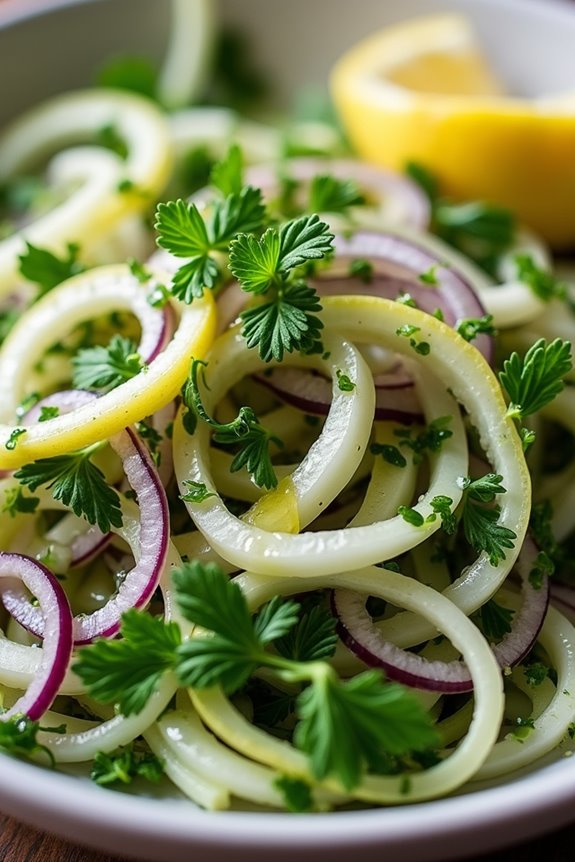
Fennel and Herb Salad is a revitalizing and vibrant dish that showcases the aromatic flavors of fresh herbs and the delicate crunch of fennel. This salad is perfect for a summer gathering or as a light side dish to accompany grilled meats and seafood. The combination of the crisp, anise-flavored fennel with a medley of herbs creates a delightful contrast that tantalizes the taste buds.
The dressing, made with zesty lemon juice and olive oil, enhances the freshness of the ingredients while adding a tangy touch. This salad not only offers a beautiful presentation with its colorful ingredients but also packs a nutritional punch. Fennel is rich in vitamins and minerals, and the herbs provide a wealth of antioxidants.
Whether you’re serving it at a family dinner or a festive party, Fennel and Herb Salad will surely impress your guests and leave them wanting more.
Ingredients (Serving Size: 4-6 people)
- 2 large bulbs of fennel, trimmed and thinly sliced
- 1 cup fresh parsley, chopped
- 1/2 cup fresh dill, chopped
- 1/2 cup fresh mint, chopped
- 1/4 cup fresh basil, chopped
- 1/2 red onion, thinly sliced
- 1/4 cup extra virgin olive oil
- 2 tablespoons fresh lemon juice
- Salt and pepper to taste
- Lemon wedges for garnish
Cooking Instructions
- Prepare the Fennel: Begin by trimming the tops off the fennel bulbs and removing any outer layers that may be tough or wilted. Slice the fennel bulbs thinly using a sharp knife or a mandoline for even slices. Transfer the sliced fennel to a large mixing bowl.
- Chop the Herbs: Rinse the fresh herbs—parsley, dill, mint, and basil—under cold water to remove any dirt or debris. Pat them dry with a clean kitchen towel. Finely chop each herb and add them to the mixing bowl with the sliced fennel.
- Add the Red Onion: Peel the red onion and slice it thinly. Add the red onion slices to the bowl, mixing them gently with the fennel and herbs to combine the flavors.
- Make the Dressing: In a small bowl, whisk together the extra virgin olive oil, fresh lemon juice, salt, and pepper until well combined. This dressing will enhance the flavors of the salad and bring everything together.
- Dress the Salad: Pour the dressing over the fennel and herb mixture. Using tongs or a large spoon, gently toss the salad to guarantee all the ingredients are evenly coated with the dressing. Taste and adjust the seasoning if necessary.
- Serve: Transfer the salad to a serving platter or individual bowls. Garnish with lemon wedges for added brightness and serve immediately, or chill in the refrigerator for about 15-20 minutes to allow the flavors to meld.
Extra Tips
For an added layer of flavor, consider toasting some pine nuts or walnuts and sprinkling them over the salad just before serving. This not only enhances the texture but also adds a nutty richness that complements the fresh herbs and fennel.
Additionally, feel free to experiment with other herbs you enjoy, such as chives or cilantro, to customize the salad to your taste. Always remember to serve the salad fresh for the best texture and flavor!
Basil and Tomato Bruschetta
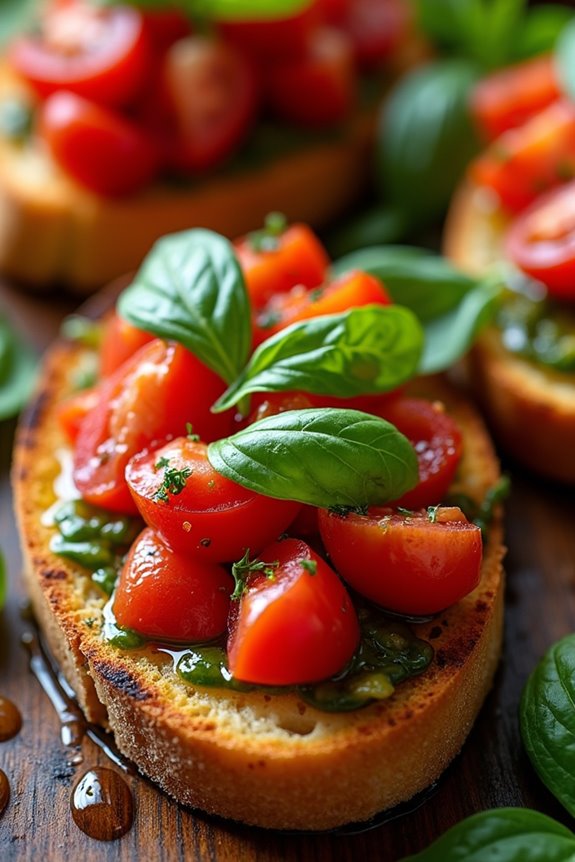
Basil and Tomato Bruschetta is a delightful appetizer that showcases the vibrant flavors of fresh ingredients. This classic Italian dish combines ripe tomatoes with fragrant basil, all served atop toasted slices of bread. The simplicity of the ingredients allows each component to shine, making it an ideal starter for any meal or a perfect snack for gatherings.
Whether you’re hosting a summer party or just looking to whip up something quick and delicious, this bruschetta is bound to impress your guests.
To prepare this dish, it’s crucial to use the freshest tomatoes and basil you can find, as their flavors make all the difference. The bread should be crusty and toasted to create a satisfying crunch that complements the juicy topping. With just a few simple steps, you can create a stunning appetizer that not only looks beautiful but tastes even better.
Ingredients (Serves 4-6):
- 6 ripe tomatoes, diced
- 1 cup fresh basil leaves, chopped
- 3 cloves garlic, minced
- 2 tablespoons balsamic vinegar
- 3 tablespoons extra virgin olive oil
- Salt and pepper, to taste
- 1 baguette or crusty bread, sliced
- Optional: grated Parmesan cheese for garnish
Cooking Instructions:
- Prepare the Tomato Mixture: In a medium-sized bowl, combine the diced tomatoes, chopped basil, and minced garlic. These ingredients are the heart of your bruschetta, so be sure to mix them evenly to guarantee every bite is flavorful.
- Add Seasoning and Dressing: Drizzle the balsamic vinegar and olive oil over the tomato mixture. Season with salt and pepper to taste. Gently toss everything together until the tomatoes are well-coated in the dressing. Allow this mixture to sit for about 10-15 minutes at room temperature. This resting time helps the flavors meld beautifully.
- Toast the Bread: While the tomato mixture is resting, preheat your oven to 400°F (200°C). Arrange the sliced baguette or crusty bread on a baking sheet and lightly brush each side with olive oil. Toast in the oven for about 5-7 minutes, or until golden and crisp. Keep an eye on the bread to prevent burning.
- Assemble the Bruschetta: Once the bread is toasted, remove it from the oven and let it cool slightly. Spoon the tomato and basil mixture generously onto each slice of toasted bread. If desired, sprinkle with grated Parmesan cheese for an added layer of flavor.
- Serve Immediately: Arrange the bruschetta on a serving platter and enjoy immediately while the bread is still warm and crisp. This dish is best served fresh to maintain the texture of the bread.
Extra Tips:
For the best flavor, opt for heirloom or vine-ripened tomatoes, as they tend to be sweeter and juicier. If you want to add a twist, consider incorporating avocado or mozzarella for a richer topping.
Additionally, if you make the tomato mixture ahead of time, store it in the refrigerator but allow it to come to room temperature before serving to enhance the flavors. Enjoy your Basil and Tomato Bruschetta with a glass of your favorite wine for a truly delightful experience!
Herb-Crusted Salmon
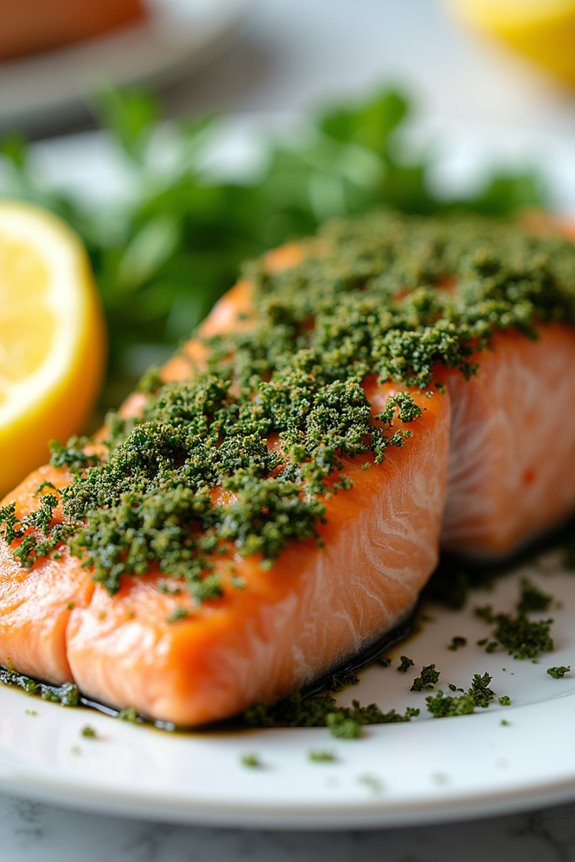
Herb-Crusted Salmon is a delightful and healthy dish that captures the essence of Mediterranean flavors while being simple to prepare. This recipe combines the rich, buttery taste of salmon with a vibrant and aromatic herb crust that adds depth and freshness to each bite. The combination of herbs, garlic, and lemon not only enhances the salmon’s natural flavor but also creates a beautiful presentation that’s perfect for any occasion.
This dish isn’t only flavorful but also packed with nutrients, making it a great choice for a family dinner or a special gathering. Pair it with a side of roasted vegetables or a light salad for a complete meal. With the right mix of ingredients and a few simple steps, you can impress your guests with your culinary skills and enjoy a taste of the Mediterranean right at home.
Ingredients (serves 4-6):
- 4-6 salmon fillets (about 6 ounces each)
- 1 cup fresh parsley, finely chopped
- 1/2 cup fresh basil, finely chopped
- 1/4 cup fresh dill, finely chopped
- 1/4 cup breadcrumbs (preferably whole wheat)
- 2 garlic cloves, minced
- Zest of 1 lemon
- 2 tablespoons lemon juice
- 1/4 cup olive oil
- Salt and pepper to taste
- Lemon wedges for serving
Cooking Instructions:
- Preheat the Oven: Start by preheating your oven to 400°F (200°C). This allows for even cooking and helps achieve a crispy herb crust on the salmon.
- Prepare the Herb Mixture: In a mixing bowl, combine the chopped parsley, basil, dill, breadcrumbs, minced garlic, lemon zest, and lemon juice. Drizzle in the olive oil and mix until all the ingredients are well combined and form a paste-like consistency. Season with salt and pepper to taste.
- Prepare the Salmon: Line a baking sheet with parchment paper for easy cleanup. Place the salmon fillets skin-side down on the sheet. Pat them dry with a paper towel and season with salt and pepper.
- Apply the Herb Crust: Evenly distribute the herb mixture over the top of each salmon fillet, pressing down gently to make sure it sticks well to the fish.
- Bake the Salmon: Place the baking sheet in the preheated oven and bake the salmon for 12-15 minutes, or until the salmon is cooked through and flakes easily with a fork. The herb crust should be golden and crisp.
- Serve: Once cooked, remove the salmon from the oven and let it rest for a minute. Serve with lemon wedges on the side for an extra burst of flavor.
Extra Tips: For an even more intense flavor, consider marinating the salmon in olive oil, lemon juice, and some of the herbs for about 30 minutes before applying the crust. This will infuse the fish with additional moisture and zest.
Additionally, if you prefer a bit of crunch, you can broil the salmon for the last 2 minutes of cooking to enhance the crispiness of the herb crust. Enjoy your Mediterranean Herb-Crusted Salmon with a glass of white wine for a truly delightful dining experience!
