

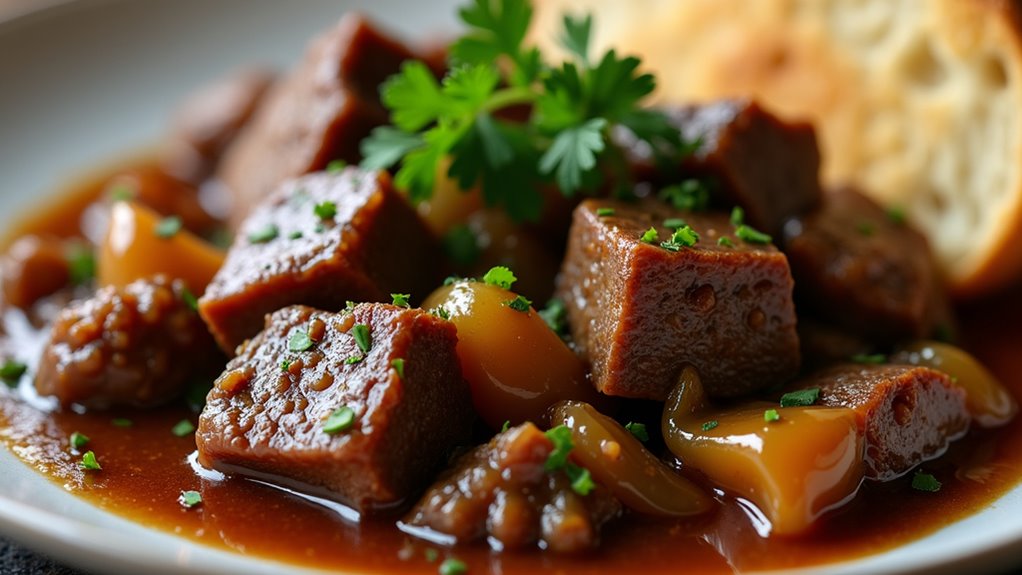
When the chill of winter sets in, there’s nothing quite like the warmth of European comfort food to make you feel cozy. Each dish offers a nostalgic embrace, from the creamy Italian Risotto to the hearty German Beef Stroganoff. These recipes don’t just fill your stomach; they wrap you in a big continental hug that feels like home. Ready to bring these cozy flavors to your kitchen? Let’s explore some delightful options together.
Classic Italian Risotto

Risotto is a beloved Italian dish that embodies the essence of comfort food with its creamy texture and rich flavors. Originating from Northern Italy, this dish is made by slowly cooking Arborio rice with broth, allowing it to absorb the liquid and release its starches, resulting in a luxurious consistency.
While there are countless variations of risotto, the classic version typically features a base of onion, white wine, and Parmesan cheese, elevating it to a gourmet experience that can be enjoyed any time of year.
The beauty of risotto lies in its adaptability, allowing you to incorporate seasonal vegetables, herbs, or even proteins such as seafood or chicken. Whether you’re serving it as a main course or a side dish, this classic Italian risotto is sure to warm your heart and delight your palate.
With a little patience and attention to detail, you can master the art of risotto and impress your family and friends with this tasty dish.
Ingredients (Serves 4-6):
- 1 ½ cups Arborio rice
- 4 cups chicken or vegetable broth
- 1 cup dry white wine
- 1 medium onion, finely chopped
- 2 cloves garlic, minced
- 4 tablespoons unsalted butter
- ½ cup grated Parmesan cheese
- Salt and pepper to taste
- Fresh parsley, chopped (for garnish)
Cooking Instructions:
- Prepare the Broth: In a medium saucepan, heat the chicken or vegetable broth over low heat. Keep it warm throughout the cooking process, as adding cold broth can slow down the cooking of the rice.
- Sauté the Aromatics: In a large, heavy-bottomed skillet or saucepan, melt 2 tablespoons of butter over medium heat. Add the chopped onion and cook until it becomes translucent, about 5 minutes. Then, add the minced garlic and sauté for another minute, being careful not to let it burn.
- Toast the Rice: Add the Arborio rice to the skillet with the onions and garlic. Stir the rice for about 2-3 minutes, allowing it to toast slightly and absorb the flavors. This step helps to enhance the nuttiness of the rice and prepares it for absorbing the liquid.
- Deglaze with Wine: Pour in the dry white wine and stir continuously until it has mostly evaporated. This will add depth to the flavor of the risotto and is a classic step in traditional recipes.
- Add the Broth Gradually: Begin adding the warm broth, one ladle at a time, stirring frequently. Wait until the liquid is mostly absorbed before adding the next ladle. This process should take about 18-20 minutes. You’ll know the risotto is ready when the rice is al dente and the dish is creamy.
- Finish with Butter and Cheese: Once the risotto has reached the desired consistency, remove it from heat. Stir in the remaining 2 tablespoons of butter and the grated Parmesan cheese. Season with salt and pepper to taste. The risotto should be creamy and rich.
- Serve: Spoon the risotto into bowls and garnish with freshly chopped parsley. Serve immediately while hot, as risotto is best enjoyed fresh.
Extra Tips: For a more luxurious flavor, you can finish the risotto with a drizzle of high-quality olive oil or add sautéed mushrooms, peas, or shrimp during the cooking process.
Be sure to stir the risotto frequently to promote creaminess, and remember that it should be served immediately, as it can thicken as it cools. Enjoy your homemade classic Italian risotto!
French Coq Au Vin

Coq Au Vin is a classic French dish that embodies the essence of cozy European comfort food. Originating from the Burgundy region of France, this flavorful dish consists of chicken braised slowly in red wine, along with mushrooms, lardons, onions, and various herbs. The slow cooking process allows the flavors to meld beautifully, resulting in tender chicken bathed in a rich, aromatic sauce.
This dish is perfect for family gatherings or special occasions, as it not only warms your heart but also impresses your guests with its rustic charm and depth of flavor.
The secret to a successful Coq Au Vin lies in the quality of the ingredients and the patience during the cooking process. Using a good-quality red wine enhances the overall flavor of the dish, while fresh herbs elevate the taste even further. Although the preparation may take some time, the end result is a delectable meal that’s well worth the effort.
Serve it alongside some crusty bread or creamy mashed potatoes to make the most of the savory sauce.
Ingredients (Serves 4-6)
- 1 whole chicken (about 3-4 pounds), cut into pieces
- 4 cups red wine (preferably Burgundy)
- 4 slices of bacon or lardons, diced
- 2 tablespoons olive oil
- 1 large onion, chopped
- 2 carrots, sliced
- 3 cloves garlic, minced
- 2 cups mushrooms, quartered
- 2 tablespoons tomato paste
- 2 tablespoons all-purpose flour
- 2 cups chicken broth
- 1 bouquet garni (thyme, bay leaf, and parsley tied together)
- Salt and pepper to taste
- Fresh parsley, chopped (for garnish)
Cooking Instructions
- Marinate the Chicken: In a large bowl, combine the chicken pieces with the red wine. Cover and refrigerate for at least 4 hours, or preferably overnight. This step allows the chicken to absorb the flavors of the wine and herbs.
- Prepare the Ingredients: After marinating, remove the chicken from the wine and pat it dry with paper towels. Reserve the wine for later use. In a large Dutch oven or heavy pot, cook the diced bacon or lardons over medium heat until crispy. Remove the bacon and set aside, leaving the rendered fat in the pot.
- Sear the Chicken: In the same pot, add olive oil if needed, then add the chicken pieces in batches, skin-side down. Sear until golden brown on all sides, about 5-7 minutes per side. Once browned, remove the chicken and set aside.
- Sauté the Vegetables: In the same pot, add the chopped onions, carrots, and mushrooms. Sauté until they begin to soften, about 5-6 minutes. Add the minced garlic and cook for an additional minute until fragrant.
- Add the Flour and Tomato Paste: Sprinkle the flour over the sautéed vegetables and stir to coat. Cook for about 2 minutes, then add the tomato paste, stirring until well combined.
- Combine Ingredients: Return the chicken and reserved bacon to the pot. Pour in the reserved red wine and chicken broth, then add the bouquet garni. Season with salt and pepper to taste. Bring the mixture to a gentle simmer.
- Braise the Chicken: Cover the pot and let it simmer on low heat for about 1.5 to 2 hours, or until the chicken is tender and the sauce has thickened. Stir occasionally to prevent sticking.
- Serve: Once cooked, remove the bouquet garni and adjust seasoning if necessary. Serve the Coq Au Vin hot, garnished with fresh parsley. Enjoy with crusty bread or mashed potatoes.
Extra Tips
For an even richer flavor, consider using a combination of red wines, and feel free to add other vegetables like pearl onions or parsnips to the mix.
If you’re looking to save time, you can prepare the dish a day in advance; the flavors will deepen overnight, making it even more delicious when reheated.
Spanish Paella

Spanish Paella is a vibrant and flavorful dish that hails from the coastal regions of Spain, particularly Valencia. Known for its stunning saffron-infused rice and a colorful medley of proteins and vegetables, this dish isn’t just a meal but an experience that brings friends and family together around the table.
Traditionally cooked in a wide, shallow pan, paella is versatile, allowing for a variety of ingredients, including seafood, chicken, and vegetables, creating a feast for the senses.
Cooking Spanish Paella isn’t only about following a recipe but also about embracing the communal spirit of sharing a delicious meal. The dish is often served directly from the pan, and the socarrat, the crispy layer of rice at the bottom, is a prized component that many seek out.
With its rich flavors and inviting presentation, Spanish Paella is perfect for gatherings, offering a taste of Spain that can be enjoyed anywhere.
Ingredients (Serves 4-6):
- 2 cups of Bomba or Calasparra rice
- 4 cups of chicken broth or seafood stock
- 1/2 teaspoon of saffron threads
- 1 pound of chicken thighs, boneless and skinless, cut into pieces
- 1 pound of shrimp, peeled and deveined
- 1/2 pound of mussels, cleaned and debearded
- 1/2 pound of chorizo sausage, sliced
- 1 red bell pepper, diced
- 1 green bell pepper, diced
- 1 medium onion, finely chopped
- 4 cloves of garlic, minced
- 1 cup of green peas (fresh or frozen)
- 2 medium tomatoes, diced
- 1 tablespoon of smoked paprika
- Olive oil
- Salt and pepper to taste
- Lemon wedges for serving
- Fresh parsley for garnish
Cooking Instructions:
- Prepare the Broth: In a saucepan, heat the chicken broth or seafood stock over medium heat. Add the saffron threads to the broth and let them steep. This will infuse the liquid with color and flavor, vital for the rice.
- Sauté the Aromatics: In a large paella pan or a wide skillet, heat a generous splash of olive oil over medium heat. Add the chopped onion and garlic, cooking until the onion is translucent. This step builds the flavor base for your paella.
- Add Meats and Vegetables: Stir in the chorizo slices and chicken pieces, browning them for about 5-7 minutes. Then, add the diced bell peppers and tomatoes, cooking until they soften. This combination of meats and vegetables is significant for layering flavors.
- Incorporate the Rice: Pour in the Bomba or Calasparra rice, stirring well to coat the grains with the oil and juices from the pan. This step guarantees the rice absorbs all the flavors during cooking.
- Add the Broth: Carefully pour the saffron-infused broth over the rice mixture. Don’t stir after this point, as paella is meant to cook undisturbed. Season with smoked paprika, salt, and pepper.
- Cook the Paella: Increase the heat to medium-high for about 5 minutes, then reduce to low. Allow the paella to simmer gently for about 15-20 minutes, or until the rice has absorbed most of the liquid. You’ll hear a gentle crackling sound as the socarrat forms at the bottom.
- Add Seafood: Once the rice is nearly cooked, arrange the shrimp and mussels on top. Cover the pan with a lid or aluminum foil, and cook for an additional 5-7 minutes until the seafood is cooked through and the mussels have opened.
- Let it Rest: Once done, remove the pan from heat and let it rest for about 5-10 minutes. This resting period allows the flavors to settle and the rice to firm up.
- Serve: Serve the paella directly from the pan, garnishing with fresh parsley and lemon wedges. Encourage everyone to dig in and enjoy the communal experience.
Extra Tips:
When making Spanish Paella, selecting the right type of rice is significant; Bomba or Calasparra rice is recommended due to its ability to absorb flavors without becoming mushy.
Additionally, avoid stirring the rice once the broth is added, as this can prevent the coveted socarrat from forming. Feel free to customize your paella with different proteins like rabbit or vegetables, and don’t hesitate to adjust the seasoning to your taste.
Finally, using a well-seasoned paella pan enhances the dish’s authenticity and results in a better socarrat. Enjoy your culinary journey to Spain!
German Beef Stroganoff

German Beef Stroganoff is a hearty and comforting dish that brings together tender strips of beef, mushrooms, and a luscious sour cream sauce, all served over a bed of egg noodles or rice. This dish is a delightful twist on the classic Russian recipe, infused with flavors that are typical of German cuisine. The use of fresh herbs, mustard, and a rich broth enhances the beef’s natural flavors, making it a satisfying meal perfect for cozy family dinners or entertaining guests.
To make this dish even more special, consider pairing it with a side of crusty bread or a simple green salad to balance the richness of the stroganoff. With its creamy texture and savory taste, German Beef Stroganoff is sure to become a favorite in your household. The preparation is straightforward, and the results are nothing short of comforting, bringing the warmth of European comfort food right to your table.
Ingredients (serving size: 4-6 people)
- 1 pound beef sirloin, thinly sliced
- 1 medium onion, finely chopped
- 2 cloves garlic, minced
- 8 ounces mushrooms, sliced
- 2 tablespoons all-purpose flour
- 1 cup beef broth
- 1 tablespoon Dijon mustard
- 1 teaspoon paprika
- 1 cup sour cream
- 3 tablespoons olive oil
- Salt and pepper to taste
- 12 ounces egg noodles (or rice)
- Fresh parsley, chopped (for garnish)
Cooking Instructions
- Cook the Egg Noodles: Begin by bringing a large pot of salted water to a boil. Add the egg noodles (or rice) and cook according to package instructions until al dente. Once cooked, drain and set aside.
- Sear the Beef: In a large skillet or frying pan, heat 2 tablespoons of olive oil over medium-high heat. Once the oil is hot, add the sliced beef sirloin. Sear the beef for about 2-3 minutes until browned on all sides. Remove the beef from the pan and set aside. This step locks in the juices and flavors of the beef.
- Sauté the Vegetables: In the same skillet, add the remaining tablespoon of olive oil. Add the chopped onion and cook for about 3-4 minutes until softened. Next, stir in the minced garlic and sliced mushrooms. Cook for an additional 5-7 minutes, stirring occasionally, until the mushrooms are browned and tender.
- Create the Sauce: Sprinkle the flour over the sautéed vegetables and stir well to combine. Cook for 1-2 minutes to remove the raw flour taste. Slowly add the beef broth, stirring constantly to prevent lumps. Bring the mixture to a gentle simmer and let it thicken for about 3-4 minutes.
- Add Flavor: Stir in the Dijon mustard, paprika, and season with salt and pepper to taste. Return the browned beef to the skillet, mixing it thoroughly with the sauce. Let it simmer for another 2-3 minutes to heat the beef through.
- Finish with Sour Cream: Remove the skillet from the heat and gently stir in the sour cream until well combined. This will give the stroganoff its creamy texture and rich flavor.
- Serve: To serve, place a portion of the cooked egg noodles (or rice) on each plate and top with the beef stroganoff. Garnish with freshly chopped parsley for a pop of color and added freshness.
Extra Tips
When preparing German Beef Stroganoff, it’s essential to use a good quality beef broth for a deeper flavor. You can also experiment with adding a splash of white wine to the sauce for added depth. If you prefer a thicker sauce, allow it to simmer longer before adding the sour cream, or you can increase the amount of flour slightly. For a different twist, consider adding a teaspoon of Worcestershire sauce for a tangy kick. Enjoy your homemade German Beef Stroganoff with a side of crusty bread to soak up the delicious sauce!
British Shepherd’s Pie

Shepherd’s Pie is a classic British comfort food that warms the heart and soul. This delightful dish features a savory filling made from minced lamb, mixed with vegetables and broth, topped with a creamy layer of mashed potatoes.
Traditionally, Shepherd’s Pie was crafted from leftover lamb, making it a resourceful and satisfying meal for families. Its roots can be traced back to the 18th century, and it has since become a beloved staple in British cuisine.
This dish isn’t only delicious but also versatile, as you can easily substitute the lamb with beef if you prefer a Cottage Pie. The key to a great Shepherd’s Pie lies in the rich flavors of the filling and the creamy texture of the potato topping.
Whether you’re enjoying it on a chilly evening or serving it at a gathering, this dish is sure to impress your guests and provide a taste of cozy European comfort.
Ingredients (Serves 4-6)
- 1 pound ground lamb
- 1 tablespoon olive oil
- 1 medium onion, chopped
- 2 carrots, diced
- 2 cloves garlic, minced
- 1 cup frozen peas
- 1 tablespoon tomato paste
- 1 cup beef or lamb broth
- 1 teaspoon Worcestershire sauce
- 1 teaspoon dried thyme
- Salt and pepper to taste
- 2 pounds potatoes, peeled and cubed
- 4 tablespoons butter
- 1/2 cup milk
- 1 cup shredded cheese (optional, for topping)
Cooking Instructions
- Prepare the Potatoes: Start by boiling the peeled and cubed potatoes in a large pot of salted water. Cook them until they’re tender, which should take about 15-20 minutes. Once done, drain the potatoes and return them to the pot.
- Make the Mashed Potatoes: Add butter and milk to the drained potatoes. Mash them until smooth and creamy, seasoning with salt and pepper to taste. Set aside while you prepare the filling.
- Cook the Filling: In a large skillet, heat the olive oil over medium heat. Add the chopped onions and diced carrots, cooking for about 5 minutes until they soften. Stir in the minced garlic and cook for an additional minute until fragrant.
- Brown the Meat: Add the ground lamb to the skillet, breaking it apart with a wooden spoon. Cook until browned, approximately 7-10 minutes. Drain any excess fat if necessary.
- Add Flavor to the Filling: Stir in the tomato paste, Worcestershire sauce, and dried thyme. Mix well and then pour in the broth. Bring the mixture to a simmer, and let it cook for about 10 minutes until slightly thickened. Add the frozen peas in the last few minutes of cooking, and season with salt and pepper.
- Assemble the Pie: Preheat your oven to 400°F (200°C). In a large baking dish, spread the meat filling evenly. Carefully layer the mashed potatoes over the top, smoothing it out with a spatula. If desired, sprinkle shredded cheese on top for an extra layer of flavor.
- Bake: Place the assembled Shepherd’s Pie in the preheated oven and bake for 25-30 minutes until the top is golden and the filling is bubbling. If the top browns too quickly, you can cover it with foil.
- Serve: Allow the pie to cool for a few minutes before serving. Scoop out portions and enjoy this hearty meal with a side of fresh greens or crusty bread.
Extra Tips
To enhance the flavor of your Shepherd’s Pie, consider adding a splash of red wine to the filling while it simmers. This can deepen the richness of the dish.
You can also experiment with different vegetables such as corn or green beans, or even add a pinch of nutmeg to the mashed potatoes for a warm, aromatic twist.
For a crispy topping, broil the pie for an additional 2-3 minutes after baking, keeping a close eye to prevent burning. Enjoy every comforting bite!
Hungarian Goulash
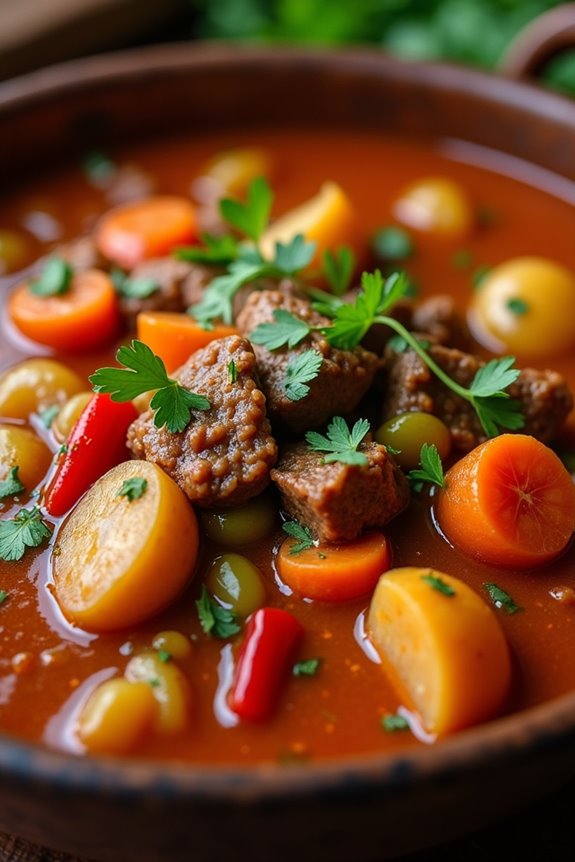
Hungarian Goulash is a hearty and comforting dish that brings the rich flavors of Central Europe into your kitchen. This traditional stew is a perfect blend of tender beef, aromatic spices, and colorful vegetables, making it a satisfying meal for any occasion.
Originating from Hungary, goulash has various regional adaptations, but the classic version remains a favorite for its simplicity and robust taste. The secret to a perfect goulash lies in the quality of the paprika and allowing the dish to simmer slowly to develop deep flavors.
This dish isn’t only delicious but also versatile, as it can be served with crusty bread, noodles, or dumplings. Whether you’re gathering around the table with family or hosting a dinner party, Hungarian Goulash is sure to impress your guests and keep everyone warm during chilly evenings.
Let’s explore this delightful recipe that serves 4-6 people.
Ingredients:
- 2 lbs beef chuck, cut into 1-inch cubes
- 2 tablespoons vegetable oil
- 2 large onions, diced
- 3 cloves garlic, minced
- 2 tablespoons sweet paprika
- 1 teaspoon caraway seeds
- 1 teaspoon salt
- ½ teaspoon black pepper
- 1 tablespoon tomato paste
- 4 cups beef broth
- 2 large carrots, sliced
- 2 medium potatoes, diced
- 1 bell pepper, chopped (red or green)
- 1 bay leaf
- Fresh parsley for garnish (optional)
Cooking Instructions:
- Brown the Beef: In a large pot or Dutch oven, heat the vegetable oil over medium-high heat. Add the beef cubes in batches, ensuring not to overcrowd the pot. Sear the beef until browned on all sides, about 5-7 minutes. This step adds a rich flavor to the meat, which will enhance the overall taste of the goulash.
- Sauté the Onions and Garlic: Once the beef is browned, remove it from the pot and set aside. In the same pot, add the diced onions and sauté for about 5 minutes or until they become translucent. Add the minced garlic and cook for an additional minute, stirring frequently. The sautéed onions and garlic will create a flavorful base for the stew.
- Season the Mixture: Sprinkle in the sweet paprika, caraway seeds, salt, and black pepper. Stir well to coat the onions and garlic with the spices. Cooking the spices for a minute will help release their essential oils, intensifying their flavors.
- Add Tomato Paste and Beef Broth: Stir in the tomato paste until well incorporated, then pour in the beef broth. Scrape the bottom of the pot to deglaze it, releasing any browned bits stuck to the bottom. Return the browned beef to the pot and add the bay leaf. This step combines all the flavors and starts building the stew’s rich base.
- Simmer: Bring the mixture to a boil, then reduce the heat to low. Cover the pot and let it simmer for about 1.5 to 2 hours, stirring occasionally. This slow cooking process will tenderize the beef and meld the flavors together beautifully.
- Add Vegetables: After the goulash has simmered, add the sliced carrots, diced potatoes, and chopped bell pepper. Stir to combine and cover the pot again. Continue to simmer for another 30-45 minutes, or until the vegetables are tender. This step adds color and nutrition to the dish.
- Final Touches: Once the vegetables are cooked through, taste the goulash and adjust seasoning if necessary. Remove the bay leaf before serving. Garnish with fresh parsley for a pop of color and a fresh flavor.
Extra Tips:
For the best flavor, use high-quality Hungarian paprika, as it’s the star of this dish. If you prefer a thicker stew, you can mix a tablespoon of cornstarch with a little cold water and stir it into the goulash during the last few minutes of cooking.
Also, goulash tastes even better the next day, so consider making it ahead of time and letting the flavors develop overnight. Enjoy your Hungarian Goulash with a side of crusty bread or over a bed of egg noodles to soak up the delicious sauce!
Dutch Stamppot

Dutch Stamppot is a beloved traditional dish originating from the Netherlands, known for its comforting and hearty qualities. Combining mashed potatoes with seasonal vegetables, it’s often enjoyed during the colder months as a way to warm up body and spirit.
Varieties of stamppot exist, depending on the vegetables used, but the classic version typically features kale or sauerkraut. The dish is usually served with a juicy sausage or meat, making it a complete and satisfying meal.
Preparing stamppot is an opportunity to connect with Dutch culinary traditions while embracing simple, wholesome ingredients. This dish not only fills the belly but also warms the heart, making it perfect for family gatherings or a cozy dinner at home.
With its creamy texture and robust flavors, Dutch Stamppot is sure to become a favorite in your recipe repertoire.
Ingredients (Serves 4-6)
- 2 lbs potatoes, peeled and chopped
- 1 lb kale (or other vegetables like sauerkraut or carrots), chopped
- 1 large onion, chopped
- 1/2 cup milk
- 4 tablespoons butter
- Salt, to taste
- Pepper, to taste
- 4 Dutch sausages (like rookworst or other smoked sausages)
Cooking Instructions
- Prepare the Potatoes: Begin by peeling and chopping the potatoes into even-sized pieces. This guarantees they cook uniformly. Place the chopped potatoes in a large pot, covering them with cold water. Add a pinch of salt to the water to enhance the flavor of the potatoes as they cook.
- Cook the Potatoes: Bring the pot of potatoes to a boil over medium-high heat. Once boiling, reduce the heat to a simmer and cook for about 15-20 minutes, or until the potatoes are tender and easily pierced with a fork.
- Cook the Kale: While the potatoes are cooking, in a separate pot, add the chopped kale and enough water to cover it. Bring it to a boil and simmer for about 5-10 minutes until the kale is tender. Drain any excess water.
- Sauté the Onion: In a small skillet, melt 2 tablespoons of butter over medium heat. Add the chopped onion and sauté until translucent and slightly caramelized, about 5-7 minutes. This adds a depth of flavor to the dish.
- Combine Ingredients: Once the potatoes are cooked and drained, return them to the pot. Add the sautéed onions, cooked kale, milk, and the remaining butter. Use a potato masher or a hand mixer to mash everything together until smooth and creamy. Season with salt and pepper to taste.
- Cook the Sausages: While you mash the potatoes and kale, prepare the sausages according to the package instructions. If using Dutch sausages, you can heat them in a pot of water or sauté them in a skillet until heated through.
- Serve: Spoon generous portions of the creamy stamppot onto plates and top with the sausages. Feel free to drizzle any rendered fat from the sausages over the dish for added flavor.
Extra Tips
To make your Dutch Stamppot even more special, consider adding other ingredients such as grated cheese or a splash of vinegar for a bit of tang. You can also experiment with different vegetables like carrots or turnips for variation.
For a vegetarian version, simply omit the sausages and serve it with a side of hearty bread. If you have leftovers, stamppot reheats beautifully and can be enjoyed the next day!
Swedish Meatballs

Swedish meatballs are a beloved classic in the domain of European comfort food, combining tender meatballs with a creamy sauce that’s simply irresistible. Originating from Sweden, these delightful morsels are often served with lingonberry sauce and creamy mashed potatoes, making for a hearty and satisfying meal.
The secret to their rich flavor lies in the combination of beef and pork, along with a blend of warm spices and fresh herbs, all coming together to create a comforting dish that warms the soul.
Making Swedish meatballs at home is easier than one might think. With a few simple ingredients and steps, you can serve up a plate of these delicious meatballs that will have everyone coming back for seconds. Whether it’s a family dinner or a cozy gathering with friends, these meatballs are sure to be a hit.
So, roll up your sleeves and get ready to enjoy the warm, welcoming flavors of Sweden right in your kitchen.
Ingredients (serves 4-6 people):
- 1 pound ground beef
- 1 pound ground pork
- 1/2 cup breadcrumbs
- 1/4 cup grated Parmesan cheese
- 1/4 cup chopped fresh parsley
- 1/4 cup finely chopped onion
- 1 large egg
- 1 teaspoon garlic powder
- 1 teaspoon onion powder
- 1/2 teaspoon ground allspice
- 1/2 teaspoon ground nutmeg
- Salt and pepper to taste
- 2 tablespoons butter (for cooking)
- 2 tablespoons all-purpose flour (for thickening)
- 2 cups beef broth
- 1 cup heavy cream
- 1 tablespoon soy sauce (optional)
- Lingonberry sauce (for serving)
Cooking Instructions:
1. Prepare the Meatball Mixture: In a large bowl, combine the ground beef, ground pork, breadcrumbs, Parmesan cheese, parsley, onion, egg, garlic powder, onion powder, allspice, nutmeg, salt, and pepper. Use your hands to mix everything together until well combined.
Be careful not to overmix, as this can make the meatballs tough.
2. Form the Meatballs: Once the mixture is well blended, shape it into small meatballs, about 1 inch in diameter. You should get around 24-30 meatballs. Place them on a parchment-lined baking sheet as you form them.
3. Cook the Meatballs: In a large skillet, melt the butter over medium heat. Once hot, add the meatballs in batches, being careful not to overcrowd the pan. Cook for about 5-7 minutes, turning occasionally, until they’re browned on all sides and cooked through.
Use a meat thermometer to verify they reach an internal temperature of 160°F. Remove cooked meatballs and set aside.
4. Make the Creamy Sauce: In the same skillet, add the flour to the remaining drippings and stir to combine, cooking for about 1 minute to create a roux. Gradually whisk in the beef broth and bring to a simmer, allowing it to thicken.
Then, slowly stir in the heavy cream and soy sauce (if using). Continue to simmer for a few more minutes until the sauce is thick and creamy.
5. Combine Meatballs and Sauce: Gently return the meatballs to the skillet and coat them in the sauce. Let them simmer in the sauce for an additional 5 minutes to absorb the flavors.
6. Serve: Serve the Swedish meatballs hot, garnished with extra parsley if desired, alongside creamy mashed potatoes and a side of lingonberry sauce for a complete meal.
Extra Tips:
When preparing Swedish meatballs, don’t hesitate to customize the flavors to your liking. You can experiment with different herbs or spices, such as thyme or sage, and even adjust the creaminess of the sauce by adding more or less broth.
If you prefer to make these meatballs ahead of time, they can be frozen after cooking and reheated when needed. Just remember to allow the meatballs to come to room temperature before reheating to verify even cooking.
Enjoy your delicious homemade Swedish meatballs!
Portuguese Caldo Verde

Caldo Verde, or “Green Soup,” is a traditional Portuguese comfort food that embodies simplicity and heartiness in every bowl. This dish is typically made with just a handful of ingredients, including potatoes, kale, onions, and olive oil, but it’s the careful balance of these ingredients that makes it truly special.
Originating from the northern region of Portugal, Caldo Verde is a staple dish often enjoyed during family gatherings, festivals, and even on cold winter nights. Its vibrant green color and rich flavor make it a delightful addition to any meal.
The beauty of Caldo Verde lies in its versatility; it can be served as a starter or as a main dish when paired with crusty bread. While the classic version of this soup features Portuguese chorizo, you can easily modify it to suit your dietary preferences.
Whether you like it spicy or mild, this comforting soup is sure to warm you from the inside out, making it the perfect dish to savor during chilly evenings.
Ingredients (Serves 4-6)
- 2 tablespoons olive oil
- 1 large onion, chopped
- 2 garlic cloves, minced
- 4 medium potatoes, peeled and diced
- 6 cups vegetable or chicken broth
- 8 ounces kale, stems removed and leaves chopped
- 1-2 chorizo sausages, sliced (optional)
- Salt and black pepper to taste
- Lemon wedges (for serving)
Cooking Instructions
- Sauté the Aromatics: In a large pot, heat the olive oil over medium heat. Add the chopped onion and minced garlic, sautéing for about 5 minutes or until the onion becomes translucent and fragrant. This step builds the foundation of flavor for the soup.
- Add the Potatoes: Next, add the diced potatoes to the pot, stirring to combine them with the onion and garlic. Allow the potatoes to cook for 2-3 minutes, which helps to enhance their flavor before adding liquid.
- Pour in the Broth: Pour in the vegetable or chicken broth, bringing the mixture to a boil. Once boiling, reduce the heat to low and let it simmer for about 15-20 minutes or until the potatoes are tender. This simmering will allow the potatoes to infuse the broth with their starchy goodness.
- Blend the Soup: Once the potatoes are tender, use an immersion blender to puree the soup until smooth. If you prefer a chunkier texture, you can blend only half of the soup and leave the rest as is. This step is essential for achieving the signature creamy consistency of Caldo Verde.
- Incorporate the Kale: Stir in the chopped kale and return the pot to medium heat. If using chorizo, add the sliced sausage at this point. Allow the soup to simmer for an additional 5-7 minutes or until the kale is tender but still vibrant in color. This adds the characteristic green element of the dish.
- Season and Serve: Taste the soup and season with salt and black pepper according to your preference. Serve hot, garnished with a squeeze of fresh lemon juice for an extra layer of flavor, and enjoy with crusty bread.
Extra Tips
For an authentic touch, consider using Portuguese chorizo, which has a distinct flavor profile that enhances the soup. If you want a vegetarian version, simply omit the sausage and use vegetable broth.
Also, feel free to adjust the amount of kale based on your preference; some may like it heartier, while others may prefer a lighter soup. Finally, Caldo Verde can be made ahead of time, as the flavors deepen and improve after a day in the refrigerator!
Irish Stew
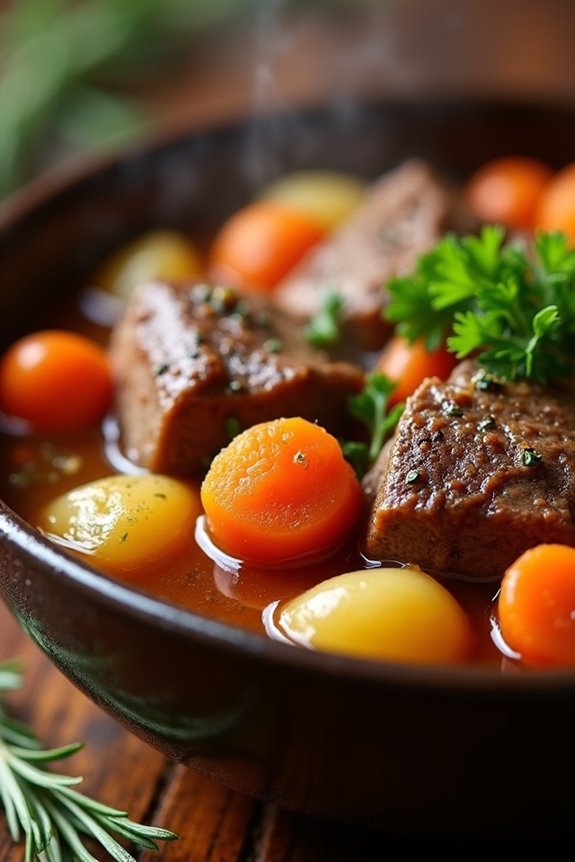
Irish stew is a classic comfort food that warms the heart and soul. It’s traditionally made with succulent lamb or beef, tender vegetables, and aromatic herbs, simmered together to create a hearty and flavorful dish. This beloved meal traces its roots back to the rural Irish communities, where simple ingredients were combined to create a nourishing dish that could feed a family.
With its rich history and homey vibes, Irish stew is perfect for cozy evenings or gatherings with friends and family.
The beauty of Irish stew lies in its simplicity and adaptability. While the traditional recipe typically includes lamb, you can easily substitute it with beef or even chicken to suit your taste. The key to a perfect Irish stew is to allow it to simmer slowly, which helps to develop deep flavors and tenderizes the meat.
Serve it with crusty bread or creamy mashed potatoes for a complete and satisfying meal.
Ingredients (Serves 4-6)
- 2 pounds lamb or beef, cut into 1.5-inch cubes
- 4 cups beef or lamb broth
- 4 medium potatoes, peeled and diced
- 3 large carrots, sliced
- 2 medium onions, chopped
- 3 cloves garlic, minced
- 2 tablespoons tomato paste
- 2 teaspoons dried thyme
- 1 teaspoon dried rosemary
- Salt and pepper to taste
- 2 tablespoons vegetable oil
- Fresh parsley, chopped (for garnish)
Cooking Instructions
- Prepare the Meat: Start by patting the lamb or beef cubes dry with paper towels to guarantee a good sear. Season them generously with salt and pepper. This step enhances the flavor of the meat and helps in creating a nice crust when browned.
- Brown the Meat: In a large pot or Dutch oven, heat the vegetable oil over medium-high heat. Add the meat in batches, taking care not to overcrowd the pot. Brown the meat on all sides, which should take about 5-7 minutes. This caramelization adds depth to the stew’s flavor.
- Sauté the Aromatics: Once the meat is browned, remove it from the pot and set it aside. In the same pot, add chopped onions and garlic. Sauté for about 3-4 minutes until the onions are translucent and fragrant, scraping up any browned bits from the bottom of the pot.
- Build the Base: Stir in the tomato paste, dried thyme, and dried rosemary. Cook for another minute to toast the spices and enhance their flavors. This step will form a flavorful base for the stew.
- Combine Ingredients: Return the browned meat to the pot and add the diced potatoes, sliced carrots, and the broth. Make sure all the ingredients are submerged in the liquid.
- Simmer the Stew: Bring the mixture to a boil, then reduce the heat to low. Cover the pot and let it simmer for 1.5 to 2 hours, or until the meat is tender and the flavors have melded together. Stir occasionally and check the seasoning, adding salt and pepper as needed.
- Serve: Once the stew is ready, ladle it into bowls and garnish with fresh parsley. Serve hot with crusty bread or mashed potatoes for a truly comforting meal.
Extra Tips
For an even richer flavor, consider adding a splash of stout beer or red wine to the stew before simmering. This addition can elevate the taste profile and give the dish an extra layer of complexity.
If you prefer a thicker stew, you can mix a tablespoon of cornstarch with cold water and stir it into the stew in the last 10 minutes of cooking. Be sure to taste and adjust seasoning before serving, as flavors can develop during the cooking process.
Enjoy your cozy Irish stew!
Czech Svíčková

Czech Svíčková, a beloved traditional dish from the Czech Republic, showcases the harmonious blend of flavors that characterize Central European comfort food. Often served during special occasions and family gatherings, this dish features marinated beef, creamy vegetable sauce, and a hint of sweetness, making it a hearty and satisfying meal. The rich sauce is typically served over soft dumplings, making it a perfect choice for those seeking a cozy and delicious dining experience.
To prepare Svíčková, you’ll need to invest some time in marinating the beef and slow-cooking it to tender perfection. The combination of root vegetables, sour cream, and spices creates an aromatic sauce that elevates the beef and transforms the dish into something truly special. While it may seem a bit complex at first glance, with a bit of patience and care, you can master this Czech classic and enjoy its warm, comforting flavors in your own home.
Ingredients (Serves 4-6)
- 2 pounds beef sirloin
- 2 tablespoons olive oil
- 1 large onion, chopped
- 2 carrots, chopped
- 1 parsnip, chopped
- 1 celery root, chopped (or 2 stalks of celery)
- 2 cloves garlic, minced
- 1 bay leaf
- 4 whole cloves
- 1 teaspoon black peppercorns
- 1 teaspoon salt
- 1 cup beef broth
- 1 cup heavy cream
- 2 tablespoons white wine vinegar
- 1 tablespoon sugar
- 1 tablespoon all-purpose flour
- Fresh parsley, for garnish
Cooking Instructions
- Marinate the Beef: Begin by seasoning the beef sirloin with salt and pepper. In a large bowl, combine the chopped onion, carrots, parsnip, celery root, garlic, bay leaf, cloves, and peppercorns. Place the beef in the bowl, cover it with plastic wrap, and let it marinate in the refrigerator for at least 4 hours, preferably overnight. This step enhances the flavor of the meat.
- Sear the Meat: After marinating, remove the beef from the marinade and pat it dry with paper towels. In a large pot, heat the olive oil over medium-high heat. Sear the beef on all sides until it’s nicely browned, which should take about 8-10 minutes. This step locks in the juices and adds depth to the flavor.
- Cook the Vegetables: Once the beef is browned, remove it from the pot and set it aside. In the same pot, add the marinated vegetables and cook for about 5-7 minutes until they’re softened. Stir frequently to prevent burning.
- Create the Sauce: Return the beef to the pot along with the beef broth, ensuring the meat is mostly submerged. Bring the mixture to a boil, then reduce the heat to low, cover, and simmer for about 2-2.5 hours, or until the beef is fork-tender. This slow cooking allows the flavors to meld beautifully.
- Prepare the Creamy Sauce: Once the beef is tender, remove it from the pot and set it aside to rest. Strain the vegetables from the liquid, discarding the bay leaf and cloves. Blend the vegetables with the cooking liquid in a blender until smooth. Return the mixture to the pot, and over low heat, stir in the heavy cream, white wine vinegar, sugar, and flour. Cook for another 5 minutes until the sauce thickens.
- Serve the Dish: Slice the rested beef into thin pieces and arrange on plates. Pour the creamy sauce over the beef and garnish with freshly chopped parsley. Serve with traditional Czech dumplings or bread to soak up the delicious sauce.
Extra Tips
To enhance the flavor of your Svíčková, consider adding a splash of Worcestershire sauce or a pinch of nutmeg to the sauce for an extra depth of flavor. Additionally, using fresh root vegetables will elevate the dish, and don’t hesitate to adjust the level of creaminess to your liking.
For a more authentic experience, serve it with homemade bread dumplings, which are perfect for soaking up the rich sauce. Enjoy your culinary journey into Czech cuisine!
Belgian Carbonnade Flamande
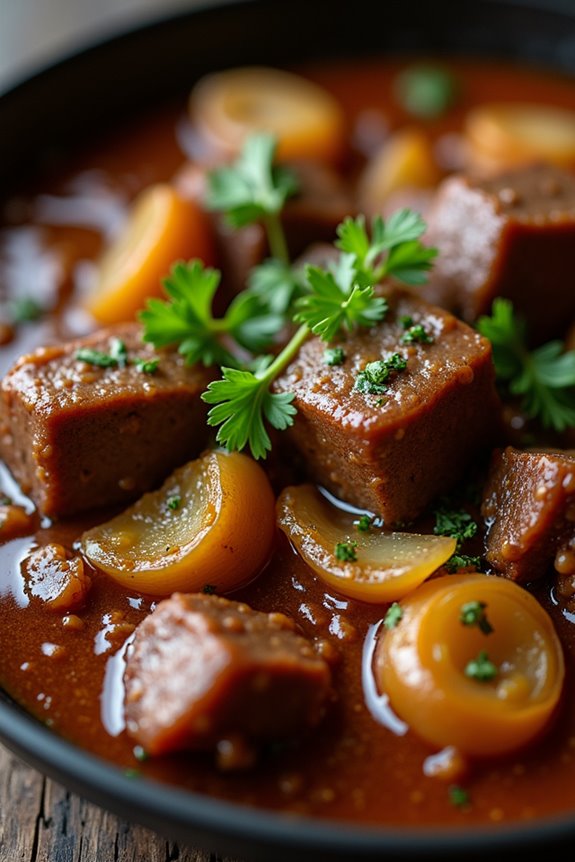
Belgian Carbonnade Flamande, also known as Flemish Beef Stew, is a hearty and comforting dish that embodies the rich flavors and culinary traditions of Belgium. This slow-cooked stew features tender chunks of beef simmered in a luscious sauce made from dark beer, onions, and a hint of brown sugar. The result is a savory and slightly sweet dish that’s perfect for chilly evenings, offering a taste of European coziness that warms the heart and soul.
To prepare this dish, the choice of beer is vital; a good quality Belgian ale or a dark beer adds depth and complexity to the stew. Traditionally served with crusty bread or fries, Carbonnade Flamande is a great way to experience the essence of Belgian comfort food. This recipe serves 4-6 people, making it an ideal option for family dinners or gatherings with friends.
Ingredients:
- 2 lbs beef chuck, cut into 1.5-inch cubes
- 4 medium onions, thinly sliced
- 3 tablespoons olive oil
- 2 tablespoons all-purpose flour
- 1 teaspoon salt
- 1/2 teaspoon black pepper
- 2 cups dark Belgian beer
- 2 tablespoons brown sugar
- 2 tablespoons apple cider vinegar
- 2-3 sprigs of fresh thyme
- 2 bay leaves
- 4 slices of crusty bread (optional for serving)
- Chopped fresh parsley for garnish (optional)
Cooking Instructions:
- Prepare the Beef: Season the beef cubes with salt and black pepper. This step is essential as it will enhance the flavor of the meat during the cooking process.
- Brown the Meat: In a large Dutch oven or heavy pot, heat the olive oil over medium-high heat. Add the beef cubes in batches, ensuring not to overcrowd the pot. Sear the beef on all sides until browned, about 5-7 minutes per batch. After browning, remove the beef and set it aside. This step creates a rich flavor base for the stew.
- Sauté the Onions: In the same pot, add the sliced onions and sauté them over medium heat until they’re soft and golden brown, about 10-15 minutes. Stir frequently to prevent them from burning. The caramelization of the onions adds sweetness to the dish.
- Add Flour: Sprinkle the flour over the onions and stir well to combine. This will help thicken the stew later. Cook for an additional 2-3 minutes, allowing the flour to cook slightly.
- Deglaze the Pot: Slowly pour in the dark beer while scraping up any browned bits from the bottom of the pot. This step adds complexity and depth to the sauce. Bring the mixture to a simmer.
- Combine Ingredients: Return the browned beef to the pot and add the brown sugar, apple cider vinegar, thyme, and bay leaves. Stir everything together, ensuring the beef is well coated in the sauce.
- Simmer: Reduce the heat to low, cover the pot, and let it simmer for 2-3 hours. Stir occasionally to prevent sticking. The long, slow cooking process will tenderize the beef and meld the flavors beautifully.
- Serve: Once the beef is fork-tender, remove the thyme sprigs and bay leaves. Serve the Carbonnade Flamande hot, garnished with chopped parsley if desired, alongside crusty bread or fries for dipping.
Extra Tips:
When making Belgian Carbonnade Flamande, consider using a dark beer that you enjoy drinking, as it will greatly influence the final flavor of the stew.
If you prefer a thicker sauce, you can increase the amount of flour or reduce the liquid by simmering it uncovered for the last 30 minutes of cooking.
Finally, this dish tastes even better the next day, so consider making it in advance and reheating for an even richer flavor experience. Enjoy your cozy culinary journey through Belgium!
