

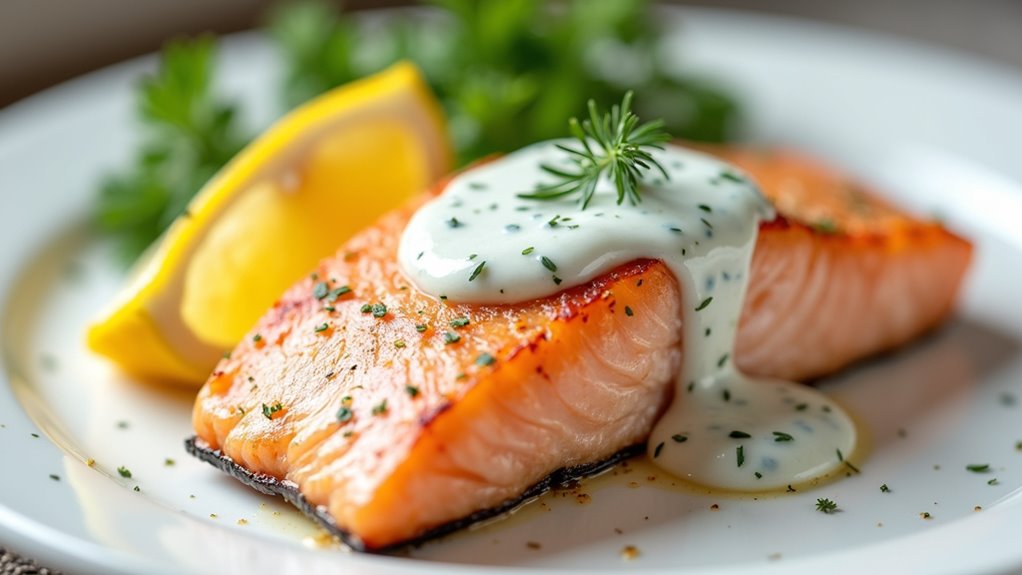
European dinner nights are all about celebrating vibrant flavors and rich traditions. From the creamy indulgence of Italian carbonara to the aromatic allure of Spanish paella, each dish brings a unique story to the table. Gathering with loved ones over these diverse recipes creates unforgettable moments. Let’s explore the special dishes that truly capture the heart of a European dinner night. Prepare to be inspired by a culinary journey across Europe.
Classic Italian Spaghetti Carbonara
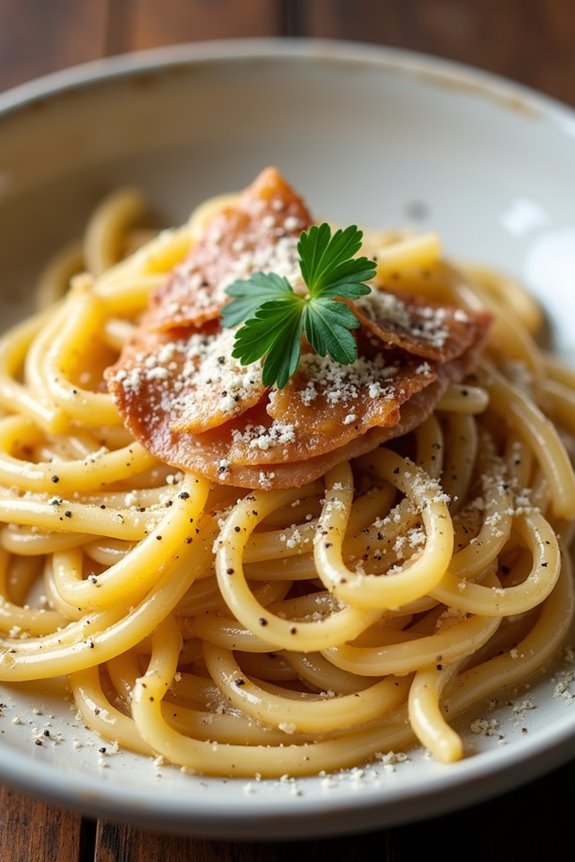
Spaghetti Carbonara is a quintessential Italian dish that showcases the richness of Italian cuisine through its simplicity and flavor. Originating from Rome, this dish combines just a few key ingredients to create a creamy, savory sauce that envelops the pasta beautifully. Traditionally made with guanciale, eggs, pecorino Romano cheese, and black pepper, Carbonara is a comfort food that has captured the hearts of many around the world.
What makes Spaghetti Carbonara stand out is the technique of emulsifying the pasta water with the egg and cheese mixture to achieve a silky texture without the need for cream. This classic dish is perfect for a weeknight dinner or a special occasion, and it’s sure to impress anyone at your table. Follow this recipe to bring the flavors of Italy to your home.
Ingredients (Serves 4-6)
- 400g spaghetti
- 150g guanciale (or pancetta if unavailable), diced
- 4 large eggs
- 100g pecorino Romano cheese, grated (plus extra for serving)
- Freshly cracked black pepper
- Salt (for pasta water)
- Fresh parsley (optional, for garnish)
Cooking Instructions
- Boil the Pasta: Begin by filling a large pot with water and bring it to a boil. Add a generous amount of salt to the boiling water, which will season the pasta as it cooks. Once boiling, add the spaghetti and cook according to package instructions until al dente. Reserve about 1 cup of pasta water before draining.
- Cook the Guanciale: While the pasta cooks, place a large skillet over medium heat. Add the diced guanciale and sauté until it becomes crispy and golden brown, usually about 5-7 minutes. This will render out the fat, which is essential for flavoring the dish.
- Prepare the Egg Mixture: In a mixing bowl, whisk together the eggs, grated pecorino Romano cheese, and a generous amount of freshly cracked black pepper. This mixture will create the creamy sauce for your Carbonara.
- Combine Pasta and Guanciale: Once the spaghetti is al dente and drained (do not rinse), add it directly to the skillet with the crispy guanciale. Toss the pasta in the rendered fat to coat it evenly, allowing the flavors to meld together.
- Emulsify the Sauce: Remove the skillet from the heat and quickly pour the egg and cheese mixture over the hot pasta. Toss vigorously to combine, ensuring that the heat from the pasta cooks the eggs gently, creating a creamy sauce. If the sauce is too thick, add reserved pasta water a little at a time until you reach your desired consistency.
- Serve: Divide the Carbonara into serving bowls, sprinkling additional grated pecorino Romano cheese and freshly cracked black pepper on top. Garnish with freshly chopped parsley, if desired.
Extra Tips
For the best results, make sure to use high-quality ingredients, especially the cheese and guanciale. If guanciale is hard to find, pancetta is an acceptable substitute, although it will slightly alter the flavor.
Be cautious with the heat when mixing the egg and cheese sauce; you want it to be warm enough to cook the eggs but not so hot that it scrambles them. Finally, serve the dish immediately for the best texture and flavor, as Carbonara is best enjoyed fresh!
French Coq Au Vin
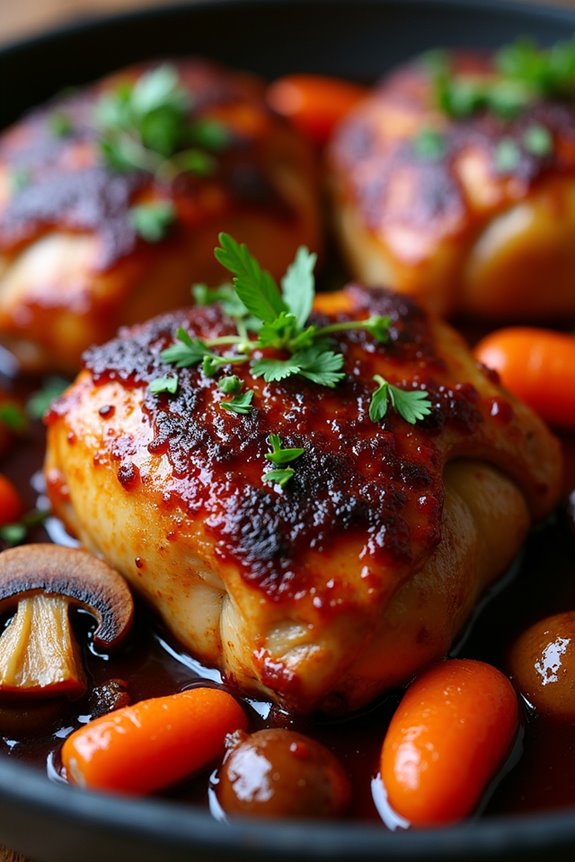
Coq au Vin, a classic French dish, is a rich and hearty preparation that showcases the deep flavors of chicken braised slowly in red wine. Traditionally, this dish was made with rooster, but chicken is often used in modern recipes. The slow cooking process allows the meat to absorb the wine’s flavor, creating a beautifully tender and flavorful dish that’s a true representation of rustic French cuisine.
This recipe is perfect for a cozy dinner gathering, bringing warmth and comfort to the table. The combination of aromatic vegetables, herbs, and a robust red wine creates a sauce that elevates the humble chicken to a gourmet level. Typically served with crusty bread or creamy mashed potatoes, Coq au Vin is a dish that will impress your guests or family, making it an ideal choice for a European dinner.
Let’s explore the delicious world of French cooking and create this timeless classic right in your own kitchen!
Ingredients (Serves 4-6)
- 4-6 chicken thighs (bone-in, skin-on)
- 1 tablespoon olive oil
- 4 ounces bacon or lardons, diced
- 1 large onion, chopped
- 2 carrots, sliced
- 2 cloves garlic, minced
- 2 cups red wine (preferably Burgundy or Pinot Noir)
- 1 cup chicken broth
- 2 tablespoons tomato paste
- 2 bay leaves
- 1 teaspoon dried thyme
- Salt and pepper to taste
- 8 ounces button mushrooms, quartered
- 2 tablespoons unsalted butter
- Fresh parsley, chopped (for garnish)
Cooking Instructions
- Prepare the Chicken: Season the chicken thighs with salt and pepper. Heat olive oil in a large Dutch oven or heavy pot over medium-high heat. Add the chicken, skin side down, and cook until browned, about 5-7 minutes. Flip and brown the other side for another 5 minutes. Remove the chicken and set it aside.
- Cook the Bacon and Vegetables: In the same pot, add the diced bacon or lardons and cook until crispy. Once done, add the chopped onion and sliced carrots to the pot. Sauté until the onions become translucent, around 5 minutes. Stir in the minced garlic and cook for an additional minute until fragrant.
- Deglaze with Wine: Pour the red wine into the pot, scraping up any browned bits from the bottom. This will add depth to your sauce. Bring the mixture to a simmer before adding the chicken back into the pot.
- Add Remaining Ingredients: Stir in the chicken broth, tomato paste, bay leaves, and dried thyme. Confirm the chicken is mostly submerged in the liquid. Bring to a gentle simmer, cover the pot, and reduce the heat to low. Cook for about 1.5 to 2 hours until the chicken is tender.
- Cook the Mushrooms: In a separate skillet, melt the butter over medium heat and add the quartered mushrooms. Sauté until they’re browned and tender, about 5 minutes. Once cooked, add them to the chicken pot during the last 30 minutes of cooking.
- Finish and Serve: Once the chicken is tender, remove the pot from heat. Discard the bay leaves. Taste the sauce and adjust seasoning with salt and pepper if necessary. Serve the Coq au Vin garnished with freshly chopped parsley, alongside crusty bread or mashed potatoes.
Extra Tips
For the best flavor, it’s recommended to marinate the chicken in red wine for a few hours or overnight before cooking. This will enhance the flavors and tenderize the meat.
Additionally, feel free to experiment with different types of mushrooms or add other vegetables such as pearl onions for added flavor and texture. Coq au Vin tastes even better the next day, so consider making it ahead of time for a more developed taste.
Spanish Paella

Spanish Paella is a colorful and aromatic rice dish that hails from the region of Valencia but has become synonymous with Spanish cuisine worldwide. Traditionally cooked in a wide, shallow pan, paella is known for its vibrant flavors and textures, often featuring a medley of seafood, meats, and vegetables. The dish is a feast for the senses, combining the rich taste of saffron-infused rice with the umami of fresh seafood and tender meats, making it a perfect centerpiece for gatherings and celebrations.
Preparing paella is as much about the cooking technique as it’s about the ingredients. The key to a perfect paella lies in achieving the right socarrat, the crispy layer of rice that forms at the bottom of the pan. While there are many variations of paella, this recipe focuses on a classic seafood paella, which beautifully showcases the bounty of the ocean and brings a taste of Spain to your dinner table.
Ingredients (serving size: 4-6 people)
- 2 cups Bomba or Arborio rice
- 1/2 lb shrimp, peeled and deveined
- 1/2 lb mussels, cleaned
- 1/2 lb calamari, sliced into rings
- 1/2 lb chicken thighs, boneless and cut into chunks
- 4 cups chicken or seafood broth
- 1 medium onion, chopped
- 4 cloves garlic, minced
- 1 bell pepper, chopped (red or green)
- 2 medium tomatoes, diced
- 1/2 cup green peas (fresh or frozen)
- 1/4 teaspoon saffron threads
- 1 teaspoon smoked paprika
- Olive oil
- Salt and pepper to taste
- Fresh parsley, chopped (for garnish)
- Lemon wedges (for serving)
Cooking Instructions
- Prepare the Broth: In a saucepan, heat the chicken or seafood broth and add the saffron threads. Allow it to simmer gently, infusing the broth with the saffron flavor. Keep it warm on low heat as you prepare the other ingredients.
- Sauté the Chicken: In a large paella pan or wide skillet, heat a generous splash of olive oil over medium-high heat. Add the chicken thighs, season with salt and pepper, and cook until browned on all sides. This should take about 5-7 minutes. Once browned, remove the chicken from the pan and set aside.
- Cook the Vegetables: In the same pan, add the chopped onion, bell pepper, and minced garlic. Sauté for about 3-4 minutes until the vegetables are softened. Then stir in the diced tomatoes and cook for another 2-3 minutes until the mixture is fragrant and the tomatoes start to break down.
- Add the Rice: Stir in the Bomba or Arborio rice, ensuring each grain is coated with the vegetable mixture. Cook for about 2 minutes, allowing the rice to absorb the flavors.
- Combine with Broth: Pour the warm saffron-infused broth into the pan, followed by the smoked paprika. Stir gently to combine and then add the browned chicken back into the pan. Don’t stir the rice after this point. Bring to a simmer.
- Add Seafood: After about 10 minutes of simmering, arrange the shrimp, mussels, and calamari evenly over the rice. Scatter the peas on top as well. Continue to cook without stirring for another 10-15 minutes, or until the rice is cooked and has absorbed the liquid.
- Create the Socarrat: Once the liquid is absorbed, increase the heat to medium-high for 1-2 minutes to create the socarrat at the bottom of the pan. You should hear a light crackling sound. Be careful not to burn it.
- Rest and Serve: Remove the pan from heat and cover it with a clean kitchen towel. Let it rest for about 5-10 minutes. Garnish with fresh parsley and serve with lemon wedges on the side.
Extra Tips
To enhance the flavors in your Spanish Paella, use high-quality, fresh ingredients, particularly for the seafood. If you can find it, make your own seafood broth from fish bones or shells, which will add depth to the dish.
Experiment with different seafood combinations or add chorizo for a meaty twist. Remember that paella is about sharing, so feel free to serve it directly from the pan to your guests for an authentic dining experience!
German Sauerbraten
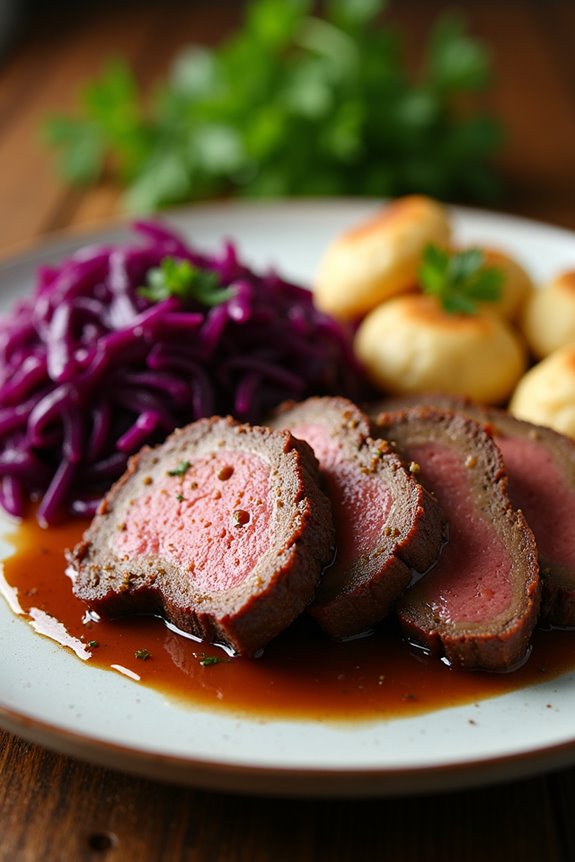
German Sauerbraten, often referred to as pot roast, is a classic dish that embodies the rich culinary traditions of Germany. This dish is known for its tender meat and tangy, flavorful gravy, which comes from marinating the beef in a mixture of vinegar, water, and spices for several days. The slow-cooking process allows the flavors to meld beautifully, resulting in a hearty meal that pairs wonderfully with potatoes, red cabbage, or dumplings. Sauerbraten is a dish that not only satisfies the palate but also warms the heart, making it a perfect choice for family gatherings or special occasions.
The origins of Sauerbraten date back centuries, with variations found across different regions of Germany. Each region may have its own spices or ingredients, but the essence remains the same: a tender, marinated roast that showcases the balance of acidity and savory flavors. This recipe will guide you through the process of creating an authentic German Sauerbraten for a serving size of 4-6 people, guaranteeing a delightful dining experience that transports you straight to the heart of Germany.
Ingredients:
- 2 to 3 pounds of beef roast (chuck or round)
- 1 cup red wine vinegar
- 1 cup water
- 1 onion, sliced
- 2 carrots, chopped
- 2 cloves garlic, minced
- 2 bay leaves
- 6 whole cloves
- 6 whole peppercorns
- 1 tablespoon sugar
- Salt to taste
- 2 tablespoons vegetable oil
- 2 cups beef broth
- 2 tablespoons cornstarch (optional, for thickening)
Cooking Instructions:
- Marinate the Beef: In a large bowl, combine the red wine vinegar, water, sliced onion, chopped carrots, minced garlic, bay leaves, cloves, peppercorns, sugar, and salt. Place the beef roast in the marinade, making sure it’s fully submerged. Cover and refrigerate for at least 3 days, turning the meat occasionally to maintain even marination.
- Prepare the Roast: After marinating, remove the beef from the marinade and pat it dry with paper towels. Reserve the marinade for later use. Season the beef with salt.
- Sear the Meat: In a large Dutch oven or heavy pot, heat the vegetable oil over medium-high heat. Once hot, add the beef roast and sear it on all sides until browned, approximately 4-5 minutes per side. This step creates a flavorful crust.
- Add Vegetables and Marinade: Once the beef is browned, remove it from the pot and set it aside. Add the reserved marinade, along with the sliced onions, carrots, and any remaining spices from the marinade, to the pot. Stir well to combine.
- Braise the Roast: Return the beef to the pot and add the beef broth. Bring the mixture to a boil, then reduce the heat to low. Cover the pot and let it simmer gently for about 2.5 to 3 hours, or until the meat is fork-tender.
- Thicken the Gravy (Optional): If you prefer a thicker gravy, remove the beef from the pot once cooked and cover it to keep warm. In a small bowl, mix cornstarch with a little cold water to create a slurry. Gradually stir this mixture into the pot and cook over medium heat until the gravy thickens to your desired consistency.
- Serve: Slice the beef against the grain and serve it with the gravy poured over the top. Accompany with traditional sides such as dumplings, red cabbage, or mashed potatoes.
Extra Tips: To achieve the best flavor, it’s important to allow the beef to marinate for the full 3 days, as this tenderizes the meat and infuses it with the tangy vinegar flavor. If you’re short on time, try to marinate for at least 24 hours, but the longer, the better.
Consider adding a touch of ginger or a few juniper berries for an additional flavor dimension. When serving, garnish with fresh parsley for a pop of color and freshness. Enjoy your homemade Sauerbraten with a glass of robust red wine for a truly authentic experience!
Greek Moussaka
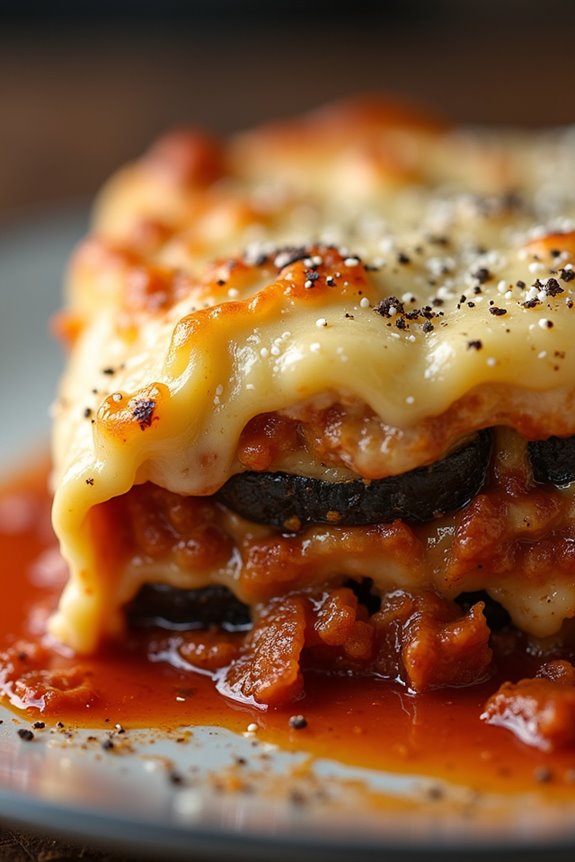
Greek Moussaka is a classic Mediterranean dish that embodies the rich flavors and traditions of Greek cuisine. This layered casserole features tender eggplant, seasoned ground meat, and a creamy béchamel sauce, all baked to perfection. It’s a hearty meal that can serve as a main course and is perfect for family gatherings or special occasions.
The combination of spices and textures makes Moussaka a beloved dish that showcases the culinary heritage of Greece. To prepare a delicious Greek Moussaka, you’ll need to dedicate some time to layering the ingredients and allowing the flavors to meld together. While it may seem a bit labor-intensive, the end result is a comforting and satisfying dish that’s sure to impress your guests.
Follow this recipe to create an authentic Moussaka that captures the essence of Greek cuisine. This recipe serves 4-6 people.
Ingredients:
- 2 large eggplants, sliced into 1/2-inch rounds
- 1 pound ground beef or lamb
- 1 large onion, chopped
- 2 cloves garlic, minced
- 1 can (14 oz) crushed tomatoes
- 2 tablespoons tomato paste
- 1 teaspoon dried oregano
- 1 teaspoon ground cinnamon
- 1/2 teaspoon salt
- 1/4 teaspoon black pepper
- 1 cup grated Parmesan cheese
- 3 cups milk
- 1/2 cup unsalted butter
- 1/2 cup all-purpose flour
- 2 large eggs, beaten
- Olive oil for frying
Cooking Instructions:
1. Prepare the Eggplant: Begin by sprinkling the sliced eggplant with salt and letting it sit for about 30 minutes. This process helps to draw out excess moisture and bitterness from the eggplant.
After 30 minutes, rinse the slices under cold water and pat them dry with paper towels.
2. Cook the Eggplant: Heat a generous amount of olive oil in a large skillet over medium heat. Fry the eggplant slices in batches until they’re golden brown on both sides, about 3-4 minutes per side.
Place the cooked eggplant on paper towels to absorb any excess oil and set aside.
3. Prepare the Meat Sauce: In the same skillet, add a bit more olive oil if necessary and sauté the chopped onion until it becomes translucent, about 5 minutes.
Add the minced garlic and cook for an additional minute. Then, add the ground meat and cook until browned. Stir in the crushed tomatoes, tomato paste, oregano, cinnamon, salt, and pepper.
Simmer for about 15-20 minutes, allowing the sauce to thicken.
4. Make the Béchamel Sauce: In a saucepan, melt the butter over medium heat. Once melted, whisk in the flour and cook for about 1-2 minutes until it forms a roux.
Gradually whisk in the milk, stirring constantly until the mixture thickens and is smooth. Remove from heat and let it cool slightly. Then whisk in the beaten eggs and half of the grated Parmesan cheese.
5. Assemble the Moussaka: Preheat your oven to 350°F (175°C). In a greased baking dish, layer half of the eggplant slices on the bottom.
Spread the meat sauce evenly over the eggplant, followed by the remaining eggplant slices. Finally, pour the béchamel sauce over the top, smoothing it out with a spatula. Sprinkle the remaining Parmesan cheese on top.
6. Bake: Place the assembled Moussaka in the preheated oven and bake for 45-60 minutes, or until the top is golden brown and bubbly.
Allow it to cool for about 15-20 minutes before slicing and serving.
Extra Tips:
When making Moussaka, consider using a mix of ground meats for a more complex flavor, such as beef and lamb combined.
Additionally, letting the dish rest after baking is essential, as it helps the layers set and makes serving easier. For a vegetarian variation, you can substitute the meat with lentils or mushrooms.
Don’t forget to serve your Moussaka with a side of Greek salad for an invigorating contrast!
British Beef Wellington

Beef Wellington is a classic British dish that embodies elegance and flavor, making it perfect for special occasions or family gatherings. This dish features a succulent beef tenderloin coated in a rich mushroom duxelles, wrapped in puff pastry, and baked to golden perfection. The combination of textures and flavors creates a mouthwatering experience that’s certain to impress your guests and leave them craving more.
The origins of Beef Wellington are somewhat disputed, but it’s commonly believed to be named after the Duke of Wellington, who defeated Napoleon at the Battle of Waterloo. Regardless of its history, this dish has become a staple in British cuisine. When prepared with care, Beef Wellington isn’t only a feast for the eyes but also a delight for the palate, making it a must-try for anyone looking to elevate their culinary repertoire.
Ingredients (Serves 4-6)
- 2 pounds beef tenderloin, trimmed
- Salt and black pepper, to taste
- 2 tablespoons olive oil
- 8 ounces cremini or button mushrooms, finely chopped
- 2 tablespoons Dijon mustard
- 8 slices of prosciutto
- 1 sheet of puff pastry (thawed if frozen)
- 1 egg, beaten (for egg wash)
- Fresh thyme leaves, for garnish
Cooking Instructions
- Prepare the Beef: Season the beef tenderloin generously with salt and black pepper. In a large skillet, heat olive oil over medium-high heat. Sear the beef on all sides until browned (about 2-3 minutes per side). Remove from the skillet and let it cool. Once cool, spread Dijon mustard evenly over the top of the beef.
- Make the Mushroom Duxelles: In the same skillet, add the finely chopped mushrooms and cook over medium heat until all the moisture has evaporated and the mushrooms are golden brown, about 10-15 minutes. Season with salt and pepper. Once done, remove from heat and let it cool.
- Assemble the Wellington: Lay out the prosciutto slices on a sheet of plastic wrap, slightly overlapping. Spread the cooled mushroom duxelles on top of the prosciutto. Place the seared beef on top and carefully roll it up tightly using the plastic wrap. Chill in the refrigerator for about 15-20 minutes to firm up.
- Wrap with Puff Pastry: Preheat your oven to 400°F (200°C). On a floured surface, roll out the puff pastry into a rectangle large enough to cover the beef. Remove the beef from the plastic wrap and place it in the center of the pastry. Fold the pastry over the beef, sealing the edges by pinching them together. Trim any excess pastry, and use a fork to crimp the edges.
- Bake: Place the wrapped beef seam-side down on a baking sheet lined with parchment paper. Brush the pastry with the beaten egg for a golden finish. Make a few small slits on top of the pastry to allow steam to escape. Bake in the preheated oven for 25-30 minutes, or until the pastry is golden brown and the beef reaches your desired doneness (130°F for medium-rare).
- Rest and Serve: Once baked, remove from the oven and let the Beef Wellington rest for 10 minutes before slicing. Serve with fresh thyme leaves for garnish and your choice of sides.
Extra Tips
When making Beef Wellington, it’s important to ascertain that the beef is well-seared to lock in juices and flavors, but be careful not to overcook it during the wrapping and baking process. Using a meat thermometer can help you achieve the perfect doneness.
Additionally, make sure your puff pastry is cold when wrapping the beef, as this will help it bake up flaky and crispy. For added flavor, consider incorporating herbs like rosemary or garlic into the mushroom duxelles. Enjoy your culinary adventure!
Dutch Stamppot

Dutch Stamppot is a beloved traditional dish from the Netherlands, known for its comforting and hearty nature. This dish typically consists of mashed potatoes combined with various vegetables, often served with a side of smoked sausage or bacon.
The beauty of Stamppot lies in its versatility; you can choose different vegetables to mix with the potatoes, making it adaptable to seasonal produce. The result is a delightful, creamy mash that brings warmth and satisfaction, making it perfect for cold evenings.
Creating a delicious Stamppot at home not only allows you to enjoy a taste of Dutch cuisine but also provides a fulfilling meal that can be easily prepared. Whether you stick to the classic combination of potatoes and kale or experiment with other ingredients like carrots or sauerkraut, this dish is sure to become a family favorite.
Pair it with a flavorful sausage, and you have a complete and nourishing meal that’s both simple and satisfying.
Ingredients (Serves 4-6)
- 2 pounds potatoes (such as Yukon Gold or Russet), peeled and cubed
- 1 pound kale or other leafy greens (such as cabbage or spinach), chopped
- 1 large onion, diced
- 4 tablespoons butter
- 1/2 cup milk
- Salt and pepper, to taste
- 4 smoked sausages (like rookworst) or cooked bacon, for serving
Cooking Instructions
- Prepare the Potatoes: Start by peeling and cubing the potatoes into evenly sized pieces for consistent cooking. Place them in a large pot and cover with water. Add a pinch of salt to the water for flavor. Bring the pot to a boil over medium-high heat and cook the potatoes until they’re fork-tender, about 15-20 minutes.
- Cook the Greens: While the potatoes are boiling, wash and chop the kale or your choice of greens. In a separate pot, bring a small amount of salted water to a boil. Add the chopped greens and cook for about 5-7 minutes until tender. Drain and set aside.
- Sauté the Onions: In a skillet, melt 2 tablespoons of butter over medium heat. Add the diced onion and sauté until the onions are soft and translucent, about 5 minutes. This step will enhance the flavor of the dish.
- Mash the Potatoes: Once the potatoes are cooked, drain them and return them to the pot. Add the sautéed onions, remaining butter, and milk to the potatoes. Mash everything together until you achieve a creamy consistency. If you prefer a smoother texture, you can use a potato ricer or a hand mixer.
- Combine Greens and Potatoes: Gently fold the cooked greens into the mashed potatoes. Season the mixture with salt and pepper to taste. Stir until the greens are evenly distributed throughout the mash.
- Serve: To serve, scoop generous portions of the Stamppot onto plates. Top each serving with a smoked sausage or crispy bacon. You can also drizzle some extra melted butter over the top for added richness if desired.
Extra Tips
For a unique twist, consider adding other root vegetables like carrots or parsnips to the mash for additional flavor and nutrition.
You can also experiment with different types of greens, such as chard or collard greens, to suit your taste preferences. Leftover Stamppot can be refrigerated and reheated easily, making it a great option for meal prep.
Enjoy your Dutch Stamppot with a side of mustard for an authentic experience!
Hungarian Goulash
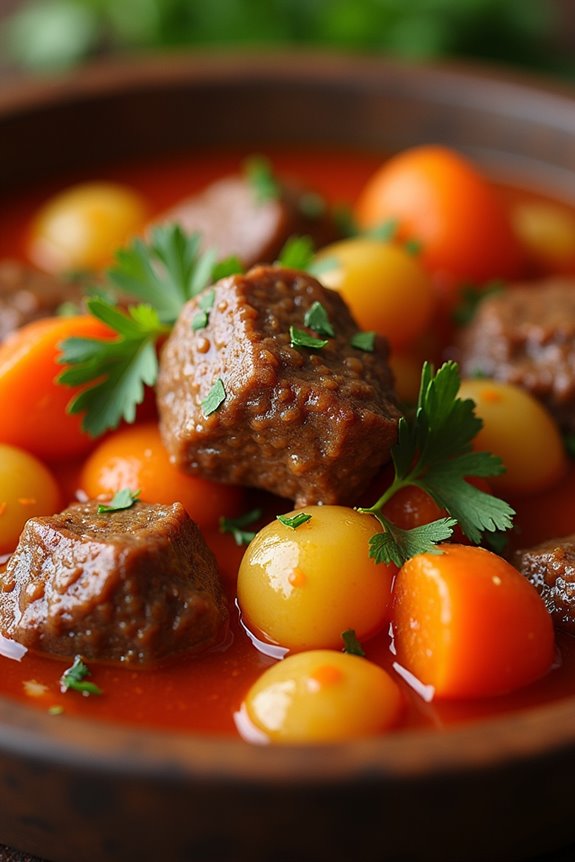
Hungarian Goulash is a hearty and flavorful stew that has its roots in the rich culinary traditions of Hungary. This dish is known for its deep, savory flavors, thanks to the combination of tender meat, aromatic spices, and colorful vegetables. Traditionally, goulash features beef or pork, simmered slowly to create a comforting meal that warms the soul.
The aromatic blend of paprika, caraway seeds, and fresh vegetables makes this dish a favorite for family dinners or gatherings with friends. This versatile stew can be served alone or accompanied by crusty bread, egg noodles, or even dumplings. Each family may have their own variation of goulash, but the fundamental components remain the same.
By following this recipe, you’ll be able to create a delicious Hungarian Goulash that’s sure to impress your guests and satisfy your appetite.
Ingredients (Serves 4-6)
- 2 lbs beef chuck, cut into 1-inch cubes
- 2 tablespoons vegetable oil
- 2 medium onions, finely chopped
- 3 cloves garlic, minced
- 2 tablespoons sweet paprika
- 1 teaspoon caraway seeds
- 1 teaspoon salt
- 1/2 teaspoon black pepper
- 1 can (14 oz) diced tomatoes
- 4 cups beef broth
- 2 medium carrots, sliced
- 2 medium potatoes, diced
- 1 bell pepper (red or green), chopped
- 1 tablespoon fresh parsley, chopped (for garnish)
Cooking Instructions
- Brown the Meat: In a large Dutch oven or heavy pot, heat the vegetable oil over medium-high heat. Add the beef cubes in batches, ensuring not to overcrowd the pot, and brown them on all sides. This step is vital as it develops flavor through the Maillard reaction. Once browned, remove the meat and set it aside.
- Sauté the Onions and Garlic: In the same pot, add the chopped onions and sauté until they become translucent, about 5-7 minutes. Add the minced garlic, stirring for an additional minute until fragrant. This builds a flavorful base for the goulash.
- Add Spices: Stir in the sweet paprika, caraway seeds, salt, and black pepper. Cook for about 1 minute, allowing the spices to bloom and release their aromas. This step is significant as it enhances the flavor profile of the dish.
- Combine Ingredients: Return the browned beef to the pot and add the diced tomatoes with their juices and the beef broth. Bring the mixture to a simmer, scraping up any browned bits from the bottom of the pot for added flavor.
- Simmer: Reduce the heat to low, cover the pot, and let the goulash simmer for about 1.5 to 2 hours. Stir occasionally, and check for tenderness in the meat. The longer it simmers, the more flavors will develop, and the meat will become tender.
- Add Vegetables: After the meat has become tender, add the sliced carrots, diced potatoes, and chopped bell pepper to the pot. Stir well and continue to simmer for an additional 30-45 minutes, until the vegetables are cooked through and tender.
- Serve: Once the goulash is cooked, taste and adjust seasoning if necessary. Serve hot, garnished with fresh chopped parsley. Pair it with crusty bread or egg noodles for a delightful meal.
Extra Tips
When making Hungarian Goulash, using high-quality paprika is vital, as it’s the star ingredient that gives the dish its signature flavor and color. Consider using a mix of sweet and smoked paprika for added depth.
Additionally, if time allows, allowing the goulash to sit for a few hours or even overnight in the refrigerator will enhance the flavors even more. Reheat gently before serving. Enjoy your hearty Hungarian Goulash!
Portuguese Bacalhau À Brás
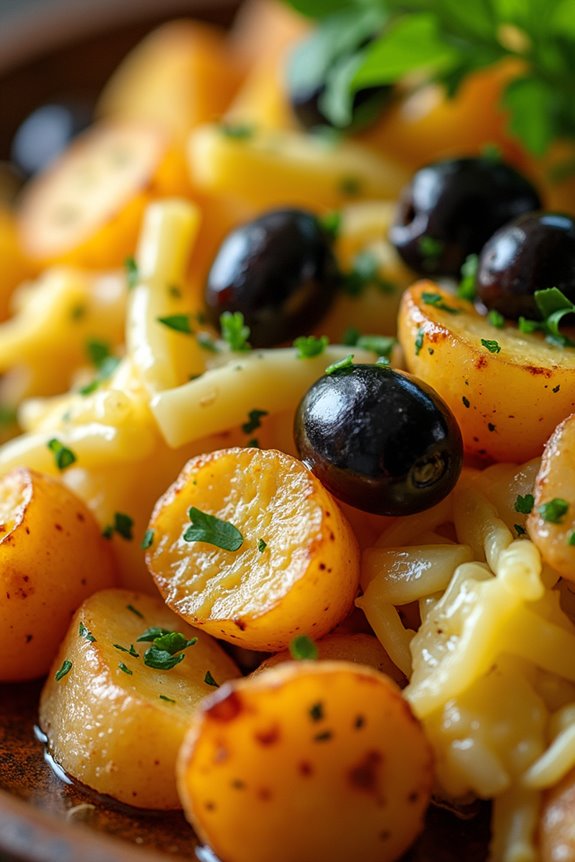
Bacalhau À Brás is a traditional Portuguese dish that showcases the beloved salted cod, a staple in Portuguese cuisine. This dish is particularly known for its comforting and hearty flavor profile, combining shredded cod with finely chopped onions and crispy fried potatoes, all bound together with a creamy, egg-based mixture.
Often garnished with black olives and fresh parsley, Bacalhau À Brás is a dish that reflects the rich culinary heritage of Portugal, making it perfect for family gatherings or special occasions.
The preparation of Bacalhau À Brás involves a few vital steps, including the soaking of the salted cod to remove excess salt, which is essential for achieving the right flavor balance. The dish celebrates the versatility of cod, with each component complementing the others to create a delightful experience.
With its combination of textures and flavors, Bacalhau À Brás is sure to impress both family and friends alike.
Ingredients (Serves 4-6 people):
- 500g salted cod (bacalhau), soaked for 24-48 hours
- 4 medium-sized potatoes, peeled and cut into matchsticks
- 1 large onion, finely chopped
- 4 large eggs
- 100ml olive oil
- 2 cloves garlic, minced
- Black olives, for garnish
- Fresh parsley, chopped, for garnish
- Salt and pepper, to taste
Cooking Instructions:
- Prepare the Salted Cod: Begin by soaking the salted cod in water for 24 to 48 hours, changing the water every 8 hours. This process will help remove the excess salt. After soaking, boil the cod for about 10-15 minutes until it’s cooked through. Once cooked, drain, let it cool, and then shred the fish into small pieces, removing any skin and bones.
- Fry the Potatoes: Heat a generous amount of olive oil in a frying pan over medium heat. Add the matchstick potatoes and fry them until they’re golden and crispy, about 8-10 minutes. Once done, remove the potatoes from the pan and place them on a plate lined with paper towels to absorb excess oil.
- Sauté the Onions and Garlic: In the same frying pan, add a little more olive oil if needed and sauté the chopped onions over medium heat until they’re translucent, about 5 minutes. Add the minced garlic and cook for an additional minute until fragrant. Be careful not to let the garlic burn.
- Combine Ingredients: Once the onions and garlic are ready, add the shredded cod to the pan and stir well to combine. Then, gently fold in the fried potatoes, mixing everything together. Season with salt and pepper to taste, keeping in mind that the cod may still have some saltiness.
- Add the Eggs: In a separate bowl, beat the eggs until well combined. Pour the beaten eggs over the cod and potato mixture in the pan. Stir continuously over low heat until the eggs are softly scrambled and just set, about 2-3 minutes. The goal is for the eggs to coat the ingredients without becoming too dry.
- Garnish and Serve: Once the dish is ready, transfer it to a serving platter and garnish with black olives and freshly chopped parsley. Serve immediately while warm.
Extra Tips:
When making Bacalhau À Brás, it’s important to balance the flavors of the dish. Always taste the mixture before adding extra salt, as the cod can be quite salty even after soaking.
Additionally, for an extra layer of flavor, consider adding a splash of vinegar or a pinch of paprika when mixing in the eggs. This dish is best enjoyed fresh, but leftovers can be refrigerated and reheated gently on the stove.
Swedish Meatballs
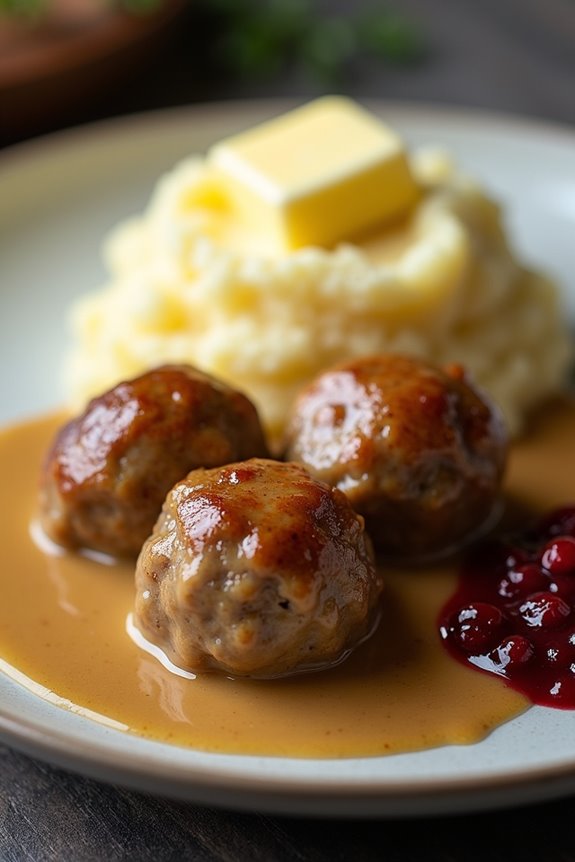
Swedish meatballs are a beloved dish that combines tender, flavorful meatballs with a rich and creamy gravy. This dish has its roots in Sweden and is often served with lingonberry sauce and creamy mashed potatoes or buttered noodles. The unique combination of spices and the careful technique of mixing the meat with breadcrumbs and milk results in meatballs that are incredibly moist and flavorful.
Whether served as a main course or as a delightful appetizer, Swedish meatballs are sure to be a hit at your dinner table.
Making Swedish meatballs is a straightforward process that involves preparing the meat mixture, forming the meatballs, and then cooking them to perfection. Once cooked, they’re typically smothered in a savory gravy that complements their rich flavors. This recipe is perfect for serving 4-6 people, making it an excellent choice for family gatherings or cozy dinners with friends.
Let’s explore the ingredients and cooking instructions for this classic dish.
Ingredients:
- 1 pound ground beef
- 1 pound ground pork
- 1/2 cup breadcrumbs
- 1/4 cup milk
- 1/4 cup finely chopped onion
- 1 large egg
- 1 teaspoon salt
- 1/2 teaspoon black pepper
- 1/2 teaspoon ground allspice
- 1/2 teaspoon ground nutmeg
- 3 tablespoons butter (for frying)
- 2 cups beef broth
- 1 cup heavy cream
- 2 tablespoons soy sauce
- 2 tablespoons flour (optional, for thickening)
Cooking Instructions:
1. Prepare the Meat Mixture: In a large mixing bowl, combine the ground beef and ground pork. Add the breadcrumbs, milk, chopped onion, egg, salt, black pepper, allspice, and nutmeg. Mix the ingredients thoroughly using your hands or a spoon until evenly combined. Be careful not to overmix, as this can make the meatballs tough.
2. Form the Meatballs: With your hands, scoop out about 1 to 1.5 tablespoons of the meat mixture and roll it into a ball. Place the formed meatballs on a baking sheet or plate. Continue this process until all the mixture is shaped into meatballs, usually yielding around 24-30 meatballs.
3. Cook the Meatballs: In a large skillet, heat the butter over medium heat. Once melted, add the meatballs to the skillet, making sure they aren’t overcrowded. Brown the meatballs on all sides, which should take about 5-7 minutes. You may need to do this in batches to guarantee even cooking.
Once browned, remove the meatballs from the skillet and set them aside on a plate.
4. Make the Gravy: In the same skillet, using the drippings from the meatballs, add the beef broth and bring it to a simmer. In a separate bowl, whisk together the heavy cream and soy sauce. Gradually pour this mixture into the skillet, stirring to combine. If you want a thicker gravy, whisk in the flour at this stage until smooth.
5. Combine Meatballs and Gravy: Return the browned meatballs to the skillet, gently stirring them into the gravy. Let the mixture simmer for about 10-15 minutes, allowing the meatballs to cook through and absorb the flavors of the sauce.
6. Serve and Enjoy: Once the meatballs are cooked and the gravy is thickened to your desired consistency, serve them hot. They pair beautifully with mashed potatoes or buttered noodles, and a side of lingonberry sauce adds an authentic touch.
Extra Tips:
To elevate the flavor of your Swedish meatballs, consider adding finely chopped fresh herbs such as parsley or dill to the meat mixture. Additionally, for a touch of sweetness, you can include a small amount of grated fresh ginger or a pinch of sugar in the gravy.
Remember to taste and adjust the seasoning as needed throughout the cooking process. If you have any leftovers, these meatballs reheat beautifully and make for a delicious meal the next day!
Czech Svíčková
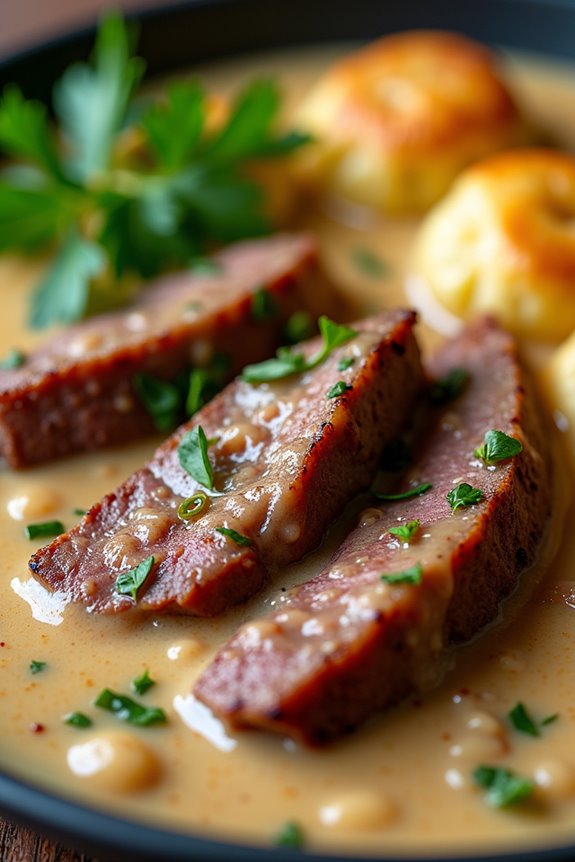
Czech Svíčková, often simply referred to as Svíčková, is a traditional Czech dish that features marinated beef served with a creamy vegetable sauce. This comforting meal is a staple in Czech households and is typically accompanied by a side of bread dumplings, which help to soak up the luscious sauce.
The dish combines rich flavors from the tender beef and a medley of vegetables, making it a delightful centerpiece for any dinner gathering. Preparing Svíčková requires some patience, but the results are well worth the effort. The marinating process helps to tenderize the meat while infusing it with aromatic spices, while the sauce is a blend of root vegetables and cream that complements the beef beautifully.
This dish isn’t only a celebration of Czech culinary traditions but also a perfect way to impress your family and friends with a hearty and flavorful meal.
Ingredients (Serves 4-6):
- 2 lbs beef sirloin or brisket
- 2 tablespoons olive oil
- 1 large onion, chopped
- 2 carrots, diced
- 1 parsnip, diced
- 1 bell pepper, diced
- 2 cloves garlic, minced
- 2 bay leaves
- 5-6 whole peppercorns
- 1 teaspoon dried thyme
- Salt and pepper, to taste
- 1 cup beef broth
- 1 cup heavy cream
- 2 tablespoons vinegar (white or apple cider)
- 2 tablespoons sugar
- Fresh parsley, for garnish
- Bread dumplings, for serving (optional)
Cooking Instructions:
- Marinate the Beef: Begin by seasoning the beef with salt and pepper. In a bowl, combine the beef with vinegar, bay leaves, peppercorns, and thyme. Cover and refrigerate for at least 4 hours or overnight. This step helps to tenderize the meat and adds flavor.
- Sear the Beef: In a large pot or Dutch oven, heat the olive oil over medium-high heat. Remove the beef from the marinade and pat it dry with paper towels. Sear the beef on all sides until browned, approximately 4-5 minutes per side. This caramelization adds depth to the final dish.
- Sauté the Vegetables: Once the beef is browned, remove it from the pot and set it aside. In the same pot, add the chopped onion, carrots, parsnip, and bell pepper. Sauté the vegetables for about 5-7 minutes, until they’re tender and the onion is translucent. Add the minced garlic and cook for another minute.
- Add Broth and Simmer: Return the beef to the pot and pour in the beef broth. Bring the mixture to a gentle simmer, then cover the pot and let it cook on low heat for about 2-2.5 hours, or until the beef is fork-tender. Turn the beef occasionally for even cooking.
- Prepare the Sauce: Once the beef is cooked, remove it from the pot and let it rest for a few minutes. Strain the vegetable mixture through a sieve, pressing down to extract all juices. Discard the solids. In a separate saucepan, heat the strained liquid and stir in the cream, sugar, and additional salt and pepper to taste. Bring it to a gentle simmer.
- Serve the Dish: Slice the beef against the grain and arrange it on a serving platter. Pour the creamy vegetable sauce over the beef. Garnish with freshly chopped parsley. Serve with bread dumplings for a traditional Czech experience.
Extra Tips: When marinating the beef, the longer you can let it sit, the more flavorful it will become. If you have time, try to marinate it overnight for optimum tenderness and flavor infusion.
Additionally, feel free to adjust the consistency of the sauce by adding more cream or broth based on your preference. Finally, remember that Svíčková is even better the next day, as the flavors meld together beautifully, making it a great make-ahead option for gatherings.
Belgian Carbonnade Flamande
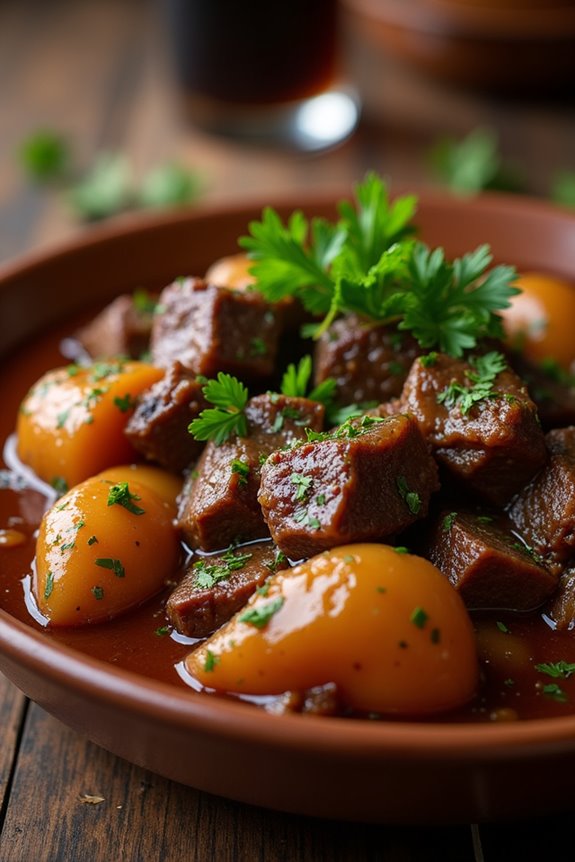
Belgian Carbonnade Flamande, also known as Flemish beef stew, is a hearty and comforting dish that showcases the rich flavors of Belgium. This traditional recipe features tender chunks of beef slowly braised in a rich sauce made from dark beer, onions, and mustard, creating a savory and slightly sweet flavor profile.
Often served with fries or crusty bread, this dish is perfect for cozy family dinners or gatherings with friends. The key to a successful Carbonnade Flamande lies in the slow cooking process, which allows the flavors to meld beautifully and the meat to become incredibly tender.
Pairing the stew with a robust Belgian ale not only enhances the dish but also adds an authentic touch to your culinary experience. Prepare to indulge in this classic Belgian dish that will warm your heart and satisfy your taste buds.
Ingredients (Serves 4-6):
- 2 lbs beef chuck, cut into 1.5-inch cubes
- 4 medium onions, sliced
- 3 tablespoons olive oil
- 3 tablespoons all-purpose flour
- 2 cups dark Belgian beer (such as a Dubbel or a Quadrupel)
- 2 tablespoons brown sugar
- 2 tablespoons Dijon mustard
- 2 tablespoons red wine vinegar
- 2 cloves garlic, minced
- 2 bay leaves
- 1 teaspoon thyme
- Salt and pepper, to taste
- Fresh parsley, for garnish (optional)
Cooking Instructions:
- Preheat the Oven: Begin by preheating your oven to 325°F (165°C). This will guarantee that your stew cooks evenly and slowly, allowing the flavors to develop fully.
- Brown the Beef: In a large Dutch oven or heavy pot, heat the olive oil over medium-high heat. Season the beef cubes with salt and pepper, then add them to the pot in batches, making sure not to overcrowd. Brown the beef on all sides, which should take about 4-5 minutes per batch. Once browned, remove the beef and set it aside.
- Sauté the Onions: In the same pot, add the sliced onions and cook them over medium heat until they’re soft and translucent, about 10-12 minutes. Stir frequently to prevent burning and guarantee even cooking.
- Add Garlic and Flour: Once the onions are ready, add the minced garlic and cook for another minute. Then, sprinkle the flour over the onions and stir well to combine. This will help thicken the sauce later on.
- Deglaze the Pot: Pour in the dark Belgian beer, scraping the bottom of the pot to loosen any browned bits. This step adds depth of flavor to your stew. Bring the mixture to a simmer.
- Combine Ingredients: Return the browned beef to the pot, along with any juices that may have accumulated. Stir in the brown sugar, Dijon mustard, red wine vinegar, bay leaves, and thyme. Mix everything well to guarantee the beef and onions are coated in the sauce.
- Braise in the Oven: Cover the pot with a tight-fitting lid and transfer it to the preheated oven. Allow the stew to braise for about 2 to 2.5 hours, or until the beef is tender and the flavors are well combined. Check occasionally to confirm it doesn’t dry out; if needed, add a splash of water or beer.
- Finish and Serve: Once done, remove the pot from the oven, discard the bay leaves, and taste for seasoning, adjusting with salt and pepper if necessary. Serve the Carbonnade Flamande hot, garnished with fresh parsley if desired, alongside fries or crusty bread.
Extra Tips:
For an even richer flavor, consider marinating the beef in the dark beer overnight before cooking. Additionally, using a good quality Belgian beer can greatly enhance the overall taste of the dish.
If you prefer a thicker sauce, you can remove the lid during the last 30 minutes of cooking to allow some of the liquid to evaporate. Enjoy your cooking adventure with this timeless Belgian classic!
Irish Lamb Stew
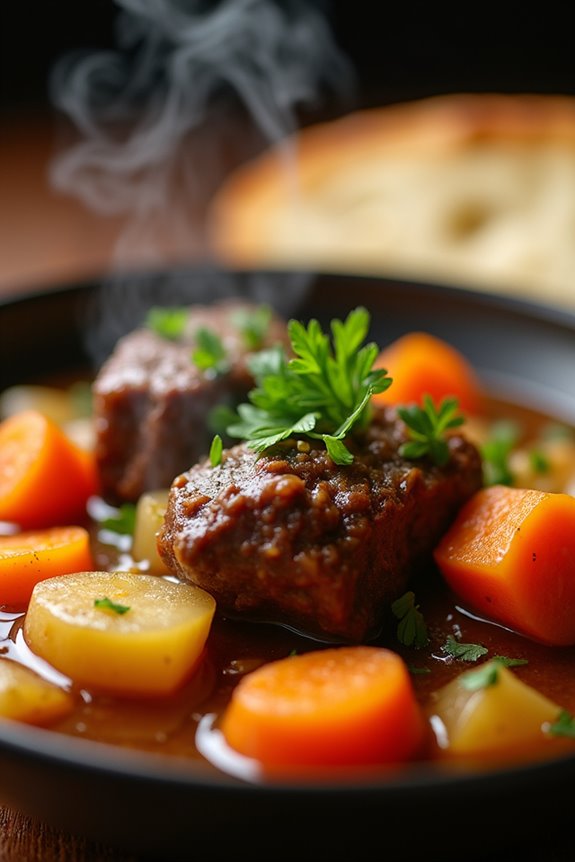
Irish Lamb Stew is a hearty and comforting dish that showcases the flavors of tender lamb simmered with root vegetables and fresh herbs. This traditional recipe is a staple in Irish cuisine, often enjoyed during colder months or on special occasions.
The combination of savory lamb, earthy potatoes, and sweet carrots creates a harmonious blend that will warm your heart and satisfy your appetite. This stew isn’t only delicious but also easy to prepare. The secret to a perfect Irish Lamb Stew lies in slow cooking, which allows the flavors to meld beautifully and the lamb to become melt-in-your-mouth tender.
You can serve this dish with a side of crusty bread for dipping, making it an ideal meal for family gatherings or cozy evenings at home.
Ingredients (serving size: 4-6 people)
- 2 pounds lamb shoulder, cut into 1-inch pieces
- 3 tablespoons olive oil
- 1 large onion, chopped
- 3 cloves garlic, minced
- 4 large carrots, sliced
- 4 large potatoes, peeled and diced
- 2 cups beef or lamb broth
- 1 cup Guinness or other stout beer
- 2 tablespoons tomato paste
- 2 teaspoons dried thyme
- 2 bay leaves
- Salt and pepper to taste
- Fresh parsley, chopped (for garnish)
Cooking Instructions
- Prepare the Lamb: Start by cutting the lamb shoulder into 1-inch pieces. Pat the pieces dry with paper towels, and season them with salt and pepper. This step is essential as it helps to develop a nice sear on the meat.
- Sear the Lamb: In a large pot or Dutch oven, heat the olive oil over medium-high heat. Once hot, add the lamb pieces in batches, ensuring not to overcrowd the pan. Sear the lamb until browned on all sides (about 5-7 minutes). Remove the browned lamb and set it aside.
- Sauté the Aromatics: In the same pot, add the chopped onion and minced garlic. Sauté for about 3-4 minutes, until the onion is translucent and fragrant. This step builds the flavor base for your stew.
- Add the Vegetables: Stir in the sliced carrots and diced potatoes. Cook for an additional 5 minutes, allowing the vegetables to soften slightly before adding the liquids.
- Combine Ingredients: Return the browned lamb to the pot. Add the beef or lamb broth, Guinness or stout beer, and tomato paste. Stir to combine all ingredients thoroughly. The beer adds a rich depth of flavor to the stew.
- Season the Stew: Sprinkle in the dried thyme and add the bay leaves. Bring the mixture to a gentle boil, then reduce the heat to low. Cover the pot and let it simmer for about 1.5 to 2 hours, or until the lamb is tender and the flavors have melded together.
- Final Adjustments: After simmering, taste the stew and adjust the seasoning with more salt and pepper if needed. Remove the bay leaves before serving.
- Serve: Ladle the Irish Lamb Stew into bowls and garnish with fresh parsley. Enjoy with crusty bread or a side of your choice.
Extra Tips
When making Irish Lamb Stew, feel free to customize the vegetables to your liking. Adding parsnips or turnips can enhance the flavor profile even further.
Additionally, for a thicker stew, you can mix a tablespoon of cornstarch with cold water and stir it into the stew during the last 10 minutes of cooking. For best results, prepare the stew a day in advance; the flavors will deepen and improve overnight!
Norwegian Salmon With Dill Sauce
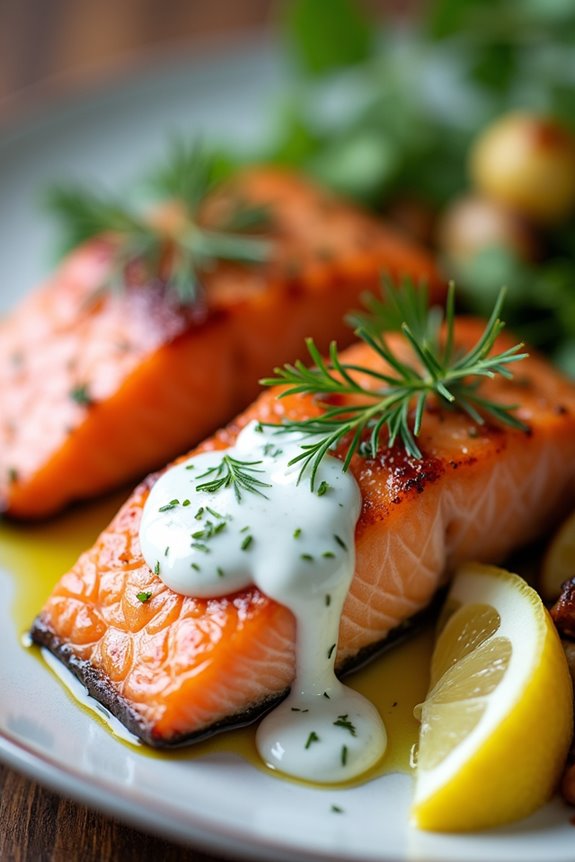
Norwegian Salmon with Dill Sauce is a delightful dish that beautifully showcases the rich, buttery flavor of salmon, complemented by a creamy and fragrant dill sauce. This classic Nordic recipe isn’t only easy to prepare but also offers a healthy option for dinner, making it perfect for any occasion.
The combination of salmon and dill is a match made in culinary heaven, as the fresh herb enhances the fish’s natural flavors while adding a vibrant touch to the plate.
When preparing this dish, you can use either fresh or frozen salmon fillets, depending on availability. Pair it with boiled potatoes or a fresh green salad for a complete meal that’s both satisfying and nutritious. This recipe serves 4-6 people, making it an excellent choice for family dinners or small gatherings.
Ingredients:
- 4-6 salmon fillets (about 6 ounces each)
- 2 tablespoons olive oil
- Salt and pepper, to taste
- 1 cup sour cream
- 2 tablespoons fresh dill, chopped (or 2 teaspoons dried dill)
- 1 tablespoon lemon juice
- 1 teaspoon Dijon mustard
- 1 garlic clove, minced
- Lemon wedges, for serving
Cooking Instructions:
- Preheat the Oven: Begin by preheating your oven to 350°F (175°C). This guarantees that your salmon cooks evenly and thoroughly.
- Prepare the Salmon: Rinse the salmon fillets under cold water and pat them dry with paper towels. This step helps remove any excess moisture, allowing for better searing and texture.
- Season the Salmon: Place the salmon fillets on a baking sheet lined with parchment paper. Drizzle olive oil over the fillets and season generously with salt and pepper. The oil will help keep the salmon moist as it cooks.
- Bake the Salmon: Place the baking sheet in the preheated oven and bake for about 15-20 minutes, or until the salmon is cooked through and flakes easily with a fork. The internal temperature should reach 145°F (63°C).
- Prepare the Dill Sauce: While the salmon is baking, prepare the dill sauce. In a medium-sized bowl, combine the sour cream, chopped dill, lemon juice, Dijon mustard, and minced garlic. Mix well until all ingredients are evenly incorporated.
- Serve: Once the salmon is finished baking, remove it from the oven and let it rest for a couple of minutes. Serve the salmon fillets topped with a generous spoonful of dill sauce and a wedge of lemon on the side for extra brightness.
Extra Tips:
When making Norwegian Salmon with Dill Sauce, consider using fresh dill if you can find it, as it provides a vibrant flavor that dried dill may not match.
You can also experiment by adding a pinch of cayenne pepper to the sauce for a subtle kick. If you prefer, the salmon can be grilled instead of baked for a smoky flavor.
Serve this delightful dish with a side of roasted vegetables or a simple green salad for a balanced meal.
