

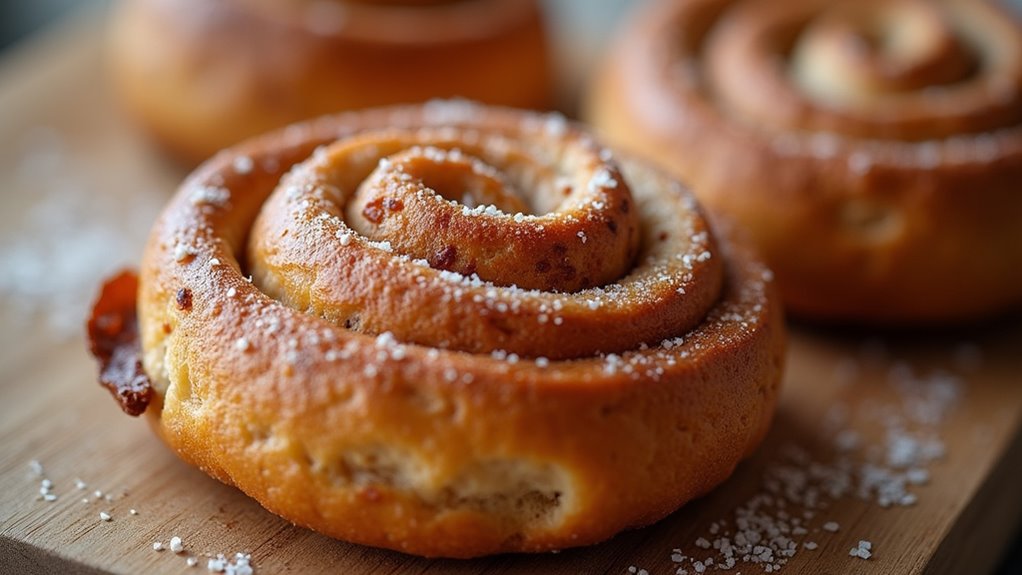
Exploring Scandinavian cuisine is like unlocking a treasure trove of flavors. Each traditional recipe offers a unique blend of tastes and techniques that are both comforting and delightful. From warming Swedish meatballs to delicate Danish pastries, there’s so much to enjoy. Mastering these dishes will surely impress your family and friends. Let’s explore these eleven exquisite recipes that every home cook should know.
Swedish Meatballs
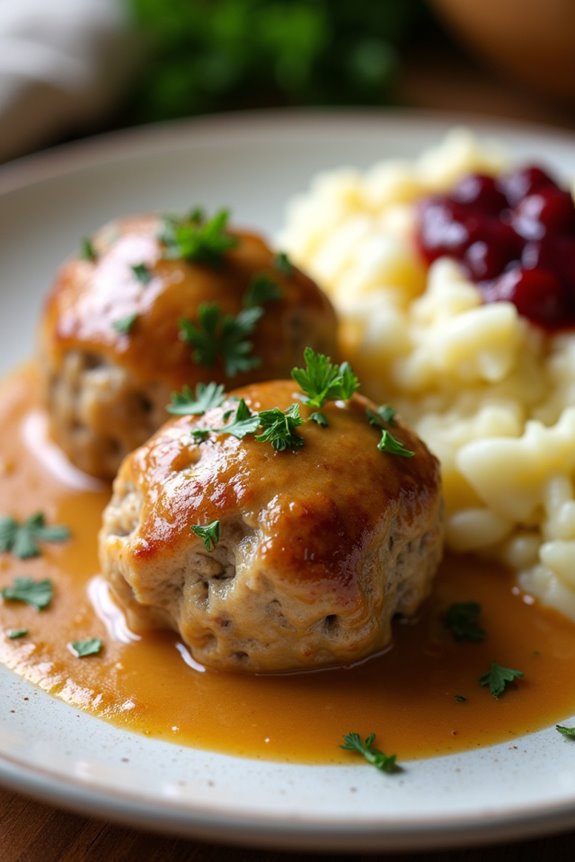
Swedish meatballs, or “köttbullar,” are a beloved staple in Scandinavian cuisine, celebrated for their tender texture and rich flavor. Traditionally served with creamy gravy, lingonberry sauce, and creamy mashed potatoes or boiled potatoes, these meatballs aren’t just a meal; they’re a comforting experience that brings warmth and nostalgia.
The secret to authentic Swedish meatballs lies in the balance of spices and the quality of the meat, often a mix of beef and pork, which provides a rich flavor profile that’s truly irresistible.
Making Swedish meatballs at home is a delightful culinary adventure that’s perfect for family gatherings or cozy dinners. The process involves mixing the meat with breadcrumbs soaked in milk, eggs, and a blend of spices, then forming them into small balls before frying. The resulting dish is a harmonious blend of flavors that pays homage to its Scandinavian roots. Once you’ve mastered this recipe, you’ll find it becomes a cherished part of your own tradition.
Ingredients (Serves 4-6 People)
- 1 pound ground beef
- 1 pound ground pork
- 1 cup breadcrumbs
- 1/2 cup milk
- 1/2 cup onion, finely chopped
- 1/4 cup fresh parsley, chopped
- 1 large egg
- 1 teaspoon salt
- 1/2 teaspoon black pepper
- 1/4 teaspoon ground allspice
- 1/4 teaspoon ground nutmeg
- 1/4 cup butter
- 2 cups beef broth
- 1 cup heavy cream
- 2 tablespoons all-purpose flour
Cooking Instructions
- Prepare the Breadcrumb Mixture: In a small bowl, combine the breadcrumbs and milk. Let them soak for about 10 minutes until the breadcrumbs are fully saturated. This will guarantee the meatballs remain moist during cooking.
- Sauté the Onions: In a skillet, melt 2 tablespoons of butter over medium heat. Add the chopped onion and sauté until translucent, about 5 minutes. This step adds a depth of flavor to the meatballs.
- Mix the Meatball Ingredients: In a large mixing bowl, combine the ground beef, ground pork, soaked breadcrumbs, sautéed onions, parsley, egg, salt, pepper, allspice, and nutmeg. Use your hands to mix the ingredients until just combined, being careful not to overwork the meat.
- Form the Meatballs: With wet hands, form the mixture into small balls, about 1 inch in diameter. Place them on a baking sheet as you go to keep them organized.
- Cook the Meatballs: In a large skillet, heat the remaining butter over medium-high heat. Once hot, add the meatballs in batches, cooking until they’re browned on all sides, about 6-8 minutes. Remove them from the skillet and set aside on a plate.
- Make the Gravy: In the same skillet, add the flour to the remaining fat and cook for 1 minute, stirring constantly. Gradually whisk in the beef broth, scraping up any browned bits from the bottom of the pan. Bring to a simmer and let it thicken for about 3-5 minutes.
- Add Cream: Stir in the heavy cream to the gravy and return the meatballs to the skillet. Simmer for another 5-10 minutes, allowing the meatballs to absorb the flavors of the gravy.
- Serve: Serve the Swedish meatballs hot, drizzled with gravy, alongside mashed potatoes or boiled potatoes and a side of lingonberry sauce.
Extra Tips
For a more authentic flavor, consider using a mix of beef, pork, and veal for the meatballs. You can also experiment with additional spices such as white pepper or garlic powder if desired.
If you want to prepare the meatballs ahead of time, they freeze well before cooking—just thaw and cook directly from the freezer when ready to serve. Finally, garnish with extra chopped parsley for a fresh touch when plating. Enjoy your homemade Swedish meatballs!
Danish Pastries

Danish pastries, known for their flaky layers and delightful fillings, are a sweet treat that originated in Denmark but are loved worldwide. These pastries are made from a rich, buttery dough that undergoes a process of laminating, which creates the characteristic layers.
While the dough may seem intimidating at first, the result is a pastry that’s both impressive and delicious, perfect for breakfast or as a dessert. The versatility of Danish pastries allows for a variety of fillings, from sweet fruit jams to creamy custards, making them a favorite for any occasion.
Making Danish pastries at home can be a joyful and rewarding experience. This recipe focuses on a classic version filled with almond cream and topped with icing, providing a delicious balance of flavors and textures. Serve them fresh out of the oven with a cup of coffee or tea for a delightful treat that will impress family and friends.
Whether you’re an experienced baker or trying your hand at pastry-making for the first time, this recipe will guide you through the process step-by-step.
Ingredients (Serves 4-6 people)
- 2 ½ cups all-purpose flour
- 1 cup unsalted butter, cold and cut into small cubes
- ½ teaspoon salt
- 1 tablespoon sugar
- 1 teaspoon instant yeast
- ½ cup whole milk, lukewarm
- 1 large egg
- 1 teaspoon vanilla extract
- ½ cup almond flour
- ¼ cup powdered sugar
- 1 egg (for egg wash)
- Optional: fruit jam or fresh fruit for filling
Cooking Instructions
- Prepare the Dough: In a large mixing bowl, combine the flour, salt, sugar, and instant yeast. Mix well until evenly incorporated. Add the cold butter cubes and use a pastry cutter or your fingers to blend the butter into the flour mixture until it resembles coarse crumbs.
- Mix the Wet Ingredients: In a separate bowl, whisk together the lukewarm milk, egg, and vanilla extract until well combined. Gradually add this mixture to the flour and butter mixture, stirring until a soft dough forms.
- Chill the Dough: Shape the dough into a rectangle, wrap it in plastic wrap, and refrigerate for at least 30 minutes to allow the butter to firm up.
- Roll and Fold: After chilling, place the dough on a lightly floured surface. Roll it out into a rectangle about 1/4 inch thick. Fold the dough into thirds, like a letter, then roll it out again into a rectangle and fold it again. Repeat this process two more times to create multiple layers.
- Make the Almond Cream: In a small bowl, combine the almond flour and powdered sugar. You can add a bit of water or milk to create a paste-like consistency. Set aside.
- Shape the Pastries: Roll out the dough one last time into a larger rectangle. Cut the dough into squares or triangles. Place a small dollop of the almond cream in the center of each piece and fold the corners over to create a pocket. You can also leave the corners open for a more traditional look.
- Egg Wash and Bake: Preheat your oven to 400°F (200°C). Beat the remaining egg and brush it over the pastries for a golden finish. Place the pastries on a baking sheet lined with parchment paper and bake for 15-20 minutes or until they’re golden brown.
- Cool and Serve: Once baked, remove the pastries from the oven and allow them to cool on a wire rack. Optional: drizzle with icing made from powdered sugar and water before serving.
Extra Tips
When making Danish pastries, precision is key, especially during the laminating process. Make sure your butter remains cold to achieve the flakiness you desire.
If you’re short on time, you can prepare the dough a day in advance and let it rest in the refrigerator overnight. Additionally, feel free to experiment with different fillings like chocolate or fruit for a unique twist on this classic recipe!
Norwegian Salmon

Norwegian Salmon, or Laks med Kremet Dillsaus, is a celebrated dish in Scandinavian cuisine that showcases the fresh flavors of Norway’s pristine waters. This dish typically features salmon fillets cooked to perfection and served with a rich, creamy dill sauce that enhances the natural taste of the fish. The combination of tender salmon and the aromatic dill creates a delightful culinary experience that’s both satisfying and comforting.
Preparing Norwegian Salmon is a straightforward process, making it an excellent choice for both novice cooks and seasoned chefs. The salmon is often paired with traditional sides such as boiled potatoes or steamed vegetables, which complement its flavors beautifully. Whether you’re hosting a gathering or enjoying a quiet family dinner, this dish is sure to impress with its simplicity and elegance.
Ingredients (Serves 4-6):
- 4 (6-ounce) salmon fillets
- Salt and pepper, to taste
- 2 tablespoons olive oil
- 1 cup heavy cream
- 2 tablespoons fresh dill, chopped
- 1 tablespoon Dijon mustard
- 1 tablespoon lemon juice
- 2 tablespoons capers, drained
- 1 clove garlic, minced
- Lemon wedges, for serving
Cooking Instructions:
- Prepare the Salmon: Begin by patting the salmon fillets dry with paper towels. Season both sides generously with salt and pepper. This step helps to enhance the flavor of the fish and guarantees a deliciously seasoned final dish.
- Heat the Olive Oil: In a large skillet, heat the olive oil over medium-high heat. Allow the oil to warm up for about a minute until it shimmers. This guarantees even cooking and helps to achieve a nice crust on the salmon.
- Cook the Salmon: Place the seasoned salmon fillets skin-side down in the skillet. Cook for about 4-5 minutes without moving them, until the skin is crispy and the fish is cooked about halfway through. Carefully flip the fillets using a spatula and cook for an additional 3-4 minutes, or until the salmon is cooked through and flakes easily with a fork.
- Make the Creamy Dill Sauce: While the salmon is cooking, prepare the dill sauce in a separate saucepan. In the saucepan, combine the heavy cream, chopped dill, Dijon mustard, lemon juice, capers, and minced garlic. Heat the mixture over medium heat, stirring gently until it’s warmed through and slightly thickened. Be careful not to let it boil.
- Serve: Once the salmon is cooked, transfer the fillets to a serving platter. Spoon the creamy dill sauce generously over the top of the salmon. Serve with lemon wedges on the side for an extra burst of flavor.
Extra Tips:
For the best results, opt for wild-caught salmon if available, as it has a richer flavor compared to farmed varieties. Additionally, consider marinating the salmon in a mixture of olive oil, lemon juice, and dill for about 30 minutes prior to cooking to elevate the taste.
When making the sauce, feel free to adjust the amount of dill or add other herbs like parsley or chives for a unique twist. Enjoy your Norwegian Salmon with a side of freshly boiled potatoes or a light salad for a complete meal.
Finnish Rye Bread
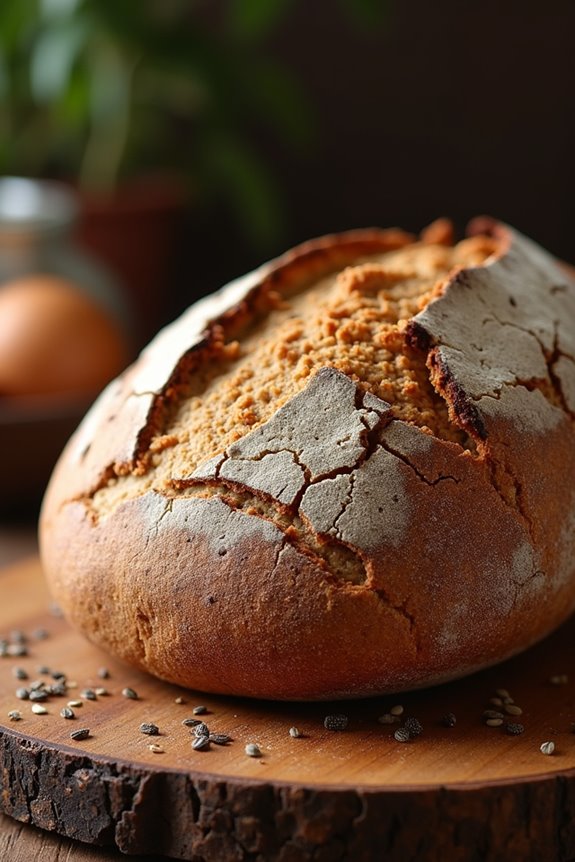
Finnish Rye Bread, known as Ruisleipä, is a staple in Finnish cuisine, celebrated for its dense texture and rich, earthy flavor. This traditional bread is made primarily from rye flour, which gives it a distinctive taste and a dark color.
It’s often enjoyed with butter, cheese, or cured meats, making it a versatile accompaniment to many meals. The process of making Finnish Rye Bread is simple yet rewarding, allowing you to create a wholesome loaf that embodies the spirit of Scandinavian cooking.
This bread not only provides a hearty base for various toppings but also serves as a source of dietary fiber and nutrients. The fermentation process with sourdough adds a depth of flavor and enhances the bread’s shelf life. Homemade Finnish Rye Bread is perfect for breakfast, lunch, or as a snack, and its rustic charm makes it an excellent addition to any table.
Ingredients (Serves 4-6 people)
- 2 cups (250g) rye flour
- 1 cup (125g) all-purpose flour
- 1 teaspoon salt
- 1 tablespoon sugar or honey
- 1 teaspoon dry yeast
- 1 ½ cups (360ml) warm water (about 110°F/43°C)
- 1 tablespoon vegetable oil (optional)
- 1 tablespoon caraway seeds (optional, for additional flavor)
Cooking Instructions
- Prepare the Yeast Mixture: In a small bowl, combine the warm water, sugar (or honey), and dry yeast. Stir gently and let it sit for about 10-15 minutes until it becomes frothy. This step activates the yeast, which is vital for the bread to rise.
- Mix the Dry Ingredients: In a large mixing bowl, whisk together the rye flour, all-purpose flour, salt, and caraway seeds (if using). Make sure the dry ingredients are well combined to guarantee an even distribution of flavors and textures in the bread.
- Combine Wet and Dry Ingredients: Once the yeast mixture is frothy, pour it into the bowl with the dry ingredients. If desired, add the vegetable oil at this stage. Stir with a wooden spoon or spatula until the dough starts to come together.
- Knead the Dough: Transfer the dough onto a lightly floured surface and knead it for about 5-7 minutes until it’s smooth and elastic. Rye dough will be stickier than wheat dough, so you can sprinkle a little more flour if necessary, but be careful not to add too much.
- First Rise: Place the kneaded dough in a greased bowl, cover it with a damp cloth or plastic wrap, and let it rise in a warm place for about 1-2 hours, or until it has doubled in size. This fermentation step is vital for developing flavor and texture.
- Shape the Loaf: After the dough has risen, punch it down gently to release the air. Shape it into a round or oval loaf, depending on your preference. Place the shaped dough onto a baking sheet lined with parchment paper or into a greased loaf pan.
- Second Rise: Cover the shaped loaf with a cloth and let it rise again for about 30-45 minutes. This second rise allows the bread to develop more volume.
- Preheat the Oven: While the bread is rising, preheat your oven to 425°F (220°C). This high temperature will create a nice crust on the bread.
- Bake the Bread: Once the dough has risen, place it in the preheated oven and bake for 25-30 minutes or until the bread sounds hollow when tapped on the bottom. The internal temperature should reach about 200°F (93°C).
- Cool and Serve: Remove the bread from the oven and let it cool on a wire rack for at least 15-20 minutes before slicing. This cooling period is important as it allows the interior to set properly.
Extra Tips
When making Finnish Rye Bread, it’s important to be patient with the rising times; they can vary based on the temperature and humidity of your kitchen.
Additionally, you can experiment with adding seeds such as sunflower or sesame for extra texture and flavor. For a more pronounced sourdough flavor, consider using a sourdough starter instead of dry yeast.
Finally, store any leftover bread wrapped in a cloth or in a bread box to maintain its freshness. Enjoy your baking!
Icelandic Lamb Soup
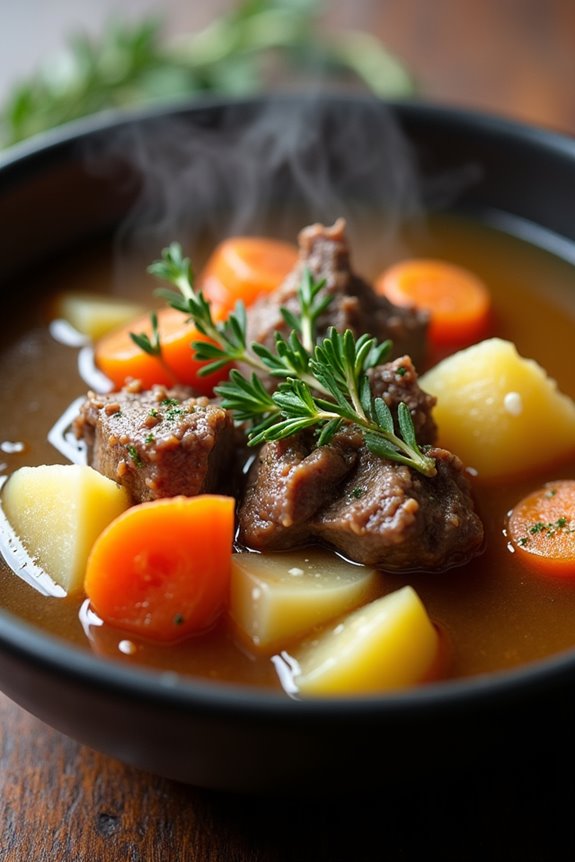
Icelandic Lamb Soup, known as “Kjötsúpa,” is a traditional dish that warms the hearts and bellies of those who enjoy it. This hearty and comforting soup is primarily made with tender lamb, fresh vegetables, and aromatic herbs. The recipe is deeply rooted in Icelandic culture, often prepared in homes during cold weather or special gatherings.
The combination of flavors melds beautifully, making it a beloved staple in Icelandic cuisine. This soup not only showcases the natural flavors of the ingredients but also reflects the simplicity and resourcefulness of traditional Icelandic cooking. Utilizing locally sourced lamb and seasonal vegetables, Icelandic Lamb Soup is both nourishing and satisfying.
Whether you’re familiar with Scandinavian cuisine or trying it for the first time, this dish promises to be a delightful experience that brings a taste of Iceland to your table.
Ingredients (serving size: 4-6 people):
- 1.5 pounds lamb shoulder, cut into chunks
- 8 cups water
- 2 medium onions, chopped
- 3 carrots, peeled and sliced
- 2 parsnips, peeled and sliced
- 2 potatoes, peeled and diced
- 1 small turnip, peeled and diced
- 1-2 sprigs fresh thyme
- 1-2 bay leaves
- Salt and pepper to taste
- Fresh parsley, chopped (for garnish)
Cooking Instructions:
1. Prepare the Lamb: In a large pot, add the lamb shoulder chunks and pour in the water. Bring the mixture to a boil over medium-high heat. This initial boiling step helps to remove any impurities from the meat.
Once boiling, reduce the heat to a simmer and skim off any foam that rises to the surface.
2. Add the Vegetables: Once the lamb is simmering and the foam has been removed, add the chopped onions, carrots, parsnips, potatoes, and turnip to the pot. These vegetables not only enhance the flavor but also make the soup hearty and nutritious.
3. Season the Soup: Add the fresh thyme and bay leaves to the pot, along with salt and pepper to taste. The herbs will infuse the soup with aromatic flavors as it cooks. Stir the mixture gently to combine all the ingredients.
4. Simmer: Cover the pot and let the soup simmer for about 1.5 to 2 hours. This slow cooking process allows the lamb to become tender and the flavors to meld together beautifully. Stir occasionally to ascertain nothing sticks to the bottom of the pot.
5. Check for Doneness: After the simmering time, check the lamb for tenderness. It should easily fall apart when pulled with a fork. If the meat isn’t tender enough, continue to simmer for an additional 30 minutes.
6. Serve: Once the lamb is tender, remove the bay leaves and thyme sprigs from the soup. Ladle the soup into bowls, and garnish with chopped fresh parsley for a touch of color and freshness.
Extra Tips: For a deeper flavor, consider browning the lamb chunks in a bit of oil before adding water. This step will enhance the richness of the broth.
Additionally, feel free to substitute or add other root vegetables based on availability or personal preference. If you prefer a thicker soup, mash some of the potatoes with a fork before serving to create a creamier texture. Enjoy your Icelandic Lamb Soup with some crusty bread for a complete meal!
Estonian Black Bread
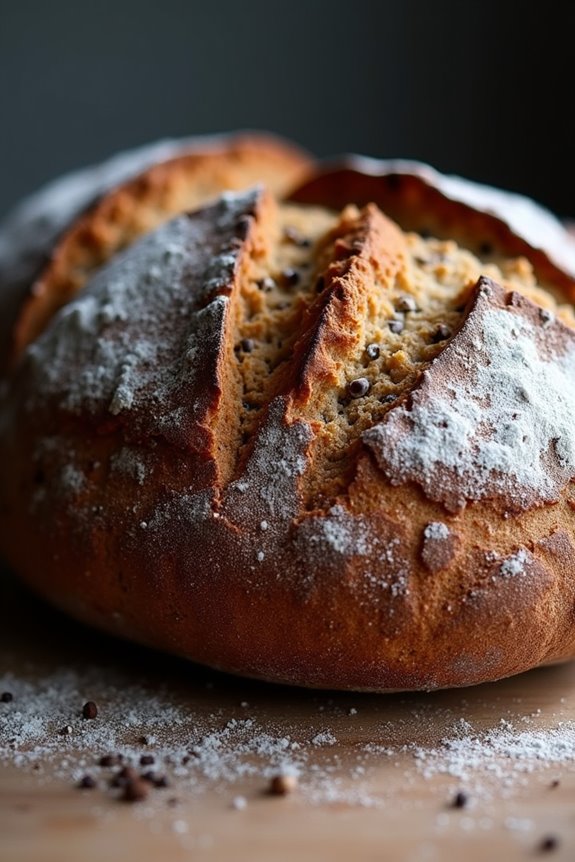
Estonian Black Bread, known as “Rukkileib,” is a traditional staple in Estonian cuisine, characterized by its dense texture and rich, slightly sour flavor. Made primarily from rye flour, this dark bread isn’t only delicious but also packed with nutrients, making it a wholesome choice for any meal.
The bread is often served as an accompaniment to soups, stews, or simply enjoyed with butter and cheese. Its unique taste and texture make it a beloved favorite in many Estonian households.
Making Estonian Black Bread at home can be a rewarding experience, as the aroma of freshly baked bread fills your kitchen. While it may take some time to prepare due to the fermentation process, the end result is a hearty loaf that can be enjoyed for days.
This recipe will guide you through the steps of creating a traditional Estonian Black Bread, perfect for serving 4-6 people.
Ingredients
- 3 cups rye flour
- 1 cup all-purpose flour
- 2 teaspoons salt
- 2 teaspoons sugar
- 2 teaspoons active dry yeast
- 1 ½ cups warm water (about 110°F or 43°C)
- 1 tablespoon caraway seeds (optional)
- 1 tablespoon malt extract or molasses (optional for sweetness)
- 1 tablespoon vegetable oil
Cooking Instructions
- Prepare the Yeast Mixture: In a small bowl, combine the warm water and sugar. Sprinkle the active dry yeast over the top and let it sit for about 5-10 minutes, or until it becomes frothy. This indicates that the yeast is active and ready to use.
- Mix the Dry Ingredients: In a large mixing bowl, combine the rye flour, all-purpose flour, salt, and caraway seeds if using. Mix well to guarantee the salt is evenly distributed throughout the flour.
- Combine Wet and Dry Ingredients: Once the yeast mixture is frothy, pour it into the bowl with the dry ingredients. Add the vegetable oil and malt extract or molasses if using. Stir the mixture with a wooden spoon until it starts to come together into a dough.
- Knead the Dough: Transfer the dough onto a lightly floured surface. Knead the dough for about 5-10 minutes, until it becomes smooth and elastic. The dough will be sticky due to the rye flour, so you may need to add a little more flour as you knead.
- First Rising: Place the kneaded dough into a greased bowl, cover it with a clean kitchen towel, and let it rise in a warm place for about 1-2 hours or until it has doubled in size.
- Shape the Loaf: Once the dough has risen, punch it down gently to release the air. Transfer it to a floured surface and shape it into a loaf. You can place it in a greased loaf pan or form it into a round shape and place it on a baking sheet.
- Second Rising: Cover the shaped dough with the kitchen towel again and let it rise for another 30-60 minutes, or until it has puffed up.
- Preheat the Oven: While the dough is rising, preheat your oven to 375°F (190°C).
- Bake the Bread: Once the dough has risen a second time, place it in the preheated oven and bake for about 30-40 minutes. The bread is done when it has a deep brown color and sounds hollow when tapped on the bottom.
- Cool the Bread: Carefully remove the bread from the oven and let it cool in the pan for about 10 minutes before transferring it to a wire rack to cool completely.
Extra Tips
When making Estonian Black Bread, patience is key. Allowing the dough to rise adequately will enhance the flavor and texture of the bread.
You can experiment with adding different seeds or spices to suit your taste. This bread can be stored in a cool, dry place, wrapped in a cloth or in a bread box, and it actually tastes better after a day or two as the flavors develop.
Enjoy your homemade Estonian Black Bread with butter, cheese, or as a side to your favorite dishes!
Swedish Lingonberry Sauce
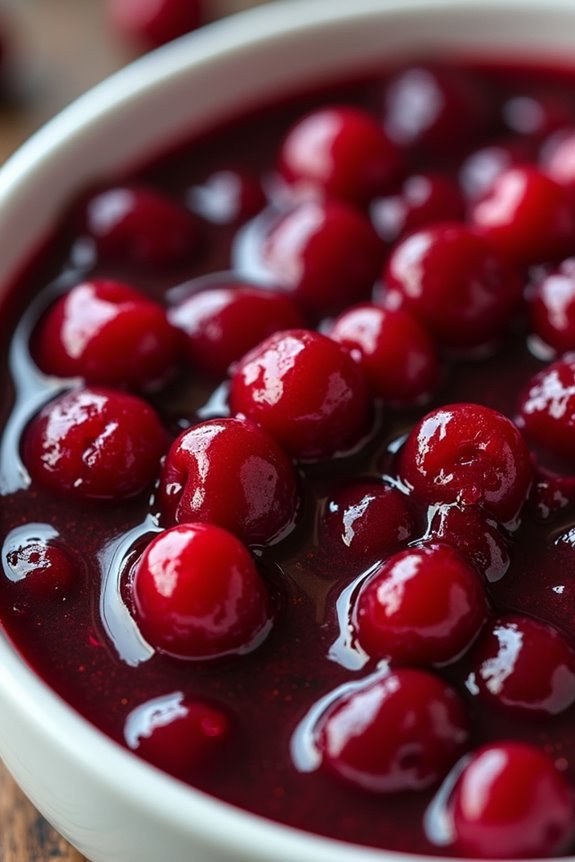
Swedish Lingonberry Sauce, known as “Lingonsylt” in Sweden, is a traditional condiment that perfectly complements a variety of dishes, especially meatballs, pork, and game. This tangy and slightly sweet sauce is made from fresh or preserved lingonberries, which are small red berries that thrive in the cooler climates of Scandinavia.
The sauce not only adds a burst of flavor but also brings a vibrant color to your plate, enhancing the overall dining experience. Making Swedish Lingonberry Sauce at home is a straightforward process that involves minimal ingredients. The recipe is simple enough for anyone to follow, and the result is a delightful sauce that can be stored and used for various meals.
Whether you’re preparing a traditional Swedish feast or simply looking to add a touch of Scandinavian flavor to your table, this lingonberry sauce is a must-try.
Ingredients (Serves 4-6)
- 2 cups fresh or frozen lingonberries
- 1 cup granulated sugar
- 1/2 cup water
- 1 tablespoon lemon juice
- 1 pinch of salt
Cooking Instructions
- Prepare the Lingonberries: If using fresh lingonberries, rinse them thoroughly under cold water to remove any dirt or impurities. If you’re using frozen lingonberries, allow them to thaw completely and drain any excess liquid.
- Combine Ingredients: In a medium-sized saucepan, combine the lingonberries, granulated sugar, water, lemon juice, and a pinch of salt. Stir gently to mix the ingredients without crushing the berries.
- Cook the Mixture: Place the saucepan over medium heat and bring the mixture to a gentle boil. As it heats, the sugar will dissolve, and the lingonberries will begin to release their juices. Stir occasionally to guarantee nothing sticks to the bottom of the pan.
- Simmer the Sauce: Once boiling, reduce the heat to low and let the sauce simmer for about 10-15 minutes. This will allow the flavors to meld together, and the berries will soften. If you prefer a smoother sauce, you can use a potato masher to mash the berries slightly during this stage.
- Cool and Store: After simmering, remove the saucepan from the heat and let the sauce cool to room temperature. The sauce will thicken as it cools. Once cooled, transfer it to a clean jar or container for storage. It can be refrigerated for up to two weeks.
Extra Tips
When making Swedish Lingonberry Sauce, adjusting the sweetness is key to achieving the perfect balance of flavors. If you prefer a less sweet sauce, reduce the amount of sugar to your taste.
Additionally, if you can’t find lingonberries, you can substitute them with cranberry sauce, but be aware that the flavor will differ slightly. For a more complex flavor profile, consider adding a hint of cinnamon or cloves during the cooking process.
Danish Smørrebrød
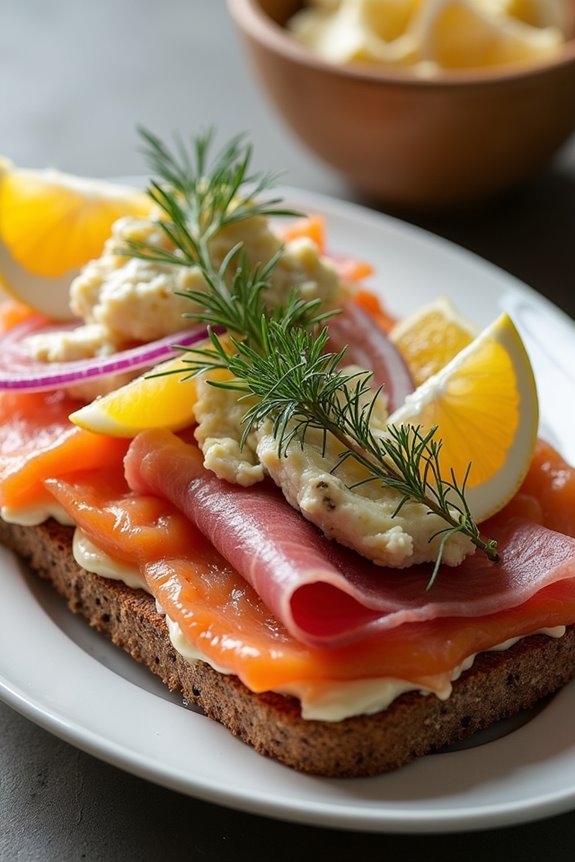
Danish Smørrebrød, often referred to as open-faced sandwiches, is a quintessential part of Danish cuisine. This delightful dish consists of a slice of dense rye bread topped with a variety of ingredients, ranging from cured meats and pickled fish to fresh vegetables and creamy spreads. The beauty of Smørrebrød lies not only in its diverse toppings but also in its presentation; each sandwich is a piece of art, showcasing the vibrant colors and textures of the ingredients used.
Traditionally, Smørrebrød is served at lunch or during festive occasions in Denmark. It’s common to see these sandwiches beautifully arranged on a platter, allowing guests to choose their favorites. This recipe will guide you through creating a classic Danish Smørrebrød that serves 4-6 people, featuring a mix of toppings that celebrate the rich flavors of Scandinavian cuisine.
Ingredients
- 4-6 slices of dense rye bread
- 200g of pickled herring (in mustard sauce or curry)
- 200g of smoked salmon
- 100g of roast beef (thinly sliced)
- 100g of liver pâté
- 4 hard-boiled eggs, sliced
- 1 small red onion, thinly sliced
- 1 cucumber, thinly sliced
- 1 bunch of fresh dill
- 100g of remoulade sauce (or mayonnaise)
- Salt and pepper to taste
- Lemon wedges (for garnish)
Cooking Instructions
- Prepare the Base: Start by selecting high-quality dense rye bread. Cut the bread into even slices, about 1-1.5 cm thick. The bread should be sturdy enough to hold the toppings without getting soggy.
- Add the Spreads: For each slice of rye bread, spread a thin layer of remoulade sauce or mayonnaise. This will add a creamy texture and help bind the toppings. Use a spatula to evenly distribute the spread across the entire surface of the bread.
- Layer the Toppings: Begin layering the toppings according to your preference. For a classic combination, start with the pickled herring, followed by a slice of smoked salmon. Confirm that each topping is placed neatly and covers the bread without overwhelming it.
- Add the Meats: Next, add a layer of the thinly sliced roast beef. You can fold the slices slightly for a more appealing presentation. Then, add a dollop of liver pâté on top of the beef, allowing it to meld with the other ingredients.
- Garnish with Vegetables: Place slices of hard-boiled eggs around the sandwich as a beautiful garnish. Add the thinly sliced red onion and cucumber for a revitalizing crunch. Arrange these toppings attractively and confirm they’re visible, as presentation is key in Smørrebrød.
- Finish with Herbs and Seasoning: Top off your Smørrebrød with a sprig of fresh dill for an aromatic touch. Season lightly with salt and pepper if desired. Serve the sandwiches on a platter, accompanied by lemon wedges for an added zest.
Extra Tips
When preparing Danish Smørrebrød, feel free to experiment with various toppings based on your personal preferences or seasonal ingredients. Always aim for a balance of flavors and textures; for instance, pairing rich meats with tangy pickles and fresh herbs creates a harmonious dish.
Presentation is also essential, so take the time to arrange your toppings artfully on the bread. Enjoy your Smørrebrød with a revitalizing beverage for a complete and satisfying meal!
Norwegian Brown Cheese
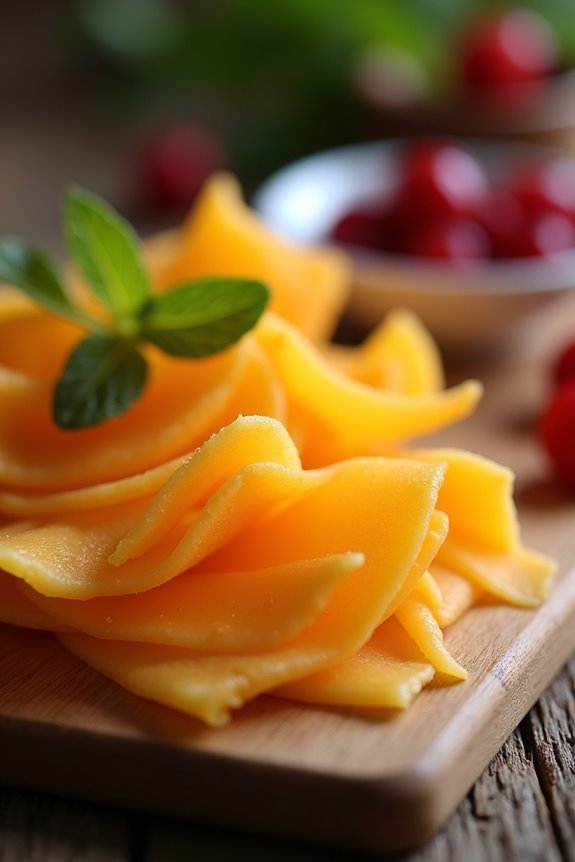
Norwegian Brown Cheese, or “Brunost,” is a traditional Scandinavian delicacy that has been enjoyed for centuries. Made from whey, milk, and cream, this unique cheese is characterized by its caramel-like flavor and smooth texture. It’s typically served thinly sliced on bread or crispbread, making it a popular choice for breakfast or snacks in Norway.
Although it’s called cheese, Brunost is technically a sweetened, cooked whey cheese that embodies the essence of Norwegian culinary tradition.
The process of making Norwegian Brown Cheese involves simmering whey until the sugars caramelize, resulting in its distinct brown color and flavor. This versatile cheese can be paired with various accompaniments such as fresh fruit, jams, or even savory items like cured meats.
Whether you’re looking to explore Scandinavian cuisine or simply wanting to try something new, making Norwegian Brown Cheese at home is a rewarding experience that will add a delightful touch to your meals.
Ingredients (Serves 4-6):
- 4 cups whey (preferably from goat or cow milk)
- 1 cup whole milk
- 1/2 cup heavy cream
- 1/4 cup sugar
- 1/2 teaspoon salt
- 1 teaspoon baking soda
- 1 tablespoon white vinegar (optional, for acidity)
Cooking Instructions:
- Prepare the Whey: Start by collecting the whey, which can be obtained from making cheese or yogurt. If you don’t have whey, you can use a combination of milk and cream for a similar texture. Place the whey in a large, heavy-bottomed pot to prevent burning.
- Cook the Whey: Place the pot over medium heat and allow the whey to come to a slow simmer. Stir occasionally to prevent the whey from sticking to the bottom of the pot. As it heats, the whey will begin to reduce in volume.
- Add Milk and Cream: Once the whey has reduced by about half, add in the whole milk and heavy cream. Continue to simmer, stirring frequently. This mixture will create a richer flavor and creamier texture in the final cheese.
- Incorporate Sugar and Salt: After simmering for about 1 hour, add the sugar and salt to the mixture. These ingredients will enhance the sweetness and flavor of the cheese. Stir well until the sugar is completely dissolved.
- Add Baking Soda: Gradually sprinkle the baking soda into the mixture while stirring continuously. You’ll notice the mixture will bubble and foam up. This step is essential as it helps in caramelizing the sugars, giving the cheese its distinct brown color.
- Cook Until Thickened: Continue to cook the mixture for an additional 30-45 minutes, stirring frequently until it thickens to a spreadable consistency. It should cling to the back of a spoon and have a deep brown color.
- Mold the Cheese: Once thickened, remove the pot from the heat and let it cool slightly. Pour the mixture into a greased mold or a lined loaf pan. Smooth out the top with a spatula and let it cool at room temperature.
- Chill and Slice: Once cooled, cover the mold with plastic wrap and refrigerate for at least 4 hours or until fully set. After chilling, unmold the cheese and slice it thinly to serve.
Extra Tips:
When making Norwegian Brown Cheese, patience is key. The cooking process can take some time, especially during the reduction phase, so make sure to stir regularly to prevent burning.
Experiment with the sweetness by adjusting the sugar amount according to your taste preference. This cheese is best served fresh, but it can be stored in the refrigerator for up to 2 weeks. Pair it with your favorite bread, fruit, or even a slice of cured meat for a delightful Scandinavian experience.
Finnish Mustikkapiirakka (Blueberry Pie)
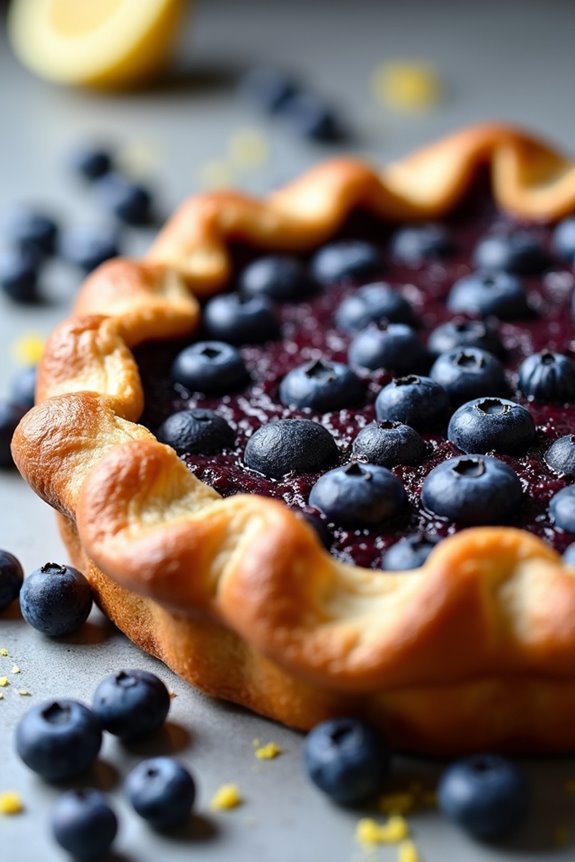
Finnish Mustikkapiirakka, or blueberry pie, is a delightful dessert that captures the essence of Scandinavian flavors. This traditional pie is known for its buttery crust and juicy blueberry filling, making it a favorite among both locals and visitors.
Blueberries, abundant in Finland and often hand-picked during the summer months, lend their sweet and slightly tart flavor to this dish, celebrating the natural bounty of the Nordic landscape.
Creating this pie is a wonderful way to experience Finnish cuisine, and it can be served warm or cold, often accompanied by a dollop of whipped cream or a scoop of vanilla ice cream. Perfect for family gatherings, picnics, or simply as a sweet treat at home, Finnish Mustikkapiirakka is sure to impress with its rustic charm and delicious taste.
Ingredients (Serves 4-6)
- 1 ½ cups all-purpose flour
- ½ cup granulated sugar
- ½ cup unsalted butter, softened
- 1 large egg
- 1 teaspoon baking powder
- ¼ teaspoon salt
- 2 cups fresh or frozen blueberries
- 1 tablespoon lemon juice
- 1 tablespoon cornstarch
- 1 teaspoon vanilla extract
Cooking Instructions
- Preheat the Oven: Begin by preheating your oven to 375°F (190°C). This guarantees that the pie will bake evenly and achieve a golden-brown crust.
- Prepare the Crust: In a mixing bowl, combine the flour, sugar, baking powder, and salt. Add the softened butter and mix until the mixture resembles coarse crumbs. Incorporate the egg and stir until the dough comes together. If the dough is too crumbly, you can add a small amount of cold water to help it bind.
- Shape the Crust: On a lightly floured surface, roll out the dough into a circle (about 12 inches in diameter) and transfer it into a pie dish. Trim any excess dough hanging over the edges and prick the bottom with a fork to prevent bubbling during baking.
- Prepare the Filling: In a separate bowl, combine the blueberries, lemon juice, cornstarch, and vanilla extract. Gently mix until the blueberries are well coated. This mixture will create a delicious filling that holds together during baking.
- Assemble the Pie: Pour the blueberry mixture into the prepared pie crust, spreading it evenly. If desired, you can create a lattice crust on top using any remaining dough for an attractive presentation.
- Bake the Pie: Place the pie in the preheated oven and bake for 35-40 minutes, or until the crust is golden and the filling is bubbling. Keep an eye on the pie, and if the edges brown too quickly, cover them with foil.
- Cool and Serve: Once baked, remove the pie from the oven and allow it to cool for at least 15 minutes. This will help the filling set up. Serve warm or at room temperature with whipped cream or ice cream, if desired.
Extra Tips
For the best results, use fresh blueberries when in season, as they’ll provide the most flavor. If using frozen blueberries, don’t thaw them before adding to the pie filling; this helps prevent excess moisture from making the crust soggy.
Additionally, feel free to experiment with spices like cinnamon or nutmeg for a unique twist on the classic recipe. Storing leftovers in the refrigerator can keep the pie fresh for several days, making it a great treat to enjoy later.
Swedish Cinnamon Buns

Swedish Cinnamon Buns, or “Kanelbullar,” are a beloved treat in Sweden, often enjoyed during Fika—a time for coffee and pastries. These soft, sweet buns are filled with a delightful mixture of cinnamon, sugar, and butter, then twisted into beautiful spirals and baked to golden perfection. Not only are they a staple in Swedish culture, but they also bring warmth and comfort to any gathering, making them perfect for sharing with family and friends.
Making Swedish Cinnamon Buns is a fun and rewarding baking experience that fills your home with an irresistible aroma of cinnamon and sugar. The dough is enriched with butter and milk, which gives the buns their soft texture, while the filling adds a sweet and spicy flavor that’s hard to resist. Whether you enjoy them fresh out of the oven or at room temperature, these buns are sure to be a hit with everyone.
Ingredients (Serves 4-6):
- 4 cups all-purpose flour
- 1 packet (2 1/4 tsp) active dry yeast
- 1/2 cup milk, warmed
- 1/4 cup sugar
- 1/2 cup unsalted butter, melted
- 1/2 tsp salt
- 1 large egg
- 1/4 cup sugar (for filling)
- 2 tbsp ground cinnamon (for filling)
- 1/4 cup unsalted butter, softened (for filling)
- 1 egg (beaten, for egg wash)
- Pearl sugar (for topping, optional)
Cooking Instructions:
- Prepare the Dough: In a large mixing bowl, combine warm milk, sugar, and yeast. Allow it to sit for about 5-10 minutes until it becomes frothy. This indicates that the yeast is active. Next, add melted butter, egg, and salt to the mixture, then gradually incorporate the flour until a soft dough forms.
- Knead the Dough: Transfer the dough onto a floured surface and knead for about 5-10 minutes, until it becomes smooth and elastic. You can also use a stand mixer with a dough hook for this process. Once kneaded, shape the dough into a ball and place it in a greased bowl, covering it with a kitchen towel. Let it rise in a warm place for about 1 hour or until it doubles in size.
- Prepare the Filling: While the dough is rising, mix together the softened butter, sugar, and ground cinnamon in a small bowl until well combined. This will be the filling for your buns.
- Roll Out the Dough: After the dough has risen, punch it down to release the air. On a floured surface, roll the dough into a large rectangle, about 1/4 inch thick. Spread the cinnamon filling evenly over the surface of the dough, leaving a small border around the edges.
- Shape the Buns: Starting from one long edge, carefully roll up the dough tightly into a log. Once rolled, slice the log into 12 equal pieces. Place the buns cut-side up in a greased baking dish or on a parchment-lined baking sheet.
- Second Rise: Cover the shaped buns with a kitchen towel and let them rise again for about 30 minutes, or until they’ve puffed up.
- Preheat Oven and Prepare for Baking: Preheat your oven to 375°F (190°C). Brush the tops of the buns with the beaten egg for a golden finish, and sprinkle with pearl sugar if desired.
- Bake: Bake the buns in the preheated oven for 15-20 minutes, or until they’re golden brown. Keep an eye on them to prevent over-baking.
- Cool and Serve: Once baked, remove the buns from the oven and allow them to cool slightly before serving. Enjoy them warm or at room temperature!
Extra Tips:
When making Swedish Cinnamon Buns, make sure your ingredients are at room temperature for ideal mixing. If you’re short on time, you can prepare the dough the night before and let it rise in the refrigerator overnight. This not only saves time but also enhances the flavor of the dough.
Additionally, you can experiment with different fillings, such as cardamom or nuts, to add a unique twist to these classic buns. Enjoy the baking process and the delightful aroma that fills your kitchen!
