


When Oktoberfest comes around, I’m reminded of the comforting flavors of bratwurst, pretzels, and potato salads. It’s the perfect time to bring a touch of that festive vibe into our homes. Picture yourself surrounded by these classic dishes, each bite a little taste of Germany. This collection of recipes is all about celebrating tradition and adding a special touch to your next gathering. You won’t want to miss these delicious ideas!
Bratwurst With Sauerkraut
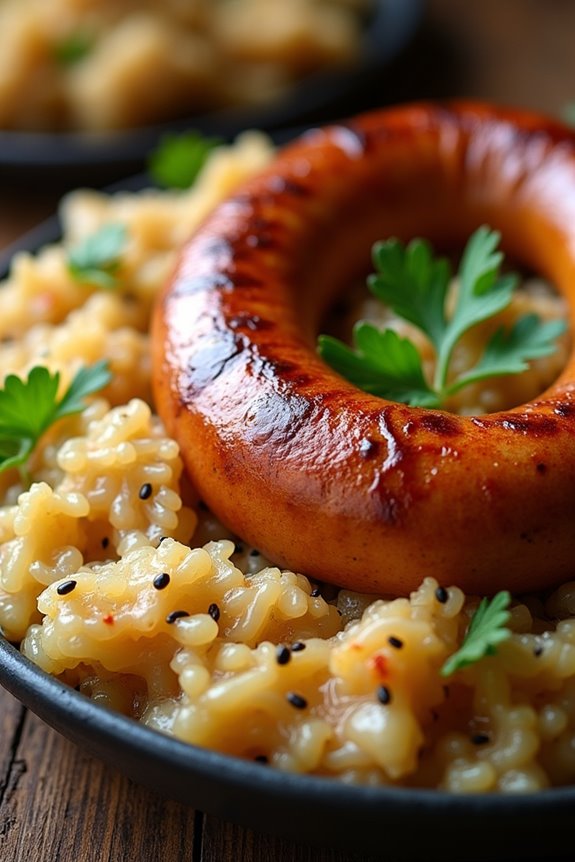
Bratwurst with sauerkraut is a classic German dish that embodies the spirit of Oktoberfest. This hearty combination of savory sausages and tangy fermented cabbage isn’t only delicious but also deeply rooted in German culinary tradition. Perfect for gatherings or family dinners, this dish brings a taste of Bavaria right to your table, making it a favorite during the fall season when the festival takes place.
In this recipe, you’ll learn how to prepare bratwurst that’s perfectly browned and served alongside warm sauerkraut, creating a comforting and satisfying meal. The combination of flavors—rich and savory from the bratwurst, and slightly sour from the sauerkraut—makes it a delightful dish that pairs wonderfully with mustard and freshly baked bread. Prepare to impress your guests with this authentic Oktoberfest recipe!
Ingredients (Serves 4-6):
- 6 bratwurst sausages
- 2 cups sauerkraut, drained and rinsed
- 1 medium onion, sliced
- 2 tablespoons olive oil
- 1 cup chicken or vegetable broth
- 1 tablespoon brown sugar
- 1 teaspoon caraway seeds (optional)
- Salt and pepper to taste
- Fresh parsley for garnish (optional)
Cooking Instructions:
- Prepare the Ingredients: Begin by gathering all your ingredients. Drain and rinse the sauerkraut to reduce its saltiness. Slice the onion and set it aside for cooking. This preparation will make the cooking process smoother.
- Brown the Bratwurst: In a large skillet or Dutch oven, heat the olive oil over medium-high heat. Add the bratwurst sausages to the skillet and brown them on all sides, approximately 5-7 minutes. This step enhances the flavor and texture of the sausages, creating a delicious crust.
- Cook the Onions: Once the bratwurst is browned, remove them from the skillet and set them aside. In the same skillet, add the sliced onions and sauté them until they become soft and translucent, about 3-4 minutes. This will add sweetness and depth to the dish.
- Combine Sauerkraut and Seasonings: Add the drained sauerkraut to the skillet with the onions. Pour in the chicken or vegetable broth, then sprinkle in the brown sugar and caraway seeds (if using). Stir well to combine all the ingredients and allow the flavors to meld together.
- Simmer: Return the bratwurst to the skillet, nestling them into the sauerkraut mixture. Cover the skillet and reduce the heat to low. Let it simmer for about 20-25 minutes, allowing the sausages to cook through and the flavors to marry. Stir occasionally to prevent sticking.
- Serve: Once the bratwurst are fully cooked and the sauerkraut is heated through, taste and adjust the seasoning with salt and pepper as needed. Serve hot, garnished with fresh parsley if desired. Pair with mustard and crusty bread for an authentic experience.
Extra Tips:
For an extra layer of flavor, consider adding a splash of beer to the sauerkraut during the simmering process; this will deepen the taste and enhance the traditional German experience.
Additionally, using a mix of different types of bratwurst, such as pork, beef, or turkey, can provide a variety of flavors. If you prefer your sauerkraut to be less tangy, try cooking it for a bit longer until it softens further, allowing the flavors to mellow.
Enjoy your bratwurst with sauerkraut, and celebrate Oktoberfest with every bite!
Pretzel Bites With Mustard

Pretzel bites are a delightful twist on the classic German pretzel, making them perfect for Oktoberfest celebrations or any gathering. These soft, chewy bites are easy to make and can be served as a snack, appetizer, or even a fun party food. Pair them with a tangy mustard dipping sauce for an authentic taste of Germany that will transport you straight to the heart of Munich.
Making pretzel bites at home isn’t only satisfying but also a fun activity that can involve the whole family. The dough is made from simple ingredients, and the process of shaping and boiling the bites is both enjoyable and rewarding. When you serve these pretzel bites warm with a side of mustard, you’ll have a crowd-pleaser on your hands that everyone will love.
Ingredients (Serves 4-6):
- 1 ½ cups warm water (110°F)
- 1 packet (2 ¼ tsp) active dry yeast
- 1 tbsp granulated sugar
- 4 cups all-purpose flour
- 1 tsp salt
- ⅓ cup baking soda
- 1 large egg (beaten, for egg wash)
- Coarse sea salt (for sprinkling)
- Mustard (for dipping)
Cooking Instructions:
- Activate the Yeast: In a large mixing bowl, combine the warm water, active dry yeast, and granulated sugar. Let it sit for about 5-10 minutes until it becomes frothy, indicating that the yeast is active.
- Prepare the Dough: Add the all-purpose flour and salt to the yeast mixture. Use a wooden spoon to combine the ingredients until a shaggy dough forms. Then, knead the dough on a lightly floured surface for about 5-7 minutes until it’s smooth and elastic.
- Let the Dough Rise: Place the kneaded dough in a greased bowl, cover it with a kitchen towel, and let it rise in a warm place for about 1 hour, or until it has doubled in size.
- Preheat the Oven: While the dough is rising, preheat your oven to 450°F (230°C) and line a baking sheet with parchment paper.
- Shape the Pretzel Bites: Once the dough has risen, punch it down and turn it out onto a floured surface. Divide the dough into small pieces, about 1 inch each, and roll them into balls.
- Boil the Bites: In a large pot, bring 8 cups of water to a boil and add the baking soda. Carefully drop in the pretzel bites (do this in batches) and boil them for about 30 seconds. Use a slotted spoon to remove them from the water and place them on the prepared baking sheet.
- Egg Wash and Sprinkle Salt: Brush the tops of the pretzel bites with the beaten egg to give them a nice golden color. Sprinkle coarse sea salt over the top.
- Bake: Bake the pretzel bites in the preheated oven for 12-15 minutes or until they’re golden brown. Remove them from the oven and let them cool slightly before serving.
Extra Tips:
For the best flavor, consider experimenting with different types of mustard for dipping, such as spicy brown, sweet Bavarian, or even a homemade honey mustard.
If you want to make your pretzel bites even more festive, try adding toppings like grated cheese or garlic butter before baking. Always serve the pretzel bites warm for the best taste and texture; you can reheat any leftovers in the oven for a few minutes.
Enjoy your Oktoberfest celebration with these delicious pretzel bites!
Potato Salad With Bacon
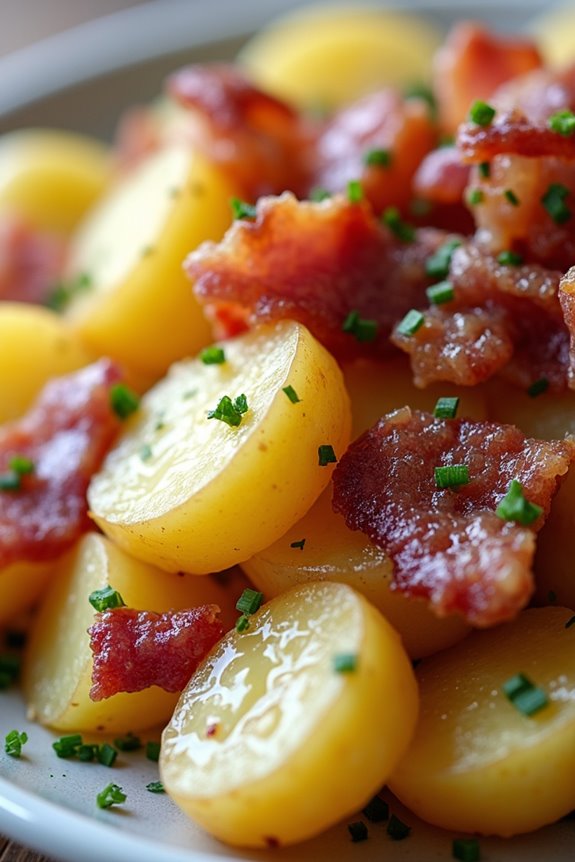
Potato Salad With Bacon is a delightful twist on the classic German potato salad that brings a savory and smoky flavor to the table. This dish is perfect for gatherings, barbecues, or as a side to accompany your favorite meats. The addition of crispy bacon not only enhances the taste but also adds a wonderful texture, making it a favorite among many.
The blend of tangy dressing and warm potatoes creates a comfort food experience that’s hard to resist. This potato salad isn’t just about flavor; it’s also about the experience of sharing a homemade dish that has roots in German culinary traditions.
Combining tender potatoes with a rich dressing and crispy bacon, this recipe is sure to be a hit at your next Oktoberfest celebration or family dinner. Serve it warm or chilled, and enjoy the hearty flavors that make this dish truly special.
Ingredients (Serves 4-6)
- 2 pounds of waxy potatoes (such as Yukon Gold or red potatoes)
- 6 slices of bacon
- 1/2 cup of diced red onion
- 1/4 cup of chopped fresh parsley
- 1/2 cup of apple cider vinegar
- 1/3 cup of vegetable oil
- 1 tablespoon of Dijon mustard
- Salt and pepper to taste
- 1 tablespoon of sugar (optional)
Cooking Instructions
- Prepare the Potatoes: Start by washing and scrubbing the potatoes under cold running water. Place them in a large pot, cover with water, and add a generous pinch of salt. Bring to a boil over high heat, then reduce to a simmer and cook until the potatoes are fork-tender, about 15-20 minutes. Avoid overcooking, as you want them to hold their shape in the salad.
- Cook the Bacon: While the potatoes are cooking, heat a large skillet over medium heat. Add the slices of bacon and cook until crispy and browned, about 5-7 minutes. Once cooked, remove the bacon from the skillet and place it on a paper towel-lined plate to drain excess grease. Reserve about 2 tablespoons of the bacon fat in the skillet for the dressing.
- Chop Ingredients: Once the bacon has cooled, chop it into small pieces. Dice the red onion and chop the parsley. Set all the ingredients aside.
- Make the Dressing: In the same skillet with the reserved bacon fat, add the apple cider vinegar, vegetable oil, Dijon mustard, and sugar (if using). Whisk together over low heat until well combined, and season with salt and pepper to taste. Remove from heat and let the dressing cool slightly.
- Assemble the Salad: Once the potatoes are cooked, drain them and let them cool for about 10 minutes. Cut the potatoes into bite-sized pieces and place them in a large bowl. Add the bacon, diced red onion, and chopped parsley. Pour the warm dressing over the potato mixture and gently toss to combine, ensuring all ingredients are well coated.
- Serve: You can serve the potato salad warm or refrigerate it for at least an hour to let the flavors meld together. If serving chilled, give it a gentle toss before serving to redistribute the dressing.
Extra Tips
For the best results, use waxy potatoes that hold their shape well after cooking. Feel free to experiment with additional ingredients like pickles or hard-boiled eggs for added flavor and texture.
If you prefer a lighter version, you can substitute the vegetable oil with Greek yogurt or sour cream for the dressing. Additionally, this salad can be made a day ahead of time, allowing the flavors to develop even further. Just remember to give it a good toss before serving!
Weisswurst With Sweet Mustard

Weisswurst, or “white sausage,” is a traditional Bavarian delicacy that has been enjoyed for centuries, particularly during Oktoberfest. Made primarily from minced veal and pork back bacon, this pale sausage is seasoned with fresh parsley, lemon zest, and a hint of cardamom. The dish is typically served with sweet mustard, which complements the mild flavors of the sausage beautifully, making it a beloved favorite among locals and visitors alike.
Preparing Weisswurst is a rewarding experience, as it allows you to immerse yourself in Bavarian culture while enjoying the delightful flavors of this regional specialty. Traditionally, Weisswurst is best enjoyed in the morning or at lunchtime, often accompanied by freshly baked pretzels and a cold beer. This recipe will guide you through the process of creating this dish that serves 4-6 people, guaranteeing you can share the joy of Weisswurst with friends and family.
Ingredients:
- 1 pound veal, finely minced
- 1/2 pound pork back bacon, finely minced
- 1/4 cup crushed ice
- 1/4 cup fresh parsley, finely chopped
- 1 teaspoon lemon zest
- 1/2 teaspoon ground cardamom
- 1/2 teaspoon salt
- 1/4 teaspoon white pepper
- Sausage casings (natural or synthetic, soaked in water)
- Sweet mustard for serving
Cooking Instructions:
- Prepare the Sausage Mixture: In a large mixing bowl, combine the finely minced veal and pork back bacon. Add the crushed ice, chopped parsley, lemon zest, ground cardamom, salt, and white pepper. Mix well using your hands or a wooden spoon until all ingredients are thoroughly incorporated. The mixture should be smooth and cohesive.
- Stuff the Sausages: Rinse the soaked sausage casings thoroughly under cold water. Fit one end of a sausage casing onto a sausage stuffer attachment and secure it in place. Carefully fill the casing with the sausage mixture, being careful not to overstuff, as this can cause the sausage to burst during cooking. Tie off the open end of the casing securely with kitchen twine.
- Form the Sausages: Once the casing is filled, twist into 6-inch links, twisting at regular intervals to create individual sausages. Tie off the ends of each sausage link with twine. Prick each sausage lightly with a fork to release any air pockets.
- Cook the Sausages: Bring a large pot of water to a gentle simmer (do not let it boil). Carefully add the stuffed sausages to the pot and cook for about 20-25 minutes or until the sausages are cooked through and reach an internal temperature of 160°F (71°C).
- Serve: Remove the sausages from the pot and allow them to rest for a few minutes. Serve the Weisswurst hot with sweet mustard on the side, accompanied by pretzels or rolls for a traditional Bavarian meal.
Extra Tips:
When making Weisswurst, it’s crucial to keep all your ingredients, utensils, and the mixing bowl cold to achieve the best texture and flavor. Using crushed ice in the mixture helps maintain a cool temperature, preventing the fat from melting.
Additionally, for a more authentic experience, consider sourcing high-quality sausages casings from a local butcher or specialty store. This won’t only enhance the flavor but also improve the presentation of your Weisswurst. Enjoying the sausages with a side of sweet mustard is a must, as it brings out the delicate flavors of the dish perfectly.
Pork Knuckle (Schweinshaxe)
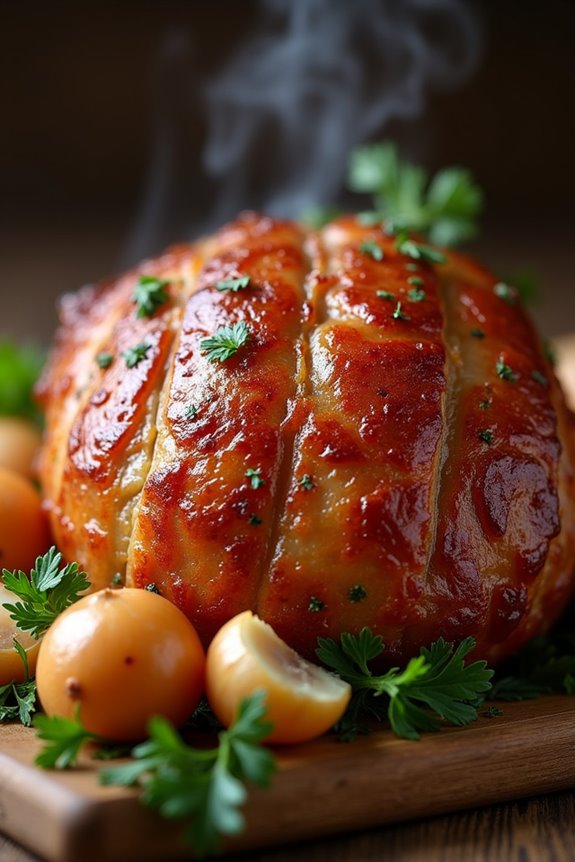
Pork Knuckle, or Schweinshaxe, is a traditional Bavarian dish that has become synonymous with Oktoberfest celebrations. Known for its crispy skin and tender, juicy meat, this dish is a true crowd-pleaser. The combination of flavorful spices and slow-roasting techniques results in a mouthwatering experience that transports you straight to the heart of Germany.
Whether you’re hosting a festive gathering or simply indulging in a hearty meal, this recipe is sure to impress.
The key to a great Schweinshaxe lies in the preparation and cooking time. While it may seem intimidating, with the right approach and ingredients, you’ll create a dish that showcases the essence of Bavarian cuisine. Serve it alongside traditional accompaniments such as sauerkraut, potato dumplings, or pretzels, and you have a perfect Oktoberfest feast.
Ingredients (serving size: 4-6 people)
- 1 whole pork knuckle (approximately 4-5 pounds)
- 2 tablespoons olive oil
- 1 tablespoon salt
- 1 teaspoon black pepper
- 1 teaspoon garlic powder
- 1 teaspoon onion powder
- 1 teaspoon paprika
- 1 teaspoon caraway seeds
- 2 cups beef or vegetable broth
- 1 cup beer (preferably a lager)
- 2 onions, quartered
- 4 cloves garlic, minced
- Fresh parsley for garnish (optional)
Cooking Instructions
- Preheat the Oven: Begin by preheating your oven to 350°F (175°C). This allows for an even cooking temperature, ensuring that the pork knuckle achieves that perfect crispy skin and tender meat.
- Prepare the Pork Knuckle: Pat the pork knuckle dry with paper towels to remove excess moisture. This helps the skin to crisp up nicely during roasting. Score the skin in a diamond pattern using a sharp knife, being careful not to cut into the meat itself.
- Season the Meat: In a small bowl, mix together salt, black pepper, garlic powder, onion powder, paprika, and caraway seeds. Rub this spice blend all over the pork knuckle, making sure to get it into the scored skin and crevices for maximum flavor.
- Sear the Knuckle: Heat olive oil in a large, oven-safe skillet or roasting pan over medium-high heat. Once hot, sear the pork knuckle on all sides until browned, about 3-4 minutes per side. This step adds a depth of flavor and helps to lock in juices.
- Add Aromatics and Liquid: Remove the knuckle from the skillet and set aside. In the same pan, add the quartered onions and minced garlic, sautéing for a couple of minutes until fragrant. Place the pork knuckle back in the pan and pour the beef broth and beer around it, ensuring that the liquid doesn’t cover the skin.
- Roast the Knuckle: Cover the pan tightly with aluminum foil and place it in the preheated oven. Roast for about 2 hours, basting the knuckle halfway through with the broth to keep it moist.
- Crisp the Skin: After 2 hours, remove the foil and increase the oven temperature to 425°F (220°C). Continue roasting for an additional 30-45 minutes, or until the skin is crispy and golden brown. Keep an eye on it to prevent burning, and baste occasionally.
- Rest and Serve: Once the pork knuckle is done, remove it from the oven and let it rest for about 15 minutes. This allows the juices to redistribute within the meat. Carve and serve with your choice of sides, garnished with fresh parsley if desired.
Extra Tips
For the best results, consider marinating the pork knuckle overnight in a mixture of beer, garlic, and spices to enhance the flavors even further.
Additionally, if you prefer an extra crispy skin, you can place the knuckle under the broiler for a few minutes at the end of cooking. Just be sure to keep a close watch to avoid burning.
Enjoy your authentic Oktoberfest experience with this delicious Schweinshaxe!
German Potato Dumplings (Knödel)

German Potato Dumplings, or Knödel, are a delightful and hearty side dish that perfectly complements many traditional German meals, especially during Oktoberfest celebrations. These dumplings are made primarily from potatoes and flour, resulting in a soft and fluffy texture that pairs beautifully with rich gravies and sauces.
Knödel can be enjoyed with meats, or simply served with a drizzle of melted butter and a sprinkle of herbs, making them a versatile addition to any festive table.
Making Knödel may seem intimidating at first, but with the right ingredients and a little patience, you can create these delicious dumplings at home. They’re often made with a combination of both raw and cooked potatoes, which gives them a unique flavor and texture.
Whether you’re planning to serve them with a classic roast or a vegetarian dish, these dumplings are sure to impress your guests and elevate your Oktoberfest feast.
Ingredients (serving size: 4-6 people)
- 2 pounds of potatoes (preferably starchy potatoes)
- 1 cup of all-purpose flour
- 2 large eggs
- 1 teaspoon of salt
- 1/2 teaspoon of nutmeg (optional)
- 1/4 cup of finely chopped fresh parsley (optional)
- 1 tablespoon of butter (for sautéing)
- 1/4 cup of breadcrumbs (for serving, optional)
Cooking Instructions
1. Prepare the Potatoes: Begin by peeling the potatoes and cutting them into quarters. Place the cut potatoes in a large pot and cover them with cold water. Add a pinch of salt to the water and bring it to a boil over medium-high heat. Cook the potatoes until they’re fork-tender, which usually takes about 15-20 minutes.
Once done, drain the potatoes and allow them to cool slightly.
2. Mash the Potatoes: Once the potatoes are cool enough to handle, use a potato ricer or a masher to mash them until smooth. Make sure there are no lumps, as this will affect the texture of the dumplings.
Spread the mashed potatoes on a clean surface to cool completely.
3. Combine Ingredients: In a large mixing bowl, combine the cooled mashed potatoes, flour, eggs, salt, and nutmeg (if using). Use your hands to gently mix everything until a soft dough forms.
Be careful not to over-knead, as this can make the dumplings tough.
4. Form the Dumplings: Once the dough is ready, divide it into equal portions. Roll each portion into a ball, about the size of a golf ball.
If you want to add a filling, you can flatten the ball slightly, place a small spoonful of your filling in the center, and then carefully mold it back into a ball.
5. Cook the Dumplings: In a large pot of boiling salted water, gently add the dumplings. Make sure not to overcrowd the pot; you may need to cook them in batches.
Boil the dumplings until they float to the surface, which usually takes about 5-7 minutes. Once they float, let them cook for an additional 2-3 minutes before removing them with a slotted spoon.
6. Serve: In a sauté pan, melt butter over medium heat. If desired, add breadcrumbs and sauté until golden brown.
Serve the dumplings hot, drizzled with the melted butter and breadcrumbs, or with your favorite sauce.
Extra Tips
For the best texture, use starchy potatoes like Russets or Yukon Golds, as they yield a fluffier dumpling.
You can also experiment with different fillings, such as sautéed onions or meats, to add extra flavor to your Knödel. If you plan to make them ahead of time, you can freeze the uncooked dumplings on a baking sheet and then transfer them to a freezer bag.
Just cook them directly from frozen, adding a couple of extra minutes to the boiling time. Enjoy your homemade Knödel as a perfect accompaniment to your Oktoberfest celebrations!
Sauerkraut and Sausages

Sauerkraut and sausages is a quintessential German dish that perfectly embodies the spirit of Oktoberfest. It combines the tangy, fermented flavors of sauerkraut with savory sausages, creating a hearty meal that’s both comforting and satisfying. This dish isn’t only a staple at Oktoberfest celebrations but also makes for a delightful weeknight dinner or a fun gathering with friends. The combination of flavors and textures is sure to please any crowd.
Making sauerkraut and sausages from scratch might sound intimidating, but it’s actually quite simple. The key is to use high-quality sausages and let the flavors meld together as they cook. This recipe serves 4-6 people, making it perfect for family dinners or festive occasions. Pair it with a side of crusty bread and a good German beer for a truly authentic experience.
Ingredients:
- 1 pound of kielbasa or bratwursts
- 2 tablespoons vegetable oil
- 1 medium onion, sliced
- 2 cloves garlic, minced
- 1 apple, peeled and chopped
- 1 (32-ounce) jar of sauerkraut, drained and rinsed
- 1 cup chicken or vegetable broth
- 1 tablespoon caraway seeds (optional)
- 1 teaspoon black pepper
- Salt to taste
- Fresh parsley, chopped (for garnish)
Cooking Instructions:
- Sauté the Sausages: In a large skillet or Dutch oven, heat the vegetable oil over medium heat. Add the sausages and cook until they’re browned on all sides, about 5-7 minutes. This step adds flavor and color to the sausages, which will enhance the overall taste of the dish.
- Cook the Onions and Garlic: Once the sausages are browned, remove them from the skillet and set them aside. In the same skillet, add the sliced onion and cook until they’re translucent, about 3-4 minutes. Then, add the minced garlic and cook for an additional minute, stirring frequently to prevent burning.
- Add the Apple and Sauerkraut: Stir in the chopped apple and cook for another 2 minutes. This step adds a subtle sweetness to balance the tanginess of the sauerkraut. Next, add the drained and rinsed sauerkraut to the skillet, mixing well with the onions and apples.
- Combine and Simmer: Pour in the chicken or vegetable broth, followed by the caraway seeds and black pepper. Stir everything together, then return the sausages to the skillet. Bring the mixture to a gentle simmer, cover, and let it cook for about 30 minutes. The flavors will meld beautifully during this time.
- Adjust Seasoning and Serve: After 30 minutes, taste the dish and adjust the seasoning with salt if needed. Once everything is heated through and the sausages are cooked, remove from heat. Garnish with fresh parsley before serving.
Extra Tips:
To enhance the dish further, consider adding a splash of apple cider vinegar for an extra zing or a tablespoon of mustard for a bit of spice. If you prefer a smokier flavor, look for smoked sausages or add a couple of strips of bacon to the initial sauté.
This dish can also be made in a slow cooker for a convenient option; just follow the same steps but allow it to cook on low for 6-8 hours. Enjoy your hearty German feast!
Beef Rinderroulade
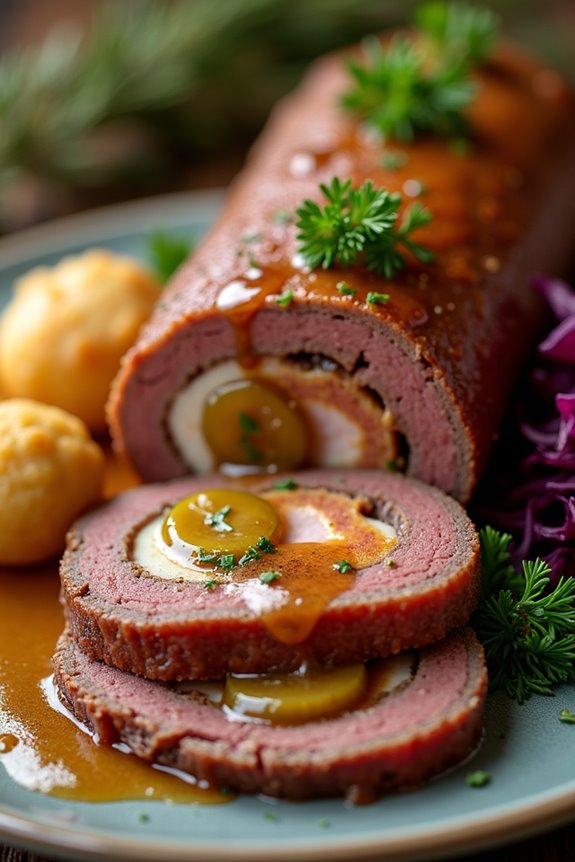
Beef Rinderroulade is a traditional German dish that embodies the heartiness and flavor of Oktoberfest cuisine. This rolled beef dish is filled with a savory mixture of bacon, pickles, and mustard, then simmered until tender. It’s often served with rich gravy, red cabbage, and hearty dumplings, making it perfect for festive gatherings or a comforting family dinner.
The technique of rolling and braising the meat guarantees that each bite is packed with flavor and texture, celebrating the culinary traditions of Germany.
The process of preparing Rinderroulade may seem intimidating, but it’s quite straightforward with a little patience. The key to success lies in choosing the right cut of beef, usually flank or top round, which is both flavorful and ideal for rolling. With the right ingredients and technique, you’ll impress your family and friends with an authentic taste of Germany that perfectly complements the Oktoberfest spirit.
Ingredients (serving size of 4-6 people):
- 4-6 slices of beef flank or top round (about 1/4 inch thick)
- 4-6 slices of bacon
- 4-6 tablespoons of Dijon mustard
- 4-6 dill pickles, sliced lengthwise
- 1 large onion, finely chopped
- 2 cloves of garlic, minced
- 1 cup of beef broth
- 1 cup of red wine
- 2 tablespoons of vegetable oil
- 1 tablespoon of flour (for thickening)
- Salt and pepper to taste
- Fresh parsley for garnish (optional)
Cooking Instructions:
- Prepare the Beef: Lay each slice of beef flat on a cutting board. Season both sides with salt and pepper. Spread about a tablespoon of Dijon mustard evenly over each slice of beef, making sure to cover the entire surface.
- Layer the Fillings: On top of the mustard-coated beef, place a slice of bacon, a few slices of dill pickle, and a sprinkle of chopped onion and minced garlic. These ingredients will infuse the beef with wonderful flavors.
- Roll the Beef: Starting from one end, tightly roll each slice of beef up, enclosing the filling. Secure each roll with kitchen twine or toothpicks to keep everything intact during cooking.
- Brown the Rolls: In a large skillet, heat the vegetable oil over medium-high heat. Add the beef rolls to the skillet and brown them on all sides, about 3-4 minutes per side. This step adds flavor and helps seal in the juices.
- Simmer the Rolls: Once browned, remove the rolls from the skillet and set aside. In the same skillet, add the beef broth and red wine, scraping up any browned bits from the bottom. Return the beef rolls to the skillet, cover, and reduce the heat to low. Let them simmer for about 1.5 to 2 hours, or until the beef is tender.
- Thicken the Gravy: After the beef has cooked, remove the rolls and keep them warm. In the skillet, whisk in the flour to thicken the sauce. Let it simmer for a few more minutes until it reaches your desired consistency. Adjust seasoning with salt and pepper if needed.
- Serve: Slice the Rinderroulade into rounds and plate with the rich gravy drizzled over the top. Garnish with fresh parsley if desired, and serve with traditional sides like red cabbage and dumplings.
Extra Tips:
When preparing Beef Rinderroulade, it’s essential to allow enough time for the beef to simmer so that it becomes tender and flavorful.
If you prefer a slightly sweeter taste, consider adding a splash of balsamic vinegar or a bit of sugar to the sauce. For a more robust flavor, try marinating the beef in the wine the night before.
Finally, make sure to taste and adjust the seasoning throughout the cooking process to make certain that the dish is seasoned to perfection. Enjoy your culinary journey into traditional German cuisine!
Spätzle With Cheese

Spätzle With Cheese, or Kässespätzle, is a traditional German dish that perfectly embodies the comforting flavors of Oktoberfest. This delightful recipe combines tender egg noodles, known as Spätzle, with a rich, creamy cheese sauce to create a dish that’s both hearty and satisfying.
Often served as a side or a main course, it’s a warm and inviting meal that brings a taste of Germany right to your home. Making Spätzle is a simple process that requires just a few basic ingredients, and the result is a dish that’s rich in flavor and texture.
The addition of cheese takes this dish to the next level, creating a gooey, delicious treat that’s perfect for sharing with family and friends. Whether you’re enjoying it during Oktoberfest or any time of the year, Spätzle With Cheese is sure to become a favorite.
Ingredients (Serves 4-6):
- 2 cups all-purpose flour
- 4 large eggs
- 1/2 cup milk
- 1 teaspoon salt
- 1/4 teaspoon ground nutmeg
- 2 cups grated cheese (such as Emmental or Gruyère)
- 1 medium onion, thinly sliced
- 2 tablespoons butter
- Fresh parsley, chopped (for garnish)
- Black pepper (to taste)
Cooking Instructions:
- Prepare the Spätzle Dough: In a large mixing bowl, combine the flour, salt, and nutmeg. Make a well in the center and add the eggs and milk. Mix together until a smooth batter forms. The consistency should be thick but pourable. If it’s too thick, add a little more milk.
- Boil Water: In a large pot, bring salted water to a boil. Once boiling, reduce the heat to a gentle simmer. This is where you’ll cook the Spätzle.
- Cook the Spätzle: Using a Spätzle maker or a colander with large holes, press the dough through into the simmering water. Cook for about 2-3 minutes or until the Spätzle rise to the surface. Remove them with a slotted spoon and set aside in a bowl. Repeat until all the dough is cooked.
- Sauté the Onions: In a large skillet, melt the butter over medium heat. Add the sliced onions and sauté until they’re golden brown and caramelized, about 10-12 minutes. Stir occasionally to guarantee even cooking.
- Combine Spätzle and Cheese: Add the cooked Spätzle to the skillet with the sautéed onions. Sprinkle the grated cheese on top and gently toss everything together, allowing the cheese to melt and coat the Spätzle evenly. Season with black pepper.
- Serve: Remove from heat and transfer the cheesy Spätzle to a serving dish. Garnish with fresh chopped parsley before serving. Enjoy your delicious Spätzle With Cheese while hot!
Extra Tips:
For an extra layer of flavor, consider adding crispy bacon or sautéed mushrooms to the dish. If you prefer a more pronounced cheese flavor, you can mix different types of cheese or even add a sprinkle of grated Parmesan on top before serving.
Additionally, serving the dish with a side of pickles or a fresh green salad can help balance the richness of the cheese. Enjoy your cooking experience and the delightful taste of this classic German recipe!
Apfelstrudel (Apple Strudel)

Apfelstrudel, or apple strudel, is a traditional German pastry that has gained international fame for its flaky, thin layers and sweet, spiced apple filling. This delightful dessert perfectly embodies the spirit of Oktoberfest with its warm flavors and inviting aroma, making it a beloved treat during the festivities. The origins of this dish can be traced back to the Austro-Hungarian Empire, but it has since become a staple in German kitchens, especially during autumn when apples are in peak season.
Creating a homemade Apfelstrudel is an enjoyable process that combines simple ingredients with a touch of technique. The strudel dough, rolled out to paper-thin perfection, envelops a flavorful filling of tart apples, cinnamon, sugar, and breadcrumbs, resulting in a dessert that’s both comforting and delicious. Whether served warm with a dusting of powdered sugar or accompanied by a scoop of vanilla ice cream, this strudel is sure to impress your family and friends.
Ingredients (Serves 4-6 people)
- 1 ½ cups all-purpose flour
- 2 tablespoons granulated sugar
- ½ teaspoon salt
- 2 tablespoons vegetable oil
- 1 large egg
- ½ cup lukewarm water
- 4 cups peeled and thinly sliced apples (such as Granny Smith or Honeycrisp)
- ½ cup granulated sugar (adjust for sweetness)
- 1 teaspoon ground cinnamon
- 1 tablespoon lemon juice
- ½ cup breadcrumbs
- ¼ cup melted butter
- Powdered sugar (for dusting)
Cooking Instructions
- Make the Dough: In a mixing bowl, combine the flour, 2 tablespoons of granulated sugar, and salt. Create a well in the center and add the vegetable oil, egg, and lukewarm water. Mix until a sticky dough forms. Knead on a lightly floured surface for about 5-7 minutes until smooth. Cover with a damp cloth and let it rest for at least 30 minutes.
- Prepare the Apple Filling: While the dough is resting, prepare the filling. In a large bowl, combine the sliced apples, ½ cup of granulated sugar, ground cinnamon, and lemon juice. Toss everything together gently to coat the apples evenly. Set aside to allow the flavors to meld.
- Roll Out the Dough: On a large, floured tablecloth or clean kitchen surface, roll out the dough as thinly as possible, ideally to a size of about 16×24 inches. If the dough tears, patch it with your fingers. The goal is to make it so thin that you can see the tablecloth through it.
- Add the Breadcrumbs: Sprinkle the breadcrumbs evenly over the rolled-out dough, leaving a 1-inch border around the edges. The breadcrumbs will help absorb excess moisture from the apples during baking.
- Add the Apple Filling: Evenly distribute the apple mixture over the breadcrumbs, making sure to keep the filling within the borders.
- Roll the Strudel: Starting from one of the shorter sides, carefully lift the edge of the tablecloth and begin to roll the dough tightly over the filling. Use the cloth to help guide and tighten the roll. Once rolled, tuck the ends under to seal the filling inside.
- Bake the Strudel: Preheat your oven to 375°F (190°C). Carefully transfer the rolled strudel onto a parchment-lined baking sheet, seam side down. Brush the top with melted butter, then bake for 25-30 minutes, or until golden brown and crisp.
- Serve: Remove the strudel from the oven and let it cool slightly. Dust with powdered sugar before slicing. Serve warm, optionally with a scoop of vanilla ice cream or a dollop of whipped cream.
Extra Tips
When making Apfelstrudel, be sure to use a variety of apples for a more complex flavor profile. Mixing tart and sweet apples can elevate the dish.
Additionally, if you’re short on time, you can use store-bought phyllo dough instead of making your own, though the texture may differ. Ultimately, don’t skip the resting time for the dough; it helps relax the gluten and makes rolling easier.
Enjoy your homemade Apfelstrudel with a cup of coffee or tea for a perfect autumn treat!
Black Forest Cake (Schwarzwälder Kirschtorte)
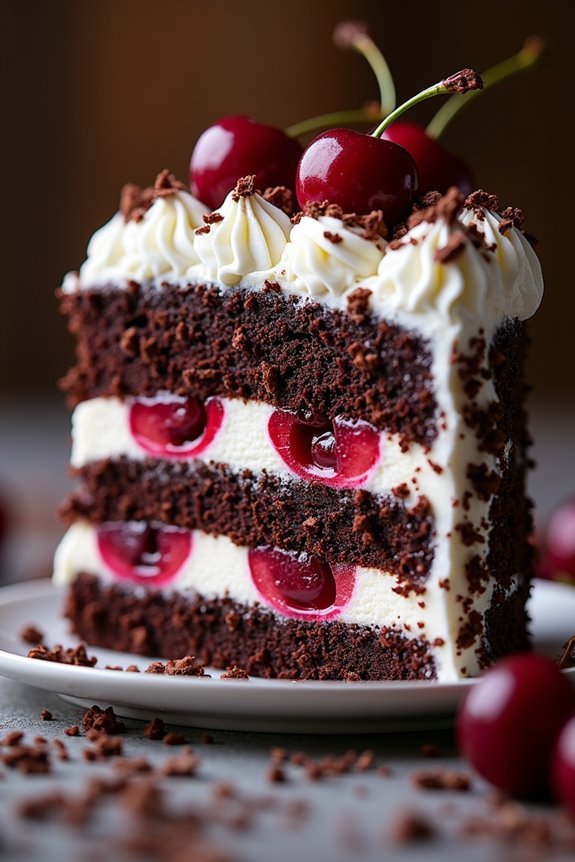
Black Forest Cake, or Schwarzwälder Kirschtorte, is a classic German dessert that combines rich chocolate cake with layers of whipped cream, cherries, and a splash of Kirsch (cherry schnapps). This indulgent treat hails from the Black Forest region of Germany, where the lush landscape is dotted with cherry orchards.
The combination of flavors and textures makes it a favorite for celebrations and special occasions, particularly at Oktoberfest. To prepare this decadent dessert, you’ll need to make a chocolate sponge cake, layer it with sweetened whipped cream and cherries, and finish it off with shavings of chocolate.
The result is a visually stunning cake that’s as delicious as it’s beautiful, making it a perfect centerpiece for any gathering. With its rich chocolate layers and tart cherries, Black Forest Cake is sure to impress your guests and satisfy your sweet tooth.
Ingredients (Serves 4-6):
- 1 ¾ cups all-purpose flour
- 1 ¾ cups granulated sugar
- ¾ cup unsweetened cocoa powder
- 1 ½ teaspoons baking powder
- 1 ½ teaspoons baking soda
- 1 teaspoon salt
- 2 large eggs
- 1 cup whole milk
- ½ cup vegetable oil
- 2 teaspoons vanilla extract
- 1 cup boiling water
- 1 jar (about 24 oz) morello cherries (drained, juice reserved)
- 1 cup heavy whipping cream
- 2 tablespoons powdered sugar
- 2 tablespoons Kirsch (cherry schnapps)
- Chocolate shavings (for decoration)
Instructions:
1. Preheat the Oven: Begin by preheating your oven to 350°F (175°C). This guarantees that the environment is hot enough to provide an even bake for your cake layers.
2. Prepare Cake Batter: In a large mixing bowl, combine the flour, sugar, cocoa powder, baking powder, baking soda, and salt. Whisk these dry ingredients together until well combined.
Next, add the eggs, milk, vegetable oil, and vanilla extract. Beat the mixture on medium speed for about 2 minutes until smooth. Gradually stir in the boiling water, which will thin out the batter.
3. Bake the Cake Layers: Grease and flour three 9-inch round cake pans. Divide the batter evenly among the pans. Bake in the preheated oven for 30-35 minutes, or until a toothpick inserted into the center comes out clean.
Once baked, allow the cakes to cool in the pans for 10 minutes before transferring them to a wire rack to cool completely.
4. Prepare the Whipped Cream: In a mixing bowl, pour in the heavy whipping cream and add the powdered sugar. Use an electric mixer to whip until soft peaks form.
Be careful not to over-whip, as this can turn the cream into butter.
5. Assemble the Cake: Once the cakes are completely cooled, place one layer on a serving plate. Drizzle with some of the reserved cherry juice and spread a layer of whipped cream on top.
Add a layer of cherries and then repeat the process with the second layer. Place the third layer on top and cover the entire cake with the remaining whipped cream.
6. Decorate the Cake: Finish your Black Forest Cake by garnishing the top with chocolate shavings and a few whole cherries for an elegant look.
7. Chill and Serve: Let the cake chill in the refrigerator for at least 30 minutes to set the whipped cream before slicing and serving.
Extra Tips:
For the best flavor, allow the cake to sit in the refrigerator for a few hours or overnight before serving; this helps meld the flavors together beautifully.
Additionally, using high-quality dark chocolate for the shavings will enhance the overall taste. If you prefer a more intense cherry flavor, feel free to increase the amount of Kirsch in the layers or use fresh cherries when in season.
Beer-Braised Chicken

Oktoberfest is a time to celebrate German culture, and there’s no better way to join in the festivities than with a hearty dish of Beer-Braised Chicken. This savory recipe combines tender chicken with the rich flavors of beer, onions, and herbs, making it an ideal centerpiece for your fall gatherings. The dish isn’t only delicious but also easy to prepare, allowing you to spend more time enjoying the company of friends and family while the flavors meld together in the pot.
To achieve the best results, it’s crucial to select a good-quality beer that complements the dish’s flavors. A lager or a Märzen, which is traditionally served during Oktoberfest, works wonderfully. As the chicken slowly braises, it absorbs the beer’s malty sweetness and the aromatic spices, resulting in a dish that’s both comforting and satisfying. Serve it with traditional sides like spaetzle, sauerkraut, or crusty bread to soak up the delicious sauce.
Ingredients (Serves 4-6):
- 4-6 chicken thighs, bone-in and skin-on
- 1 tablespoon olive oil
- 1 large onion, sliced
- 4 cloves garlic, minced
- 2 cups lager or Märzen beer
- 2 cups chicken broth
- 2 tablespoons Dijon mustard
- 1 tablespoon fresh thyme leaves (or 1 teaspoon dried thyme)
- 1 tablespoon fresh parsley, chopped (for garnish)
- Salt and pepper to taste
Cooking Instructions:
- Prepare the Chicken: Start by patting the chicken thighs dry with paper towels. This will help the skin get crispy when searing. Season both sides generously with salt and pepper.
- Sear the Chicken: In a large Dutch oven or heavy pot, heat the olive oil over medium-high heat. Once hot, add the chicken thighs skin-side down. Sear for about 5-7 minutes until the skin is golden brown and crispy. Flip the chicken to sear the other side for an additional 3-4 minutes. Remove the chicken from the pot and set aside.
- Sauté the Aromatics: In the same pot, add the sliced onions and sauté for about 5 minutes until they’re translucent and starting to caramelize. Add the minced garlic and sauté for another minute until fragrant, being careful not to burn the garlic.
- Deglaze with Beer: Pour in the lager or Märzen beer, scraping the bottom of the pot to deglaze any browned bits. This will add depth of flavor to the sauce. Bring the mixture to a gentle simmer.
- Add Broth and Seasonings: Stir in the chicken broth, Dijon mustard, and thyme. Mix well to combine all the ingredients. Return the seared chicken to the pot, skin-side up, and make sure it’s partially submerged in the liquid.
- Braise the Chicken: Cover the pot with a lid and reduce the heat to low. Let the chicken braise for about 30-40 minutes, or until the chicken is cooked through and tender. You can check for doneness with a meat thermometer; it should read 165°F (75°C) at the thickest part of the thigh.
- Garnish and Serve: Once the chicken is cooked, remove it from the pot and let it rest for a few minutes. Meanwhile, if desired, you can thicken the sauce by simmering it uncovered for a few more minutes. Serve the chicken hot, garnished with fresh parsley, alongside your favorite sides.
Extra Tips:
For the best flavor, allow the chicken to marinate in the beer and seasonings for a couple of hours or overnight before cooking. This will enhance the taste and tenderness of the meat.
Additionally, feel free to add vegetables like carrots or potatoes to the pot during the braising process for a one-pot meal. Enjoy your Beer-Braised Chicken with a side of traditional German sides for a complete Oktoberfest experience!
Creamy Mushroom Soup
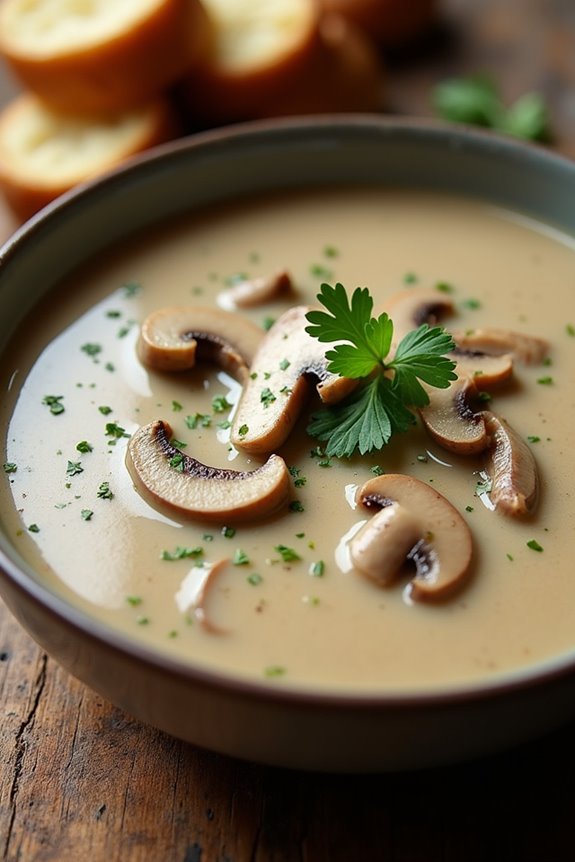
Creamy Mushroom Soup is a staple of German cuisine that embodies the heartwarming flavors of autumn. Rich and velvety, this dish combines earthy mushrooms with a delightful blend of spices and cream, making it the perfect comfort food for chilly evenings.
Whether served as a starter or a main dish, this soup captures the essence of Oktoberfest festivities and is sure to captivate your family and guests alike.
The ingredients for this creamy delight are simple yet flavorful, showcasing the natural goodness of mushrooms. With a combination of fresh herbs, garlic, and a touch of cream, you can create a soup that’s both nourishing and indulgent.
It’s an excellent way to utilize seasonal mushrooms and make the most out of your kitchen garden or local farmer’s market offerings.
Ingredients (Serves 4-6):
- 1 lb (450g) mixed fresh mushrooms (such as cremini, shiitake, and button)
- 1 medium onion, finely chopped
- 2 cloves garlic, minced
- 4 cups (1 liter) vegetable or chicken broth
- 1 cup (240ml) heavy cream
- 2 tablespoons olive oil
- 2 tablespoons butter
- 1 teaspoon dried thyme
- Salt and pepper to taste
- Fresh parsley, chopped, for garnish
Cooking Instructions:
- Prepare the Mushrooms: Clean the mushrooms by wiping them with a damp cloth; avoid washing them under running water to prevent them from absorbing too much moisture. Slice the mushrooms into thin pieces for even cooking.
- Sauté the Aromatics: In a large pot, heat the olive oil and butter over medium heat. Once the butter has melted, add the chopped onion and sauté until it becomes translucent, about 5 minutes. Add the minced garlic and cook for an additional minute until fragrant.
- Cook the Mushrooms: Add the sliced mushrooms to the pot, stirring frequently. Cook for about 8-10 minutes until the mushrooms have released their moisture and are lightly browned. This step enhances the flavor of the soup.
- Add Broth and Seasoning: Pour in the vegetable or chicken broth and stir in the dried thyme. Bring the mixture to a boil, then reduce the heat to low and let it simmer for about 15 minutes. Season with salt and pepper to taste during this time.
- Blend the Soup: After simmering, use an immersion blender to puree the soup until smooth. If you prefer a chunkier texture, blend only half of the soup and mix it back in. If you don’t have an immersion blender, carefully transfer the soup to a regular blender in batches.
- Stir in the Cream: Return the blended soup to low heat and stir in the heavy cream. Allow the soup to warm through, but don’t boil it again. Adjust seasoning if necessary.
- Serve and Garnish: Ladle the creamy mushroom soup into bowls and garnish with chopped fresh parsley. Serve hot with crusty bread or pretzels to complete the Oktoberfest experience.
Extra Tips:
For an added depth of flavor, consider incorporating a splash of white wine during the sautéing process after adding the mushrooms.
Also, feel free to experiment with different types of mushrooms to find your favorite combination—each type brings a unique flavor profile to the soup.
To make this dish vegetarian, confirm that you use vegetable broth and consider adding a sprinkle of nutritional yeast for added umami.
Enjoy your cooking!
German Gingerbread Cookies (Lebkuchen)
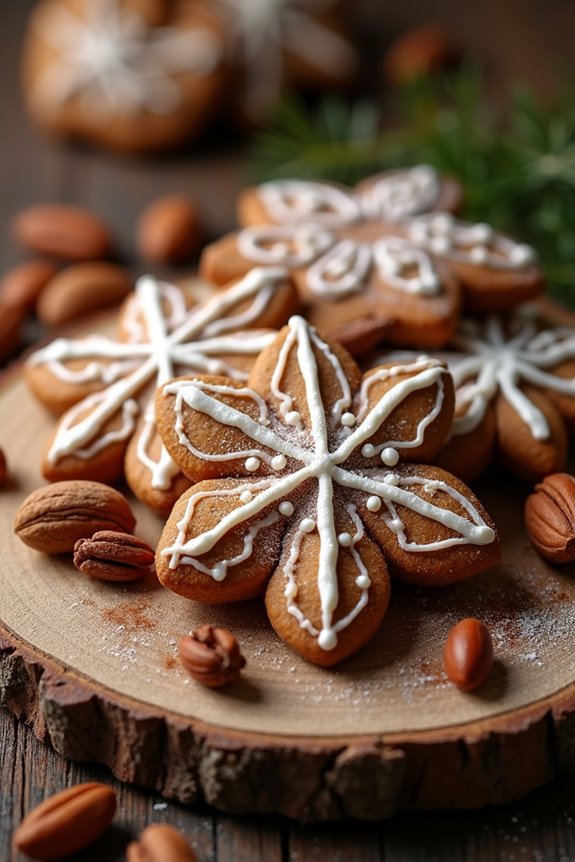
German Gingerbread Cookies, or Lebkuchen, are a delightful treat that epitomizes the festive spirit of Oktoberfest and the holiday season. With their rich, spicy flavor and soft, chewy texture, these cookies are a favorite among many and are often decorated with icing or covered in chocolate.
Traditionally made with honey, nuts, and a blend of warm spices, Lebkuchen can also be enhanced with various flavorings like citrus zest or candied fruits, making them a versatile and cherished recipe.
Making Lebkuchen is an enjoyable activity that can be shared with family and friends. It’s a wonderful way to bring the festive flavors of Germany into your home. While the dough needs to rest for a few hours before baking, the process is simple and rewarding.
Once baked, these cookies can be decorated and enjoyed fresh, or they can be stored for several weeks, allowing the flavors to deepen and develop.
Ingredients (Serves 4-6):
- 2 cups all-purpose flour
- 1 cup honey
- 1/2 cup brown sugar
- 1/2 cup finely chopped nuts (almonds or hazelnuts)
- 1/2 teaspoon baking powder
- 2 teaspoons ground ginger
- 1 teaspoon ground cinnamon
- 1/2 teaspoon ground cloves
- 1/2 teaspoon ground nutmeg
- 1/4 teaspoon salt
- 1 large egg
- 1 tablespoon lemon zest
- 1 tablespoon orange zest
- Optional: Icing or chocolate for decoration
Cooking Instructions:
- Prepare the Dough: In a large mixing bowl, combine the honey and brown sugar. Stir until the sugar is dissolved. Gradually add the egg, lemon zest, and orange zest to the mixture, mixing well to combine.
- Mix Dry Ingredients: In a separate bowl, whisk together the all-purpose flour, baking powder, ground ginger, ground cinnamon, ground cloves, ground nutmeg, and salt. Confirm that all dry ingredients are evenly mixed.
- Combine Mixtures: Slowly add the dry ingredients to the honey mixture, stirring until a sticky dough forms. Fold in the chopped nuts until evenly distributed throughout the dough.
- Chill the Dough: Cover the bowl with plastic wrap and refrigerate the dough for at least 2 hours, or overnight if time allows. Chilling helps the flavors meld and makes the dough easier to handle.
- Shape and Bake: Preheat the oven to 350°F (175°C). On a floured surface, roll out the dough to about 1/4 inch thick. Use cookie cutters to cut out shapes and place them on a parchment-lined baking sheet. Bake for 10-12 minutes or until the edges are slightly golden.
- Cool and Decorate: Once baked, remove the cookies from the oven and let them cool completely on a wire rack. If desired, decorate with icing or dip in melted chocolate once cooled.
Extra Tips:
When making Lebkuchen, feel free to customize the spices based on your preferences; adding a pinch of cardamom or allspice can enhance the flavor profile.
For a more authentic touch, consider using a gingerbread spice mix available in specialty stores. Furthermore, the cookies can be stored in an airtight container for several weeks, allowing them to mature and develop richer flavors over time.
Enjoy your freshly baked Lebkuchen with a cup of tea or coffee, or share them as festive gifts during the holiday season!
Hefeweizen Beer Bread
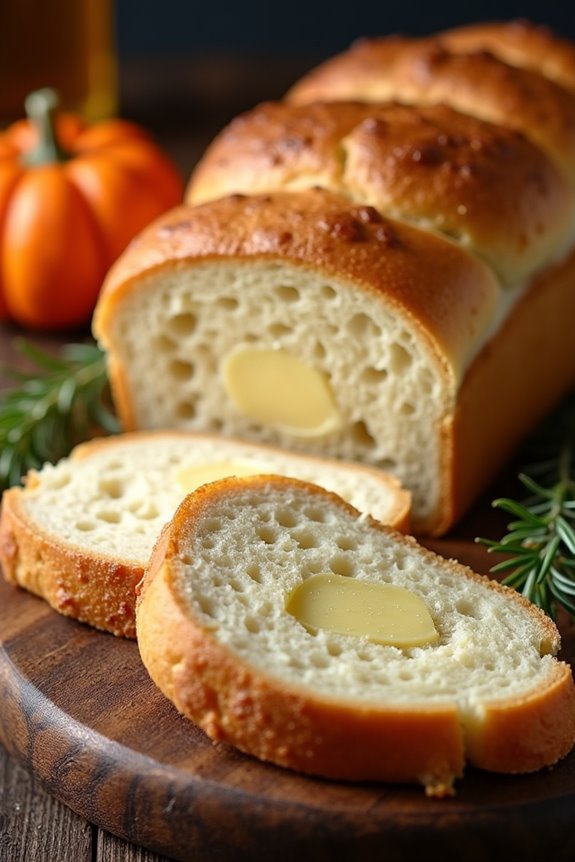
Hefeweizen Beer Bread is a delightful twist on traditional bread recipes, incorporating the unique flavors of German wheat beer. This bread is characterized by its soft, fluffy texture and slightly sweet, malty flavor that beautifully complements the aromatic notes of Hefeweizen.
Perfect for serving alongside hearty German dishes or simply enjoyed with a spread of butter, this bread is a true crowd-pleaser that captures the essence of Oktoberfest.
Making Hefeweizen Beer Bread is a straightforward process, requiring minimal ingredients and time. The star of the show, the Hefeweizen beer, not only adds flavor but also contributes to the bread’s leavening, resulting in a light and airy loaf.
Whether you’re preparing for a festive gathering or looking to try something new in your kitchen, this recipe is bound to impress friends and family alike.
Ingredients (serving size: 4-6 people)
- 3 cups all-purpose flour
- 1 tablespoon sugar
- 1 tablespoon baking powder
- 1 teaspoon salt
- 1 bottle (12 oz) Hefeweizen beer
- 1/4 cup unsalted butter, melted
Cooking Instructions
- Preheat the Oven: Begin by preheating your oven to 375°F (190°C). This guarantees that your bread will bake evenly and rise properly.
- Mix Dry Ingredients: In a large mixing bowl, combine the all-purpose flour, sugar, baking powder, and salt. Use a whisk to blend the ingredients thoroughly, making sure that the baking powder is evenly distributed throughout the flour.
- Add Beer: Pour the Hefeweizen beer into the bowl with the dry ingredients. Stir gently with a wooden spoon or spatula until just combined. Be careful not to overmix; some lumps are okay as they’ll bake out.
- Incorporate Butter: Once the beer has been mixed in, add the melted butter to the dough. Fold it in gently until it’s fully incorporated. The butter will add richness to the bread and contribute to its moist texture.
- Transfer to Baking Pan: Grease a loaf pan (approximately 9×5 inches) with a little butter or non-stick spray. Pour the batter into the prepared loaf pan, smoothing the top with a spatula for an even baking surface.
- Bake: Place the loaf pan in the preheated oven and bake for 30-35 minutes, or until the top is golden brown and a toothpick inserted into the center comes out clean.
- Cool and Serve: Once baked, remove the bread from the oven and allow it to cool in the pan for about 10 minutes. Afterward, transfer the loaf to a wire rack to cool completely before slicing.
Extra Tips
For the best flavor, choose a high-quality Hefeweizen beer that you enjoy drinking. The beer’s flavor will directly impact the taste of the bread, so opt for one with a good balance of sweetness and yeastiness.
Additionally, consider adding herbs or spices such as garlic powder or rosemary to the dry mix for an extra layer of flavor. This bread can be served warm or at room temperature, and it pairs wonderfully with butter, cheese, or your favorite spread.
Enjoy the festive spirit of Oktoberfest with every bite!
