

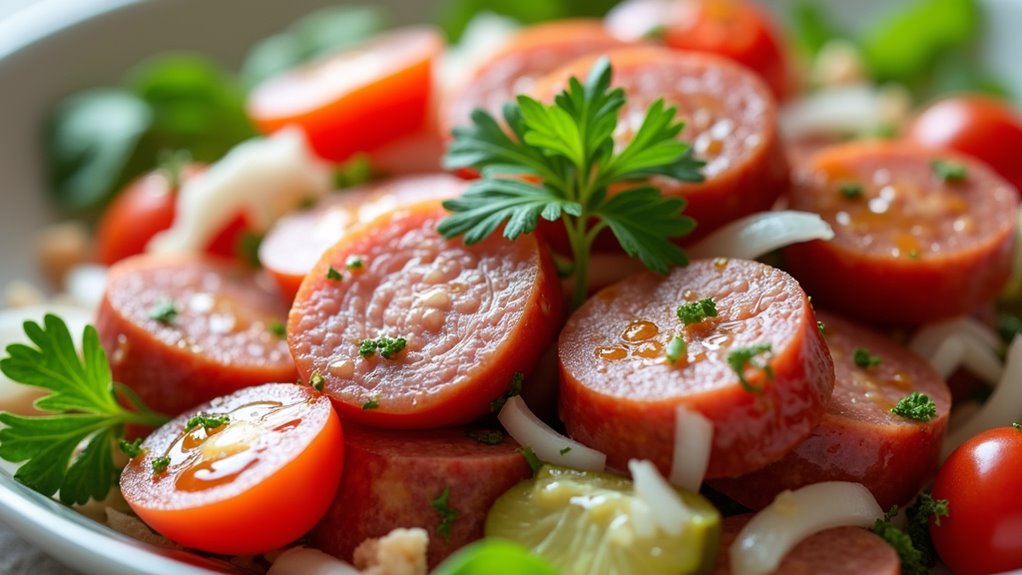
When I ventured into the world of German cooking, I discovered how delightfully simple and rewarding it can be. Each recipe offers a taste of rich flavors and comforting textures. From the tangy Kartoffelsalat to the hearty Bratwurst with Sauerkraut, these dishes are perfect for beginners. With a bit of enthusiasm, even those new to the kitchen can create these delicious meals without stress. Curious about which recipes are must-tries?
Kartoffelsalat (German Potato Salad)
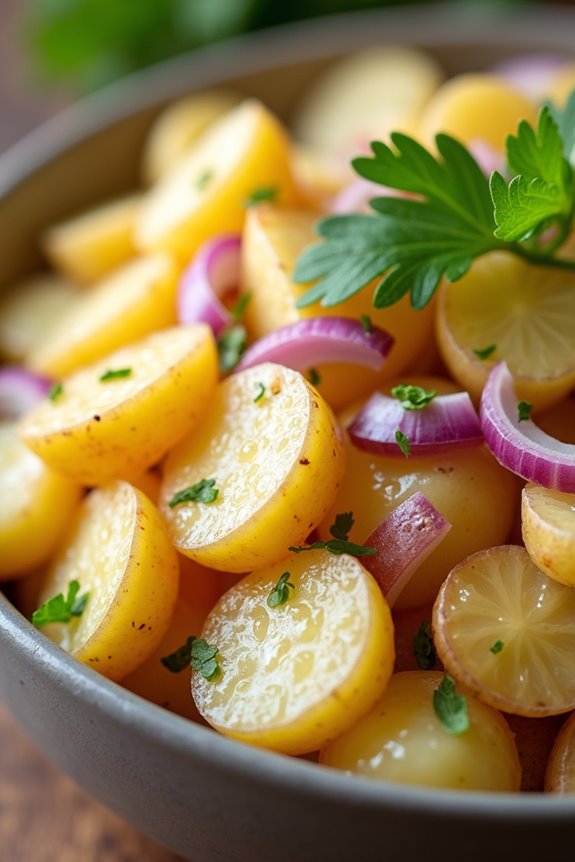
Kartoffelsalat, or German potato salad, is a beloved dish that showcases the humble potato in a delightful and tangy way. Unlike the creamy versions often found in other cuisines, traditional German potato salad is typically dressed with a vinegar-based dressing, making it a perfect side dish for barbecue or a hearty meal. This recipe captures the essence of German cooking, combining simple ingredients to create a flavorful salad that’s sure to impress your family and friends.
The beauty of Kartoffelsalat lies in its versatility. You can enjoy it warm or cold, and it can be easily adapted based on the ingredients you have on hand. This recipe serves 4-6 people, making it ideal for gatherings or family dinners. With its revitalizing taste and satisfying texture, this potato salad is a must-try for anyone looking to explore German cuisine.
Ingredients
- 2 pounds of waxy potatoes (like Yukon Gold or red potatoes)
- 1 cup of chicken or vegetable broth
- 1/2 cup of diced red onion
- 1/4 cup of apple cider vinegar
- 2 tablespoons of Dijon mustard
- 1/4 cup of vegetable oil
- 1 tablespoon of sugar
- Salt and pepper to taste
- 2 tablespoons of fresh parsley, chopped (for garnish)
Cooking Instructions
- Prepare the Potatoes: Start by washing the potatoes thoroughly to remove any dirt. Place them in a large pot and cover them with cold water. Add a pinch of salt to the water and bring it to a boil over medium-high heat. Once boiling, reduce the heat and let the potatoes simmer for about 15-20 minutes, or until they’re fork-tender. Avoid overcooking them to maintain their shape.
- Cool and Slice the Potatoes: Once the potatoes are done cooking, drain them and let them cool for a few minutes. When they’re cool enough to handle, slice them into bite-sized pieces, leaving the skins on for added texture and flavor.
- Prepare the Dressing: In a separate bowl, whisk together the chicken or vegetable broth, apple cider vinegar, Dijon mustard, vegetable oil, and sugar. Season the dressing with salt and pepper to taste. This mixture will provide the tangy flavor that’s characteristic of German potato salad.
- Combine Ingredients: In a large mixing bowl, add the sliced potatoes and diced red onion. Pour the dressing over the potatoes while they’re still warm, allowing them to absorb the flavors. Gently toss to combine, being careful not to break the potatoes.
- Chill and Serve: Let the potato salad sit for at least 30 minutes at room temperature to allow the flavors to meld. If you prefer a colder salad, cover and refrigerate it for an hour before serving. Just before serving, garnish with freshly chopped parsley for a pop of color.
Extra Tips
When making Kartoffelsalat, choose waxy potatoes for the best texture, as they hold their shape well and absorb the dressing nicely. You can also customize the salad by adding ingredients like crispy bacon, chopped pickles, or even hard-boiled eggs for additional flavor and texture.
If you prefer a sweeter dressing, feel free to adjust the amount of sugar to your taste. Finally, this salad is best enjoyed fresh but can be stored in the refrigerator for a couple of days.
Bratwurst With Sauerkraut

Bratwurst with sauerkraut is a classic German dish that beautifully combines the savory flavors of grilled sausages with the tangy crunch of fermented cabbage. This hearty meal isn’t only comforting but also simple to prepare, making it a perfect choice for family dinners or gatherings.
The rich flavors of bratwurst, paired with the sourness of sauerkraut, create a delicious contrast that’s sure to please your taste buds. In this recipe, you’ll learn how to make bratwurst with sauerkraut from scratch, ensuring that every bite is bursting with authentic German flavor.
The best part is that it can be prepared in about an hour, allowing you to serve up a satisfying meal without spending all day in the kitchen. Whether you’re a seasoned cook or a beginner, this dish is straightforward and rewarding.
Ingredients (Serves 4-6)
- 6 bratwurst sausages
- 2 tablespoons vegetable oil
- 1 medium onion, thinly sliced
- 2 cloves garlic, minced
- 1 teaspoon caraway seeds
- 24 ounces sauerkraut, drained
- 1 cup chicken broth
- 1 tablespoon mustard (optional)
- Salt and pepper, to taste
- Fresh parsley, chopped (for garnish)
Cooking Instructions
1. Prepare the Ingredients: Start by gathering all your ingredients. Slice the onion and mince the garlic to have them ready for cooking. Drain the sauerkraut if it hasn’t been done already.
2. Brown the Bratwurst: In a large skillet over medium heat, add the vegetable oil. Once hot, add the bratwurst sausages to the skillet. Cook the sausages for about 4-5 minutes on each side until they’re nicely browned all around. This will enhance their flavor and create a delicious crust.
3. Sauté the Onions and Garlic: After browning the bratwurst, remove them from the skillet and set them aside. In the same skillet, add the sliced onions and cook them for about 3-4 minutes until they become translucent.
Then add the minced garlic and caraway seeds, stirring for another minute until fragrant.
4. Add the Sauerkraut: Once the onions and garlic are ready, add the drained sauerkraut to the skillet. Stir well to mix it with the onions and garlic. This will help incorporate all the flavors together.
5. Deglaze with Chicken Broth: Pour in the chicken broth and stir to scrape up any browned bits from the bottom of the skillet. This step adds depth to the flavor of the dish. Bring the mixture to a gentle simmer.
6. Return the Bratwurst: Carefully place the browned bratwurst back into the skillet, nestling them into the sauerkraut mixture. Cover the skillet and let it cook on low heat for about 20 minutes, allowing the sausages to heat through and the flavors to meld.
7. Season and Serve: After 20 minutes, taste the sauerkraut and adjust the seasoning with salt and pepper as needed. If desired, serve with a dollop of mustard on the side. Garnish with fresh parsley for a pop of color.
8. Enjoy: Serve your bratwurst with sauerkraut hot, alongside crusty bread or potatoes if desired.
Extra Tips
For an even richer flavor, consider grilling the bratwurst instead of pan-frying them. This adds a wonderful smoky taste to the dish.
Additionally, feel free to customize the sauerkraut by adding ingredients such as apples or bacon for a unique twist. Serve with a side of German beer to enhance the authentic experience!
Spätzle (German Egg Noodles)
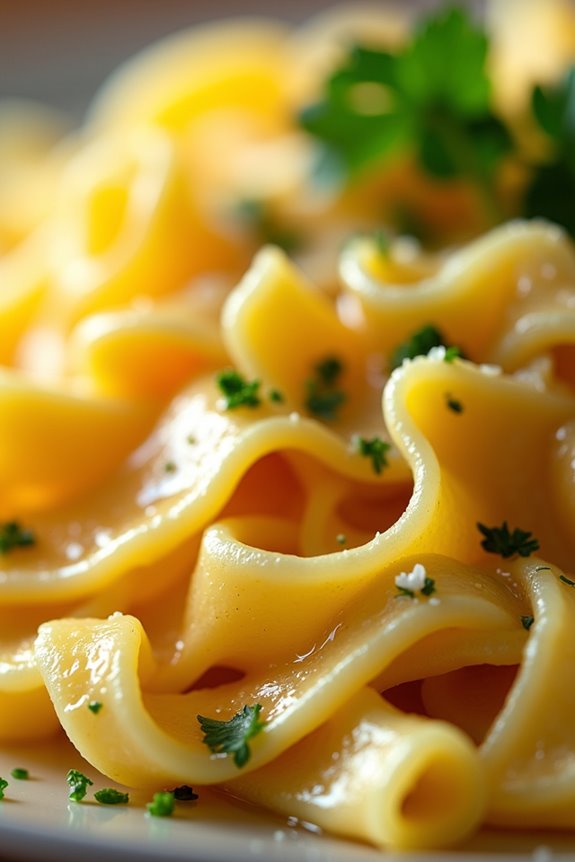
Spätzle is a traditional German dish that consists of soft egg noodles, often served as a side dish or as a foundation for various toppings. This delightful pasta is known for its unique texture and flavor, making it a beloved staple in many German households. The name “Spätzle” translates to “little sparrows,” which refers to the small, irregular shapes of the noodles.
This dish isn’t only simple to prepare but also incredibly versatile; you can pair it with rich sauces, sautéed vegetables, or even serve it as a base for hearty dishes like chicken or beef stew.
To make Spätzle, you’ll need just a handful of ingredients that come together to create a satisfying and comforting meal. The dough is easy to mix and can be made with basic kitchen staples. Once cooked, Spätzle can be tossed in butter and herbs, or served with your favorite sauce to elevate its flavor. This dish is perfect for family gatherings or cozy weeknight dinners, and it’s sure to impress both loved ones and guests alike.
Ingredients (serving size: 4-6 people):
- 2 cups all-purpose flour
- 4 large eggs
- 1/2 cup milk or water
- 1 teaspoon salt
- 1/4 teaspoon ground nutmeg (optional)
- 2 tablespoons butter (for serving)
- Fresh parsley (for garnish, optional)
Cooking Instructions:
- Prepare the Dough: In a large mixing bowl, combine the flour, salt, and nutmeg (if using). Make a well in the center and crack in the eggs. Add the milk or water. Using a wooden spoon or a spatula, mix the ingredients together until they form a thick, sticky batter. The consistency should be similar to a thick pancake batter.
- Heat the Water: In a large pot, bring water to a boil and add a generous amount of salt. The water should taste like the sea, which will help season the Spätzle as they cook.
- Shape the Noodles: There are a few methods to shape the Spätzle. You can use a Spätzle maker or a colander with large holes. If using a colander, place it over the boiling water and pour a portion of the batter into the colander. Use a spatula to push the batter through the holes into the boiling water. The noodles will cook and float to the surface.
- Cook the Noodles: Once the Spätzle floats to the top (which takes about 2-3 minutes), use a slotted spoon to remove them from the boiling water. Transfer them to a bowl and repeat the process until all the batter is cooked.
- Toss with Butter: In a large skillet, melt the butter over medium heat. Add the cooked Spätzle and gently toss to coat them in the butter. Sauté for an additional 2-3 minutes until they’re slightly golden and crisp on the edges.
- Serve: Garnish with fresh parsley if desired, and serve hot alongside your favorite main dish or sauce.
Extra Tips: For an enhanced flavor, consider adding sautéed onions or garlic to the butter before tossing the cooked Spätzle. If you prefer a cheesy version, sprinkle grated cheese over the Spätzle while they’re still hot, allowing it to melt and create a delicious, creamy texture.
Additionally, Spätzle can be made ahead of time and stored in the refrigerator; simply reheat in the skillet with a little butter before serving. Enjoy your homemade German egg noodles!
Rinderroulade (Beef Roll)

Rinderroulade, or Beef Roll, is a classic German dish that brings comfort and hearty flavors to the dinner table. This traditional recipe features thin slices of beef rolled around a savory filling, which typically includes bacon, onions, pickles, and mustard. When cooked slowly, the beef becomes tender and absorbs all the delicious flavors of the filling and the accompanying sauce.
Perfect for family gatherings or special occasions, Rinderroulade is best served with mashed potatoes or red cabbage, making it a fulfilling meal.
Preparing Rinderroulade requires a bit of time and patience, but the end result is well worth the effort. The dish isn’t only delicious but also embodies the warmth and hospitality of German cuisine.
Whether you’re revisiting a cherished recipe or trying it for the first time, this dish is sure to impress your family and friends with its rich flavors and delightful presentation.
Ingredients (Serves 4-6)
- 6 thin slices of beef (about 150g each, such as top round or flank)
- 150g bacon, chopped
- 1 medium onion, finely chopped
- 2 pickles, sliced lengthwise
- 2 tablespoons mustard
- Salt and pepper, to taste
- 2 tablespoons vegetable oil
- 500ml beef broth
- 1 cup red wine (optional)
- 2 bay leaves
- 2 teaspoons paprika
- Fresh parsley, for garnish (optional)
Cooking Instructions
- Prepare the Beef: Place the slices of beef between two sheets of plastic wrap or parchment paper. Use a meat mallet or rolling pin to gently pound the beef to about 1/4 inch thickness. This will help tenderize the meat and make it easier to roll. Season both sides of the beef slices with salt and pepper.
- Make the Filling: In a skillet over medium heat, cook the chopped bacon until it’s crispy. Add the finely chopped onion and sauté until it becomes translucent. Remove this mixture from the heat and let it cool slightly.
- Assemble the Rolls: Spread a thin layer of mustard over each slice of beef. Place a spoonful of the bacon and onion mixture at one end of each slice, followed by a few slices of pickle. Carefully roll the beef tightly, starting from the end with the filling, and secure each roll with kitchen twine or toothpicks.
- Brown the Rolls: In a large Dutch oven or heavy pot, heat the vegetable oil over medium-high heat. Add the beef rolls and brown them on all sides. This step enhances the flavor of the dish and gives the beef a nice color.
- Simmer: Once the rolls are browned, pour in the beef broth and red wine (if using). Add bay leaves and paprika. Bring the liquid to a gentle simmer, cover the pot, and reduce the heat to low. Let the rolls cook for about 1.5 to 2 hours, or until the beef is tender.
- Serve: Once cooked, carefully remove the beef rolls from the pot and let them rest for a few minutes. Meanwhile, you can strain the cooking liquid and reduce it further on the stove to create a thicker sauce if desired. Serve the Rinderroulade hot, garnished with fresh parsley, alongside your choice of sides.
Extra Tips
When making Rinderroulade, it’s important to use good quality beef and to season the meat well for maximum flavor.
Feel free to experiment with the filling by adding your favorite herbs or spices. If you have leftover sauce, it can be stored in the refrigerator and used for other meals or as a base for soups.
To save time, you can prepare the rolls a day in advance and let them marinate overnight in the fridge, enhancing the flavors even more.
Apfelstrudel (Apple Strudel)
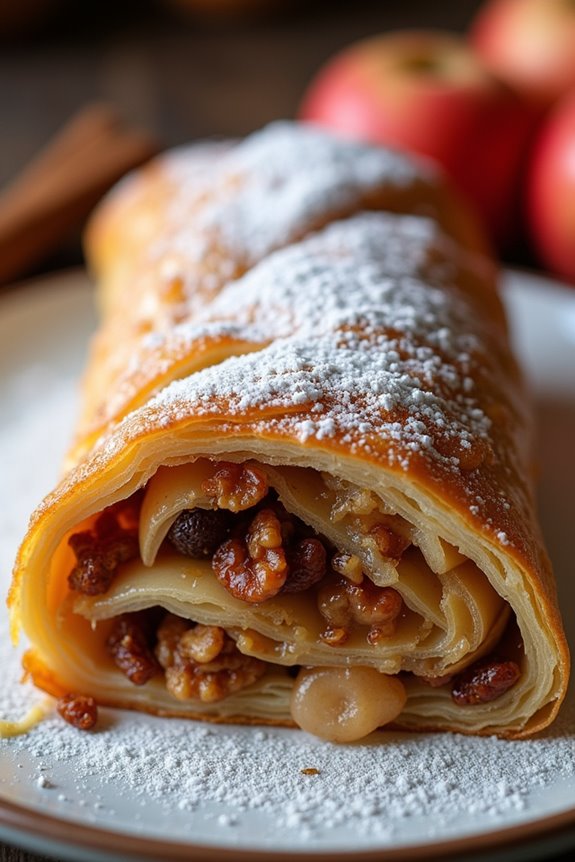
Apfelstrudel is a classic German pastry that features a delightful filling of spiced apples, often combined with raisins and nuts, all wrapped in a thin, flaky dough. Originating from Austria, this dessert has become a beloved staple in German-speaking countries and beyond. Its name, translating to “apple swirl,” perfectly captures the essence of this delicious treat, which is typically served warm and dusted with powdered sugar.
Whether enjoyed as a dessert or a sweet afternoon snack, Apfelstrudel is sure to impress with its aromatic flavors and satisfying textures.
Making Apfelstrudel at home can be a rewarding experience, as the aromas of baking apples and cinnamon fill your kitchen. While it may seem challenging to create the perfect strudel dough from scratch, don’t worry! With a little patience and practice, you can master the art of rolling out the dough to achieve the traditional thin layers that encase the fruit filling.
Serve it warm with a scoop of vanilla ice cream or a dollop of whipped cream for an extra touch of indulgence.
Ingredients (Serves 4-6)
- 1 ½ cups all-purpose flour
- ½ teaspoon salt
- 1 tablespoon vegetable oil
- ½ cup warm water
- 4-5 medium-sized apples (such as Granny Smith or Honeycrisp), peeled and thinly sliced
- ½ cup granulated sugar
- 1 teaspoon ground cinnamon
- ½ cup raisins
- ½ cup chopped walnuts or almonds (optional)
- 2 tablespoons lemon juice
- 1 tablespoon butter, melted
- Powdered sugar for dusting
Cooking Instructions
- Prepare the Dough: In a large mixing bowl, combine the flour and salt. Stir in the vegetable oil and warm water gradually until a dough forms. Knead the dough on a floured surface for about 5-10 minutes until smooth and elastic. Cover it with a damp cloth and let it rest for at least 30 minutes. This allows the gluten to relax, making it easier to roll out.
- Prepare the Filling: In a separate bowl, mix the sliced apples with granulated sugar, ground cinnamon, raisins, chopped nuts (if using), and lemon juice. Toss the mixture until the apples are well coated. Set aside to allow the flavors to meld while you work on the dough.
- Roll Out the Dough: After resting, divide the dough into two equal portions for easier handling. On a lightly floured table or cloth, roll out one portion as thin as possible, ideally to the size of a large tablecloth. The dough should be almost transparent; you can use a rolling pin or your hands to stretch it gently.
- Assemble the Strudel: Brush the rolled-out dough with melted butter, leaving a small border around the edges. Spread the apple filling evenly over the dough, ensuring not to overfill it. Carefully lift the edge of the cloth to start rolling the dough away from you, creating a tight log. Seal the edges by pinching them closed.
- Bake the Strudel: Preheat the oven to 375°F (190°C). Place the rolled strudel seam-side down on a baking sheet lined with parchment paper. Brush the top with more melted butter. Bake for 30-35 minutes or until golden brown and crisp.
- Serve: Allow the Apfelstrudel to cool for a few minutes before slicing it. Dust with powdered sugar before serving. Enjoy it warm with vanilla ice cream or whipped cream for the perfect ending to your meal.
Extra Tips
When making Apfelstrudel, using the right type of apples is vital for achieving the perfect balance of sweetness and tartness. Granny Smith apples are a great choice due to their firmness and flavor.
Additionally, if you’re struggling to roll out the dough thinly, you can also use store-bought phyllo dough as a convenient alternative. For added flavor, consider adding a splash of vanilla extract to the apple filling or using a mixture of spices such as nutmeg or allspice along with cinnamon.
Käsespätzle (Cheese Noodles)
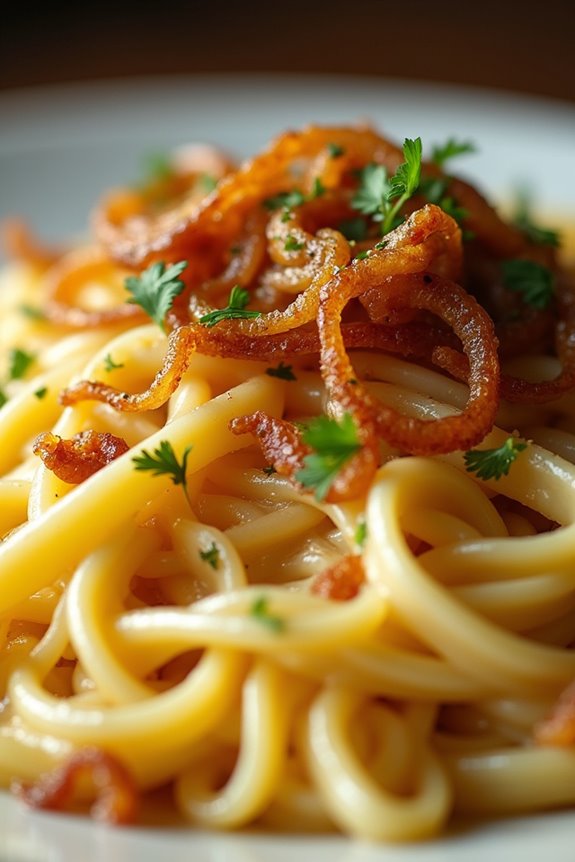
Käsespätzle is a beloved German dish that features soft, egg noodles mixed with rich cheese and topped with crispy onions. This comforting meal is perfect for a cozy family dinner or serving at gatherings. It combines the heartiness of pasta with the creaminess of cheese, creating a deliciously satisfying dish that’s certain to impress.
Traditionally, Käsespätzle is made using a special tool called a Spätzle maker, but you can easily fashion the noodles using a colander or even a zip-top bag with a hole cut in the corner.
The origins of Käsespätzle can be traced back to the southern regions of Germany, particularly Swabia and Bavaria. This dish is often compared to mac and cheese, but with a unique twist and a distinct flavor profile. The combination of high-quality cheese, such as Emmental or Gruyère, and the addition of sautéed onions provides a depth of flavor that elevates this simple dish.
Whether served as a main course or a side, Käsespätzle is sure to be a hit at your table.
Ingredients (Serves 4-6)
- 3 cups all-purpose flour
- 4 large eggs
- 1 cup milk
- 1 teaspoon salt
- 1 teaspoon nutmeg (optional)
- 2 cups shredded Emmental or Gruyère cheese
- 1 large onion, thinly sliced
- 2 tablespoons butter
- Fresh parsley, chopped (for garnish)
Cooking Instructions
- Prepare the Spätzle Dough: In a large mixing bowl, combine the flour, eggs, milk, salt, and nutmeg (if using). Mix until the batter is smooth and slightly sticky. Allow the dough to rest for about 10-15 minutes, which helps develop the texture of the noodles.
- Cook the Noodles: Bring a large pot of salted water to a rolling boil. Using a Spätzle maker or a colander, press portions of the dough into the boiling water. Cook the noodles until they float to the surface, which takes about 2-3 minutes. Use a slotted spoon to remove them and transfer to a large bowl. Repeat until all the dough is cooked.
- Sauté the Onions: In a large skillet, melt the butter over medium heat. Add the sliced onions and sauté them until they’re golden brown and crispy, which should take about 10-12 minutes. Stir occasionally to guarantee even cooking.
- Combine Cheese and Noodles: In the same skillet with the onions, add the cooked Spätzle and the shredded cheese. Toss everything together over low heat until the cheese is melted and the noodles are evenly coated. Adjust seasoning with salt and pepper to taste.
- Serve: Transfer the Käsespätzle to a serving dish. Garnish with the crispy onions on top and sprinkle with fresh chopped parsley for a touch of color and flavor.
Extra Tips
For an even heartier version of Käsespätzle, consider adding cooked bacon or ham into the mix before serving. The crispy texture of the onions adds a delightful crunch, so be sure to cook them until they’re truly golden and caramelized.
If you prefer a slightly more pronounced flavor, experimenting with different types of cheese can also yield delicious results. Finally, serving Käsespätzle with a side salad can help balance the richness of the dish. Enjoy your homemade Käsespätzle!
Schnitzel (Breaded Meat Cutlet)

Schnitzel is a classic German dish that has gained popularity around the world due to its deliciously crispy exterior and tender meat. Traditionally made with veal, this dish can also be prepared using pork, chicken, or turkey, making it versatile and suitable for various tastes. The key to a successful schnitzel lies in the breading process, which yields a perfectly golden and crispy coating.
When served with a squeeze of lemon and a side of potato salad or fries, schnitzel becomes a meal that’s hard to resist.
To make schnitzel, you’ll need a few staple ingredients and some techniques that can elevate this simple dish to a gourmet level. The meat is pounded thin to guarantee tenderness and then coated with flour, egg, and breadcrumbs before frying. This method not only enhances the flavor but also provides a delightful crunch.
Whether you’re preparing it for a family dinner or a special occasion, schnitzel is sure to impress your guests and satisfy your taste buds.
Ingredients (Serves 4-6):
- 4-6 boneless pork chops or chicken breasts
- Salt and pepper, to taste
- 1 cup all-purpose flour
- 2 large eggs
- 2 cups breadcrumbs (preferably fresh)
- 1 cup vegetable oil (for frying)
- 1 lemon, cut into wedges (for serving)
- Fresh parsley, chopped (for garnish)
Cooking Instructions:
1. Prepare the Meat: Start with the boneless pork chops or chicken breasts. Place each piece of meat between two sheets of plastic wrap or wax paper. Use a meat mallet or rolling pin to pound the meat to about 1/4 inch thickness. This not only tenderizes the meat but also helps it cook evenly.
Season both sides generously with salt and pepper.
2. Set Up Breading Station: In three shallow dishes, set up your breading station. In the first dish, place the all-purpose flour. In the second dish, crack the eggs and whisk them until well combined. In the third dish, add the breadcrumbs.
This organized setup will make the breading process quick and efficient.
3. Bread the Meat: Take each piece of meat and first dip it into the flour, making sure it’s fully coated. Shake off any excess flour, then dip it into the beaten eggs, allowing any excess to drip off. Finally, coat the meat in breadcrumbs, pressing gently to make sure the crumbs stick well.
Repeat this process for all the meat pieces.
4. Fry the Schnitzels: In a large skillet, heat the vegetable oil over medium-high heat. To check if the oil is hot enough, drop a small piece of breadcrumb into the oil; it should sizzle.
Carefully place the breaded schnitzels into the hot oil, being careful not to overcrowd the pan. Fry for about 3-4 minutes on each side, or until they’re golden brown and crispy.
5. Drain and Serve: Once cooked, transfer the schnitzels to a plate lined with paper towels to drain any excess oil. Serve them hot, garnished with chopped parsley and lemon wedges on the side.
A squeeze of lemon juice adds a rejuvenating brightness to the dish.
Extra Tips:
For an extra layer of flavor, consider seasoning the breadcrumbs with herbs such as parsley or paprika. You can also experiment with different types of meat for varied textures and tastes.
If you prefer a lighter option, try baking the schnitzels in the oven after breading them, using a little oil spray to achieve a crispy finish. Remember, the key to a perfect schnitzel is in the breading technique and maintaining the right oil temperature for frying.
Enjoy your delicious homemade schnitzel!
Rotkohl (Red Cabbage)

Rotkohl, or red cabbage, is a delightful side dish that adds a splash of color and a burst of flavor to any meal. This traditional German recipe isn’t only easy to prepare but also showcases the natural sweetness of red cabbage, enhanced by a harmonious blend of spices and acidity.
Often served alongside roasted meats or sausages, Rotkohl is a staple in German cuisine and perfect for festive occasions or family dinners.
Cooking Rotkohl is a straightforward process that requires minimal ingredients and time, making it an ideal choice for both novice cooks and seasoned chefs. The combination of red cabbage, vinegar, and apples creates a beautifully balanced dish that will surely impress your guests.
Whether you’re looking to explore German flavors or simply want a delicious vegetable side dish, this Rotkohl recipe is a must-try.
Ingredients (Serves 4-6):
- 1 medium head of red cabbage, finely shredded
- 1 large onion, finely chopped
- 1 apple, peeled and grated
- 1 tablespoon vegetable oil
- 1 tablespoon sugar
- 1/2 cup apple cider vinegar
- 1/2 cup water
- 1 teaspoon salt
- 1/2 teaspoon black pepper
- 1/2 teaspoon ground allspice
- 2 bay leaves
Cooking Instructions:
1. Prepare the Ingredients: Start by washing the red cabbage thoroughly under running water. Remove the outer leaves and cut the cabbage into quarters. Remove the core and finely shred the cabbage using a sharp knife or mandoline.
Next, peel and finely chop the onion and peel and grate the apple.
2. Sauté the Onion: In a large pot or Dutch oven, heat the vegetable oil over medium heat. Once the oil is hot, add the chopped onion and sauté for about 5 minutes, or until the onions are translucent and soft.
This step helps to develop a sweet base flavor for the dish.
3. Add the Cabbage and Apple: Stir in the shredded red cabbage and grated apple into the pot. Mix well to combine all the ingredients.
Cook for an additional 5 minutes, allowing the cabbage to wilt slightly before adding the remaining ingredients.
4. Season and Simmer**: Sprinkle the sugar over the cabbage mixture and stir well to incorporate. Then add the apple cider vinegar**, water, salt, black pepper, ground allspice, and bay leaves.
Bring the mixture to a gentle boil, then reduce the heat to low. Cover the pot and let it simmer for about 45 minutes to 1 hour, stirring occasionally.
This slow cooking process allows the flavors to meld together beautifully.
5. Check for Doneness: After the cooking time, taste the Rotkohl to verify it has the right balance of sweetness and acidity.
If necessary, adjust the seasoning by adding more salt, vinegar, or sugar according to your preference. Remove the bay leaves before serving.
6. Serve Warm: Serve the Rotkohl warm as a side dish alongside your favorite main courses, such as roast pork, sausages, or turkey.
It can also be enjoyed cold as a salad.
Extra Tips:
For a deeper flavor, consider adding a splash of red wine or a few cloves during the cooking process.
If you prefer a sweeter taste, you can add more grated apple or a dash of honey.
Rotkohl can be made a day in advance, as the flavors continue to develop and improve after sitting in the fridge overnight.
Reheat gently before serving for the best results. Enjoy this classic German dish that not only tastes fantastic but also adds a beautiful pop of color to your table!
Brezen (Pretzels)
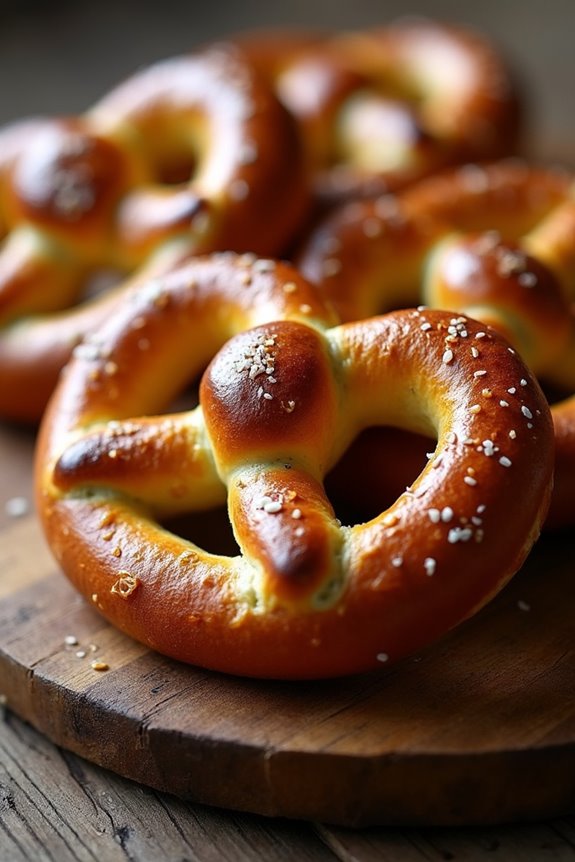
Brezen, or German pretzels, are a beloved snack that embodies the heart of German cuisine. With their distinctive knot shape and golden-brown crust, they’re often enjoyed fresh from the oven, with a sprinkle of coarse salt on top. The enjoyment of Brezen goes beyond their delicious flavor; they evoke feelings of comfort and nostalgia, often associated with Oktoberfest celebrations and festive gatherings.
Making Brezen at home may seem intimidating, but with a few simple ingredients and steps, you can create these delightful treats that are perfect for sharing with family and friends. The key to achieving the perfect Brezen lies in the dough and the boiling process. The dough is soft and chewy, while the brief boiling in a baking soda solution gives the pretzels their signature flavor and color. Served warm with mustard or cheese dip, or simply on their own, homemade Brezen will impress everyone at your table.
So roll up your sleeves and get ready to indulge in this deliciously satisfying German classic!
Ingredients (Serves 4-6):
- 4 cups all-purpose flour
- 1 packet (2 ¼ teaspoons) active dry yeast
- 1 ½ cups warm water (about 110°F or 43°C)
- 1 tablespoon granulated sugar
- 2 teaspoons salt
- ¼ cup baking soda (for boiling)
- Coarse sea salt (for sprinkling on top)
- 1 egg (for egg wash)
Cooking Instructions:
- Activate the Yeast: In a small bowl, combine the warm water, sugar, and yeast. Stir gently and let it sit for about 5-10 minutes until the mixture becomes frothy. This step guarantees the yeast is active and will help the dough rise properly.
- Make the Dough: In a large mixing bowl, combine the flour and salt. Once the yeast mixture is frothy, add it to the flour mixture. Stir until a dough begins to form, then knead on a floured surface for about 5-7 minutes until the dough is smooth and elastic.
- Let the Dough Rise: Place the kneaded dough into a greased bowl, cover it with a clean kitchen towel, and let it rise in a warm place for about 1 hour, or until it has doubled in size. This process allows the gluten to develop, giving the pretzels their chewy texture.
- Shape the Pretzels: After the dough has risen, punch it down to release the air. Divide the dough into 8 equal pieces. Roll each piece into a long rope (about 24 inches long), then shape it into a pretzel by forming a loop and twisting the ends before folding them back onto the loop.
- Boil the Pretzels: In a large pot, bring 8 cups of water to a gentle boil, then add the baking soda. Carefully drop each pretzel into the boiling water for about 30 seconds, flipping them halfway through. This step enhances the flavor and gives the pretzels their unique texture.
- Bake the Pretzels: Preheat your oven to 450°F (232°C). After boiling, place the pretzels on a parchment-lined baking sheet. Beat the egg and brush it over the pretzels, then sprinkle with coarse sea salt. Bake for 12-15 minutes or until they’re golden brown.
- Cool and Serve: Once baked, let the pretzels cool on a wire rack for a few minutes. Serve warm with mustard or cheese dip, or enjoy them plain.
Extra Tips:
For the best results, verify that your yeast is fresh and the water is at the right temperature to activate it. Experimenting with different toppings such as sesame seeds or cheese can also add a new dimension to your Brezen.
If you want to prepare them ahead of time, you can shape the pretzels, refrigerate them, and bake them fresh when your guests arrive. Enjoy your homemade Brezen – they’re sure to be a hit!
Schwarzwälder Kirschtorte (Black Forest Cake)
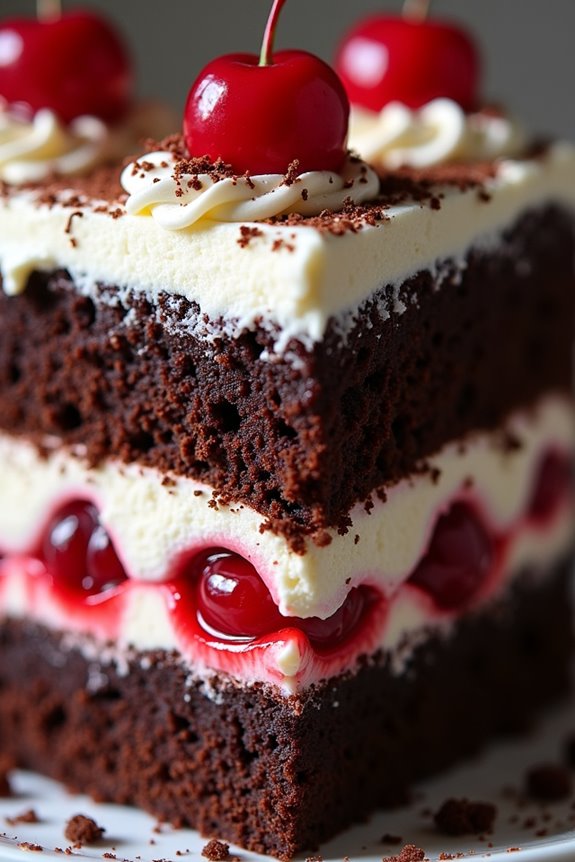
Schwarzwälder Kirschtorte, or Black Forest Cake, is a classic German dessert that brings together layers of rich chocolate sponge cake, tart cherries, and creamy whipped cream. Originating from the Black Forest region of Germany, this cake isn’t only a feast for the eyes but also a delightful treat for the palate.
The combination of flavors and textures, along with the signature Kirsch (cherry schnapps) used in the recipe, elevates this dessert to a special occasion favorite, perfect for birthdays, anniversaries, or any celebration.
Preparing Schwarzwälder Kirschtorte may seem intimidating at first, but with a little patience and attention to detail, you can create this show-stopping dessert at home. The cake is made up of several components: the chocolate sponge cake, the cherry filling, and the whipped cream frosting. Each layer is assembled to create a beautiful, multi-layered cake that’s as impressive as it’s delicious.
Follow the steps below to make your own Schwarzwälder Kirschtorte for 4-6 people.
Ingredients
- 200g (7 oz) dark chocolate
- 100g (3.5 oz) unsalted butter
- 200g (7 oz) granulated sugar
- 4 large eggs
- 150g (5.3 oz) all-purpose flour
- 50g (1.8 oz) unsweetened cocoa powder
- 1 teaspoon baking powder
- 1/2 teaspoon salt
- 300ml (10 fl oz) heavy cream
- 2 tablespoons powdered sugar
- 1 teaspoon vanilla extract
- 300g (10.5 oz) sour cherries (jarred or fresh)
- 100ml (3.4 fl oz) Kirsch (cherry schnapps)
- Chocolate shavings (for decoration)
Cooking Instructions
- Prepare the Chocolate Sponge Cake: Preheat your oven to 180°C (350°F). Grease and flour two 8-inch round cake pans. Melt the dark chocolate and butter together in a heatproof bowl over simmering water, stirring until smooth. Remove from heat and let it cool slightly.
- Mix the Batter: In a large mixing bowl, whisk together the granulated sugar and eggs until the mixture is pale and fluffy. Gradually fold in the cooled chocolate mixture. Sift together the flour, cocoa powder, baking powder, and salt, then gently fold it into the chocolate mixture until just combined.
- Bake the Cakes: Divide the batter evenly between the prepared cake pans. Bake in the preheated oven for 25-30 minutes or until a toothpick inserted in the center comes out clean. Allow the cakes to cool in the pans for 10 minutes before transferring to wire racks to cool completely.
- Prepare the Cherry Filling: If using jarred cherries, drain and reserve the juice. If using fresh cherries, pit and slice them. In a small saucepan, heat the cherry juice until simmering, then add the cherries and a tablespoon of sugar if desired. Cook for 5-7 minutes until the cherries are softened. Remove from heat and let cool.
- Whip the Cream: In a mixing bowl, beat the heavy cream until it begins to thicken. Add the powdered sugar and vanilla extract, then continue beating until soft peaks form. Be careful not to overwhip the cream.
- Assemble the Cake: Once the cakes are completely cool, slice each cake in half horizontally to create four layers. Place one layer on a serving plate and soak it with a third of the Kirsch. Spread a layer of whipped cream over the cake, followed by a layer of cherries. Repeat this process with the next two layers.
- Top and Decorate: Place the final layer of cake on top, and spread the remaining whipped cream over the top and sides of the cake. Decorate with chocolate shavings and any remaining cherries. Chill in the refrigerator for at least 2 hours before serving.
Extra Tips
For the best flavor and texture, make sure your cake layers are completely cooled before assembling the Schwarzwälder Kirschtorte.
You can also adjust the amount of Kirsch to suit your taste; if you prefer a milder flavor, use less. Additionally, this cake can be made a day in advance, allowing the flavors to meld beautifully overnight. Just make sure to store it in the fridge until you’re ready to serve. Enjoy your delicious creation!
Bienenstich (Bee Sting Cake)

Bienenstich, or Bee Sting Cake, is a delightful German dessert that features a rich yeast cake topped with a caramelized almond and honey mixture, filled with a luscious vanilla cream. This cake isn’t only a treat for the taste buds but also for the eyes, with its golden topping and creamy filling. Traditionally enjoyed with coffee, Bienenstich has a history that dates back to the 15th century and is loved for its sweet and nutty flavors.
Making Bienenstich may seem intimidating, but it’s quite manageable with the right ingredients and a bit of patience. The dough requires time to rise, but the result is well worth the wait. The caramelized topping adds a crunchy texture that perfectly complements the soft cake and creamy filling. This recipe serves 4-6 people, making it perfect for gatherings or special occasions.
Ingredients:
- 2 cups all-purpose flour
- 1/2 cup milk, warmed
- 1/4 cup granulated sugar
- 1/4 cup unsalted butter, softened
- 1 packet (2 1/4 tsp) active dry yeast
- 1 large egg
- 1/2 teaspoon salt
- 1 cup heavy cream
- 1/2 cup powdered sugar
- 1 teaspoon vanilla extract
- 1 cup sliced almonds
- 1/2 cup honey
- 1/4 cup butter (for topping)
Cooking Instructions:
- Prepare the Dough: In a small bowl, combine the warm milk and active dry yeast. Allow it to sit for about 5-10 minutes until it becomes frothy. In a large mixing bowl, combine the flour, sugar, and salt. Add the softened butter, egg, and the yeast mixture. Mix until a soft dough forms.
- Knead and Rise: On a floured surface, knead the dough for about 5-7 minutes until smooth and elastic. Place it in a greased bowl, cover with a damp cloth, and let it rise in a warm place for about 1 hour or until doubled in size.
- Prepare the Topping: In a medium saucepan, melt 1/4 cup of butter over medium heat. Add the sliced almonds and honey, stirring until the almonds are well coated. Cook for an additional 2-3 minutes until the mixture is slightly caramelized. Set aside to cool.
- Bake the Cake: Preheat the oven to 350°F (175°C). Once the dough has risen, punch it down and spread it evenly into a greased 9-inch round cake pan. Pour the almond topping over the dough, spreading it evenly. Bake for 25-30 minutes or until golden brown. Allow the cake to cool completely in the pan.
- Make the Cream Filling: In a mixing bowl, whip the heavy cream, powdered sugar, and vanilla extract until soft peaks form. Once the cake is completely cooled, slice it in half horizontally.
- Assemble the Cake: Spread the whipped cream filling over the bottom half of the cake. Place the top half (with the almond topping) back on. Slice and serve.
Extra Tips:
When preparing Bienenstich, make sure that your ingredients are at room temperature for better mixing and rising. If you want to add a twist to the filling, consider infusing the whipped cream with some lemon zest or a splash of almond extract for an extra layer of flavor.
Additionally, if you find the cake difficult to slice, refrigerate it for a short while to firm up the filling, making it easier to cut clean slices. Enjoy your homemade Bienenstich with a cup of coffee or tea!
Wurstsalat (Sausage Salad)
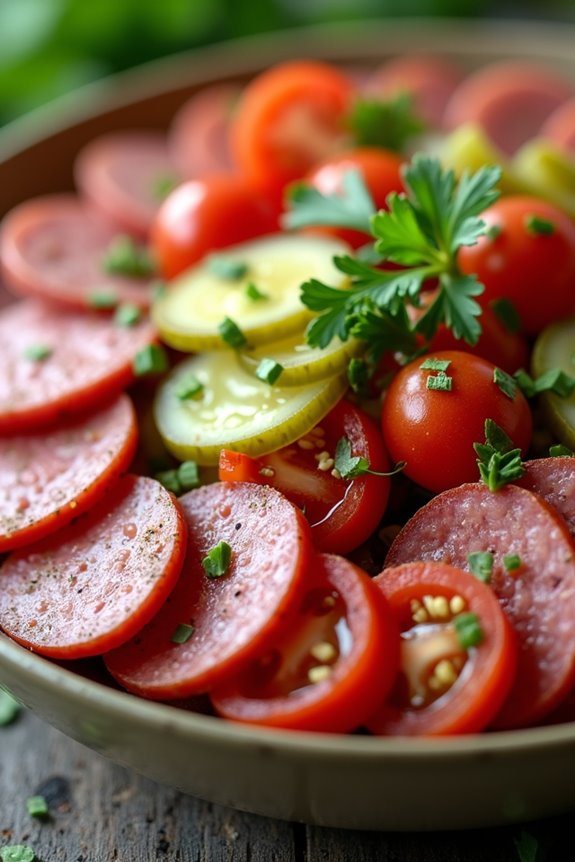
Wurstsalat, or sausage salad, is a classic German dish that combines sliced sausages with a variety of fresh ingredients, creating a hearty and flavorful salad that’s perfect for any occasion.
Traditionally served cold, this dish is often enjoyed during summer picnics, barbecues, or as a light lunch. With its zesty dressing and vibrant mix of textures, Wurstsalat is sure to be a hit with family and friends.
The beauty of Wurstsalat lies in its versatility; you can customize it to your liking by incorporating different types of sausages or adding your favorite vegetables. This recipe provides a delightful balance of savory flavors and tangy notes, making it not only delicious but also easy to prepare.
Let’s explore the ingredients and cooking instructions to whip up this delightful dish for 4-6 people.
Ingredients:
- 400g (14 oz) of assorted sausages (e.g., Lyoner, salami, or bologna)
- 1 medium onion, finely chopped
- 200g (7 oz) pickles, sliced
- 200g (7 oz) cherry tomatoes, halved
- 1 bell pepper (any color), diced
- 4 tablespoons vegetable oil
- 3 tablespoons white vinegar
- 1 teaspoon Dijon mustard
- Salt and pepper to taste
- Fresh parsley, chopped (for garnish)
Cooking Instructions:
- Prepare the Sausages: Begin by slicing the assorted sausages into thin rounds. You can use a combination of different types of sausages to add more flavor and variety to the salad. Place the sliced sausages in a large mixing bowl.
- Chop the Vegetables: Next, finely chop the onion, and slice the pickles. Halve the cherry tomatoes and dice the bell pepper. Add all the chopped vegetables to the bowl with the sausages, mixing everything together gently.
- Make the Dressing: In a separate small bowl, whisk together the vegetable oil, white vinegar, Dijon mustard, salt, and pepper. This dressing will add a tangy flavor to your salad. Taste the dressing and adjust the seasoning as necessary.
- Combine the Salad and Dressing: Pour the dressing over the sausage and vegetable mixture in the large bowl. Toss everything together until the sausages and vegetables are evenly coated with the dressing.
- Chill and Serve: Allow the Wurstsalat to sit in the refrigerator for at least 30 minutes before serving. This resting time helps the flavors meld together. When ready to serve, give it a good toss and garnish with freshly chopped parsley for a pop of color.
Extra Tips: When making Wurstsalat, feel free to experiment with different types of sausages or add additional ingredients like shredded cheese or olives for extra flavor.
Additionally, if you prefer a creamier dressing, you can mix in a dollop of sour cream or yogurt. Enjoy your Wurstsalat as a rejuvenating dish on its own, or serve it alongside crusty bread for a more filling meal.
