

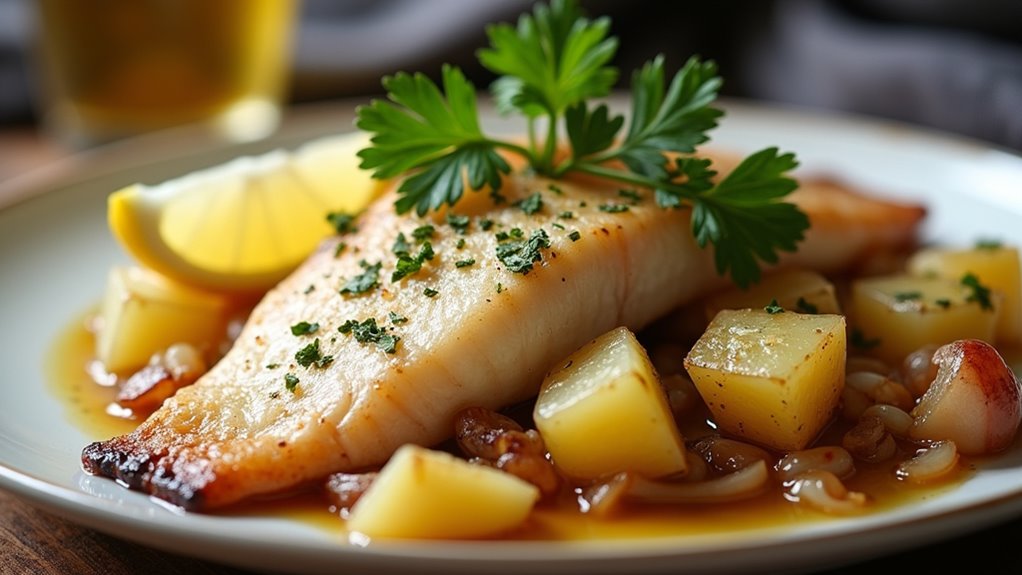
With the winter chill setting in, I find myself craving the warmth of Nordic flavors. There’s a simple joy in gathering with loved ones to enjoy hearty dishes that nourish both body and spirit. From creamy soups to sweet baked delights, every recipe here offers a comforting embrace. If you’re looking to bring that cozy, inviting atmosphere into your own kitchen, these Scandinavian recipes are a great place to start. Let’s explore the magic of Nordic cuisine together.
Creamy Scandinavian Potato Soup
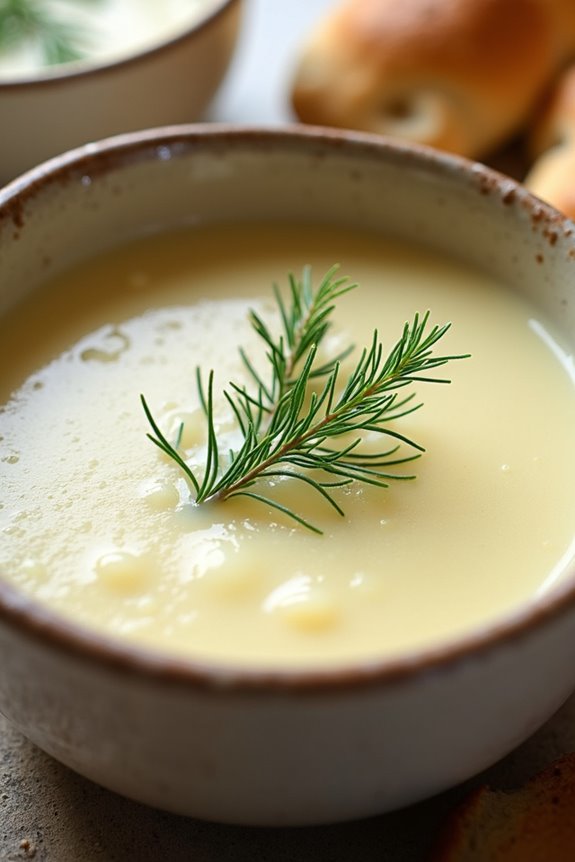
Creamy Scandinavian Potato Soup is a comforting and hearty dish that embodies the essence of Scandinavian cuisine. This soup is perfect for chilly days, offering warmth through its creamy texture and rich flavors. With the use of simple, wholesome ingredients, it showcases the beauty of potatoes, a staple in many Nordic households.
Pair it with crusty bread for a satisfying meal that will leave you feeling nourished and cozy.
The foundation of this soup lies in the combination of potatoes, onions, and a hint of dill, which adds a revitalizing note to the creamy base. The inclusion of vegetable or chicken broth deepens the flavor, while cream gives it that velvety finish that makes every spoonful delightful.
Whether enjoyed as a starter or a main course, this dish is sure to impress your family and friends.
Ingredients (Serves 4-6):
- 4 large russet potatoes, peeled and diced
- 1 medium onion, chopped
- 2 cloves garlic, minced
- 4 cups vegetable or chicken broth
- 1 cup heavy cream
- 2 tablespoons butter
- 1 teaspoon dried dill
- Salt and pepper, to taste
- Fresh dill, for garnish (optional)
Cooking Instructions:
- Sauté the Aromatics: In a large pot, melt the butter over medium heat. Add the chopped onion and minced garlic, and sauté until the onion becomes translucent and fragrant, about 5 minutes. This step helps to build the flavor base of the soup.
- Add the Potatoes: Stir in the diced potatoes and cook for an additional 2-3 minutes, allowing them to absorb some of the flavors from the onions and garlic. This will enhance the overall taste of the soup.
- Pour in the Broth: Add the vegetable or chicken broth to the pot, making sure the potatoes are fully submerged. Bring the mixture to a boil, then reduce the heat to a simmer. Cover the pot and let it cook for about 15-20 minutes, or until the potatoes are tender when pierced with a fork.
- Blend the Soup: Once the potatoes are cooked, use an immersion blender to puree the soup until smooth. If you don’t have an immersion blender, carefully transfer the soup in batches to a regular blender. This step creates the creamy texture that defines this dish.
- Add Cream and Seasoning: Return the pureed soup to the pot (if using a regular blender), and stir in the heavy cream and dried dill. Season with salt and pepper to taste. Heat the soup gently over low heat until warmed through, but don’t let it boil again.
- Serve and Garnish: Ladle the soup into bowls and garnish with fresh dill if desired. Serve hot with crusty bread on the side for a complete meal.
Extra Tips:
For added depth of flavor, you can sauté some chopped carrots or celery along with the onions and garlic.
Additionally, consider adding a splash of lemon juice or a pinch of nutmeg for a unique twist. This soup can be made ahead of time and stored in the refrigerator for up to three days, making it a fantastic option for meal prep.
Just be sure to reheat it gently and add a little extra cream if it thickens too much upon cooling.
Hearty Swedish Meatballs

Hearty Swedish Meatballs are a beloved classic dish that encapsulates the warm, comforting essence of Scandinavian cuisine. Known for their tender texture and rich flavor, these meatballs are typically served with a creamy gravy and accompanied by mashed potatoes or lingonberry sauce. They’re perfect for family gatherings or cozy dinners, bringing people together with their delightful aroma and satisfying taste.
The origins of Swedish meatballs can be traced back to the 18th century, inspired by the meatball recipes brought to Sweden by King Charles XII after his travels to Turkey. Over the years, this dish has evolved, incorporating local ingredients and flavors unique to Sweden. Today, it remains a staple in Swedish homes and restaurants, adored by locals and visitors alike. Whether you’re looking to try a new dish or celebrate Swedish heritage, this hearty recipe will certainly impress.
Ingredients (Serves 4-6):
- 1 pound ground beef
- 1 pound ground pork
- 1/2 cup breadcrumbs
- 1/4 cup grated onion
- 1/4 cup milk
- 1 large egg
- 1 teaspoon salt
- 1/2 teaspoon black pepper
- 1/2 teaspoon allspice
- 1/2 teaspoon nutmeg
- 2 tablespoons butter (for frying)
Cooking Instructions:
- Prepare the Meat Mixture: In a large mixing bowl, combine the ground beef and ground pork. Add the breadcrumbs, grated onion, milk, egg, salt, black pepper, allspice, and nutmeg. Mix well using your hands or a spoon until all ingredients are fully incorporated. Confirm the mixture is moist but not overly wet.
- Form the Meatballs: With your hands, scoop out portions of the meat mixture and roll them into balls about 1 inch in diameter. Place the formed meatballs on a baking sheet or plate, making sure they aren’t touching to avoid sticking.
- Fry the Meatballs: In a large skillet, heat the butter over medium heat. Once hot, add the meatballs in batches, being careful not to overcrowd the pan. Cook for about 8-10 minutes, turning occasionally until all sides are evenly browned. Remove the meatballs from the skillet and set them aside on a plate.
- Make the Gravy: In the same skillet, add a bit more butter if needed and sprinkle in 2 tablespoons of flour to the remaining drippings. Whisk together until the mixture forms a paste (roux). Gradually add 2 cups of beef broth while stirring constantly to avoid lumps. Bring the mixture to a simmer, allowing it to thicken. Season with salt and pepper to taste.
- Combine Meatballs and Gravy: Once the gravy has thickened, return the meatballs to the skillet. Gently stir to coat the meatballs with the gravy. Allow them to simmer together for an additional 5-10 minutes to absorb the flavors.
- Serve the Dish: Remove from heat and serve the hearty Swedish meatballs over a bed of creamy mashed potatoes or with lingonberry sauce on the side. Garnish with fresh parsley if desired.
Extra Tips: For an extra depth of flavor, consider adding a splash of Worcestershire sauce to the meat mixture. Additionally, if you prefer a lighter version, you can substitute ground turkey for the beef and pork. Don’t forget to keep the meatballs warm in the oven if you’re cooking in batches, and always taste the gravy before serving to adjust the seasoning as necessary!
Norwegian Salmon With Dill Sauce

Norwegian Salmon with Dill Sauce is a classic Scandinavian dish that highlights the fresh flavors of the sea paired with an aromatic herb sauce. This dish isn’t only visually appealing but also packed with nutrients, making it a healthy choice for dinner parties or family meals. The combination of tender salmon fillets and a creamy dill sauce creates a delightful contrast that’s sure to impress your guests.
The preparation is simple yet sophisticated, allowing the natural flavors of the salmon to shine while the dill sauce adds a revitalizing touch. Whether you’re a seasoned chef or a novice in the kitchen, this recipe is easy to follow and will leave you with a delicious meal that embodies the essence of Nordic cuisine.
Ingredients (Serves 4-6):
- 4-6 salmon fillets (approximately 6 ounces each)
- Salt and pepper, to taste
- 2 tablespoons olive oil
- 1 tablespoon lemon juice
- 1 cup sour cream
- 1 tablespoon Dijon mustard
- 2 tablespoons fresh dill, chopped (or 1 tablespoon dried dill)
- 1 tablespoon capers, rinsed and chopped
- 1 tablespoon fresh lemon zest
- 1 tablespoon fresh parsley, chopped (optional for garnish)
Cooking Instructions:
- Preheat the Oven: Begin by preheating your oven to 375°F (190°C). This temperature is ideal for gently baking the salmon, allowing it to cook evenly without drying out.
- Prepare the Salmon: Rinse the salmon fillets under cold water and pat them dry with paper towels. Season both sides with salt and pepper. This will enhance the flavor of the fish and prepare it for baking.
- Place Salmon in Baking Dish: Drizzle olive oil and lemon juice in a baking dish, spreading it evenly. Arrange the salmon fillets skin-side down in the dish, ensuring they aren’t overcrowded. This will allow for even cooking.
- Bake the Salmon: Place the baking dish in the preheated oven and bake for about 15-20 minutes, or until the salmon is opaque and flakes easily with a fork. The cooking time may vary depending on the thickness of the fillets, so keep an eye on them.
- Prepare the Dill Sauce: While the salmon is baking, prepare the dill sauce. In a mixing bowl, combine sour cream, Dijon mustard, chopped dill, capers, and lemon zest. Stir well until all ingredients are fully incorporated. This sauce will add a creamy, tangy flavor that complements the salmon perfectly.
- Serve the Dish: Once the salmon is done baking, remove it from the oven and let it rest for a couple of minutes. Serve the salmon fillets on plates and generously spoon the dill sauce over the top. If desired, garnish with freshly chopped parsley for added color and flavor.
Extra Tips:
For the best flavor, try to use fresh dill instead of dried, as it has a more vibrant taste. Additionally, you can also experiment by adding other herbs like chives or tarragon to the sauce for a unique twist.
If you have leftover dill sauce, it can be stored in an airtight container in the refrigerator for up to three days, making it a great accompaniment for other seafood or even as a spread for sandwiches.
Enjoy your Norwegian Salmon with Dill Sauce!
Danish Open-Faced Sandwiches
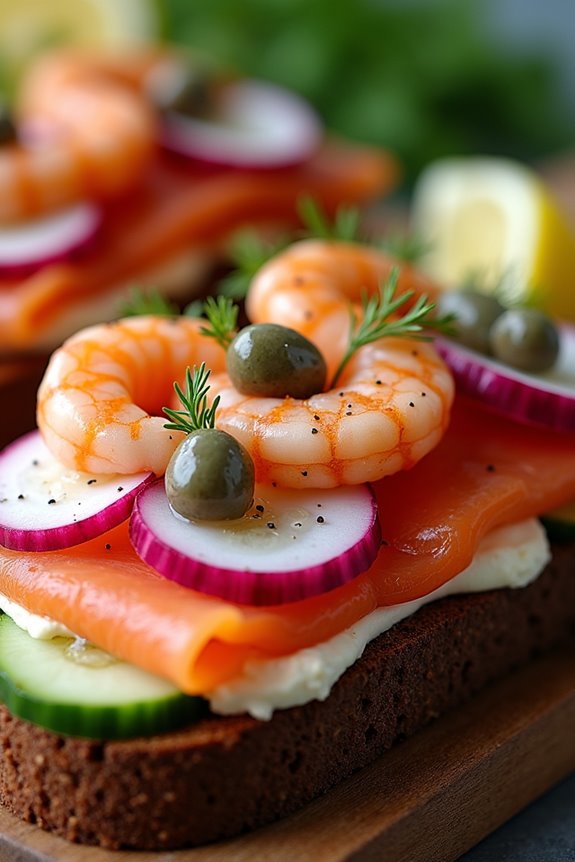
Danish open-faced sandwiches, known as “smørrebrød,” are a beloved culinary tradition that showcases the art of sandwich-making in Denmark. These sandwiches typically consist of a slice of dense rye bread topped with a variety of ingredients, including fish, meats, cheeses, and veggies, all beautifully arranged to create a vibrant and appetizing dish.
The beauty of smørrebrød lies in its versatility; you can customize the toppings to suit your taste or the ingredients you have on hand. This dish isn’t only visually appealing but also hearty and filling, making it perfect for lunch or as an appetizer for gatherings.
The combination of textures and flavors, from the crunchy bread to the creamy toppings, creates a delightful experience with every bite. Whether you prefer classic combinations like pickled herring and onions or more contemporary variations with avocado and smoked salmon, Danish open-faced sandwiches offer something for everyone.
Ingredients (Serves 4-6)
- 8 slices of dense rye bread
- 200g of pickled herring (or your choice of fish)
- 200g of smoked salmon
- 150g of cooked shrimp
- 100g of cream cheese
- 100g of butter, softened
- 1 small red onion, thinly sliced
- Fresh dill for garnish
- 1 lemon, cut into wedges
- 4 radishes, thinly sliced
- 1 cucumber, thinly sliced
- Capers (optional)
- Salt and pepper to taste
Cooking Instructions
- Prepare the Bread: Start by laying out the slices of rye bread on a clean surface or a serving platter. If you want, you can lightly toast the bread to add some crunch, but traditionally, it’s served soft.
- Spread the Butter: Take the softened butter and spread a generous layer on each slice of bread. This not only adds flavor but also acts as a barrier to prevent the bread from becoming soggy from the toppings.
- Add the Cream Cheese: On top of the butter, spread a layer of cream cheese on each slice. You can use a spatula or the back of a spoon to smooth it out evenly.
- Layer the Toppings: Create a variety of combinations by adding your chosen toppings. For instance, place slices of pickled herring on some, smoked salmon on others, and a handful of cooked shrimp on the remaining slices. Be artistic in your arrangement to make the dish visually appealing.
- Garnish: Top each sandwich with thin slices of red onion, radishes, and cucumber. You can also add capers for extra flavor if desired. Finally, sprinkle fresh dill over the top for a fragrant finish.
- Serve with Lemon Wedges: Arrange the sandwiches on a serving platter and include lemon wedges on the side. The lemon can be squeezed over the sandwiches before eating to add a fresh zing.
Extra Tips
When preparing Danish open-faced sandwiches, feel free to experiment with different toppings based on your preferences or seasonal ingredients. For a vegetarian option, consider using roasted vegetables, avocado, or beetroot.
Confirm all toppings are prepared and presented neatly, as the visual appeal is a significant part of the experience. Remember to serve the sandwiches fresh for the best texture and flavor, and enjoy the delightful flavors of this traditional Danish dish!
Finnish Mushroom Soup
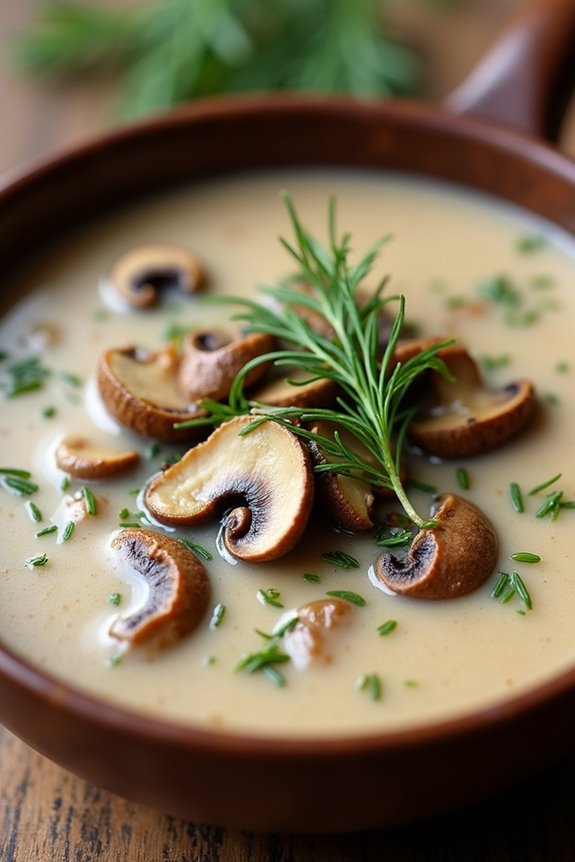
Finnish Mushroom Soup, or “sienikeitto,” is a delightful, creamy dish that showcases the rich flavors of wild mushrooms, a staple in Finnish cuisine. This comforting soup is especially popular during the colder months when mushrooms are abundant in Finnish forests.
The combination of earthy mushrooms, fresh herbs, and creamy texture makes this soup not only hearty but also a great way to warm up after a day outdoors.
The beauty of this dish lies in its simplicity and the quality of its ingredients. For the best results, use a variety of fresh mushrooms, such as chanterelles, porcini, or button mushrooms. This recipe is perfect for serving 4-6 people, making it an ideal choice for family dinners or gatherings with friends.
Pair it with crusty bread and a side salad for a complete meal that captures the essence of Finnish comfort food.
Ingredients
- 500g mixed fresh mushrooms (chanterelles, porcini, button, etc.)
- 1 medium onion, finely chopped
- 2 cloves garlic, minced
- 2 tablespoons butter
- 1 tablespoon olive oil
- 4 cups vegetable or chicken broth
- 1 cup heavy cream
- 2 tablespoons fresh dill, chopped
- Salt and pepper to taste
- Optional: 1 tablespoon soy sauce for added umami
Cooking Instructions
1. Prepare the Mushrooms: Clean the mushrooms thoroughly using a damp cloth or a soft brush to remove any dirt. If the mushrooms are large, slice them into bite-sized pieces. Set aside.
2. Sauté Aromatics: In a large pot, heat the butter and olive oil over medium heat. Add the chopped onion and sauté until it becomes translucent and soft, about 5 minutes.
Add the minced garlic and cook for an additional minute, stirring constantly to avoid burning.
3. Cook the Mushrooms: Add the cleaned mushrooms to the pot and increase the heat to medium-high. Sauté the mushrooms for about 8-10 minutes, until they’re tender and have released their moisture.
Stir occasionally to guarantee even cooking.
4. Add Broth: Pour in the vegetable or chicken broth, bringing the mixture to a gentle boil. Reduce the heat to low and let it simmer for about 15 minutes.
This allows the flavors to meld together beautifully.
5. Incorporate Cream and Dill: After simmering, stir in the heavy cream and chopped dill. Allow the soup to heat through for another 5 minutes without boiling.
Adjust the seasoning with salt and pepper, and add soy sauce if desired for extra flavor.
6. Serve: Ladle the soup into bowls and garnish with a sprinkle of fresh dill or a drizzle of cream if you like.
Serve hot with crusty bread on the side.
Extra Tips
For an even richer flavor, consider roasting the mushrooms lightly before adding them to the soup. This enhances their natural umami taste.
Additionally, feel free to experiment with different herbs such as thyme or parsley, depending on your preference.
If you’re looking for a lighter version, you can substitute half of the heavy cream with milk or a plant-based alternative.
Make sure to adjust the seasoning accordingly to maintain a balanced flavor. Enjoy your Finnish Mushroom Soup!
Icelandic Lamb Stew
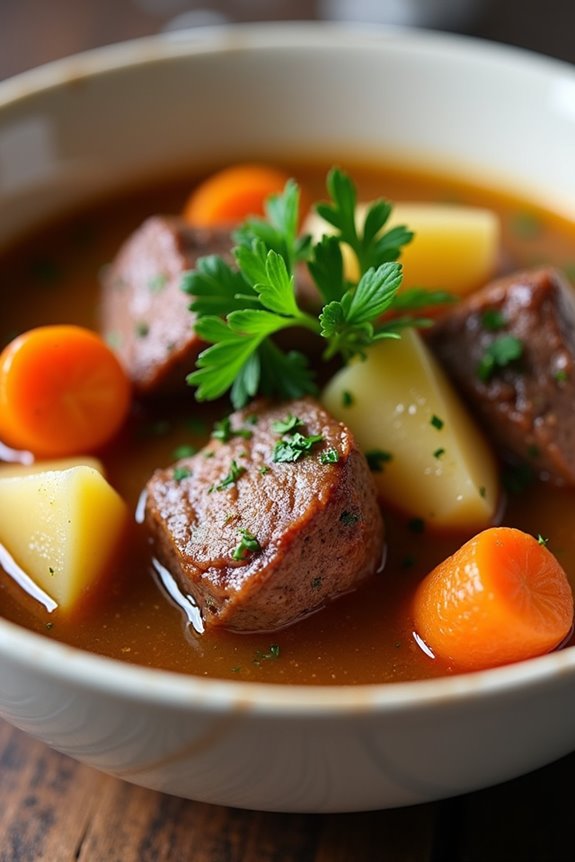
Icelandic Lamb Stew, also known as “Kjötsúpa,” is a traditional dish that perfectly embodies the heartiness of Icelandic cuisine. This comforting stew isn’t only rich in flavor but also utilizes simple and wholesome ingredients that are perfect for warming up on a chilly day. The tender lamb, combined with root vegetables and a savory broth, creates a dish that’s both nourishing and satisfying.
This stew is often enjoyed throughout Iceland, especially during the colder months. The use of lamb, which is a staple in Icelandic cooking due to the country’s abundance of sheep, adds a distinct flavor that sets this dish apart. The slow-simmering process allows the flavors to meld beautifully, resulting in a stew that’s sure to please family and friends alike.
Ingredients (Serves 4-6):
- 2 lbs lamb shoulder, cut into 1-inch pieces
- 4 cups water
- 3 medium potatoes, peeled and diced
- 2 large carrots, sliced
- 1 medium onion, chopped
- 1 parsnip, peeled and diced
- 2 cloves garlic, minced
- 1-2 bay leaves
- 1 teaspoon thyme
- Salt and pepper to taste
- Fresh parsley, chopped (for garnish)
Cooking Instructions:
- Prepare the Lamb: Start by trimming any excess fat from the lamb shoulder and cutting it into 1-inch pieces. This will help the meat cook evenly and become tender throughout the stew.
- Brown the Meat: In a large pot or Dutch oven, heat a tablespoon of oil over medium-high heat. Add the lamb pieces in batches, ensuring not to overcrowd the pot. Brown the meat on all sides for about 5-7 minutes. This step enhances the flavor of the stew by developing a rich, caramelized crust on the lamb.
- Sauté the Aromatics: Once the lamb is browned, remove it from the pot and set it aside. In the same pot, add the chopped onion and minced garlic. Sauté for about 3-4 minutes until the onion becomes translucent and fragrant. This will form the aromatic base of the stew.
- Deglaze the Pot: Return the browned lamb to the pot and pour in 4 cups of water. Scrape the bottom of the pot with a wooden spoon to release any flavorful browned bits. This deglazing step is essential for enhancing the overall taste of the stew.
- Add Vegetables and Seasoning: Stir in the diced potatoes, sliced carrots, and parsnip. Add the bay leaves, thyme, salt, and pepper. Bring the mixture to a gentle boil, then reduce the heat to low.
- Simmer the Stew: Cover the pot and let the stew simmer for about 1.5 to 2 hours, or until the lamb is tender and the vegetables are cooked through. Stir occasionally and check the seasoning, adjusting it as needed.
- Serve: Once the stew is cooked, remove the bay leaves and discard them. Ladle the stew into bowls and garnish with freshly chopped parsley before serving. Enjoy the stew hot, perhaps with a slice of crusty bread on the side.
Extra Tips:
For an even richer flavor, consider adding a splash of red wine during the deglazing step. If you have access to fresh herbs, feel free to incorporate dill or rosemary to enhance the aroma of the stew.
Additionally, this dish can be made in advance and reheated, as the flavors deepen and improve over time. Finally, feel free to customize the vegetable mix according to what you have on hand or your personal preferences. Enjoy your Icelandic Lamb Stew!
Swedish Lingonberry Jam
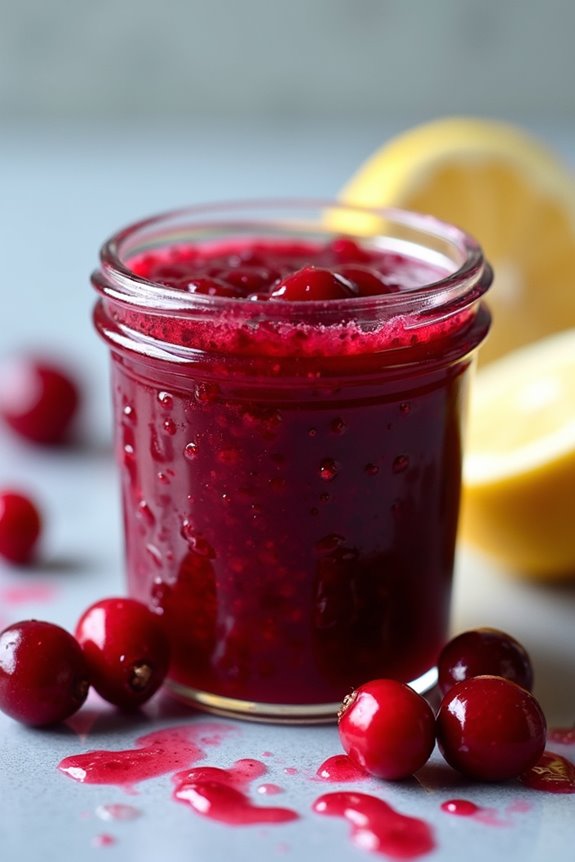
Swedish Lingonberry Jam is a delightful and tangy condiment that captures the essence of Scandinavian cuisine. Made from the small, bright red lingonberries that thrive in the cold northern climates, this jam is a staple accompaniment to many traditional Swedish dishes, such as meatballs and pancakes. Its sweet-tart flavor profile elevates any meal, making it a versatile addition to your pantry. Not only does it taste delicious, but it also provides a burst of vibrant color to your table.
Making Swedish Lingonberry Jam is a simple process that requires minimal ingredients and effort. The key to a successful jam lies in using fresh lingonberries, which can often be found in specialty stores or local markets. With just a few basic steps, you can create a homemade jam that captures the essence of Sweden and brings a taste of the Nordic wilderness to your home.
Ingredients (serving size: 4-6 people):
- 2 cups fresh or frozen lingonberries
- 1 cup granulated sugar
- 1 cup water
- 1 tablespoon fresh lemon juice
Cooking Instructions:
- Prepare the Lingonberries: Rinse the lingonberries under cold water to remove any dirt or debris. If using frozen berries, allow them to thaw completely before using. Inspect the berries and remove any stems or damaged fruit.
- Combine Ingredients in a Pot: In a medium-sized saucepan, combine the rinsed lingonberries, granulated sugar, water, and lemon juice. Stir the mixture gently to guarantee the sugar is evenly distributed among the berries.
- Cook the Mixture: Place the saucepan over medium heat and bring the mixture to a simmer. As it heats, stir occasionally to help dissolve the sugar. Once it begins to simmer, reduce the heat to low and let it cook for about 15-20 minutes, or until the berries have burst and the mixture has thickened slightly.
- Check for Consistency: To test the jam’s consistency, place a small spoonful on a chilled plate and let it sit for a minute. Run your finger through the jam; if it holds its shape, it’s ready. If it’s still too runny, continue to cook for a few more minutes and test again.
- Jar the Jam: Once the jam reaches the desired consistency, remove it from the heat. Carefully pour the hot jam into sterilized jars, leaving about 1/4 inch of headspace at the top. Wipe the rims of the jars with a clean cloth to remove any residue.
- Seal and Cool: Secure the lids on the jars and let them cool at room temperature. Once cooled, store the jam in the refrigerator for up to 3 weeks or process in a water bath for longer shelf life.
Extra Tips:
When making Swedish Lingonberry Jam, feel free to adjust the sugar content to suit your taste preferences, as lingonberries can vary in sweetness. If you’re looking for a thicker consistency, consider adding a tablespoon of pectin during the cooking process.
Additionally, you can experiment by adding spices such as cinnamon or vanilla for a unique twist. The jam can also be frozen for future use, so make a double batch and enjoy this delightful condiment throughout the year!
Norwegian Kjøttkaker
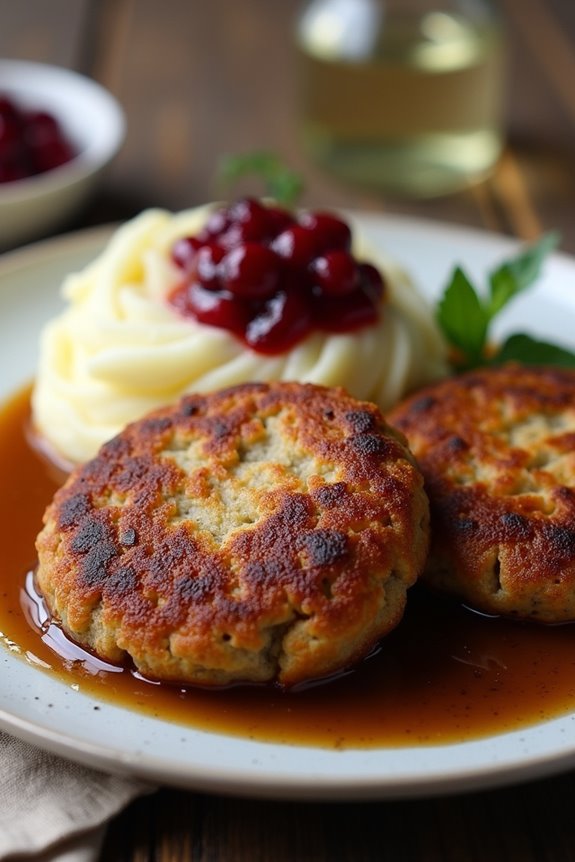
Norwegian Kjøttkaker, or meat cakes, are a beloved traditional dish in Norway, often enjoyed with a rich brown sauce, creamy mashed potatoes, and lingonberry jam. These hearty meatballs are typically made from a mixture of ground beef and pork, seasoned with spices and served alongside comforting sides.
The dish highlights the simplicity and robust flavors of Scandinavian cuisine, making it a favorite for family dinners and festive occasions alike.
Preparation of Kjøttkaker is straightforward, and the dish is perfect for feeding a crowd, serving about 4-6 people. The key to achieving the best flavor lies in the careful balance of seasoning and the slow cooking process that allows the meat cakes to develop a rich taste. This recipe will guide you through creating delicious Kjøttkaker that will impress your family and friends.
Ingredients (Serves 4-6 People)
- 500g ground beef
- 500g ground pork
- 1 small onion, finely chopped
- 2 cloves garlic, minced
- 1 cup breadcrumbs
- 1/2 cup milk
- 1 egg
- 1 teaspoon salt
- 1/2 teaspoon black pepper
- 1/2 teaspoon ground nutmeg
- 1/2 teaspoon ground allspice
- 3 tablespoons butter (for frying)
Cooking Instructions
1. Prepare the Meat Mixture: In a large bowl, combine the ground beef and ground pork. Add the finely chopped onion, minced garlic, breadcrumbs, milk, and egg to the meat. Season with salt, black pepper, nutmeg, and allspice.
Mix everything together until well combined, but be careful not to overmix, as this can make the meat cakes tough.
2. Shape the Kjøttkaker: With your hands, take small portions of the meat mixture and shape them into oval patties, about 2 inches wide and 1 inch thick. Place the shaped meat cakes on a plate, and continue until all the mixture has been formed into patties.
3. Cook the Kjøttkaker: Heat the butter in a large frying pan over medium heat. Once the butter is melted and bubbling, add the Kjøttkaker to the pan in batches, ensuring not to overcrowd the pan.
Cook for about 5-7 minutes on each side, or until they’re browned and cooked through. Use a meat thermometer to check that the internal temperature reaches at least 70°C (160°F).
4. Make the Brown Sauce: After cooking the meat cakes, remove them from the pan and set them aside. In the same pan, add a bit more butter if needed, then sprinkle in a tablespoon of flour.
Stir well to create a roux, and cook for about a minute. Gradually add 2 cups of beef broth to the pan, whisking constantly to avoid lumps. Bring the sauce to a simmer and let it thicken for a few minutes, then season with salt and pepper to taste.
5. Serve: Place the Kjøttkaker back into the pan with the sauce to warm through, then Serve them hot alongside creamy mashed potatoes and a dollop of lingonberry jam.
Extra Tips
For the best flavor, allow the meat mixture to rest for about 30 minutes before shaping the Kjøttkaker; this helps the breadcrumbs absorb the liquid and spices better.
Additionally, feel free to experiment with the seasonings according to your taste preferences. Some may prefer a hint of fresh herbs like parsley or thyme. Serve the dish with traditional Norwegian sides, such as boiled potatoes or sauerkraut, for an authentic experience.
Danish Risalamande

Danish Risalamande is a traditional Danish dessert that’s often enjoyed during Christmas celebrations. This creamy rice pudding is made with rice, milk, sugar, and whipped cream, and is traditionally served with a warm cherry sauce. The name “Risalamande” is derived from the French word “riz à l’amande,” meaning rice with almonds, signifying the inclusion of chopped almonds that adds a delightful crunch to the otherwise smooth and creamy texture of the dish.
One of the unique aspects of this dessert is the hidden whole almond, which represents good luck and has sparked fun traditions among families during the holidays.
To make Risalamande, the rice is cooked slowly in milk until it becomes tender and creamy. Once cooled, whipped cream is folded in to create a light and airy texture. The dish is typically served chilled, making it a rejuvenating conclusion to a festive meal. The cherry sauce, often made from sour cherries, adds a tangy contrast to the sweetness of the pudding, making it a beloved favorite among both children and adults alike.
Ingredients (Serves 4-6):
- 1 cup short-grain rice (such as Arborio)
- 4 cups whole milk
- 1/2 cup granulated sugar
- 1 teaspoon vanilla extract
- 1/2 cup chopped blanched almonds
- 1 1/2 cups heavy whipping cream
- 1 whole almond (for the tradition)
- Pinch of salt
For the Cherry Sauce:
- 2 cups pitted sour cherries (fresh or frozen)
- 1/2 cup granulated sugar
- 1 tablespoon cornstarch
- 1/4 cup water
- 1 tablespoon lemon juice
Cooking Instructions:
- Cook the Rice: In a medium saucepan, combine the short-grain rice, whole milk, and a pinch of salt. Bring the mixture to a gentle boil over medium heat, stirring frequently to prevent sticking. Once boiling, reduce the heat to low and cover the saucepan. Let the rice simmer for about 30-40 minutes or until the rice is tender and has absorbed most of the milk.
- Add Sugar and Vanilla: Once the rice is cooked, remove the saucepan from heat. Stir in the granulated sugar and vanilla extract until fully dissolved. Allow the rice mixture to cool down to room temperature.
- Prepare the Almonds: While the rice pudding is cooling, chop the blanched almonds. Once the rice has cooled, fold in the chopped almonds and the whole almond, which will be hidden in the pudding for tradition.
- Whip the Cream: In a separate bowl, whip the heavy cream until soft peaks form. Gently fold the whipped cream into the cooled rice mixture, being careful not to deflate the cream. This will give the Risalamande its light and airy texture.
- Chill the Dessert: Transfer the mixture into a serving bowl or individual cups. Cover and refrigerate for at least 2 hours, or until thoroughly chilled.
- Make the Cherry Sauce: In a small saucepan, combine the pitted sour cherries, sugar, cornstarch, water, and lemon juice. Bring to a simmer over medium heat, stirring occasionally until the mixture thickens and the cherries are warmed through, about 5-10 minutes. Remove from heat and let cool slightly.
- Serve: To serve, spoon the chilled Risalamande into bowls and drizzle the warm cherry sauce over the top. Be sure to warn guests about the hidden almond!
Extra Tips:
When preparing Danish Risalamande, make sure to use short-grain rice for the best creamy texture, as it absorbs the milk well. For the cherry sauce, using sour cherries provides a nice balance to the sweetness of the pudding, but you can also experiment with other berry sauces if desired.
Additionally, be mindful of the hidden almond; it’s a fun tradition but can also be a choking hazard, so make sure it’s well-hidden and inform your guests to be cautious. Enjoy this delightful dessert as part of your festive spread!
Finnish Pulla Bread
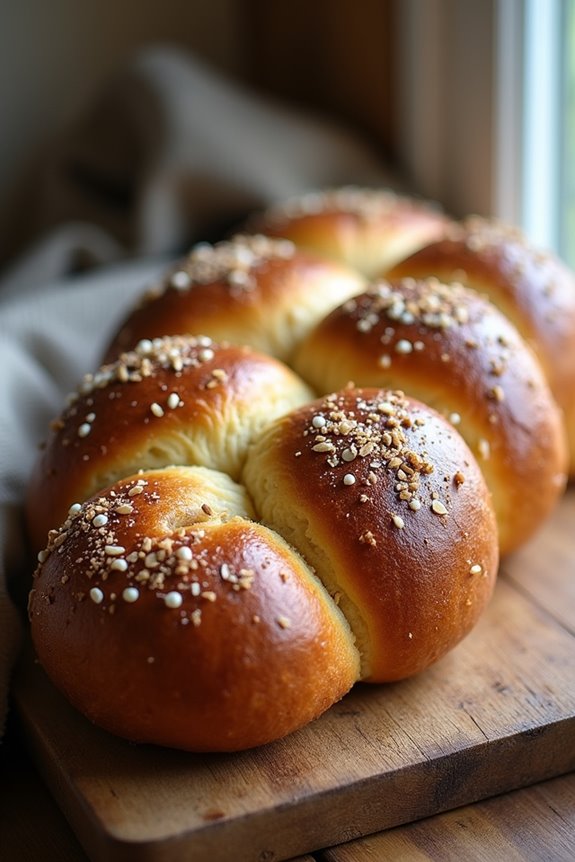
Finnish Pulla Bread is a delightful and aromatic sweet bread that’s a staple in Finnish households and often enjoyed with coffee or tea. This braided bread, infused with cardamom, has a soft, fluffy texture that melts in your mouth, making it perfect for breakfast, dessert, or as a snack.
Traditionally, pulla is often decorated with pearl sugar or slivered almonds, adding a beautiful finish to this already stunning loaf.
Making Finnish Pulla Bread is a rewarding experience that allows you to engage in a bit of baking magic. The process involves mixing a rich dough, allowing it to rise, and then shaping it into a braid before baking it to golden perfection. The result is a fragrant bread that not only tastes delicious but also fills your kitchen with the sweet and spicy aroma of cardamom.
Ingredients (Serves 4-6):
- 4 cups all-purpose flour
- 1 packet (2 1/4 teaspoons) active dry yeast
- 1 cup milk, warmed
- 1/2 cup granulated sugar
- 1/2 cup unsalted butter, melted
- 2 large eggs
- 1 teaspoon ground cardamom
- 1/2 teaspoon salt
- 1 egg (for egg wash)
- Pearl sugar or slivered almonds (for topping)
Cooking Instructions:
- Activate the Yeast: In a small bowl, combine the warm milk and active dry yeast. Let it sit for about 5-10 minutes until it becomes frothy. This step guarantees that the yeast is active and ready to help the dough rise.
- Mix the Dough: In a large mixing bowl, combine the flour, sugar, ground cardamom, and salt. Make a well in the center and add the melted butter, eggs, and the frothy yeast mixture. Stir until the ingredients come together to form a soft dough.
- Knead the Dough: Transfer the dough onto a lightly floured surface. Knead it for about 8-10 minutes until it becomes smooth and elastic. This process develops the gluten in the dough, which contributes to the bread’s texture.
- First Rise: Place the kneaded dough in a greased bowl, cover it with a clean kitchen towel, and let it rise in a warm place for about 1-2 hours or until it has doubled in size. This step allows the dough to ferment and develop flavor.
- Shape the Dough: Once the dough has risen, punch it down to release the air. Divide the dough into three equal pieces. Roll each piece into a long rope, about 12-15 inches in length. Braid the three ropes together and pinch the ends to seal.
- Second Rise: Place the braided loaf on a baking sheet lined with parchment paper. Cover it with the kitchen towel again and let it rise for another 30-45 minutes, until it has puffed up.
- Preheat the Oven: While the dough is rising for the second time, preheat your oven to 375°F (190°C).
- Egg Wash and Bake: Beat the additional egg and brush it over the top of the braided loaf. Sprinkle pearl sugar or slivered almonds on top for decoration. Bake in the preheated oven for about 20-25 minutes, or until the bread is golden brown and sounds hollow when tapped on the bottom.
- Cool and Serve: Once baked, remove the pulla bread from the oven and let it cool on a wire rack. Slice and enjoy!
Extra Tips:
When making Finnish Pulla Bread, be sure not to skip the cardamom, as it’s the star flavor in this recipe. If you prefer a stronger flavor, you can increase the amount slightly.
Additionally, for a fun twist, try adding raisins or other dried fruits into the dough before braiding. This bread can also be stored in an airtight container at room temperature for a few days, making it a convenient treat to have on hand!
Swedish Cardamom Buns

Swedish Cardamom Buns, or “Kardemummabullar,” are a delightful pastry that combines rich flavors of cardamom, sweet dough, and a hint of buttery goodness. These buns are a beloved treat in Sweden, often enjoyed during fika, a cherished coffee break where friends and family gather to savor delicious pastries and good company.
The aromatic spices and soft texture make these buns a perfect addition to any gathering or a cozy afternoon at home. This recipe for Swedish Cardamom Buns is straightforward and rewarding, yielding a batch of 12 buns, ideal for serving 4-6 people.
Whether you’re a seasoned baker or trying your hand at making sweet bread for the first time, this recipe will guide you through each step to create fluffy, flavorful buns that are sure to impress.
Ingredients:
- 4 cups all-purpose flour
- 1/2 cup granulated sugar
- 2 teaspoons ground cardamom
- 1 packet (2 1/4 teaspoons) active dry yeast
- 1/2 teaspoon salt
- 1 cup warm milk (110°F or 43°C)
- 1/2 cup unsalted butter, melted
- 2 large eggs
- 1 egg (for egg wash)
- 1 tablespoon pearl sugar (for topping, optional)
Cooking Instructions:
- Prepare the Yeast Mixture: In a small bowl, combine the warm milk and active dry yeast. Let it sit for about 5-10 minutes until the mixture becomes frothy, indicating that the yeast is active. This step is essential for ensuring your buns rise properly.
- Mix Dry Ingredients: In a large mixing bowl, whisk together the all-purpose flour, sugar, ground cardamom, and salt. This blend of dry ingredients will provide the structure and flavor for your buns.
- Combine Wet Ingredients: Once the yeast mixture is frothy, add the melted butter and eggs into the bowl with the yeast. Mix well to combine these wet ingredients before adding them to the dry mixture.
- Form the Dough: Gradually add the wet mixture to the dry ingredients, stirring until a dough begins to form. Once the ingredients are combined, knead the dough on a lightly floured surface for about 8-10 minutes, or until it becomes smooth and elastic. This step develops the gluten, giving the buns their soft texture.
- First Rise: Place the kneaded dough in a lightly greased bowl, cover it with a clean kitchen towel, and let it rise in a warm place for about 1-1.5 hours, or until it has doubled in size. This step allows the yeast to work its magic, creating fluffy buns.
- Shape the Buns: Once the dough has risen, punch it down to release the air. Roll it out into a large rectangle, about 1/4 inch thick. Cut the dough into strips, then twist each strip and form them into a bun shape, tucking the ends underneath. Place the shaped buns on a parchment-lined baking sheet.
- Second Rise: Cover the shaped buns with the kitchen towel and let them rise again for about 30-45 minutes, or until they’ve puffed up. This second rise results in airy and tender buns.
- Preheat Oven and Prepare Egg Wash: Preheat your oven to 375°F (190°C). In a small bowl, beat one egg and set it aside for brushing the tops of the buns before baking, which will give them a beautiful golden color.
- Bake the Buns: Brush the tops of the risen buns with the egg wash, and sprinkle with pearl sugar if desired. Bake in the preheated oven for about 15-20 minutes, or until they’re golden brown and cooked through.
- Cool and Serve: Once baked, remove the buns from the oven and let them cool on a wire rack. Serve warm or at room temperature, and enjoy your delightful Swedish Cardamom Buns with a cup of coffee or tea.
Extra Tips:
For the best flavor, consider using freshly ground cardamom instead of pre-ground, as it will enhance the aroma and taste of your buns.
Additionally, you can experiment with fillings; try adding almond paste or a sprinkle of cinnamon for a twist on the traditional recipe. Store any leftover buns in an airtight container to keep them fresh, and gently reheat them in the oven for a warm treat the next day. Enjoy your baking adventure!
Traditional Norwegian Klippfisk
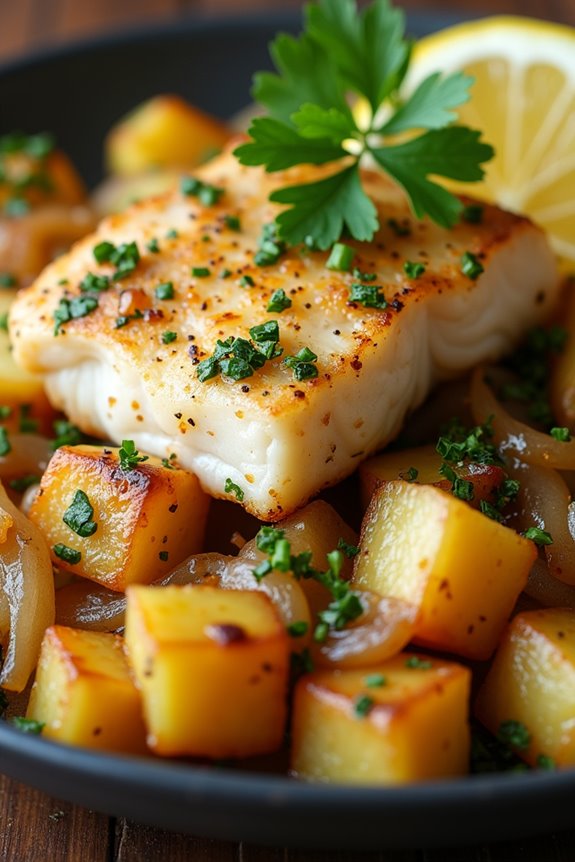
Klippfisk, or dried and salted cod, is a beloved dish in Norway, steeped in history and tradition. This method of preserving fish dates back to the Viking Age and has become an integral part of Scandinavian cuisine. The fish is typically prepared by soaking to rehydrate it, followed by cooking in various ways that highlight its unique flavor. Klippfisk isn’t just a meal; it represents a connection to Norway’s coastal heritage and the bounty of the sea.
This dish can be enjoyed in numerous forms, from simple servings with potatoes and vegetables to more elaborate recipes that incorporate sauces and sides. The versatility of klippfisk means it can be adapted to suit various tastes and occasions, making it an excellent choice for both everyday meals and festive gatherings. With this recipe, you’ll learn how to prepare a traditional klippfisk dish that celebrates the flavors of Norway while appealing to a modern palate.
Ingredients (Serves 4-6):
- 500g klippfisk (dried and salted cod)
- 4 medium potatoes, peeled and cubed
- 1 large onion, finely chopped
- 2 cloves garlic, minced
- 2 tablespoons olive oil
- 1 teaspoon black pepper
- 1 teaspoon paprika
- 1 tablespoon fresh parsley, chopped (for garnish)
- 1 lemon, cut into wedges (for serving)
Cooking Instructions:
- Soak the Klippfisk: Begin by soaking the klippfisk in cold water for 24 to 48 hours, depending on how salty you prefer it. Change the water several times to guarantee that the salt is adequately leached out. This step is vital for rehydrating the fish and preparing it for cooking.
- Prepare the Potatoes: While the klippfisk is soaking, peel and cube the potatoes. Place them in a pot of cold, salted water and bring to a boil. Cook for about 15 minutes or until tender. Drain the potatoes and set them aside.
- Cook the Klippfisk: Once the fish is adequately soaked, drain and rinse it to remove any excess salt. In a large pot, place the klippfisk and cover it with fresh water. Bring to a boil and then simmer for about 15-20 minutes until the fish is tender and flakes easily with a fork. Drain and set aside.
- Sauté the Aromatics: In a large skillet, heat the olive oil over medium heat. Add the chopped onion and garlic, and sauté until the onion is translucent and fragrant, about 5 minutes. This will create a flavorful base for the dish.
- Combine Ingredients: Gently add the cooked klippfisk and potatoes to the skillet with the sautéed onions and garlic. Sprinkle in the black pepper and paprika, and carefully mix everything to combine without breaking up the fish too much. Cook for an additional 5 minutes to heat everything through.
- Serve: Transfer the mixture to a serving platter or individual plates. Garnish with freshly chopped parsley and serve with lemon wedges on the side for a zesty finish.
Extra Tips:
When preparing klippfisk, it’s important to adjust the soaking time based on your taste preference for saltiness. If you’re unsure, err on the side of a longer soak to make certain the fish isn’t too salty.
Additionally, serving klippfisk with a side of fresh vegetables or a light salad can enhance the meal and provide a balance of flavors. Enjoy your taste of Norwegian tradition!
