

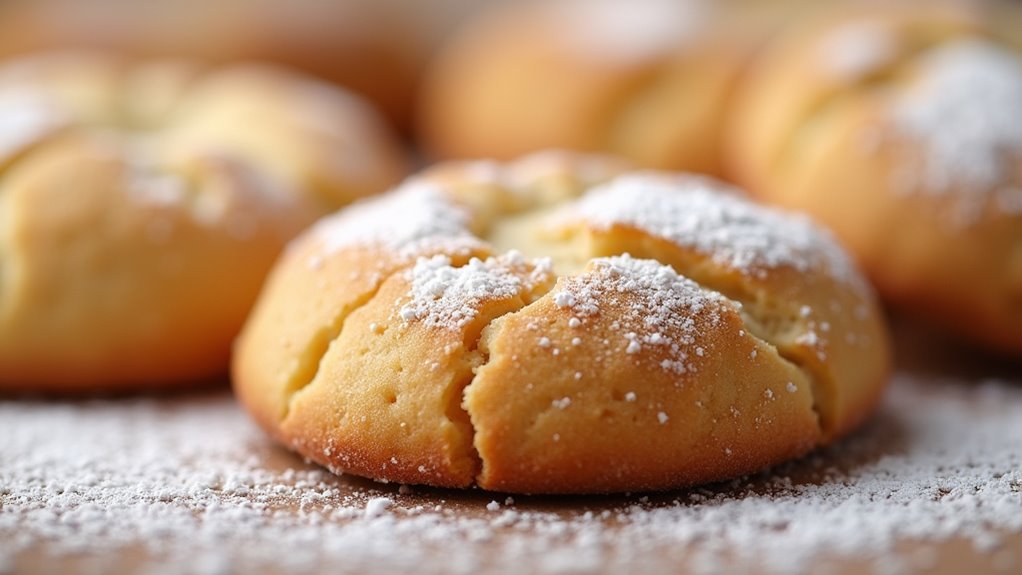
When I think of German biscuits, I envision a delightful assortment of treats that are both light and crispy. Each one carries its own unique charm and flavor. From the buttery goodness of Butter Plätzchen to the aromatic spices of Pfeffernüsse, these recipes are perfect for anyone looking to enhance their baking repertoire. Whether you’re just starting out in the kitchen or are an experienced baker, there’s something here that will pique your interest. Let’s explore these delightful creations that are sure to enchant your taste buds.
Classic Butter Plätzchen

Classic Butter Plätzchen are traditional German butter cookies that are delightfully rich and tender. Perfect for the holiday season or any special occasion, these cookies are incredibly versatile. They can be enjoyed plain or decorated with icing and sprinkles, making them a fun treat for both kids and adults.
The melt-in-your-mouth quality of these cookies is a result of high-quality butter and a simple, yet effective, recipe that has been cherished by families for generations.
To make Classic Butter Plätzchen, you don’t need many ingredients, but you do need a little patience and care to guarantee they turn out perfectly. The dough is easy to prepare and can be rolled and cut into various shapes with cookie cutters.
Once baked, you can leave them as is or add a sprinkle of powdered sugar or a glaze for extra sweetness. Let’s get started on creating this delightful German treat that will surely impress your family and friends!
Ingredients (Serves 4-6 people):
- 250g unsalted butter, softened
- 125g granulated sugar
- 1 large egg
- 1 tsp vanilla extract
- 500g all-purpose flour
- 1/2 tsp baking powder
- A pinch of salt
- Optional: powdered sugar for dusting or icing
Cooking Instructions:
1. Prepare the Dough: In a large mixing bowl, cream the softened butter and granulated sugar together until the mixture is light and fluffy. This process incorporates air into the butter, which helps the cookies to rise.
Next, beat in the egg and vanilla extract until well combined.
2. Combine Dry Ingredients: In a separate bowl, whisk together the all-purpose flour, baking powder, and salt. Mixing the dry ingredients separately guarantees that the baking powder is evenly distributed throughout the flour.
3. Mix the Wet and Dry Ingredients: Gradually add the dry ingredient mixture to the butter mixture. Use a spatula or your hands to combine until a dough forms. Be careful not to overmix, as this can lead to tougher cookies.
4. Chill the Dough: Once the dough is formed, wrap it in plastic wrap and refrigerate for at least 1 hour. Chilling the dough makes it easier to roll out and helps the cookies maintain their shape during baking.
5. Roll and Cut the Cookies: Preheat your oven to 180°C (350°F). On a lightly floured surface, roll out the chilled dough to about 0.5 cm thick. Use cookie cutters to cut out shapes and place them on a baking sheet lined with parchment paper.
Leave some space between each cookie, as they may spread while baking.
6. Bake the Cookies: Bake in the preheated oven for about 10-12 minutes, or until the edges are lightly golden. Keep an eye on them, as baking times may vary depending on your oven.
7. Cool and Decorate: Remove the cookies from the oven and let them cool on a wire rack. Once completely cooled, you can dust them with powdered sugar or drizzle icing on top for decoration.
Extra Tips:
When making Classic Butter Plätzchen, be sure to use high-quality butter as it greatly affects the flavor and texture of the cookies.
You can also experiment with different extracts, such as almond or lemon, to add a unique twist. For a festive touch, consider incorporating colored sprinkles or edible glitter when decorating.
Finally, these cookies can be stored in an airtight container for up to a week, making them a great make-ahead treat for gatherings.
Zimtsterne (Cinnamon Stars)

Zimtsterne, or Cinnamon Stars, are a delightful German treat that captures the essence of holiday baking with their aromatic blend of spices and nutty flavors. Traditionally enjoyed during the Christmas season, these star-shaped cookies are made from a mixture of ground almonds, cinnamon, and egg whites, creating a chewy, meringue-like texture that pairs perfectly with the sweet and spicy notes of cinnamon.
The cookies are then topped with a glossy white icing, making them not only a tasty treat but also a visually appealing addition to any holiday dessert table.
Making Zimtsterne is a straightforward process that requires just a few key ingredients and some patience. The dough needs to be rolled out and cut into star shapes, which can be an enjoyable activity for families and friends to do together.
Once baked, these cookies can be stored in an airtight container for weeks, allowing you to savor the holiday spirit long after the season has passed.
Ingredients for Zimtsterne (Serves 4-6)
- 250g ground almonds
- 200g powdered sugar
- 2 teaspoons ground cinnamon
- 2 large egg whites
- 1 tablespoon lemon juice
- 150g powdered sugar (for icing)
- 1-2 tablespoons water (for icing)
Cooking Instructions
- Prepare the Dough: In a large mixing bowl, combine the ground almonds, powdered sugar, and ground cinnamon. Stir the mixture until well blended. In a separate bowl, whisk the egg whites and lemon juice until soft peaks form. Gradually fold the egg whites into the almond mixture until a sticky dough forms. Be gentle to keep the mixture airy.
- Chill the Dough: Wrap the dough in plastic wrap and refrigerate for at least one hour. Chilling helps the flavors meld and makes the dough easier to roll out.
- Roll and Cut the Cookies: Preheat your oven to 150°C (300°F). On a lightly dusted surface, roll out the chilled dough to about 1 cm thickness. Use a star-shaped cookie cutter to cut out the cookies, placing them on a baking sheet lined with parchment paper. Gather any scraps, re-roll, and cut out more stars until all the dough is used.
- Bake the Cookies: Bake the cookies in the preheated oven for about 20-25 minutes, or until they’re slightly firm to the touch but still soft inside. Remove them from the oven and let them cool on the baking sheet for a few minutes before transferring to a wire rack to cool completely.
- Prepare the Icing: In a small bowl, mix the powdered sugar with 1-2 tablespoons of water to create a thick, spreadable icing. The consistency should be such that it easily coats the back of a spoon without running off too quickly.
- Ice the Cookies: Once the cookies are completely cool, use a small spatula or a knife to spread a thin layer of icing on top of each star. Let the icing set for at least 30 minutes before serving or storing.
Extra Tips
When making Zimtsterne, it’s important to use fresh, high-quality spices to enhance the flavor of the cookies.
Consider using finely ground almonds for a smoother texture and ensuring your egg whites are at room temperature for better volume when whisking.
If you’d like to add a twist, feel free to mix in a pinch of cloves or nutmeg to the dough for an extra layer of flavor.
Store the Zimtsterne in an airtight container at room temperature to maintain their chewy texture and enjoy them for weeks to come!
Lebkuchen (Gingerbread Cookies)
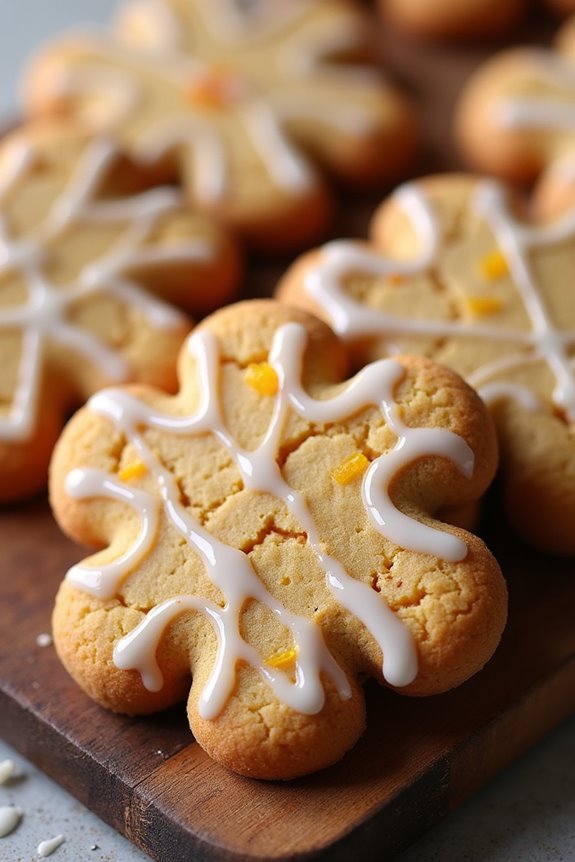
Lebkuchen, a traditional German gingerbread cookie, is a festive favorite that brings warmth and cheer to any gathering, especially during the holiday season. With its rich flavors and delightful aroma, these cookies are often spiced with cinnamon, cloves, and nutmeg, and sweetened with honey and sugar. They can be enjoyed plain, glazed with icing, or adorned with nuts and candied fruits.
Making Lebkuchen at home is a rewarding experience that fills your kitchen with the scent of spices and love, perfect for sharing with family and friends. This recipe yields approximately 4-6 servings, making it perfect for a cozy gathering or as a delicious treat to share with loved ones. While the preparation may take some time, the result is a batch of tender, flavorful cookies that will surely impress.
Once you master the basics of Lebkuchen, you can experiment with different shapes and toppings, making them your own.
Ingredients
- 1 cup honey
- 1 cup brown sugar
- 2 cups all-purpose flour
- 1 teaspoon baking powder
- 1 teaspoon ground cinnamon
- 1 teaspoon ground cloves
- 1 teaspoon ground nutmeg
- 1/2 teaspoon ground ginger
- 1/4 teaspoon salt
- 1 large egg
- 1/2 cup finely chopped almonds or walnuts
- 1/4 cup candied orange peel (optional)
- 1/4 cup candied lemon peel (optional)
- 1/2 cup powdered sugar (for icing)
- 1 tablespoon water (for icing)
Cooking Instructions
1. Prepare the Dough: In a medium saucepan, combine honey and brown sugar over low heat. Stir until the sugar is dissolved, then remove from heat and let it cool slightly.
In a separate bowl, mix the flour, baking powder, spices (cinnamon, cloves, nutmeg, ginger), and salt.
2. Combine Wet and Dry Ingredients****: Once the honey-sugar mixture has cooled, add the egg and stir until fully combined. Gradually incorporate the dry ingredients into the wet mixture, mixing until a dough forms. If the dough is too sticky, you can sprinkle a little more flour to make it manageable.
3. Add Nuts and Candied Peels: Fold in the finely chopped almonds or walnuts, along with the candied orange and lemon peels if you’re using them. Mix until evenly distributed throughout the dough.
4. Chill the Dough: Cover the dough with plastic wrap and refrigerate for at least 2 hours or overnight. Chilling helps the flavors meld and makes it easier to handle when shaping.
5. Shape the Cookies: Preheat your oven to 350°F (175°C). Line a baking sheet with parchment paper. On a floured surface, roll out the dough to about 1/4 inch thick. Use cookie cutters to cut out shapes and place them on the prepared baking sheet, leaving some space in between.
6. Bake: Bake the cookies in the preheated oven for 10-12 minutes, or until they’re lightly golden around the edges. Keep an eye on them to prevent over-baking.
7. Cool and Ice: Remove the cookies from the oven and allow them to cool on a wire rack. While they cool, whisk together the powdered sugar and water to create a smooth icing. Once the cookies are completely cool, drizzle or spread the icing on top as desired.
Extra Tips
For added authenticity, consider using a Lebkuchen spice mix, which can be found in some grocery stores or online. If you want to enhance the flavor further, you can also add a splash of rum or brandy to the dough.
To keep your cookies fresh, store them in an airtight container; they often taste even better after a day or two as they continue to absorb the flavors. Enjoy your homemade Lebkuchen with a cup of tea or coffee, and share them with loved ones for a truly festive treat!
Spritzgebäck (Spritz Cookies)

Spritzgebäck, or spritz cookies, are a delightful German treat that’s often enjoyed during the holiday season or at family gatherings. These buttery, melt-in-your-mouth cookies are known for their delicate texture and beautiful shapes, which are achieved by using a cookie press or piping bag. The name “spritz” comes from the German word “spritzen,” meaning to squirt or squeeze, which perfectly describes how these cookies are formed.
Spritzgebäck can be flavored with vanilla, almond, or lemon and are sometimes decorated with chocolate or colorful sprinkles, making them a versatile addition to any dessert table. Making Spritzgebäck is a fun and engaging process, especially when involving kids or friends, as you can experiment with various shapes and decorations.
The key to attaining that perfect texture lies in using high-quality butter and not overworking the dough. Once baked, these cookies can be enjoyed right away or stored for several weeks, making them a fantastic make-ahead treat.
Ingredients (serves 4-6 people):
- 250g unsalted butter, softened
- 100g granulated sugar
- 1 packet (about 8g) vanilla sugar or 1 teaspoon vanilla extract
- 1 large egg
- 350g all-purpose flour
- 1 teaspoon baking powder
- A pinch of salt
- Optional: 100g chocolate (for dipping) and colorful sprinkles
Cooking Instructions:
- Preheat the Oven: Begin by preheating your oven to 180°C (350°F). This guarantees that your cookies will bake evenly and achieve that perfect golden-brown color.
- Cream the Butter and Sugar: In a large mixing bowl, combine the softened unsalted butter, granulated sugar, and vanilla sugar (or vanilla extract). Using an electric mixer, beat the mixture on medium speed until it becomes light and fluffy. This process usually takes about 3-5 minutes and is essential for incorporating air into the batter, which helps create a tender cookie.
- Add the Egg: Once the butter and sugar are well combined, add the egg to the mixture. Continue to beat on low speed until the egg is fully integrated. This step adds moisture and richness to the dough.
- Combine Dry Ingredients: In a separate bowl, whisk together the all-purpose flour, baking powder, and salt. Gradually add this mixture to the wet ingredients, mixing on low speed until just combined. Be careful not to overmix; you want a smooth dough without any lumps.
- Fill the Cookie Press: Transfer the dough into a cookie press or a piping bag fitted with a large star tip. If you don’t have either, you can also use a spoon to drop small mounds of dough onto the baking tray.
- Pipe the Cookies: On a lined baking tray, pipe the dough into your desired shapes (such as stars, hearts, or straight lines). Leave enough space between each cookie as they’ll spread slightly during baking.
- Bake: Place the tray in the preheated oven and bake for 10-12 minutes or until the edges are lightly golden. Keep an eye on them, as baking times may vary based on your oven.
- Cool and Decorate: Once baked, remove the cookies from the oven and let them cool on the tray for a few minutes before transferring them to a wire rack to cool completely. If desired, melt chocolate in a microwave or double boiler and dip half of each cookie in the chocolate. Sprinkle with colorful sprinkles if you like.
Extra Tips:
To guarantee your Spritzgebäck turns out beautifully, make sure your butter is at room temperature before starting, as this helps achieve the right consistency when creaming with sugar.
If you want to experiment with flavors, consider adding a teaspoon of almond extract or lemon zest to the dough. These cookies can be stored in an airtight container for several weeks, making them perfect for holiday gifting or as a sweet treat to enjoy throughout the month.
Vanillekipferl (Vanilla Crescent Cookies)
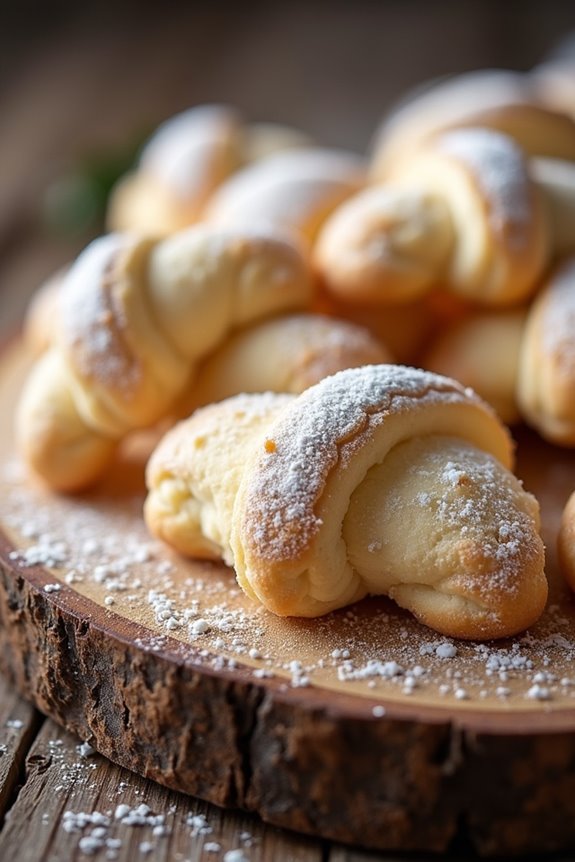
Vanillekipferl, or vanilla crescent cookies, are a beloved traditional German treat, often enjoyed during the holiday season. These delightful cookies are made with simple ingredients and are known for their rich, buttery flavor and melt-in-your-mouth texture. The distinctive crescent shape and dusting of powdered sugar make them not only delicious but also visually appealing.
The origins of Vanillekipferl date back to the 19th century, and they’ve since become a staple in many German and Austrian homes. The use of ground almonds or walnuts adds a unique nutty flavor that complements the sweet vanilla. Whether enjoyed with a cup of coffee or as a festive treat, these cookies are sure to bring joy to any gathering.
Ingredients (Serves 4-6):
- 250g all-purpose flour
- 100g ground almonds (or walnuts)
- 200g unsalted butter, softened
- 80g powdered sugar (plus extra for dusting)
- 1 teaspoon vanilla extract
- 1 egg yolk
- A pinch of salt
Cooking Instructions:
- Prepare the Dough: In a large mixing bowl, combine the all-purpose flour, ground almonds (or walnuts), and a pinch of salt. Stir well to guarantee the dry ingredients are evenly mixed. In another bowl, cream together the softened butter and powdered sugar until light and fluffy. Add the vanilla extract and the egg yolk to the butter mixture, mixing until well incorporated.
- Combine Ingredients: Gradually add the dry mixture to the creamed butter mixture. Mix until a soft dough forms. Avoid overmixing, as this can make the cookies tough. Once the dough is formed, divide it into two portions, shape them into logs, and wrap them in plastic wrap. Chill the logs in the refrigerator for at least 1 hour to firm up.
- Shape the Cookies: Preheat your oven to 180°C (350°F). After chilling, remove the dough logs from the refrigerator and slice them into small pieces (about 2-3 cm thick). Roll each piece into a small crescent shape and place them on a baking sheet lined with parchment paper, leaving space between each cookie.
- Bake the Cookies: Bake the Vanillekipferl in the preheated oven for about 12-15 minutes, or until the edges are lightly golden. Keep an eye on them to prevent overbaking, as they should remain pale in color.
- Dust with Sugar: Once baked, remove the cookies from the oven and let them cool on the baking sheet for a few minutes. While they’re still warm, carefully dust them with additional powdered sugar. This step adds sweetness and enhances their appearance. Allow the cookies to cool completely on a wire rack.
Extra Tips: For an extra burst of flavor, you can add a few drops of almond extract to the dough along with the vanilla. Ascertain that your butter is at room temperature for easier mixing and a smoother dough.
These cookies can be stored in an airtight container for up to two weeks, making them perfect for holiday gifting or enjoying throughout the season.
Butterkekse (Butter Biscuits)
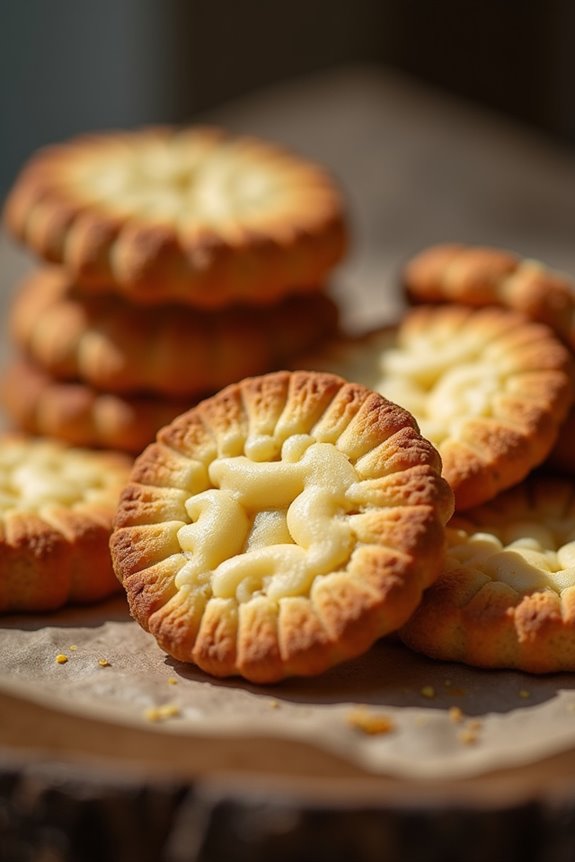
Butterkekse, or Butter Biscuits, are a beloved treat in Germany, known for their rich buttery flavor and crisp texture. These delicate biscuits are perfect for enjoying with a cup of tea or coffee, making them a favorite for afternoon snacks and festive occasions alike.
The simplicity of the ingredients allows for a melt-in-your-mouth experience that’s both satisfying and delightful. Whether you’re baking them for a special occasion or simply to satisfy a sweet craving, these biscuits are sure to impress.
This recipe is straightforward and perfect for both novice and experienced bakers. With just a few basic ingredients, you can whip up a batch of these delicious Butterkekse in no time. The key to achieving the perfect texture is to verify that your butter is at room temperature, allowing it to cream beautifully with the sugar.
Once baked, these biscuits can be stored in an airtight container, maintaining their crispness for several days.
Ingredients (Serves 4-6 people):
- 250 grams unsalted butter, softened
- 150 grams granulated sugar
- 1 large egg
- 1 teaspoon vanilla extract
- 350 grams all-purpose flour
- 1/2 teaspoon baking powder
- A pinch of salt
Cooking Instructions:
- Preheat the Oven: Start by preheating your oven to 180°C (350°F). This step is crucial to verify that the Butterkekse bake evenly and achieve that perfect golden color.
- Cream Butter and Sugar: In a large mixing bowl, add the softened butter and granulated sugar. Using an electric mixer, cream the butter and sugar together on medium speed until the mixture becomes light and fluffy. This process incorporates air into the mixture, which is essential for a tender biscuit.
- Add Egg and Vanilla: Once the butter and sugar are creamed, add the egg and vanilla extract to the bowl. Mix on low speed until everything is well combined. The egg helps to bind the ingredients together and adds moisture to the biscuits.
- Combine Dry Ingredients: In a separate bowl, whisk together the all-purpose flour, baking powder, and salt. Gradually add this dry mixture to the wet mixture, stirring gently with a spatula or wooden spoon until just combined. Be careful not to overmix, as this can result in a tough texture.
- Shape the Biscuits: Using a tablespoon or cookie scoop, portion out the dough and roll each piece into a ball. Place the dough balls on a baking sheet lined with parchment paper, leaving some space between each ball as they’ll spread while baking.
- Flatten the Dough: Gently press down on each dough ball with the back of a fork or your fingers to flatten them slightly. This will help them cook evenly and create the classic biscuit shape.
- Bake: Place the baking sheet in the preheated oven and bake the Butterkekse for 12-15 minutes, or until the edges turn golden brown. Keep an eye on them, as baking times can vary depending on your oven.
- Cool and Serve: Once baked, remove the cookies from the oven and allow them to cool on the baking sheet for a few minutes before transferring them to a wire rack to cool completely. Once cooled, serve them with your favorite beverage or enjoy them as a sweet snack.
Extra Tips:
For an even more delightful experience, consider adding a pinch of lemon zest or almond extract to the dough for a unique twist on the classic flavor.
If you prefer a sweeter biscuit, you can sprinkle some granulated sugar on top of each cookie before baking. Additionally, these Butterkekse can be easily customized with chocolate chips, nuts, or dried fruit to cater to your personal taste. Enjoy your baking!
Nussecken (Nut Corners)
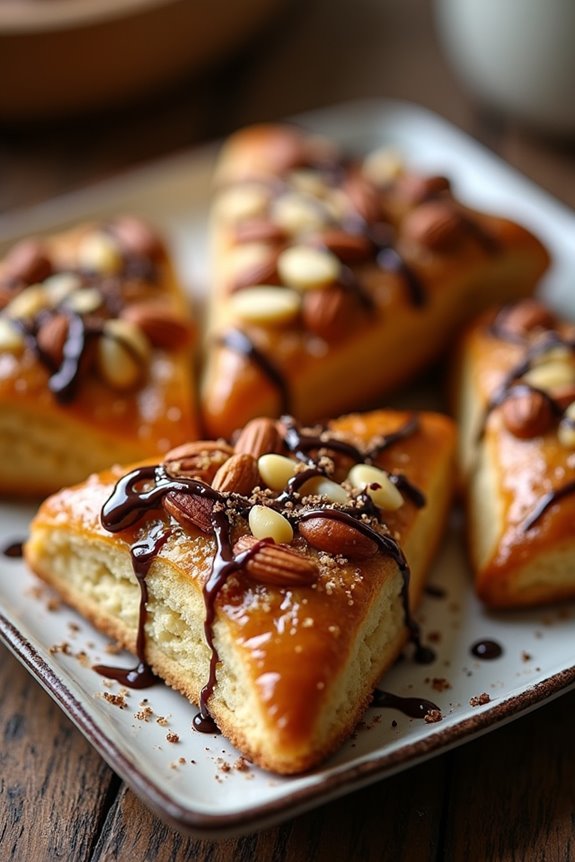
Nussecken, or Nut Corners, are a delightful German pastry that combines a buttery shortcrust base with a rich nut topping, usually made from a mixture of almonds and hazelnuts.
These scrumptious treats are perfect for coffee breaks, holiday gatherings, or simply as a sweet indulgence. Their unique triangular shape not only makes them visually appealing but also allows for a perfect balance of textures, with a crunchy topping and a soft, crumbly base.
This recipe is straightforward, making it accessible for bakers of all levels. As you prepare, the warm aroma of nuts and butter will fill your kitchen, inviting everyone to gather around and enjoy a slice of this delicious dessert.
Nussecken are best served at room temperature, and they can be stored in an airtight container for several days, allowing you to savor their delightful flavors over time.
Ingredients (Serves 4-6)
- 200g all-purpose flour
- 100g unsalted butter, softened
- 50g granulated sugar
- 1 large egg
- 1 teaspoon vanilla extract
- 1/2 teaspoon baking powder
- 200g mixed nuts (almonds and hazelnuts), chopped
- 150g honey
- 100g brown sugar
- 1 teaspoon cinnamon
- 1 pinch of salt
- 100g dark chocolate, for drizzling (optional)
Cooking Instructions
- Prepare the Shortcrust Base: In a mixing bowl, combine the all-purpose flour, softened butter, granulated sugar, egg, vanilla extract, baking powder, and a pinch of salt. Mix until a smooth dough forms. If the dough is too sticky, add a little more flour until it reaches the right consistency.
- Bake the Base: Preheat your oven to 180°C (350°F). Roll out the dough on a floured surface into a rectangle about 1 cm thick. Transfer the dough to a lined baking tray and press it evenly into the bottom. Bake in the preheated oven for 15-20 minutes or until it’s lightly golden. Once baked, set aside to cool slightly.
- Prepare the Nut Topping: In a saucepan over low heat, combine the honey, brown sugar, and cinnamon. Stir until the sugar dissolves and the mixture is well combined. Remove from heat and add the chopped nuts, mixing thoroughly to coat them in the syrup.
- Assemble and Bake Again: Spread the nut mixture evenly over the baked shortcrust base, pressing it down gently. Return the tray to the oven and bake for an additional 20-25 minutes, or until the nuts are golden brown. Keep an eye on them to avoid burning.
- Cool and Cut: Once baked, remove the tray from the oven and let it cool completely in the tray. Once cool, use a sharp knife to cut the pastry into triangles or squares, resembling corners.
- Optional Chocolate Drizzle: If desired, melt the dark chocolate in a microwave or double boiler. Drizzle the melted chocolate over the cut pieces for an elegant finish. Allow the chocolate to set before serving.
Extra Tips
When making Nussecken, feel free to experiment with different types of nuts or even add dried fruits for additional flavor and texture.
To enhance the flavor profile, consider adding a splash of rum or brandy to the nut mixture. For a more pronounced sweetness, you can increase the amount of honey or brown sugar slightly.
Finally, make sure to let the dessert cool completely before cutting to achieve clean edges and to prevent the topping from crumbling. Enjoy your homemade Nussecken!
Schneeballen (Snowballs)

Schneeballen, or “Snowballs,” are a traditional German pastry that hails from the region of Franconia, particularly associated with the town of Rothenburg ob der Tauber. These delightful treats are made from a rich, buttery dough that’s rolled out, cut into strips, and then twisted into unique shapes before being deep-fried to golden perfection. The final touch is a generous dusting of powdered sugar, giving them their snowball-like appearance.
They’re perfect for festive occasions or as a special treat to enjoy with coffee or tea. Making Schneeballen is a fun and rewarding process. The dough is simple to prepare, but the real magic happens when you twist and shape it into those iconic forms. This recipe yields about 4-6 servings, guaranteeing there’s enough to share with family and friends or to indulge in a few on your own.
Whether you’re looking to impress guests at a gathering or simply satisfy a sweet tooth, these snowballs are sure to bring a taste of Germany to your kitchen.
Ingredients:
- 2 cups all-purpose flour
- 1/2 cup unsalted butter, softened
- 1/4 cup granulated sugar
- 1/4 teaspoon salt
- 1 large egg
- 1 teaspoon vanilla extract
- 1/2 teaspoon baking powder
- Powdered sugar (for dusting)
- Oil (for frying)
Cooking Instructions:
- Prepare the Dough: In a large mixing bowl, combine the all-purpose flour, softened butter, granulated sugar, salt, egg, vanilla extract, and baking powder. Mix together using your hands or a wooden spoon until the ingredients form a cohesive dough. It should be smooth and slightly sticky.
- Chill the Dough: Wrap the dough in plastic wrap and refrigerate for about 30 minutes. This chilling step helps to firm up the dough, making it easier to handle when shaping the Schneeballen.
- Roll Out the Dough: After chilling, take the dough out of the refrigerator and divide it into smaller portions (about 3-4 pieces). On a lightly floured surface, roll each piece out into a rectangle about 1/8 inch thick.
- Cut and Shape: Using a sharp knife or pizza cutter, cut the rolled-out dough into strips (about 1 inch wide). Take each strip and twist it into a spiral shape or create a knot. Be creative with your shapes, as each piece can look different.
- Heat the Oil: In a deep frying pan or pot, pour enough oil to submerge the pastries (about 2-3 inches deep). Heat the oil over medium heat until it reaches 350°F (175°C). You can test the oil by dropping a small piece of dough into it; if it sizzles, it’s ready.
- Fry the Schneeballen: Carefully add the shaped dough pieces to the hot oil in batches, making sure not to overcrowd the pan. Fry them for about 2-3 minutes on each side, or until they turn golden brown. Use a slotted spoon to remove them and place them on paper towels to drain excess oil.
- Dust with Powdered Sugar: Once the Schneeballen are cool enough to handle, generously dust them with powdered sugar. For an extra touch, you can roll them in the powdered sugar for a thicker coating.
Extra Tips:
When making Schneeballen, feel free to experiment with different flavors in the dough by adding spices like cinnamon or nutmeg, or even citrus zest for a revitalizing twist. Confirm the oil is at the correct temperature before frying, as this will prevent the pastries from becoming greasy.
Finally, it’s best to enjoy these treats fresh, but if you have leftovers, they can be stored in an airtight container for a few days. Enjoy your homemade Schneeballen!
Mürbeteigplätzchen (Shortcrust Cookies)
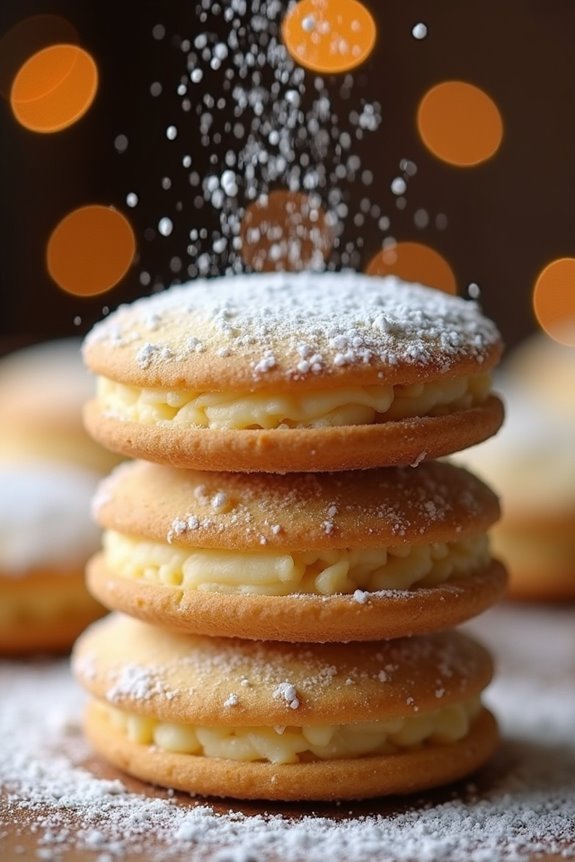
Mürbeteigplätzchen, or shortcrust cookies, are delightful little treats that have a rich, buttery flavor and a melt-in-your-mouth texture. These cookies are incredibly versatile and can be enjoyed plain or adorned with various toppings such as chocolate, icing, or sprinkles.
Traditionally enjoyed during festive seasons, they’re also perfect as an everyday snack or a sweet addition to your afternoon tea. The beauty of Mürbeteigplätzchen lies in their simplicity. With just a few basic ingredients, you can whip up a batch of these delightful cookies in no time.
Whether you’re an experienced baker or just starting out, this recipe will guide you to create perfect shortcrust cookies that everyone will love. Gather your ingredients and let’s plunge into the baking process!
Ingredients (Serves 4-6 people):
- 250g all-purpose flour
- 125g unsalted butter, softened
- 100g granulated sugar
- 1 large egg
- 1 teaspoon vanilla extract
- A pinch of salt
- Optional: powdered sugar for dusting or chocolate for dipping
Cooking Instructions:
- Prepare Your Work Surface: Start by clearing a clean work surface and gathering your ingredients. Preheat your oven to 180°C (350°F) to guarantee it’s ready for baking once your dough is prepared.
- Mix the Butter and Sugar: In a large mixing bowl, combine the softened butter and granulated sugar. Using an electric mixer or a wooden spoon, beat the mixture until it becomes light and fluffy. This should take about 3-5 minutes. The fluffy texture is essential for the cookies’ tender quality.
- Add the Egg and Vanilla: Crack the egg into the butter-sugar mixture and add the vanilla extract. Mix until well combined. The egg acts as a binding agent, helping to hold the cookies together while adding moisture.
- Combine Dry Ingredients: In a separate bowl, sift together the all-purpose flour and salt. Gradually add this dry mixture to the wet ingredients, stirring gently with a spatula or wooden spoon until a soft dough forms. Be careful not to overmix, as this can lead to tough cookies.
- Chill the Dough: Once the dough is formed, wrap it in plastic wrap and refrigerate for at least 30 minutes. Chilling the dough helps it to firm up, making it easier to roll out and cut into shapes.
- Roll and Cut the Dough: After chilling, remove the dough from the refrigerator. On a lightly floured surface, roll out the dough to about 5mm thickness. Use cookie cutters to cut out your desired shapes and place them onto a baking sheet lined with parchment paper.
- Bake the Cookies: Place the baking sheet in the preheated oven and bake for 10-12 minutes, or until the edges are lightly golden. Keep a close eye on them to prevent overbaking.
- Cool and Serve: Once baked, remove the cookies from the oven and allow them to cool on the baking sheet for a few minutes before transferring them to a wire rack to cool completely. If desired, dust with powdered sugar or dip in melted chocolate before serving.
Extra Tips:
To enhance the flavor of your Mürbeteigplätzchen, consider adding zest from a lemon or orange into the dough for a citrusy twist.
You can also experiment with different extracts, such as almond or rum, to find your preferred taste. If you’d like to add a little crunch, fold in some finely chopped nuts or chocolate chips into the dough.
These cookies can also be stored in an airtight container for up to a week, making them a great make-ahead treat!
Pfeffernüsse (Peppernuts)
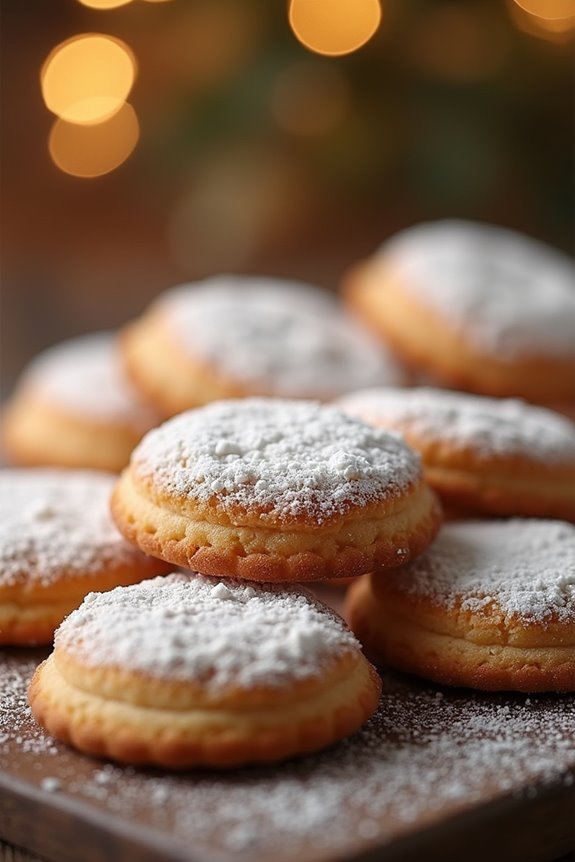
Pfeffernüsse, a beloved traditional German treat, are small, spiced cookies that are perfect for the holiday season or any time you crave a little sweetness. These delightful morsels are imbued with a mix of warm spices, including cinnamon, nutmeg, and ground black pepper, which give them their unique name and flavor.
The dough is rolled into tiny balls before baking, resulting in a cookie that’s crunchy on the outside and slightly chewy on the inside. Pfeffernüsse are often coated with powdered sugar or a glaze, making them not only delicious but also visually appealing.
Making Pfeffernüsse is a wonderful way to fill your kitchen with delightful aromas and prepare for festive gatherings. The recipe is simple enough for bakers of all skill levels, and the resulting cookies can be stored for weeks, making them perfect for gift-giving or simply enjoying with a cup of tea or coffee.
Let’s explore this classic German biscuit recipe and create a batch that serves 4-6 people.
Ingredients:
- 2 cups all-purpose flour
- 1 teaspoon baking powder
- 1 teaspoon ground cinnamon
- 1/2 teaspoon ground nutmeg
- 1/2 teaspoon ground cloves
- 1/2 teaspoon ground black pepper
- 1/4 teaspoon salt
- 1/2 cup unsalted butter, softened
- 1 cup granulated sugar
- 1/4 cup molasses
- 1 large egg
- 1 teaspoon vanilla extract
- Powdered sugar for dusting
Cooking Instructions:
- Preheat the Oven: Begin by preheating your oven to 350°F (175°C). This guarantees that the cookies will bake evenly and achieve a perfect texture when they hit the oven.
- Mix Dry Ingredients: In a medium bowl, combine the all-purpose flour, baking powder, cinnamon, nutmeg, cloves, black pepper, and salt. Whisk them together until well blended. This step is important as it evenly distributes the spices throughout the flour, guaranteeing that each cookie is infused with the right flavor.
- Cream Butter and Sugar: In a large mixing bowl, cream together the softened butter and granulated sugar until it becomes light and fluffy. This typically takes about 3-5 minutes. The creaming process incorporates air into the mixture, which helps the cookies rise and develop a light texture.
- Add Molasses, Egg, and Vanilla: Once the butter and sugar are fluffy, add the molasses, egg, and vanilla extract. Mix until fully combined. The molasses will add moisture and a rich flavor, while the egg acts as a binding agent.
- Combine Wet and Dry Ingredients: Gradually add the dry ingredient mixture to the wet ingredients, mixing until just combined. Be careful not to overmix, as this can lead to tough cookies. The dough will be slightly sticky.
- Shape the Cookies: With clean hands, take small amounts of dough and roll them into balls about the size of a marble. Place the balls on a baking sheet lined with parchment paper, leaving space between each one for spreading.
- Bake the Cookies: Place the baking sheet in the preheated oven and bake for 10-12 minutes, or until the edges are lightly golden. Keep an eye on them as baking times may vary based on your oven.
- Cool and Dust with Sugar: Once baked, remove the cookies from the oven and let them cool on the baking sheet for a few minutes before transferring them to a wire rack to cool completely. Once cooled, dust with powdered sugar before serving.
Extra Tips:
When making Pfeffernüsse, feel free to customize the spices to suit your taste preference. Some bakers like to add anise or ginger for additional flavor.
Additionally, consider making a simple glaze with powdered sugar and a bit of water or milk for a shiny finish. These cookies also improve in flavor after a day or two, as the spices meld together, so making them in advance can enhance your enjoyment.
Store them in an airtight container to keep them fresh and flavorful for longer!
