

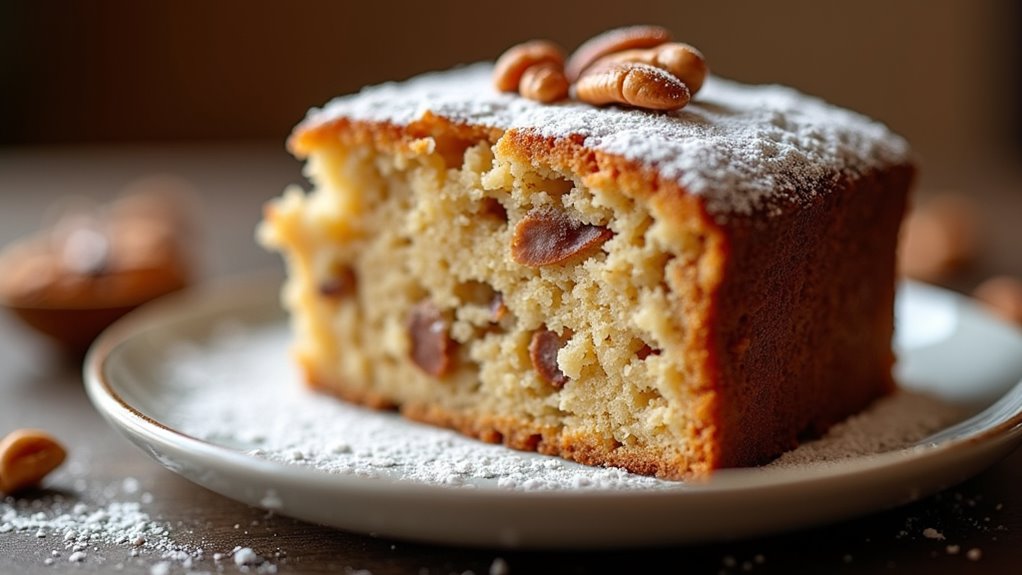
German desserts have a way of capturing the heart and palate with their rich flavors and comforting textures. From the luscious layers of Black Forest Cake to the cozy warmth of Apfelstrudel, each treat is an indulgent delight. These recipes carry whispers of tradition and offer a sweet escape. Curious about what makes them so special? Let’s explore these decadent delights together.
Black Forest Cake
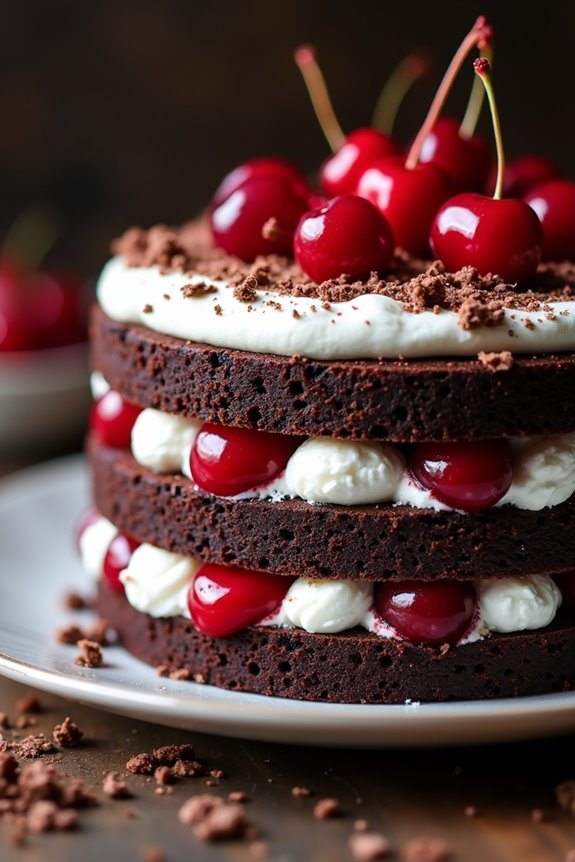
Black Forest Cake, or Schwarzwälder Kirschtorte, is a classic German dessert that beautifully combines rich chocolate, fluffy whipped cream, and tart cherries. Originating from the Black Forest region of Germany, this indulgent cake has become a favorite around the world.
The layers of chocolate sponge cake are soaked in cherry liqueur, filled with a luscious cherry filling, and topped with whipped cream and chocolate shavings, creating a delightful balance of flavors and textures.
Making a Black Forest Cake may seem intimidating, but with a little patience and attention to detail, you can create this stunning dessert that’s perfect for celebrations. The combination of dark chocolate, sweet cherries, and light whipped cream not only looks impressive but also delivers a deliciously decadent taste that will impress your family and friends.
Follow the steps below to make your own Black Forest Cake for 4-6 people.
Ingredients
- 1 ½ cups all-purpose flour
- 1 cup granulated sugar
- ½ cup unsweetened cocoa powder
- 1 ½ teaspoons baking powder
- 1 teaspoon baking soda
- ½ teaspoon salt
- 2 large eggs
- 1 cup buttermilk
- ½ cup vegetable oil
- 2 teaspoons vanilla extract
- 1 cup hot water
- 1 cup pitted cherries (fresh or canned, drained)
- ½ cup cherry liqueur (such as Kirsch)
- 2 cups heavy whipping cream
- 2 tablespoons powdered sugar
- Chocolate shavings for decoration
Cooking Instructions
1. Preheat the Oven: Begin by preheating your oven to 350°F (175°C). Grease and flour two 9-inch round cake pans to prevent the cake from sticking.
2. Mix Dry Ingredients****: In a large mixing bowl, combine the flour, granulated sugar, cocoa powder, baking powder, baking soda, and salt. Whisk these dry ingredients together until they’re evenly mixed.
3. Combine Wet Ingredients: In another bowl, whisk together the eggs, buttermilk, vegetable oil, and vanilla extract until well blended. Gradually add this mixture to the bowl of dry ingredients, stirring until just combined.
4. Add Hot Water: Carefully stir in the hot water to the batter. This will create a thin batter, which is normal. Make sure there are no lumps, but don’t overmix.
5. Bake the Cakes: Pour the batter evenly into the prepared cake pans. Bake in the preheated oven for about 30-35 minutes, or until a toothpick inserted into the center comes out clean. Allow the cakes to cool in the pans for 10 minutes before transferring them to a wire rack to cool completely.
6. Prepare the Cherry Filling: If using fresh cherries, pit and chop them. If using canned cherries, drain them well. Mix the cherries with cherry liqueur in a bowl and set aside to soak while you prepare the whipped cream.
7. Whip the Cream: In a large bowl, beat the heavy whipping cream and powdered sugar with an electric mixer until stiff peaks form. This will be used for layering and decorating the cake.
8. Assemble the Cake: Once the cakes are completely cool, slice each cake in half horizontally to create four layers. Place one layer on a serving plate, and soak it lightly with some cherry liqueur. Spread a layer of whipped cream over the cake, then add a portion of the cherry filling.
Repeat this process with the next two layers. Top the final layer with whipped cream and decorate with chocolate shavings and any remaining cherries.
9. Chill and Serve: Refrigerate the assembled cake for at least an hour to set. Slice and serve chilled, allowing each slice to showcase the beautiful layers.
Extra Tips
When making Black Forest Cake, be certain your ingredients are at room temperature for better mixing and texture.
Take your time when assembling the cake; evenly spread the whipped cream and cherry filling to achieve a beautiful presentation. If you prefer a less boozy version, feel free to substitute the cherry liqueur with cherry juice.
Finally, for a fun twist, consider adding a layer of marzipan or a drizzle of chocolate ganache for added flavor and richness. Enjoy your homemade Black Forest Cake!
German Cheesecake
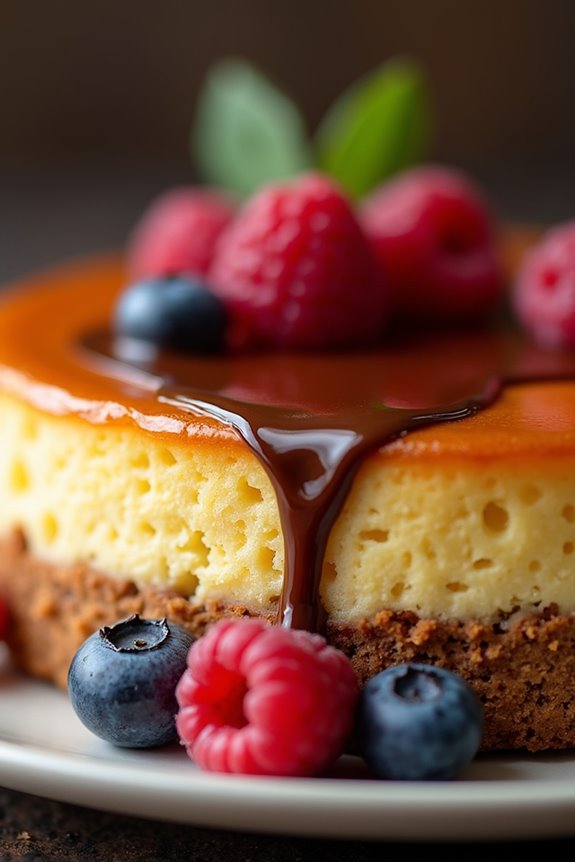
German Cheesecake, known as “Käsekuchen,” is a delightful dessert that combines a rich, creamy filling with a light, fluffy texture. Unlike its American counterpart, this version often features quark, a fresh dairy product that adds a unique tanginess and depth of flavor.
The crust is typically made from crushed cookies or a simple shortcrust pastry, making it a versatile and easy-to-make treat. This cheesecake is perfect for any occasion, whether it’s a festive gathering, a family celebration, or simply an indulgent treat for yourself.
The beauty of German Cheesecake lies in its simplicity and the quality of its ingredients. With just a handful of elements, you can create a luscious dessert that will impress your guests and satisfy your sweet tooth.
As it bakes, the cheesecake puffs up beautifully, forming a light golden top that’s both visually appealing and delicious. Once chilled, it can be served plain or topped with fresh fruits, whipped cream, or a drizzle of chocolate sauce for an extra touch of indulgence.
Ingredients (Serves 4-6)
- 200g (7 oz) digestive biscuits or graham crackers
- 100g (3.5 oz) unsalted butter, melted
- 500g (17.6 oz) quark cheese (or cream cheese if needed)
- 100g (3.5 oz) granulated sugar
- 3 large eggs
- 1 teaspoon vanilla extract
- 1 tablespoon lemon juice
- 2 tablespoons all-purpose flour
- A pinch of salt
Cooking Instructions
1. Prepare the Crust: Preheat your oven to 180°C (350°F). In a mixing bowl, crush the digestive biscuits or graham crackers into fine crumbs. Mix the crumbs with the melted butter until well combined.
Press the mixture into the bottom of a springform pan (approximately 9 inches in diameter) to form a smooth, even layer. Bake in the preheated oven for about 10 minutes, then remove and let it cool.
2. Make the Filling: In a large mixing bowl, combine the quark cheese (or cream cheese), granulated sugar, and a pinch of salt. Use an electric mixer to blend until smooth and creamy.
Add in the eggs one at a time, mixing well after each addition. Then, stir in the vanilla extract, lemon juice, and all-purpose flour, mixing until everything is well incorporated and smooth.
3. Combine and Bake: Pour the cheese mixture over the cooled crust in the springform pan. Spread it evenly with a spatula. Bake in the oven for about 45-50 minutes, or until the edges are set and the center is slightly jiggly.
Turn off the oven and leave the cheesecake inside for an additional 10 minutes to prevent cracking.
4. Cool and Serve: After baking, remove the cheesecake from the oven and let it cool to room temperature. Once cooled, refrigerate for at least 3 hours (or overnight) before releasing it from the springform pan.
Serve chilled, garnished with fresh fruits, whipped cream, or a drizzle of chocolate if desired.
Extra Tips
When making German Cheesecake, using quark will give the best flavor and texture, but if you can’t find it, cream cheese can be a suitable substitute.
Make sure to let the cheesecake cool completely before refrigerating, as this helps in achieving the perfect texture. For added flavor, consider mixing in some grated lemon zest or a splash of almond extract into the filling. Enjoy your delicious homemade Käsekuchen!
Apfelstrudel (Apple Strudel)
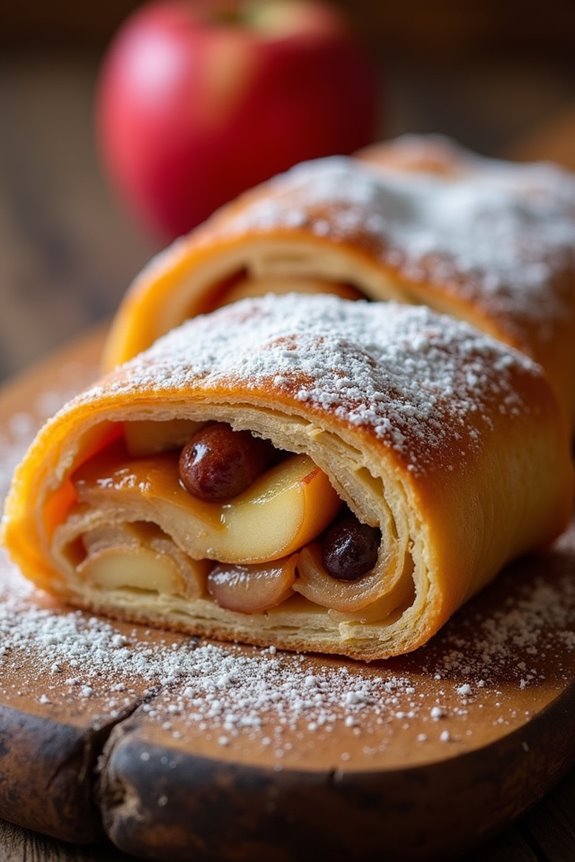
Apfelstrudel, or apple strudel, is a traditional German pastry that has become a beloved dessert in many parts of the world. This delightful dish is characterized by its thin, flaky dough wrapped around a sweet apple filling, often enhanced with cinnamon, raisins, and nuts. The origins of strudel date back to the Austro-Hungarian Empire, and it has since evolved into a staple of German cuisine, enjoyed warm, dusted with powdered sugar, and often served with vanilla ice cream or whipped cream.
Making Apfelstrudel from scratch may seem intimidating, but with a little patience and practice, you can create a stunning dessert that will impress your family and friends. The key to a perfect strudel lies in the dough, which should be stretched thin enough to see through, creating a delicate and airy texture. Once filled with the sweet apple mixture, it’s rolled up and baked until golden brown, resulting in a crispy exterior and a warm, flavorful filling.
Ingredients (Serves 4-6):
- 1 cup all-purpose flour
- ½ teaspoon salt
- 1 tablespoon sugar
- 2 tablespoons vegetable oil
- 1/3 cup water (warm)
- 4 medium apples (peeled, cored, and sliced)
- ½ cup granulated sugar (for filling)
- 1 teaspoon ground cinnamon
- ½ cup raisins
- ¼ cup chopped walnuts (optional)
- 3 tablespoons breadcrumbs
- 4 tablespoons melted butter
- Powdered sugar (for dusting)
Cooking Instructions:
- Prepare the Dough: In a large mixing bowl, combine the flour, salt, and sugar. Make a well in the center and add the vegetable oil and warm water. Mix until the dough begins to come together. Knead the dough on a floured surface for about 5-7 minutes until smooth and elastic. Cover it with a damp cloth and let it rest for at least 30 minutes.
- Prepare the Filling: While the dough is resting, prepare the apple filling. In a separate bowl, combine the sliced apples, granulated sugar, ground cinnamon, raisins, and chopped walnuts (if using). Toss everything together until the apples are evenly coated.
- Roll Out the Dough: After resting, place the dough on a large, floured cloth or clean surface. With a rolling pin, begin rolling the dough out as thinly as possible, ideally to about 1/8 inch thick. Once rolled out, carefully stretch the dough with your hands to make it even thinner, being careful not to tear it.
- Add Breadcrumbs: Sprinkle the breadcrumbs evenly over the rolled-out dough. This will help absorb excess moisture from the apple filling and keep the strudel from becoming soggy.
- Add the Filling: Place the apple filling along one edge of the dough, leaving about an inch of space from the edge. Carefully lift the edge of the cloth (or surface) to start rolling the dough over the filling, creating a log shape. Roll it tightly and seal the ends by pinching the dough.
- Bake the Strudel: Preheat the oven to 375°F (190°C). Carefully transfer the rolled strudel onto a baking sheet lined with parchment paper. Brush the top with melted butter to give it a golden color. Bake for 30-35 minutes, or until the strudel is golden brown and crispy.
- Cool and Serve: Once baked, remove the strudel from the oven and let it cool for a few minutes. Dust with powdered sugar before slicing. Serve warm, optionally with a scoop of vanilla ice cream or a dollop of whipped cream.
Extra Tips:
When making Apfelstrudel, it’s essential to use the right type of apples for the filling. Tart apples like Granny Smith or Braeburn work best, as they hold their shape during baking and provide a lovely contrast to the sweetness.
Additionally, consider adding a splash of lemon juice to the apple mixture to enhance the flavors and prevent browning. If you’re feeling adventurous, try experimenting with different spices or adding a touch of vanilla extract or almond extract to the filling for an extra layer of flavor.
Lebkuchen (Gingerbread)
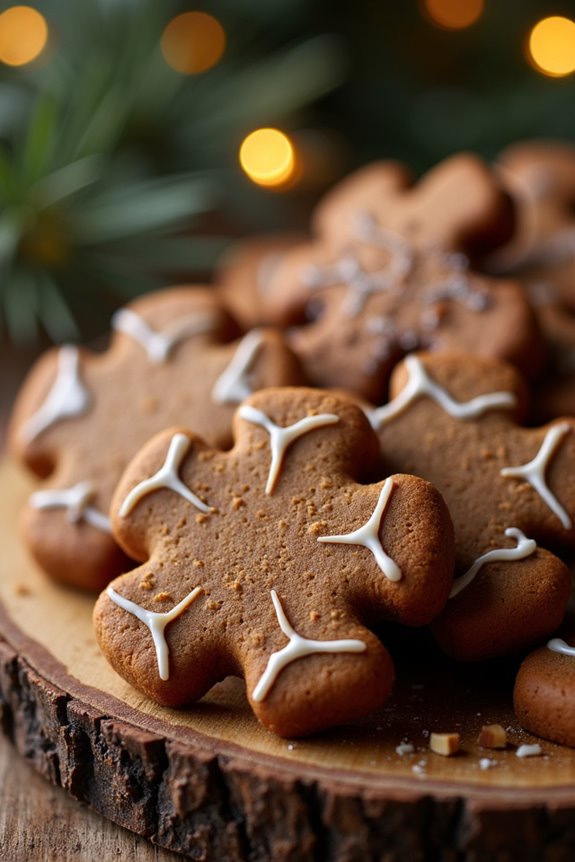
Lebkuchen, a traditional German gingerbread, is a beloved holiday treat that fills the air with the warm, spicy aromas of cinnamon, nutmeg, and cloves. Originating from the medieval town of Nuremberg, this sweet delicacy has been enjoyed for centuries, often adorned with icing or coated in chocolate. It’s a festive dessert that not only satisfies the sweet tooth but also brings a sense of nostalgia and warmth during the holiday season.
This delicious gingerbread can be made in various forms, including soft and chewy or crisp and crunchy, depending on the recipe. The key to perfect Lebkuchen lies in the balance of spices, the quality of honey used, and the resting time for the dough. Once baked, these treats can be decorated with icing, nuts, or simply enjoyed as they are, making them a versatile option for any occasion.
Ingredients (serving size: 4-6 people)
- 250g all-purpose flour
- 150g honey
- 100g brown sugar
- 1 egg
- 1 teaspoon baking powder
- 1 teaspoon ground cinnamon
- 1 teaspoon ground ginger
- 1/2 teaspoon ground cloves
- 1/2 teaspoon ground nutmeg
- 100g chopped nuts (almonds or hazelnuts)
- 100g confectioners’ sugar (for icing)
- 1-2 tablespoons water (for icing)
- Optional: chocolate for coating
Cooking Instructions
1. Prepare the Dough: In a medium saucepan, combine honey and brown sugar. Heat over low heat until the sugar dissolves and the mixture is smooth. Remove from heat and let it cool slightly.
In a large mixing bowl, combine the flour, baking powder, and spices (cinnamon, ginger, cloves, and nutmeg). Once the honey mixture is cool, add the egg and then mix it into the dry ingredients until well combined.
2. Knead and Rest the Dough: Add the chopped nuts to the dough and knead gently until everything is incorporated. Form the dough into a ball, wrap it in plastic wrap, and refrigerate for at least 2 hours or overnight.
This resting time allows the flavors to meld and improves the texture of the Lebkuchen.
3. Shape and Bake: Preheat your oven to 180°C (350°F). On a floured surface, roll out the chilled dough to about 1 cm thick. Using cookie cutters, cut out shapes and place them on a lined baking sheet.
Bake for 10-12 minutes or until the edges are golden. Remove from the oven and let cool on a wire rack.
4. Decorate: For the icing, mix the confectioners’ sugar with water until smooth. Drizzle or spread it over the cooled Lebkuchen as desired.
If using chocolate, melt it and dip the bottom of each gingerbread piece before placing them back on the wire rack to set.
5. Serve and Enjoy: Once the icing or chocolate has set, your Lebkuchen is ready to be enjoyed! These can be stored in an airtight container for several weeks, allowing the flavors to deepen.
Extra Tips
When making Lebkuchen, using high-quality honey will greatly enhance the flavor of your gingerbread. Additionally, feel free to experiment with different spices or add citrus zest for a unique twist.
For a more festive presentation, consider adding edible decorations or sprinkles to the icing. Finally, remember that the longer you let the Lebkuchen sit, the better the flavors will develop, making them a perfect make-ahead treat for holiday gatherings.
Streuselkuchen (Crumb Cake)
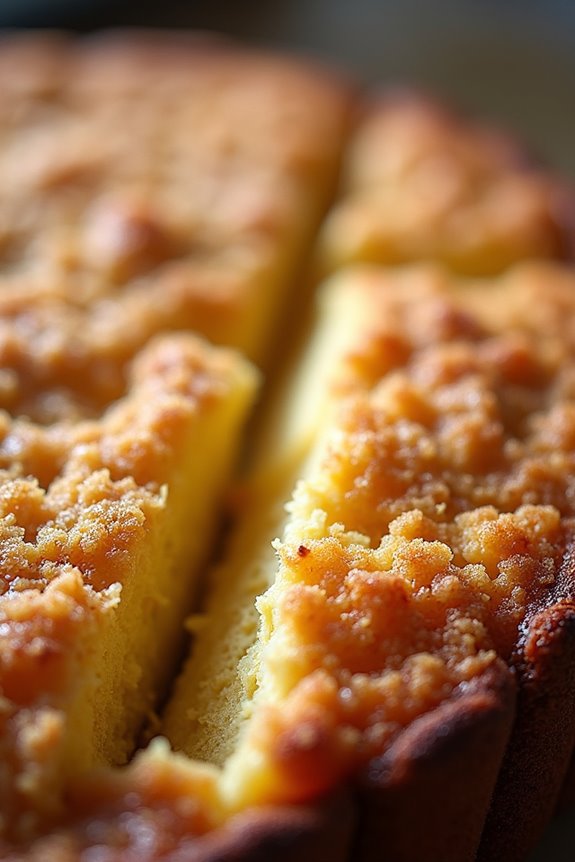
Streuselkuchen, or crumb cake, is a delightful German dessert that combines a tender cake base with a crumbly topping, creating a perfect balance of flavors and textures. This treat is often enjoyed with coffee or tea and is a staple at German bakeries and family gatherings.
The cake can be made with a variety of fruits such as apples, cherries, or plums, but the classic version is simply a buttery vanilla cake topped with sweet, crunchy crumbs.
Making Streuselkuchen isn’t only simple but also a fun activity that brings the aroma of baked goods into your home. The beauty of this dessert lies in its versatility—you can adjust the sweetness and the type of fruit used depending on your preference.
This recipe serves 4-6 people and is perfect for sharing with family and friends during a cozy afternoon or festive occasion.
Ingredients:
- 200g all-purpose flour
- 100g granulated sugar
- 1 teaspoon baking powder
- 1/2 teaspoon salt
- 100g unsalted butter, softened
- 1 large egg
- 1 teaspoon vanilla extract
- 50ml milk
- 100g butter, cold (for streusel)
- 100g all-purpose flour (for streusel)
- 75g brown sugar (for streusel)
- 1 teaspoon cinnamon (optional)
Cooking Instructions:
1. Preheat the Oven: Begin by preheating your oven to 180°C (350°F). This guarantees that your cake bakes evenly and thoroughly once it’s ready to go in.
2. Prepare the Cake Batter: In a large mixing bowl, combine 200g of all-purpose flour, 100g of granulated sugar, 1 teaspoon of baking powder, and 1/2 teaspoon of salt. Mix these dry ingredients well.
Then, add the softened 100g of unsalted butter, 1 egg, 1 teaspoon of vanilla extract, and 50ml of milk to the bowl. Beat the mixture on medium speed until it’s smooth and creamy, which will take about 2-3 minutes.
3. Pour Batter into Baking Dish: Grease a 9-inch round baking dish or a rectangular baking pan with butter or cooking spray. Pour the batter into the prepared dish, spreading it evenly to create a solid base for your crumb topping.
4. Make the Streusel Topping: In a separate bowl, prepare the streusel by combining 100g of cold butter (cut into small cubes), 100g of all-purpose flour, 75g of brown sugar, and 1 teaspoon of cinnamon (if using).
Use your hands or a pastry cutter to mix the ingredients together until you achieve a crumbly texture, resembling coarse breadcrumbs.
5. Add Streusel Topping: Sprinkle the streusel mixture evenly over the cake batter in the baking dish. Make sure to cover the entire surface to get that delicious crunch in every bite.
6. Bake the Cake: Place the baking dish in the preheated oven and bake for 30-35 minutes, or until the top is golden brown and a toothpick inserted into the center comes out clean.
Keep an eye on the cake to avoid overbaking.
7. Cool and Serve: Once baked, remove the Streuselkuchen from the oven and allow it to cool in the pan for about 10-15 minutes. After cooling, slice the cake and serve it warm or at room temperature. Enjoy it plain or with a dollop of whipped cream!
Extra Tips:
For an added burst of flavor, consider incorporating fresh fruits into your batter before adding the streusel topping. Chopped apples or sour cherries are particularly delicious and complement the crumbly texture beautifully.
Additionally, if you prefer a sweeter streusel, increase the amount of sugar in the streusel mixture. Always store leftover Streuselkuchen in an airtight container at room temperature for up to three days, or refrigerate for longer freshness.
Bienenstich (Bee Sting Cake)
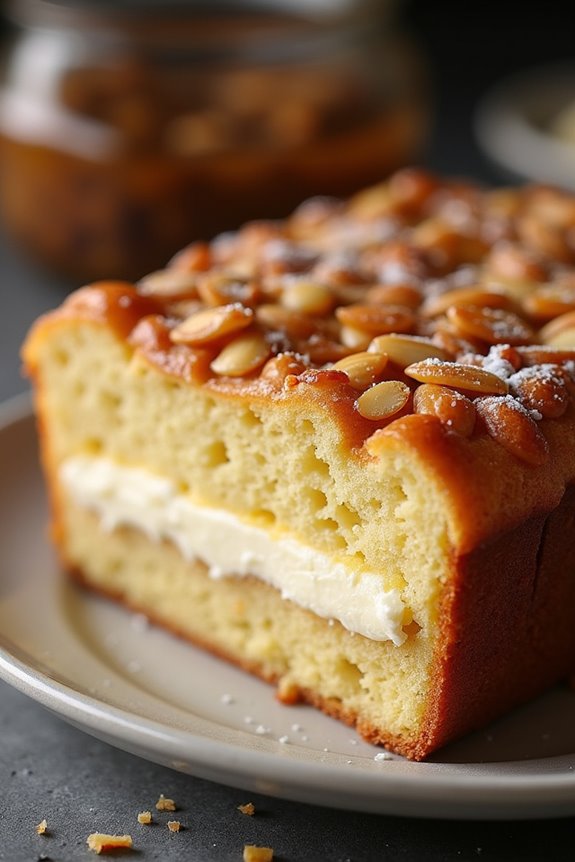
Bienenstich, or Bee Sting Cake, is a classic German dessert that combines a rich, buttery yeast dough with a luscious filling of cream and a delightful topping of caramelized almonds. This cake’s unique name is said to originate from a legend where a baker was stung by a bee while preparing the cake, thereby creating a sweet treat that’s now beloved throughout Germany and beyond.
The combination of textures—from the soft cake to the creamy filling and crunchy almond topping—makes it an irresistible dessert that’s perfect for gatherings or as a special treat. Typically served in generous slices, Bienenstich is a crowd-pleaser that can be enjoyed with coffee or tea.
It requires some patience and skill, especially when preparing the yeast dough and the almond topping, but the end result is well worth the effort. Whether you’re baking for a special occasion or simply to satisfy your sweet tooth, this cake is sure to impress your family and friends.
Ingredients (Serves 4-6)
- 2 ¼ teaspoons active dry yeast
- 1/3 cup granulated sugar
- ½ cup warm milk (110°F/43°C)
- 1 ¾ cups all-purpose flour
- ½ teaspoon salt
- 1 large egg
- 4 tablespoons unsalted butter, melted
- 1 cup heavy cream
- 3 tablespoons powdered sugar
- 1 teaspoon vanilla extract
- 1 cup sliced almonds
- 2 tablespoons butter (for almond topping)
- 2 tablespoons honey
Cooking Instructions
- Prepare the Yeast Mixture: In a small bowl, combine the warm milk, sugar, and yeast. Stir gently and let it sit for about 5-10 minutes, until the mixture becomes frothy. This activates the yeast, guaranteeing your dough will rise properly.
- Make the Dough: In a large mixing bowl, combine the flour and salt. Make a well in the center and add the frothy yeast mixture, melted butter, and egg. Mix until a sticky dough forms. If necessary, add more flour, a tablespoon at a time, until the dough is smooth and pliable.
- Knead and Rise: Turn the dough onto a floured surface and knead for about 5-7 minutes until it becomes elastic. Place the dough in a greased bowl, cover it with a damp cloth, and let it rise in a warm place for about 1 hour or until it doubles in size.
- Prepare the Almond Topping: In a medium saucepan over medium heat, melt the butter. Add the sliced almonds and honey, stirring constantly until the almonds are lightly toasted and golden brown (about 3-5 minutes). Remove from heat and set aside.
- Assemble the Cake: Preheat the oven to 350°F (175°C). Punch down the risen dough and transfer it to a greased round cake pan (9-inch). Spread the dough evenly in the pan and top it with the prepared almond mixture. Press the almonds gently into the dough.
- Bake: Bake in the preheated oven for about 25-30 minutes or until the cake is golden brown and a toothpick inserted into the center comes out clean. Let the cake cool in the pan for about 10 minutes, then transfer it to a wire rack to cool completely.
- Prepare the Cream Filling: In a mixing bowl, whip the heavy cream, powdered sugar, and vanilla extract until soft peaks form. Be careful not to over-whip, as you want the cream to remain light and fluffy.
- Slice and Fill: Once the cake is completely cooled, slice it horizontally in half. Spread the whipped cream filling evenly over the bottom half of the cake, then place the top half back on.
- Serve: Cut the cake into slices and serve. Enjoy your delicious Bienenstich!
Extra Tips
When making Bienenstich, be sure to let the yeast dough rise in a warm, draft-free area to guarantee it rises well. If your kitchen is cool, you can turn on the oven to its lowest setting for a few minutes, then turn it off and place the dough inside to rise. This will create a cozy environment for the yeast.
Additionally, using fresh almonds and high-quality cream will elevate the flavors of the cake, making it even more delightful.
Rote Grütze (Red Berry Pudding)
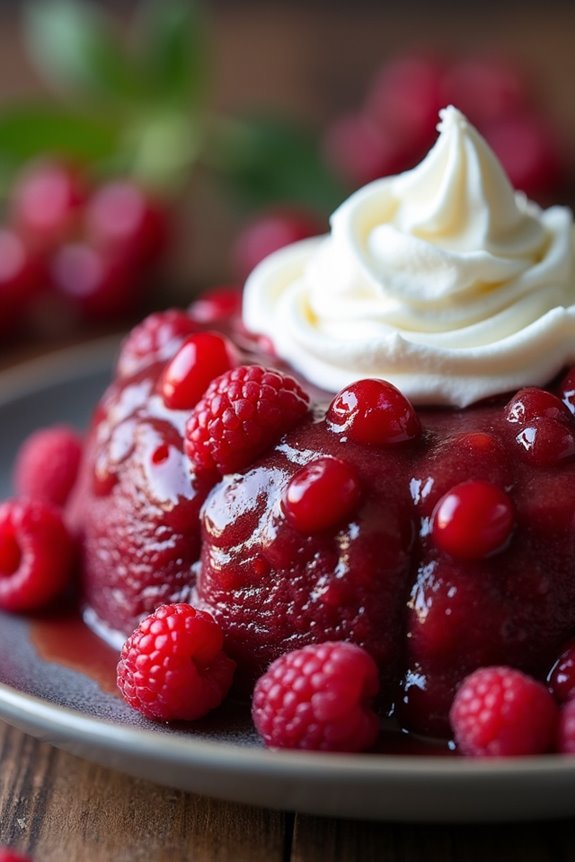
Rote Grütze is a delightful German dessert that showcases the vibrant flavors of red berries. This traditional dish hails from northern Germany and is typically enjoyed during the summer months when berries are in season. The pudding is characterized by its deep red color and fruity taste, making it a revitalizing treat after a hearty meal.
Often served with a dollop of whipped cream or vanilla sauce, Rote Grütze is sure to impress your family and friends with its simplicity and elegance.
Making Rote Grütze involves a straightforward process, perfect for both novice cooks and experienced bakers alike. The combination of berries creates a deliciously sweet and slightly tart pudding that will transport you to a sunny day in Germany. Whether you’re hosting a dinner party or simply craving a sweet indulgence, this dessert is the ideal choice to satisfy your sweet tooth.
Ingredients (serving size: 4-6 people)
- 400 g mixed red berries (such as raspberries, strawberries, red currants, and cherries)
- 100 g sugar
- 500 ml water
- 30 g cornstarch
- 1 tablespoon lemon juice
- 1 teaspoon vanilla extract
- Whipped cream or vanilla sauce (for serving)
Cooking Instructions
- Prepare the Berries: Rinse the mixed red berries gently under cold water to remove any dirt or impurities. If using strawberries, hull and slice them into smaller pieces. Combine all the berries in a medium-sized pot.
- Cook the Berries: Add 100 ml of water and the sugar to the pot with the berries. Cook over medium heat, stirring occasionally, until the sugar has dissolved and the berries start to release their juices, which usually takes about 5-7 minutes.
- Create the Cornstarch Mixture: In a small bowl, mix the cornstarch with the remaining 400 ml of water until smooth. This will help to thicken the pudding.
- Thicken the Pudding: Gradually pour the cornstarch mixture into the pot with the berries while continuously stirring. Bring the mixture to a gentle boil. Once it starts to boil, reduce the heat and let it simmer for about 2-3 minutes until it thickens. Stir frequently to prevent any lumps from forming.
- Add Flavor: Remove the pot from heat and stir in the lemon juice and vanilla extract. This will enhance the flavor of the pudding and balance the sweetness of the berries.
- Cool the Pudding: Pour the Rote Grütze into a serving dish or individual cups and let it cool to room temperature. Once cooled, transfer it to the refrigerator to chill for at least 2 hours before serving.
- Serve: When ready to serve, spoon the chilled Rote Grütze into dessert bowls and top with whipped cream or drizzle with vanilla sauce for an extra touch of indulgence.
Extra Tips
For the best flavor, use a variety of fresh berries for a balanced taste profile; frozen berries can be used in a pinch, but fresh ones yield a superior texture.
Adjust the sugar according to your taste and the natural sweetness of the berries. You can also experiment by adding a splash of red wine or fruit juice for a unique twist.
Rote Grütze can be made a day ahead, making it a convenient dessert option for gatherings!
Schwarzbrot (Dark Bread Pudding)
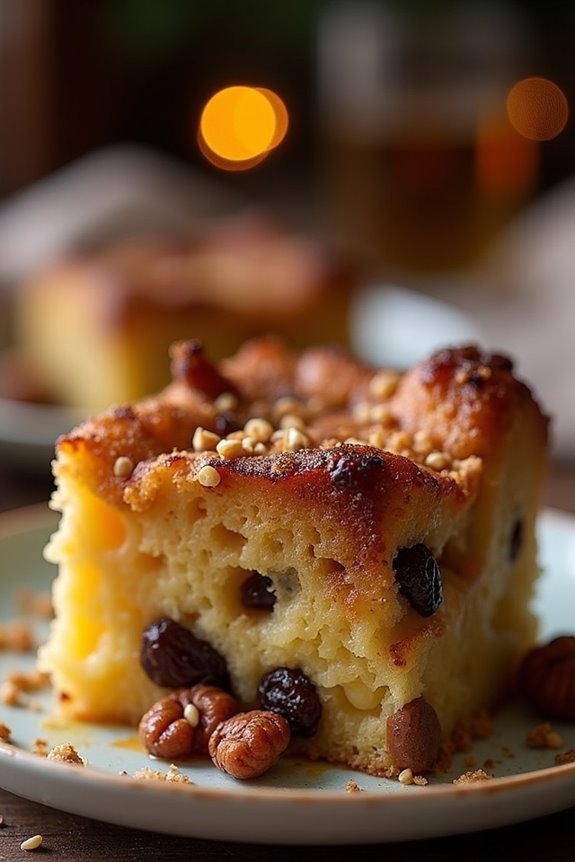
Schwarzbrot, or dark bread pudding, is a traditional German dessert that transforms stale bread into a delectable dish. This comforting dessert is typically made with dense rye or pumpernickel bread, which adds a unique flavor and texture. The pudding is rich and custardy, often enhanced with ingredients like raisins, nuts, and spices, making it a perfect way to use leftover bread while indulging in a sweet treat.
This dish isn’t only easy to prepare but also allows for a variety of adaptations based on personal taste. Some may prefer to add chocolate, while others might enjoy a hint of citrus zest. With its origins rooted in frugality, Schwarzbrot is a beloved dessert that brings warmth and nostalgia to the table, making it an ideal choice for family gatherings or cozy evenings at home.
Ingredients (Serves 4-6)
- 8 slices of dark bread (preferably rye or pumpernickel)
- 2 cups milk
- 3 large eggs
- ½ cup sugar
- 1 teaspoon vanilla extract
- 1 teaspoon ground cinnamon
- ½ cup raisins
- ½ cup chopped nuts (walnuts or almonds)
- Butter (for greasing the baking dish)
Cooking Instructions
- Preheat the Oven: Start by preheating your oven to 350°F (175°C). This guarantees that the pudding cooks evenly and becomes perfectly set once placed in the oven.
- Prepare the Bread: Cut the dark bread into small cubes, approximately 1-inch in size. If the bread is very stale, you can let it sit out for a few hours or even overnight to dry out further, which will help it absorb the custard mixture more effectively.
- Mix the Custard: In a large mixing bowl, combine the milk, eggs, sugar, vanilla extract, and ground cinnamon. Whisk these ingredients together until they’re well blended and the mixture is smooth.
- Combine Bread and Custard: Add the cubed bread to the custard mixture, making sure that all pieces are thoroughly coated. Allow the bread to soak in the mixture for about 15-20 minutes, stirring occasionally to make sure of even saturation.
- Add Raisins and Nuts: Once the bread has absorbed enough of the custard, gently fold in the raisins and chopped nuts. These additions will provide texture and flavor to the pudding.
- Prepare Baking Dish: Grease a baking dish (approximately 9×9 inches) with butter to prevent the pudding from sticking. Pour the soaked bread mixture into the prepared baking dish, spreading it out evenly.
- Bake the Pudding: Place the baking dish in the preheated oven and bake for 40-45 minutes, or until the pudding is set and the top is golden brown. You can insert a knife into the center; it should come out clean when the pudding is done.
- Cool and Serve: Once baked, remove the pudding from the oven and let it cool for a few minutes. Serve warm, optionally drizzled with a bit of cream or a scoop of vanilla ice cream for an extra touch of indulgence.
Extra Tips
When preparing Schwarzbrot, consider experimenting with different spices or flavorings such as nutmeg or even a splash of rum for added depth. You can also substitute the raisins with other dried fruits like cranberries or apricots for a twist.
For a richer flavor, you can use half-and-half instead of milk. If you’re making this dessert ahead of time, it can be stored in the refrigerator and reheated before serving, making it a convenient option for gatherings.
Punschkrapfen (Punch Doughnuts)
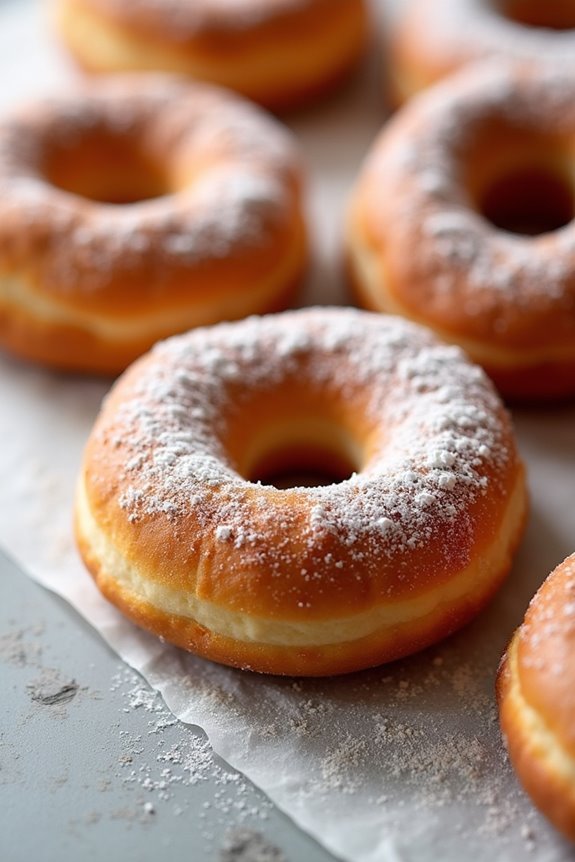
Punschkrapfen, or punch doughnuts, are delightful German treats that combine the sweetness of a yeast doughnut with a hint of punch-flavored filling, typically made from rum, fruit juice, and sometimes jam. These pastries are often enjoyed during festive occasions, especially around Christmas and New Year’s.
Their unique flavor and soft texture make them a favorite among both children and adults alike. The addition of a dusting of powdered sugar on top gives them an inviting appearance, making them perfect for sharing with friends and family.
Making Punschkrapfen at home requires a bit of patience, as the dough needs to rise, but the resulting doughnuts are worth the effort. The process involves mixing a rich yeast dough, allowing it to rise, and then filling each doughnut with a flavorful punch mixture before frying them to a perfect golden brown.
Once they cool, a dusting of powdered sugar adds the final touch to these festive treats.
Ingredients (Serves 4-6)
- 500g all-purpose flour
- 50g granulated sugar
- 1 packet (7g) dry yeast
- 250ml milk, warmed
- 2 large eggs
- 80g unsalted butter, melted
- 1 pinch of salt
- 100ml dark rum
- 100ml fruit juice (orange or cherry)
- 100g fruit jam (raspberry or apricot)
- Powdered sugar for dusting
- Oil for frying
Cooking Instructions
1. Prepare the Dough: In a large mixing bowl, combine the warm milk, sugar, and dry yeast. Allow it to sit for about 5-10 minutes until it becomes frothy.
In another bowl, whisk together the flour and salt. Create a well in the center of the flour mixture, then add the frothy yeast mixture, melted butter, and eggs. Mix until a dough forms.
2. Knead the Dough: Transfer the dough onto a lightly floured surface and knead for about 10 minutes until it becomes smooth and elastic. If the dough is too sticky, add a little more flour as needed.
3. First Rise: Place the kneaded dough in a lightly greased bowl, cover it with a clean kitchen towel, and let it rise in a warm place for about 1 hour, or until it has doubled in size.
4. Prepare the Filling: While the dough is rising, mix the dark rum, fruit juice, and fruit jam in a small bowl. Stir until well combined and set aside.
5. Shape the Doughnuts: Once the dough has risen, punch it down to release the air. Roll it out on a floured surface to about 1.5 cm thick.
Using a round cookie cutter, cut out circles from the dough. Place a small spoonful of the punch filling in the center of half the circles, then top each with another circle of dough. Pinch the edges to seal them tightly.
6. Second Rise: Place the filled doughnuts on a floured baking sheet and cover them with a towel. Let them rise again for about 30 minutes.
7. Fry the Doughnuts: Heat oil in a deep frying pan over medium heat. Carefully add a few doughnuts at a time and fry them for about 2-3 minutes on each side, or until they’re golden brown.
Remove them with a slotted spoon and drain on paper towels.
8. Finish with Powdered Sugar: Once the doughnuts have cooled slightly, dust them generously with powdered sugar before serving.
Extra Tips
When making Punschkrapfen, verify that your oil temperature is just right for frying; too hot can cause them to brown too quickly without cooking through, while too cool can result in greasy doughnuts.
You can also experiment with different fillings, such as flavored syrups or fruit liqueurs, to customize the punch flavor. For a festive touch, consider adding a splash of vanilla extract to the dough or the filling.
Enjoy your Punschkrapfen fresh for the best texture and flavor!
Berliner (Jelly Doughnuts)
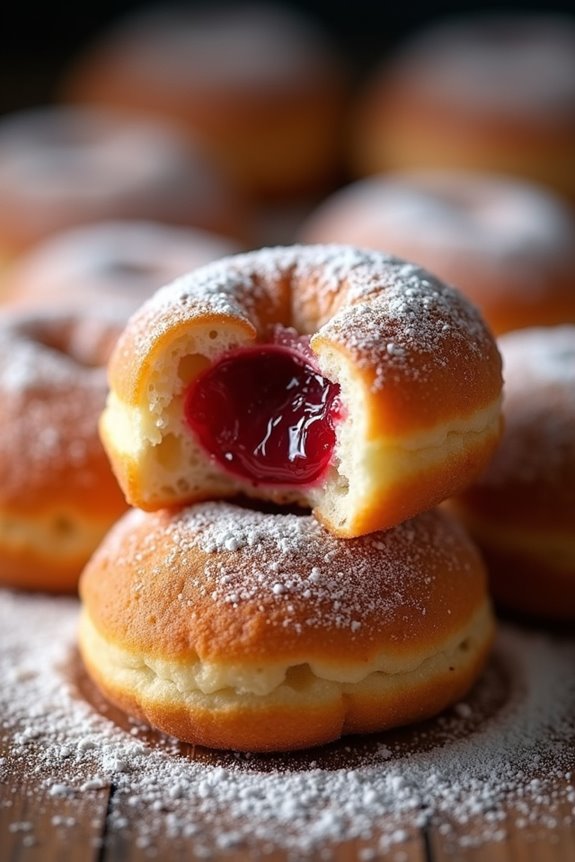
Berliner, also known as German jelly doughnuts, are a delightful treat that’s enjoyed across Germany, particularly during festive seasons. These fluffy, pillowy doughnuts are typically filled with a sweet fruit jam or jelly, most commonly raspberry or apricot, and dusted with powdered sugar.
Their rich flavor and soft texture make them a favorite dessert for both children and adults alike. Making Berliner at home may seem intimidating, but with the right ingredients and a little patience, you can create these delicious treats in your own kitchen.
The dough is made from a simple yeast-based dough that requires time to rise, resulting in a light and airy interior. The process involves mixing the ingredients, allowing the dough to proof, shaping the doughnuts, and then frying them to golden perfection.
Once cooled, they’re filled with your choice of jelly and finished with a sprinkle of powdered sugar. Whether you enjoy them for breakfast, as a snack, or as a dessert, homemade Berliner are sure to impress family and friends.
Ingredients (serving size: 4-6 people)
- 4 cups all-purpose flour
- 1/2 cup granulated sugar
- 1 packet (2 1/4 tsp) active dry yeast
- 1/2 teaspoon salt
- 1/2 cup whole milk, warmed
- 1/4 cup unsalted butter, melted
- 2 large eggs
- 1 teaspoon vanilla extract
- 1 cup fruit jam or jelly (raspberry or apricot)
- Vegetable oil (for frying)
- Powdered sugar (for dusting)
Cooking Instructions
1. Prepare the Dough: In a small bowl, dissolve the active dry yeast in the warm milk. Let it sit for about 5-10 minutes or until it becomes frothy.
In a large mixing bowl, combine the flour, sugar, and salt. Make a well in the center and add the yeast mixture, melted butter, eggs, and vanilla extract. Mix together until a dough begins to form.
2. Knead the Dough: Transfer the dough onto a lightly floured surface and knead it for about 8-10 minutes until it becomes smooth and elastic. If the dough is too sticky, add a little more flour as needed.
3. First Rise: Place the kneaded dough in a lightly greased bowl, cover it with a clean kitchen towel, and let it rise in a warm area for about 1-2 hours or until it has doubled in size.
4. Shape the Berliner: Once the dough has risen, punch it down to release air. Roll it out to about 1/2 inch thickness. Using a round cutter (about 3 inches in diameter), cut out circles from the dough.
Place them on a floured baking sheet, cover with the towel, and let them rise for another 30-45 minutes.
5. Heat the Oil: In a deep pan or fryer, heat vegetable oil to 350°F (175°C). Make sure there’s enough oil to submerge the doughnuts.
6. Fry the Berliner: Carefully place a few dough rounds into the hot oil, being cautious not to overcrowd the pan. Fry them for about 2-3 minutes on each side or until golden brown.
Use a slotted spoon to remove them and place them on paper towels to drain excess oil.
7. Fill the Berliner: Once the doughnuts are cooled, use a piping bag fitted with a small nozzle to inject your choice of jam or jelly into each Berliner. Dust them generously with powdered sugar before serving.
Extra Tips
When making Berliner, confirm that your oil temperature is just right—too hot will burn the outside while leaving the inside raw, and too cool will result in greasy doughnuts.
To check the temperature, you can drop a small piece of dough into the oil; if it sizzles and rises to the surface, the oil is ready. Additionally, be creative with fillings! While the classic jelly is delicious, you can experiment with custard, Nutella, or even whipped cream for a unique twist.
Enjoy your homemade Berliner fresh for the best taste!
Käsekuchen Mit Streuseln (Cheesecake With Crumble)
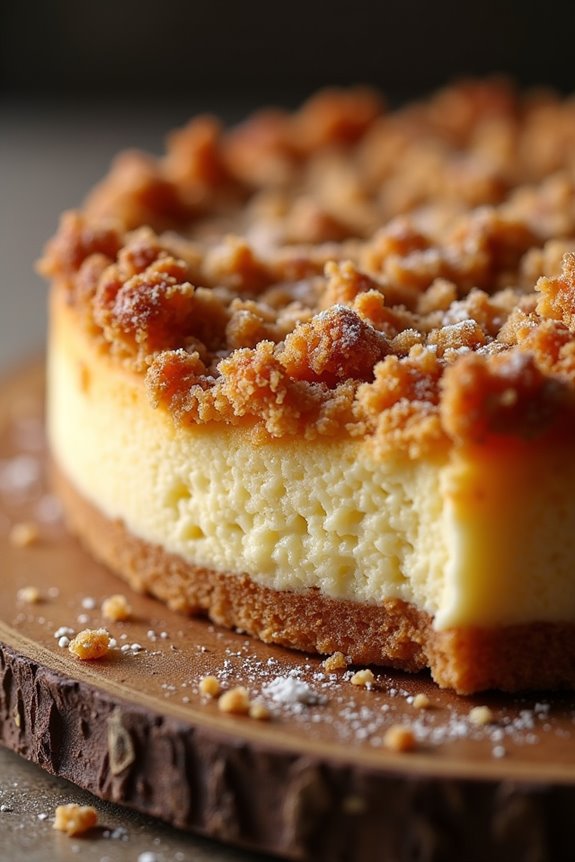
Käsekuchen mit Streuseln, or Cheesecake with Crumble, is a beloved German dessert that combines the rich, creamy texture of cheesecake with a delightful crumbly topping. This delectable treat is perfect for special occasions or simply as a sweet indulgence for family and friends. The contrast between the smooth cheesecake filling and the crunchy streusel makes this dessert truly irresistible.
The base of the cheesecake is made from a blend of cream cheese, sugar, and eggs, creating a luscious filling that’s both tangy and sweet. Topped with a generous layer of buttery streusel, this cheesecake is baked to perfection, resulting in a comforting dessert that will have everyone coming back for seconds.
Whether served plain or with a dollop of whipped cream, Käsekuchen mit Streuseln is sure to become a favorite in your dessert repertoire.
Ingredients (Serves 4-6):
- 200 g digestive biscuits
- 100 g unsalted butter, melted
- 500 g cream cheese
- 150 g sugar
- 3 large eggs
- 1 tsp vanilla extract
- 200 g sour cream
- 150 g all-purpose flour
- 100 g brown sugar
- 75 g rolled oats
- 1 tsp cinnamon
- A pinch of salt
Instructions:
- Prepare the Base: Begin by preheating your oven to 175°C (350°F). In a mixing bowl, crush the digestive biscuits into fine crumbs. Combine the biscuit crumbs with the melted butter until well mixed, and then press this mixture firmly into the base of a 9-inch springform pan to create an even layer. Bake in the preheated oven for about 10 minutes, then remove and set aside to cool.
- Make the Cheesecake Filling: In a large mixing bowl, beat the cream cheese until smooth. Gradually add the sugar and continue mixing until well combined. Add the eggs one at a time, mixing well after each addition. Stir in the vanilla extract and sour cream until the mixture is creamy and uniform.
- Combine Ingredients: Pour the cheesecake filling over the cooled biscuit base in the springform pan. Use a spatula to spread it evenly.
- Prepare the Streusel Topping: In a separate bowl, combine the flour, brown sugar, rolled oats, cinnamon, and a pinch of salt. Add in the cold butter (cut into small pieces) and mix with your fingers or a pastry cutter until the mixture resembles coarse crumbs.
- Add the Streusel: Sprinkle the streusel topping evenly over the cheesecake filling, ensuring that it covers the entire surface.
- Bake the Cheesecake: Bake the cheesecake in the oven for approximately 45-50 minutes, or until the filling is set and the edges are slightly golden. The center may still be slightly jiggly, but it will firm up as it cools.
- Cool and Serve: Once baked, turn off the oven and leave the cheesecake inside for an additional hour to cool gradually. Afterward, remove it from the oven and let it cool completely at room temperature before refrigerating for at least 4 hours or overnight. Once chilled, carefully remove the springform pan and slice the cheesecake to serve.
Extra Tips:
When making Käsekuchen mit Streuseln, be sure to use room temperature cream cheese for a smoother filling. If you prefer a less sweet dessert, you can adjust the sugar in both the filling and the streusel to suit your taste.
Additionally, consider adding a hint of lemon zest to the cheesecake mixture for a revitalizing twist. For a stunning presentation, serve with fresh berries or a berry compote on the side. Enjoy!
Zimtsterne (Cinnamon Stars)

Zimtsterne, or Cinnamon Stars, are a traditional German Christmas cookie that delight both the eyes and the palate. With their unique star shape and a delicious icing on top, these cookies aren’t only festive but also easy to make. The rich flavor of ground almonds combined with the warm spice of cinnamon makes them a favorite during the holiday season.
Whether you’re hosting a holiday gathering or simply indulging in a sweet treat, Zimtsterne are sure to impress. These cookies are naturally gluten-free and are made primarily from ground nuts, making them a wonderful option for those with dietary restrictions.
The preparation involves making a dough that’s rolled out and cut into star shapes before being baked to perfection. Once cooled, they’re topped with a simple icing that adds a delightful sweetness, balancing the spiced flavor of the cookies. With their charming appearance and delicious taste, Zimtsterne are a must-try for anyone looking to explore German desserts.
Ingredients (Serves 4-6 people)
- 200g ground almonds
- 200g powdered sugar
- 2 teaspoons ground cinnamon
- 2 large egg whites
- 1 tablespoon lemon juice
- A pinch of salt
- Extra powdered sugar for icing
Cooking Instructions
- Prepare the Oven and Baking Sheets: Preheat your oven to 150°C (300°F). Line a baking sheet with parchment paper to prevent the cookies from sticking during baking. This will guarantee that your cookies come out easily and maintain their shape.
- Mix the Dry Ingredients: In a large mixing bowl, combine the ground almonds, powdered sugar, and ground cinnamon. Stir these dry ingredients together until they’re well mixed, making certain that there are no lumps, as this will affect the texture of your cookies.
- Whip the Egg Whites: In a separate bowl, beat the egg whites and a pinch of salt until they form stiff peaks. This means that when you lift the beaters out of the mixture, the peaks will stand upright without collapsing. This step is vital for the light and airy texture of the cookies.
- Combine Ingredients: Gently fold the whipped egg whites into the almond mixture, adding the lemon juice as you do so. Take care not to deflate the egg whites too much; you want to maintain the volume for a light cookie.
- Roll Out the Dough: On a clean, lightly powdered surface, roll out the dough to about 1 cm (0.4 inches) thick. Use a star-shaped cookie cutter to cut out the cookies, placing them onto the prepared baking sheet as you go.
- Bake the Cookies: Bake the cookies in the preheated oven for about 15-20 minutes, or until they’re firm to the touch. Keep an eye on them to prevent over-baking, as they should remain pale in color.
- Prepare the Icing: While the cookies are baking, you can prepare the icing. In a small bowl, mix some powdered sugar with a bit of water until you achieve a thick, spreadable consistency.
- Ice the Cookies: Once the cookies are cool, spread a thin layer of icing on each cookie. Allow the icing to set before storing the cookies in an airtight container.
Extra Tips
When making Zimtsterne, it’s important to verify that your egg whites are at room temperature for better volume when whipped. You can also experiment with different shapes or sizes using cookie cutters to give your cookies a unique flair.
For an extra touch, sprinkle some chopped nuts or edible glitter on top of the icing before it sets. These cookies can be stored in an airtight container for several weeks, making them perfect for preparing in advance for holiday celebrations.
Butterkekse (Butter Cookies)
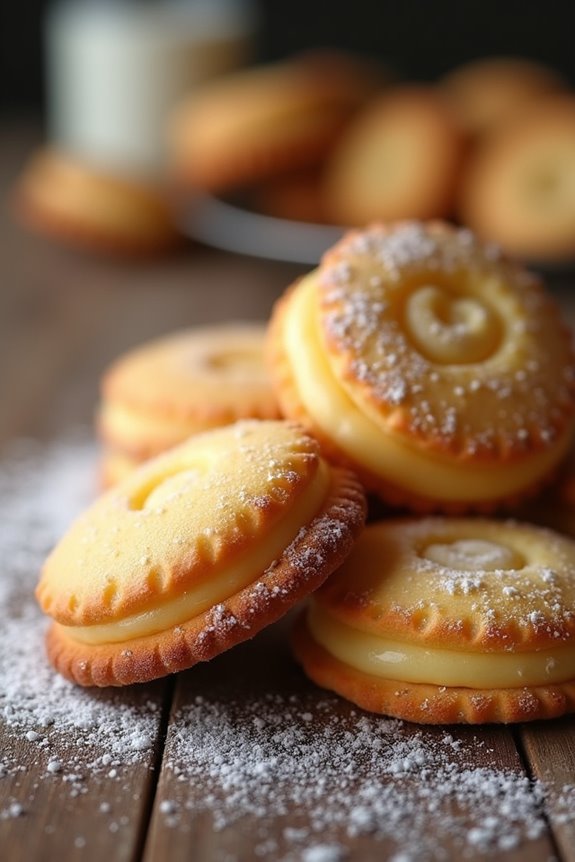
Butterkekse, or German butter cookies, are a classic treat that embodies the simplicity and warmth of homemade desserts. These rich, buttery cookies are perfect for pairing with a cup of coffee or tea and can be enjoyed any time of the year.
With their crisp edges and tender interior, they’re a favorite for gatherings, holidays, or just a delightful snack at home. The beauty of Butterkekse lies in their versatility; they can be enjoyed plain or adorned with chocolate, icing, or even sprinkles for a festive touch.
Making Butterkekse is an easy and rewarding process. The ingredients are simple and commonly found in most kitchens, making it an accessible recipe for bakers of all skill levels.
With just a few steps, you’ll have a batch of scrumptious cookies that are bound to impress family and friends. So, roll up your sleeves and let’s get baking!
Ingredients (Serves 4-6 people)
- 250g unsalted butter, softened
- 125g granulated sugar
- 1 egg
- 1 teaspoon vanilla extract
- 400g all-purpose flour
- 1 teaspoon baking powder
- A pinch of salt
Cooking Instructions
1. Preheat the oven: Begin by preheating your oven to 350°F (180°C). This step is vital as it guarantees that your cookies bake evenly and achieve the perfect texture.
2. Cream the butter and sugar: In a large mixing bowl, add the softened butter and granulated sugar. Using an electric mixer or a wooden spoon, cream them together until the mixture is light and fluffy, which usually takes about 3-5 minutes.
This process incorporates air into the dough, leading to a lighter cookie.
3. Add the egg and vanilla: Crack the egg into the bowl, and add the vanilla extract. Mix until fully combined. The egg adds moisture and richness, while the vanilla enhances the flavor of the cookies.
4. Combine dry ingredients: In a separate bowl, sift together the all-purpose flour, baking powder, and salt. Sifting helps to aerate the flour and remove any lumps, guaranteeing a smoother dough.
5. Mix wet and dry ingredients: Gradually add the dry mixture into the butter mixture, mixing on low speed or with a spatula until just combined. Be careful not to overmix, as this can lead to tough cookies.
6. Shape the cookies: Once the dough is formed, use a tablespoon or cookie scoop to portion out the dough onto a baking sheet lined with parchment paper, spacing them about 2 inches apart.
You can also roll the dough into balls and flatten them slightly with your fingers for a more uniform shape.
7. Bake the cookies: Place the baking sheet in the preheated oven and bake for about 12-15 minutes, or until the edges are lightly golden. Keep an eye on them as baking times may vary depending on your oven.
8. Cool the cookies: Once baked, remove the cookies from the oven and let them cool on the baking sheet for a few minutes before transferring them to a wire rack to cool completely.
This helps them firm up and makes them easier to handle.
Extra Tips
For added flavor, consider incorporating lemon or orange zest into the dough for a citrusy twist. You can also dip half of each cookie in melted chocolate for a decadent finish.
Storing the cookies in an airtight container will keep them fresh for several days. If you want to make them festive, sprinkle colored sugar or add sprinkles before baking. Enjoy your homemade Butterkekse!
Nusstorte (Nut Cake)
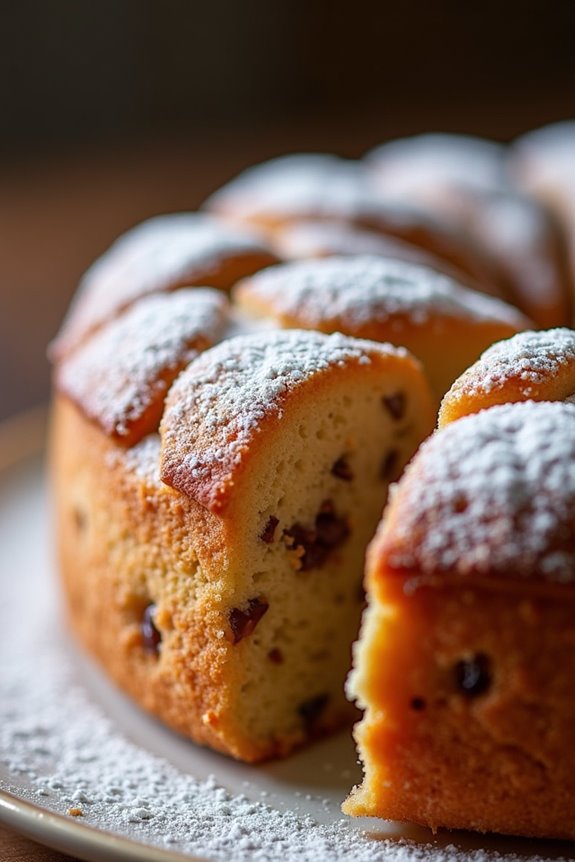
Nusstorte, or Nut Cake, is a traditional German dessert known for its rich flavors and nutty texture. This delightful cake is typically made with a combination of finely chopped nuts, sugar, and a hint of vanilla, making it a perfect treat for nut lovers. The cake’s origins can be traced back to the mountainous regions of Switzerland and Germany, where nuts are abundant and often used in local baking.
With a delightful blend of textures and flavors, Nusstorte isn’t only a delicious dessert but also a wonderful way to celebrate special occasions or enjoy a cozy afternoon tea.
The beauty of Nusstorte lies in its simplicity and ease of preparation. Despite its elegant appearance, it requires minimal ingredients and can be whipped up quickly, making it an ideal choice for both novice and experienced bakers. The cake is typically served with a dusting of powdered sugar or a drizzle of chocolate, enhancing its visual appeal and taste.
Whether enjoyed on its own or paired with a dollop of whipped cream, Nusstorte is sure to impress your family and friends.
Ingredients (Serves 4-6)
- 200g (about 7 oz) mixed nuts (such as hazelnuts, walnuts, and almonds), finely chopped
- 150g (about 5.3 oz) granulated sugar
- 4 large eggs
- 1 teaspoon vanilla extract
- 100g (about 3.5 oz) all-purpose flour
- 1 teaspoon baking powder
- Pinch of salt
- Powdered sugar, for dusting (optional)
Cooking Instructions
- Preheat the Oven: Start by preheating your oven to 180°C (350°F). This guarantees that your cake bakes evenly and rises properly.
- Prepare the Baking Pan: Grease and line a round 9-inch (23 cm) cake pan with parchment paper. This will help prevent the cake from sticking and make it easier to remove once baked.
- Mix the Nut and Sugar Mixture: In a large mixing bowl, combine the finely chopped nuts and granulated sugar. Use a spatula to mix them well, making certain that the sugar is evenly distributed throughout the nuts.
- Whisk the Eggs: In a separate bowl, crack the eggs and add the vanilla extract. Using a whisk or electric mixer, beat the eggs until they’re light and frothy. This step is vital for incorporating air into the batter, which helps the cake rise.
- Combine Ingredients: Gradually add the nut and sugar mixture to the beaten eggs, stirring gently to combine. Be careful not to overmix; you want to maintain the airy texture of the eggs.
- Add Dry Ingredients: Sift together the all-purpose flour, baking powder, and salt into the mixture. Gently fold the dry ingredients into the wet mixture until just combined. Again, be cautious not to overmix.
- Pour into Pan: Pour the cake batter into the prepared cake pan, using a spatula to smooth the top. This guarantees an even surface for baking.
- Bake the Cake: Place the cake in the preheated oven and bake for about 30-35 minutes, or until a toothpick inserted into the center comes out clean. Keep an eye on the cake to prevent overbaking.
- Cool the Cake: Once baked, remove the cake from the oven and let it cool in the pan for about 10 minutes. Then, carefully transfer it to a wire rack to cool completely.
- Serve: Once cooled, dust the top of the Nusstorte with powdered sugar if desired. Slice and enjoy your delicious nut cake with coffee or tea!
Extra Tips
When making Nusstorte, feel free to experiment with different types of nuts based on your preference or what you have on hand. Additionally, you can enhance the flavor by adding a splash of almond extract or a pinch of cinnamon to the batter.
If you want a richer cake, consider incorporating chocolate chips or a layer of ganache on top. Always verify your nuts are fresh, as stale nuts can affect the overall flavor of the cake. Enjoy your baking!
