


When I think about the rich tapestry of Portuguese cuisine, my mind immediately drifts to the sizzling, succulent world of pork dishes. From the tender, golden skin of Leitão to the harmonious blend of flavors in Porco À Alentejana, each recipe has a story to tell. These dishes turn any gathering into a feast, ensuring that every bite is a celebration. But what makes these recipes truly unforgettable? Let’s explore the secrets behind that crackling perfection.
Leitão (Suckling Pig)

Leitão, or suckling pig, is a classic dish in Portuguese cuisine that embodies the rich flavors and traditions of the country’s culinary heritage. This dish is often served during celebrations and special occasions, showcasing the tenderness of the meat and the crispy perfection of the skin. The preparation requires some time and patience, but the end result is a succulent and flavorful dish that’s sure to impress your guests.
Cooking Leitão involves marinating the pig with a combination of aromatic spices and herbs, which infuse the meat with flavor while it roasts to golden perfection. The key to a successful Leitão is guaranteeing that the skin achieves a crispy texture while retaining the juicy meat beneath. Whether you’re hosting a festive gathering or wanting to treat yourself to a culinary adventure, this suckling pig recipe is a delightful choice.
Ingredients (Serves 4-6):
- 1 whole suckling pig (approximately 10-12 pounds)
- 4 cloves garlic, minced
- 1 tablespoon sea salt
- 1 tablespoon black pepper
- 1 tablespoon paprika
- 1 tablespoon dried oregano
- 1 tablespoon thyme
- 1 cup white wine
- 1/4 cup olive oil
- 1 lemon, juiced
- Fresh rosemary for garnish (optional)
Cooking Instructions:
- Prepare the Pig: Start by thoroughly cleaning the suckling pig. Rinse it under cold water and pat dry with paper towels. Trim any excess fat and verify the cavity is clean. This step is vital for achieving the best flavor and texture.
- Make the Marinade: In a mixing bowl, combine minced garlic, sea salt, black pepper, paprika, oregano, thyme, white wine, olive oil, and lemon juice. Mix well until you have a smooth marinade.
- Marinate the Pig: Rub the marinade all over the pig, making sure that it gets into the cavity as well. For ideal flavor, let it marinate in the refrigerator for at least 4 hours, preferably overnight.
- Preheat the Oven: Preheat your oven to 350°F (175°C). This temperature is perfect for slow-roasting the pig, guaranteeing the meat becomes tender while allowing the skin to crisp up.
- Roast the Pig: Place the marinated suckling pig on a roasting rack in a large roasting pan. Roast in the preheated oven for about 2 to 3 hours, basting it occasionally with its juices. If the skin begins to darken too quickly, cover it loosely with aluminum foil.
- Crisp the Skin: For the last 30 minutes of cooking, increase the oven temperature to 400°F (200°C) to achieve a crispy skin. Keep an eye on it to prevent burning.
- Check for Doneness: The pig is ready when the internal temperature reaches 160°F (70°C) and the skin has turned a deep golden brown. Use a meat thermometer to verify accuracy.
- Rest and Serve: Once done, remove the pig from the oven and let it rest for about 15-20 minutes before carving. This resting period allows the juices to redistribute, making the meat even more succulent.
- Garnish: If desired, garnish with fresh rosemary before serving. Present the sliced pig on a large platter for a stunning visual effect.
Extra Tips:
When preparing Leitão, it’s important to use a high-quality suckling pig for the best results. If you can, source your pig from a local butcher or farm where the animals are raised humanely.
Additionally, consider serving the dish with traditional sides such as roasted potatoes or a fresh salad to complement the rich flavors of the pork. Make sure to take your time during the marination process; the longer it sits, the more flavorful the meat will be.
Porco À Alentejana (Alentejo-Style Pork)
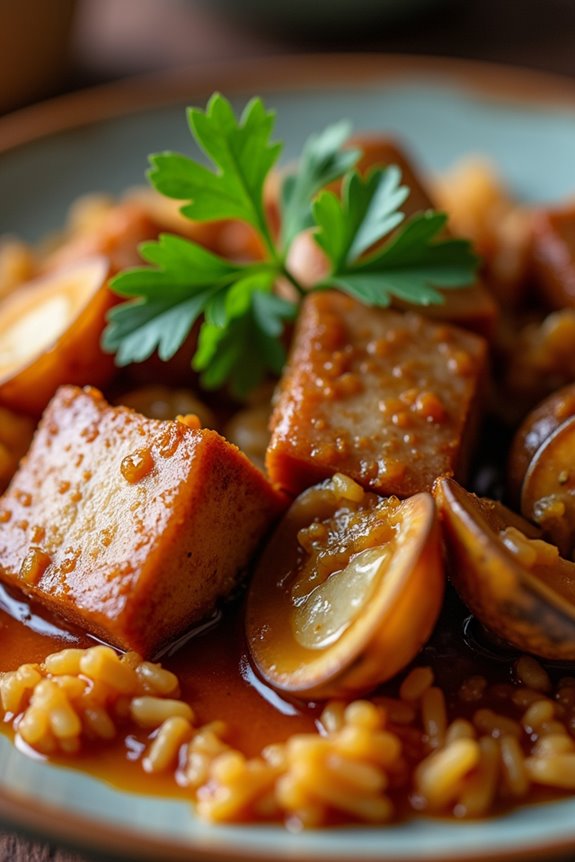
Porco à Alentejana is a traditional Portuguese dish that beautifully combines tender pork with clams, creating a symphony of flavors that reflect the rich culinary heritage of the Alentejo region. This dish is known for its unique pairing of land and sea, showcasing the versatility of Portuguese cooking. The pork is marinated in garlic, bay leaves, and white wine, which not only enhances its flavor but also tenderizes the meat. The addition of clams brings a delightful brininess that complements the savory pork, making it a memorable meal for family and friends.
To serve Porco à Alentejana, it’s customary to pair it with fried potatoes or a simple rice dish, which helps to soak up the delicious sauce. This recipe is perfect for gatherings or special occasions, as it combines hearty ingredients with an elegant presentation. Once prepared, the dish is sure to impress your guests, transporting them to the sun-kissed plains of Alentejo with every bite.
Ingredients (Serves 4-6):
- 1 kg pork shoulder, cut into 2-inch cubes
- 500 g small clams, cleaned
- 4 cloves garlic, minced
- 1 large onion, chopped
- 2 bay leaves
- 200 ml white wine
- 50 ml olive oil
- 1 tsp paprika
- Salt and pepper to taste
- Fresh parsley, chopped (for garnish)
- Fried potatoes or rice (for serving)
Cooking Instructions:
- Marinate the Pork: In a large bowl, combine the pork cubes with minced garlic, bay leaves, white wine, paprika, salt, and pepper. Mix well to guarantee the pork is evenly coated. Cover the bowl with plastic wrap and let it marinate in the refrigerator for at least 2 hours, preferably overnight. This step is vital for infusing the meat with flavor.
- Sauté the Onions: In a large skillet or Dutch oven, heat the olive oil over medium heat. Add the chopped onion and sauté until it becomes translucent and soft, about 5-7 minutes. This will build a flavorful base for your dish.
- Brown the Pork: Remove the marinated pork from the refrigerator and add it to the skillet with the sautéed onions. Cook the pork on medium-high heat until it’s browned on all sides, about 8-10 minutes. This step helps to lock in the juices and adds a nice caramelization to the meat.
- Add Clams and Simmer: Once the pork is browned, add the cleaned clams to the skillet. Stir gently to combine, then cover the skillet with a lid. Reduce the heat to low and let it simmer for about 15-20 minutes, or until the clams open up and the pork is tender. Make sure to discard any clams that don’t open.
- Adjust Seasoning and Serve: Taste the sauce and adjust the seasoning with more salt and pepper if needed. Once everything is cooked through, remove from heat and let it sit for a few minutes. Serve the Porco à Alentejana hot, garnished with fresh parsley, alongside fried potatoes or rice to soak up the delicious sauce.
Extra Tips:
When preparing Porco à Alentejana, selecting the right cut of pork is essential for achieving the best texture and flavor. Pork shoulder is recommended for its richness and tenderness when slow-cooked.
Additionally, verify that the clams are fresh and properly cleaned to avoid any grit in your dish. For added depth of flavor, you can include a splash of lemon juice before serving. Enjoy the dish with a nice Portuguese white wine, which complements the flavors beautifully.
Carne De Porco À Alentejana (Pork With Clams)

Carne De Porco À Alentejana is a traditional Portuguese dish that beautifully combines the rich flavors of pork with the subtle brininess of clams. Originating from the Alentejo region, this dish showcases the culinary heritage of Portugal, melding the earthiness of meat with the freshness of seafood. The balance of flavors makes it an excellent choice for gatherings, where it can be served as a centerpiece that delights guests and family alike.
This dish isn’t only a feast for the taste buds but also a visual delight, showcasing tender pork pieces surrounded by succulent clams, all enhanced by a savory broth. The preparation includes marinating the pork to infuse it with flavor, then slowly cooking it to guarantee tenderness. The addition of clams towards the end of cooking guarantees they remain juicy and perfectly cooked, creating a harmonious blend that’s characteristic of Portuguese cuisine.
Ingredients (serving size: 4-6 people)
- 1 kg (2.2 lbs) pork shoulder, cut into cubes
- 500 g (1.1 lbs) small clams, cleaned
- 4 cloves garlic, minced
- 1 large onion, chopped
- 2 bay leaves
- 1 teaspoon paprika
- 1 cup white wine
- 1 cup chicken broth
- 2 tablespoons olive oil
- Salt and pepper to taste
- Fresh cilantro, chopped (for garnish)
- 1 lemon, cut into wedges (for serving)
Cooking Instructions
- Marinate the Pork: In a large bowl, combine the pork cubes with minced garlic, paprika, bay leaves, salt, and pepper. Mix well to guarantee the pork is evenly coated. Cover the bowl with plastic wrap and let it marinate in the refrigerator for at least 2 hours, or preferably overnight. This step helps to infuse the meat with flavor.
- Sauté the Onion: In a large pot or Dutch oven, heat the olive oil over medium heat. Add the chopped onion and sauté until it becomes translucent, about 5 minutes. This will add depth to the dish and form the base of the sauce.
- Brown the Pork: Remove the pork from the marinade, shaking off any excess. Increase the heat to medium-high, and add the pork to the pot. Brown the pork on all sides for about 7-10 minutes. This step develops a rich flavor through the Maillard reaction, which enhances the overall taste of the dish.
- Deglaze with Wine: Once the pork is browned, pour in the white wine and use a wooden spoon to scrape the bottom of the pot, releasing any browned bits. Bring the mixture to a simmer and let it cook for about 5 minutes, allowing the alcohol to evaporate and the flavors to meld.
- Add the Broth and Simmer: Pour in the chicken broth and stir well. Bring the mixture to a gentle simmer, cover the pot, and reduce the heat to low. Allow it to simmer for 45 minutes to 1 hour, or until the pork is tender. Stir occasionally to guarantee even cooking.
- Cook the Clams: After the pork has become tender, add the cleaned clams to the pot. Cover and cook for an additional 10-15 minutes, or until the clams have opened up. Discard any clams that don’t open. This step guarantees the clams are cooked just right, absorbing the flavors of the broth.
- Serve: Once everything is cooked, remove from heat. Taste and adjust seasoning if necessary. Serve hot, garnished with fresh cilantro and lemon wedges on the side for squeezing over the top.
Extra Tips
When cooking Carne De Porco À Alentejana, consider using a variety of clams for added flavor complexity. If you can’t find fresh clams, canned clams can be used, but they should be added towards the end of cooking to prevent overcooking.
Additionally, serving the dish with crusty bread or over rice can help soak up the delicious broth, making for a heartier meal. Enjoy this dish with a glass of white wine for the best pairing!
Bifanas (Pork Sandwiches)

Bifanas are a traditional Portuguese dish that consists of marinated pork cutlets served in crusty bread, often enjoyed as a popular street food. Known for their juicy, flavorful meat and a delightful blend of spices, these sandwiches are simple to prepare and perfect for a casual meal or a gathering with friends. The pork is typically marinated in a mixture of garlic, white wine, and spices, allowing the flavors to meld beautifully before being cooked to tender perfection.
To make authentic bifanas, the key lies in the marination process. The pork cutlets are usually sliced from pork loin or shoulder, providing a tender and juicy bite. Once cooked, the cutlets are placed in crusty rolls and garnished with mustard or piri-piri sauce for an added kick. Enjoy these mouthwatering sandwiches with a side of fries or a simple salad for a satisfying meal.
Ingredients (serving size: 4-6 people)
- 1.5 pounds pork loin or shoulder, thinly sliced
- 4 cloves garlic, minced
- 1 cup white wine
- 2 teaspoons paprika
- 1 teaspoon salt
- 1 teaspoon black pepper
- 1 teaspoon cumin
- 1 tablespoon olive oil
- 6 crusty rolls or sandwich buns
- Mustard or piri-piri sauce (optional, for serving)
Cooking Instructions
- Prepare the Marinade: In a large bowl, combine minced garlic, white wine, paprika, salt, black pepper, and cumin. Stir well to create a marinade that will flavor the pork.
- Marinate the Pork: Add the thinly sliced pork to the marinade, guaranteeing each piece is well coated. Cover the bowl with plastic wrap and refrigerate for at least 2 hours, preferably overnight, to allow the flavors to penetrate the meat.
- Cook the Pork: Heat olive oil in a large skillet over medium-high heat. Once hot, add the marinated pork slices in batches, making sure not to overcrowd the pan. Sear the pork for about 3-4 minutes on each side until golden brown and cooked through. Remove from the skillet and let rest for a few minutes.
- Assemble the Sandwiches: Slice the crusty rolls in half and lightly toast them if desired. Place a few pieces of the cooked pork on the bottom half of each roll. If using, spread a layer of mustard or drizzle some piri-piri sauce over the pork for added flavor.
- Serve: Top the sandwiches with the other half of the roll. Serve immediately while hot, accompanied by your choice of sides.
Extra Tips
To enhance the flavor of your bifanas, consider adding sliced pickles or sautéed onions as toppings for an extra layer of taste. Confirm the pork is sliced thinly for quick cooking and maximum tenderness.
If you prefer a spicier version, feel free to increase the amount of piri-piri sauce or add sliced jalapeños to the sandwich. Bifanas are best enjoyed fresh, but if you have leftovers, store the cooked pork separately from the bread to maintain their respective textures.
Porco No Espeto (Spit-Roasted Pork)

Porco No Espeto, or spit-roasted pork, is a traditional Portuguese dish that’s celebrated for its incredible flavor and juicy texture. This method of cooking involves marinating the pork in a mixture of aromatic spices and herbs before roasting it slowly over an open flame or charcoal. The result is a tender and succulent pork that’s infused with a smoky aroma, perfect for gatherings and special occasions.
This dish is a reflection of the Portuguese love for hearty and flavorful meals that bring people together around the table.
To prepare Porco No Espeto, you’ll need to start with a good quality cut of pork, such as shoulder or loin, which will yield the best results when cooked on a spit. The marination process plays an important role in developing the flavor profile of this dish. Traditional spices such as garlic, paprika, and olive oil, combined with a splash of wine or vinegar, create a deliciously savory marinade that penetrates the meat.
Once prepared, the pork is skewered and roasted until it achieves a beautifully golden and crispy exterior while remaining juicy inside.
Ingredients (Serves 4-6):
- 2 kg pork shoulder or loin
- 4 cloves garlic, minced
- 2 tablespoons smoked paprika
- 1 tablespoon salt
- 1 teaspoon black pepper
- 1 tablespoon dried oregano
- 1/4 cup olive oil
- 1/4 cup white wine or apple cider vinegar
- 1 lemon, juiced
- Fresh herbs (such as rosemary or thyme) for garnish
Cooking Instructions:
- Prepare the Marinade: In a large bowl, combine the minced garlic, smoked paprika, salt, black pepper, dried oregano, olive oil, white wine (or vinegar), and lemon juice. Whisk the ingredients together until well mixed.
- Marinate the Pork: Place the pork shoulder or loin into the bowl with the marinade, making sure that it’s thoroughly coated. Cover the bowl with plastic wrap and let it marinate in the refrigerator for at least 4 hours, preferably overnight. This allows the flavors to penetrate the meat deeply.
- Preheat the Grill or Spit: If you’re using a charcoal grill, prepare the charcoal and allow it to heat until it’s covered with white ash. If using a rotisserie spit, set it up according to the manufacturer’s instructions and preheat to medium-high heat.
- Skewer the Pork: Once marinated, remove the pork from the refrigerator. If using a spit, thread the pork onto the spit securely. If you don’t have a spit, you can use skewers or place the pork directly on the grill.
- Roast the Pork: Place the spit over the heat source (or on the grill) and cook the pork for about 1.5 to 2 hours, rotating occasionally if using a spit. The internal temperature should reach 70°C (160°F). Baste the pork occasionally with leftover marinade to keep it moist.
- Rest and Serve: Once cooked, remove the pork from the heat and let it rest for about 10-15 minutes. This allows the juices to redistribute. Slice the pork into thick pieces and serve, garnished with fresh herbs.
Extra Tips:
When preparing Porco No Espeto, it’s important to ascertain that the pork is cooked evenly, so try to maintain a consistent temperature throughout the cooking process.
If you’re using a charcoal grill, arrange the coals to create zones for direct and indirect heat. Consider using a meat thermometer to check the internal temperature for perfect doneness. Additionally, feel free to experiment with different herbs and spices in the marinade to customize the flavor to your liking!
Alheira (Smoked Sausage)

Alheira is a traditional Portuguese sausage that has its roots in the region of Trás-os-Montes. This unique dish is made from a blend of meats, including pork, game, and poultry, mixed with bread, garlic, and spices, which are then stuffed into a casing and smoked to perfection. The result is a deliciously rich and flavorful sausage that’s often grilled or fried, making it a popular choice for a hearty meal or a delightful snack.
Alheira is commonly served with a side of fried eggs, salad, or even as part of a more elaborate Portuguese feast. To prepare Alheira, you can either purchase pre-made sausages from a local butcher or specialty store, or if you’re feeling adventurous, you can try making your own from scratch. This dish is an excellent way to showcase the wonderful flavors of Portuguese cuisine and is perfect for gatherings or family dinners, as it serves between 4 to 6 people.
Whether you’re enjoying it on its own or as part of a larger spread, Alheira is sure to impress with its smoky aroma and savory taste.
Ingredients (Serves 4-6):
- 4-6 Alheiras (smoked sausages)
- Olive oil (for frying)
- 4 large eggs (optional for serving)
- Salt (to taste)
- Black pepper (to taste)
- Fresh parsley (for garnish, optional)
- Crusty bread or boiled potatoes (for serving, optional)
Cooking Instructions:
- Preheat the Pan: Start by heating a large skillet over medium heat. Add a drizzle of olive oil to the pan, enough to coat the bottom. This will help to achieve a nice, crispy exterior on the sausages.
- Cook the Alheira: Once the oil is hot, carefully place the Alheiras in the skillet. Cook them for about 8-10 minutes, turning occasionally, until they’re golden brown and heated through. You’ll know they’re ready when they’re firm to the touch and have a lovely caramelized color.
- Prepare the Eggs (Optional): If you choose to serve the Alheira with eggs, crack the eggs into the same skillet once the sausages are nearly done. Fry them to your liking—sunny side up or over easy—seasoning with a bit of salt and pepper as they cook.
- Plate the Dish: Once everything is cooked, remove the sausages and eggs from the skillet and place them on a serving platter. Garnish with fresh parsley if desired. Serve with crusty bread or boiled potatoes on the side, allowing everyone to enjoy the rich flavors of the Alheira.
- Serve and Enjoy: Serve the dish while it’s hot, inviting your guests to dig in and enjoy the delightful combination of flavors. Pair it with a good Portuguese wine for an authentic experience.
Extra Tips:
When cooking Alheira, be mindful not to pierce the sausages as this can cause the flavorful juices to escape during cooking.
If you prefer a healthier option, you can also bake the sausages in the oven at 375°F (190°C) for about 20-25 minutes, turning them halfway through. Additionally, Alheira is versatile and can be enjoyed in various dishes, such as salads or pasta, making it a fantastic ingredient to keep on hand for quick meals.
Chouriço (Spicy Sausage)

Chouriço is a traditional Portuguese sausage that’s celebrated for its bold flavors and spicy kick. Made from a blend of pork, paprika, garlic, and a variety of spices, this sausage is a staple in Portuguese cuisine and can be enjoyed in a variety of dishes or on its own.
Whether grilled, fried, or used as a seasoning in stews, chouriço adds a distinctive taste that captures the essence of Portuguese cooking.
In this recipe, we’ll prepare chouriço in a way that allows its robust flavors to shine. This dish is perfect for gatherings and serves 4-6 people. You can serve it as an appetizer, or alongside crusty bread and cheese for a delightful tapas-style meal.
Let’s take a look at the ingredients and cooking instructions to bring this delicious dish to your table.
Ingredients (Serves 4-6)
- 1 lb chouriço sausage
- 2 tablespoons olive oil
- 1 large onion, sliced
- 4 cloves garlic, minced
- 1 bell pepper, sliced (any color)
- 1 teaspoon smoked paprika
- 1/2 teaspoon black pepper
- 1/4 teaspoon red pepper flakes (optional for extra spice)
- Fresh parsley, chopped (for garnish)
- Crusty bread (for serving)
Cooking Instructions
- Prepare the Sausage: Start by slicing the chouriço sausage into ¼-inch thick rounds. This allows for even cooking and helps the flavors meld with the other ingredients.
- Heat the Oil: In a large skillet, heat the olive oil over medium heat. Allow the oil to warm up, making sure it’s hot enough to sizzle when you add the sausage.
- Cook the Sausage: Add the sliced chouriço to the skillet and cook for about 5-7 minutes, or until the sausage is browned and slightly crispy. This step will enhance the flavor and texture of the sausage.
- Sauté the Vegetables: Once the sausage is cooked, add the sliced onion, minced garlic, and bell pepper to the skillet. Sauté these ingredients for about 5-6 minutes until the onions are translucent and the peppers are tender.
- Season the Dish: Sprinkle the smoked paprika, black pepper, and red pepper flakes (if using) over the mixture. Stir well to make sure that the spices coat all the ingredients evenly and cook for an additional 2-3 minutes.
- Serve: Remove the skillet from heat and transfer the chouriço and vegetable mixture to a serving platter. Garnish with freshly chopped parsley for a pop of color and flavor. Serve immediately with crusty bread on the side.
Extra Tips
When cooking chouriço, it’s essential to monitor the heat to prevent the sausage from burning.
If you prefer a milder dish, you can adjust the amount of red pepper flakes or omit them altogether. Additionally, feel free to customize the vegetables based on what you have on hand or your personal preferences; zucchini or mushrooms can also be great additions.
Enjoy your chouriço with a glass of Portuguese wine for an authentic experience!
Feijoada À Transmontana (Pork and Bean Stew)

Feijoada À Transmontana is a traditional Portuguese dish that embodies the rich culinary heritage of the Trás-os-Montes region. This hearty stew is a perfect blend of flavors, combining tender cuts of pork with the earthiness of beans, smoked meats, and a variety of aromatic spices.
It’s a dish that warms the soul and brings families together, often enjoyed during gatherings and special occasions. The secret to an authentic Feijoada À Transmontana lies in its slow-cooked preparation, allowing the ingredients to meld together beautifully.
The use of different cuts of pork and smoked sausages provides a depth of flavor that’s distinctive to this dish. While it may take some time to prepare, the final result is a satisfying meal that’s well worth the effort.
Ingredients (serves 4-6):
- 500g pork shoulder, cut into cubes
- 300g pork belly, cut into cubes
- 200g smoked sausage, sliced
- 200g chorizo, sliced
- 400g black beans, soaked overnight
- 1 large onion, finely chopped
- 3 cloves garlic, minced
- 2 bay leaves
- 1 teaspoon paprika
- 1 teaspoon cumin
- Salt and pepper to taste
- 4 cups chicken broth
- 2 tablespoons olive oil
- Fresh parsley, chopped (for garnish)
- Cooked rice (for serving)
Cooking Instructions:
- Prepare the Beans: After soaking the black beans overnight, drain and rinse them. This helps to remove any excess salt or impurities, making for a cleaner flavor in the stew.
- Sauté the Aromatics: In a large pot, heat the olive oil over medium heat. Add the chopped onion and minced garlic, cooking until the onions are translucent and fragrant. This step builds the base flavor for your stew.
- Brown the Pork: Increase the heat to medium-high and add the cubed pork shoulder and pork belly to the pot. Sear the meat until it’s browned on all sides. This caramelization adds depth to the dish.
- Add the Sausages: Stir in the smoked sausage and chorizo slices. Cook for an additional 5 minutes, allowing the sausages to release their flavors into the pot.
- Combine the Ingredients: Add the soaked and drained black beans, bay leaves, paprika, cumin, salt, and pepper to the pot. Stir everything together to guarantee the spices are evenly distributed.
- Pour in the Broth: Add the chicken broth to the pot, ensuring that all ingredients are submerged. Bring the mixture to a boil, then reduce the heat to low and cover the pot.
- Simmer the Stew: Allow the stew to simmer gently for about 2-3 hours, stirring occasionally. The long cooking time allows the flavors to develop and the beans to become tender.
- Adjust Seasoning: After the cooking time, taste the stew and adjust the seasoning if necessary. Remove the bay leaves before serving.
- Serve: Ladle the Feijoada À Transmontana into bowls and garnish with chopped fresh parsley. Serve with a side of cooked rice to soak up the delicious broth.
Extra Tips:
To enhance the flavor of your Feijoada À Transmontana, consider adding a touch of orange zest or a splash of red wine while it simmers. Both additions can bring a delightful brightness to the dish.
Additionally, if you prefer a thicker stew, you can mash some of the beans against the side of the pot to help create a creamier texture. This dish tastes even better the next day, so consider making it in advance!
Costeletas De Porco Com Maçã (Pork Chops With Apples)

Costeletas De Porco Com Maçã, or Pork Chops With Apples, is a delightful dish that marries the savory flavor of pork with the sweetness of apples, creating a balance that’s both satisfying and comforting.
This Portuguese-inspired recipe showcases how simple ingredients can come together to create a gourmet experience right in your kitchen. Perfect for a family dinner or a special occasion, this dish isn’t only delicious but also visually appealing, making it a sure hit at the dining table.
To prepare this dish, you’ll need bone-in pork chops, which are tender and flavorful, and a blend of spices that enhance the natural taste of the meat. The apples add a fresh and juicy contrast to the pork, while the caramelization brings out their sweetness.
With a few simple steps and a short cooking time, you’ll have a mouth-watering meal that captures the essence of Portuguese cuisine.
Ingredients (Serves 4-6 people):
- 4-6 bone-in pork chops (about 1 inch thick)
- 2 tablespoons olive oil
- 2 tablespoons butter
- 2 large apples (preferably Granny Smith or Honeycrisp), peeled, cored, and sliced
- 1 onion, thinly sliced
- 3 cloves garlic, minced
- 1 teaspoon dried thyme
- 1 teaspoon ground cinnamon
- Salt and pepper to taste
- 1 cup chicken broth
- Fresh parsley for garnish (optional)
Cooking Instructions:
- Prepare the Pork Chops: Start by seasoning the pork chops generously with salt and pepper on both sides. This will enhance the flavor of the meat during cooking. Let them sit at room temperature for about 15 minutes to allow the seasoning to penetrate.
- Sear the Pork Chops: In a large skillet or frying pan, heat the olive oil and 1 tablespoon of butter over medium-high heat. Once the oil is hot, add the pork chops and sear them for about 4-5 minutes on each side, or until they develop a golden-brown crust. Remove the chops from the skillet and set aside.
- Sauté the Onions and Garlic: In the same skillet, add the remaining tablespoon of butter. Once melted, add the sliced onion and sauté for about 2-3 minutes until they become translucent. Then, add the minced garlic and cook for an additional minute, being careful not to let it burn.
- Add the Apples and Spices: Next, add the sliced apples to the skillet along with the dried thyme and ground cinnamon. Stir well to combine and let them cook for about 3-4 minutes until they become slightly softened and caramelized.
- Deglaze and Simmer: Pour in the chicken broth, scraping up any browned bits from the bottom of the skillet. Bring the mixture to a simmer and return the seared pork chops to the skillet. Cover and cook for an additional 10-15 minutes, or until the pork chops are cooked through (internal temperature should reach 145°F).
- Serve: Once cooked, remove the skillet from heat. Plate the pork chops and spoon the apple and onion mixture over the top. Garnish with freshly chopped parsley if desired, and serve hot.
Extra Tips:
For added depth of flavor, consider marinating the pork chops in a mixture of olive oil, garlic, and herbs for a few hours before cooking.
You can also experiment with different types of apples to find the flavor combination you prefer. If you like a bit of heat, a pinch of red pepper flakes can be added along with the spices.
Additionally, serving this dish with a side of mashed potatoes or a fresh salad will complement the flavors beautifully, making it a well-rounded meal.
Porco À Brás (Pork and Potato Hash)

Porco À Brás is a quintessential Portuguese dish that beautifully marries the rich flavors of pork with the comforting texture of potatoes. Traditionally made with shredded pork, this dish is a favorite among locals and visitors alike, often served in cozy family gatherings or festive occasions.
The combination of crispy potatoes, tender pork, and creamy eggs creates a harmonious balance that tantalizes the taste buds. It’s a hearty meal that embodies the essence of Portuguese home-cooking.
This recipe is perfect for serving 4-6 people, making it an ideal choice for a family dinner or a small gathering with friends. The dish is relatively simple to prepare, yet it offers a delightful explosion of flavor. Once you’ve gathered your ingredients and set aside some time, you’ll find that Porco À Brás isn’t only a treat for your palate but also a feast for the eyes.
Ingredients:
- 500g pork tenderloin, thinly sliced
- 500g potatoes, peeled and cut into thin matchsticks
- 1 large onion, finely chopped
- 3 cloves garlic, minced
- 4 large eggs
- 100ml olive oil
- 1 teaspoon paprika
- Salt and pepper, to taste
- Fresh parsley, chopped (for garnish)
- Black olives, for garnish (optional)
Cooking Instructions:
1. Prepare the Potatoes: Begin by frying the matchstick potatoes in a large skillet with half of the olive oil over medium heat. Cook them until they’re golden brown and crispy, which usually takes about 10-15 minutes.
Make sure to stir occasionally to guarantee they cook evenly. Once done, remove them from the skillet and place them on a paper towel to absorb excess oil.
2. Cook the Pork: In the same skillet, add the remaining olive oil and heat it over medium-high heat. Season the thinly sliced pork with salt, pepper, and paprika.
Once the oil is hot, add the pork to the skillet and sauté until it’s cooked through and browned, typically about 5-7 minutes. Remove the pork from the skillet and set aside.
3. Sauté the Aromatics: In the same skillet, reduce the heat to medium and add the chopped onions and minced garlic. Sauté until the onions are translucent and fragrant, which should take about 3-4 minutes.
4. Combine Ingredients: Return the cooked pork to the skillet with the sautéed onions and garlic. Stir to combine all the flavors for about 2 minutes.
Then, gently fold in the crispy potatoes, making sure everything is well mixed.
5. Add the Eggs: In a separate bowl, whisk together the eggs until they’re well combined. Pour the eggs over the pork and potato mixture in the skillet.
Stir continuously until the eggs are cooked through and have formed a creamy coating over the pork and potatoes, approximately 2-3 minutes.
6. Garnish and Serve: Once everything is cooked through, remove the skillet from the heat. Transfer the dish to a serving platter and garnish with chopped parsley and black olives, if desired. Serve warm and enjoy!
Extra Tips:
When cooking Porco À Brás, feel free to customize the dish by adding your favorite spices or vegetables. For a spicier kick, consider incorporating some diced chili peppers.
Additionally, using leftover roast pork can save time and enhance the dish’s flavor. Be careful not to overcook the eggs, as they should remain soft and creamy, adding to the overall texture of the dish.
Enjoy this hearty meal with a side of crusty bread or a fresh salad for a complete dining experience!
Arroz De Pato (Duck Rice With Pork)

Arroz De Pato, a traditional Portuguese dish, combines the rich flavors of duck and tender pork with the comforting texture of rice. This delightful meal is a staple in many Portuguese households, often served for family gatherings and festive occasions. The combination of aromatic spices and hearty ingredients creates a dish that isn’t only filling but also bursting with flavor.
Cooking Arroz De Pato requires a bit of preparation, but the results are well worth the effort. The dish is characterized by its vibrant color and the tender meat that falls off the bone, perfectly complemented by the seasoned rice. Enjoying this dish with family and friends will surely evoke the warmth and spirit of Portuguese cuisine.
Ingredients (Serves 4-6):
- 2 duck legs
- 300g pork shoulder, diced
- 1 onion, finely chopped
- 2 garlic cloves, minced
- 2 cups Arborio rice
- 4 cups chicken or duck broth
- 1 cup red wine
- 2 bay leaves
- 1 teaspoon paprika
- Salt and pepper, to taste
- Fresh parsley, chopped (for garnish)
- Olive oil
Cooking Instructions:
- Prepare the Meat: In a large pot, heat a drizzle of olive oil over medium heat. Season the duck legs and diced pork with salt and pepper. Add them to the pot and sear until browned on all sides. This step enhances the flavor of the meat and adds depth to the dish.
- Sauté Aromatics: Remove the browned meat and set it aside. In the same pot, add the chopped onion and minced garlic. Sauté until the onions become translucent and fragrant, which takes about 3-4 minutes. This will form a flavorful base for your dish.
- Deglaze the Pot: Pour in the red wine and scrape the bottom of the pot to loosen any browned bits. Allow the wine to reduce slightly, about 2-3 minutes, which will help to concentrate the flavors.
- Cook the Rice: Return the duck legs and pork to the pot. Add the Arborio rice, bay leaves, paprika, and broth. Stir everything together and bring it to a simmer. Cover the pot and let it cook on low heat for about 20-25 minutes, or until the rice is tender and has absorbed most of the liquid.
- Finishing Touches: Once the rice is cooked, check the seasoning and adjust salt and pepper if necessary. Remove the duck legs and shred the meat, discarding the bones and skin. Stir the shredded duck back into the rice mixture and let it sit for a few minutes before serving.
- Serve: Spoon the Arroz De Pato into bowls or a large serving dish. Garnish with freshly chopped parsley to add a pop of color and freshness to the dish.
Extra Tips:
For an added layer of flavor, consider roasting the duck legs in the oven before adding them to the rice. This will create a crispy skin that adds a delightful texture to the dish.
Additionally, you can include vegetables like peas or bell peppers for extra color and nutrition. Pair your Arroz De Pato with a glass of Portuguese red wine to enhance the dining experience and bring out the rich flavors of this traditional dish.
