

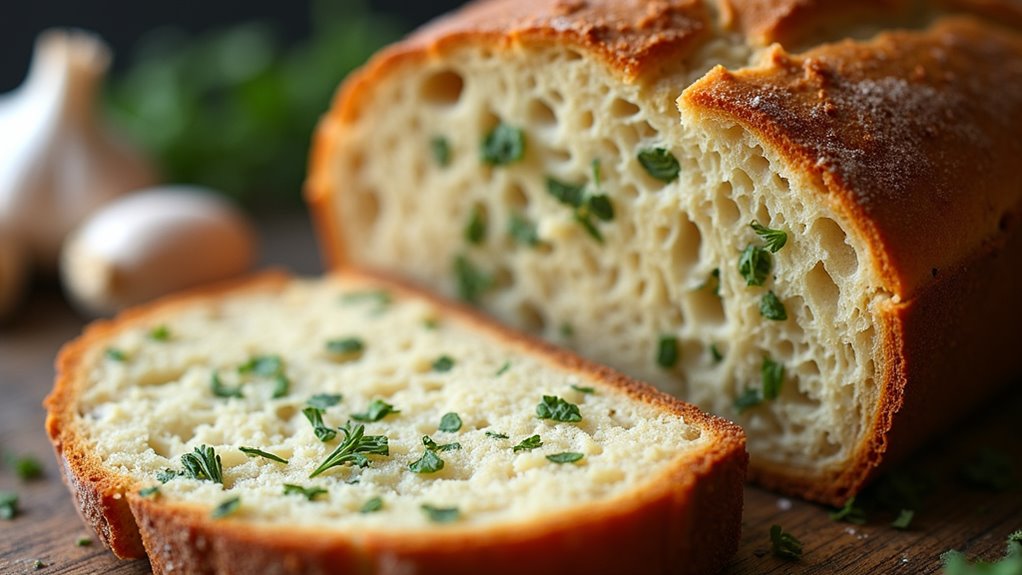
Scandinavian rye bread is a delicious way to bring hearty flavors to your table. With each loaf boasting a crusty exterior and tender inside, these breads are steeped in tradition. From Danish Rugbrød to Finnish Ruisleipä, there’s a recipe for everyone to enjoy. Picture the joy of freshly baked bread filling your kitchen with warmth. Let’s explore these golden recipes and their delightful variations together.
Classic Danish Rye Bread
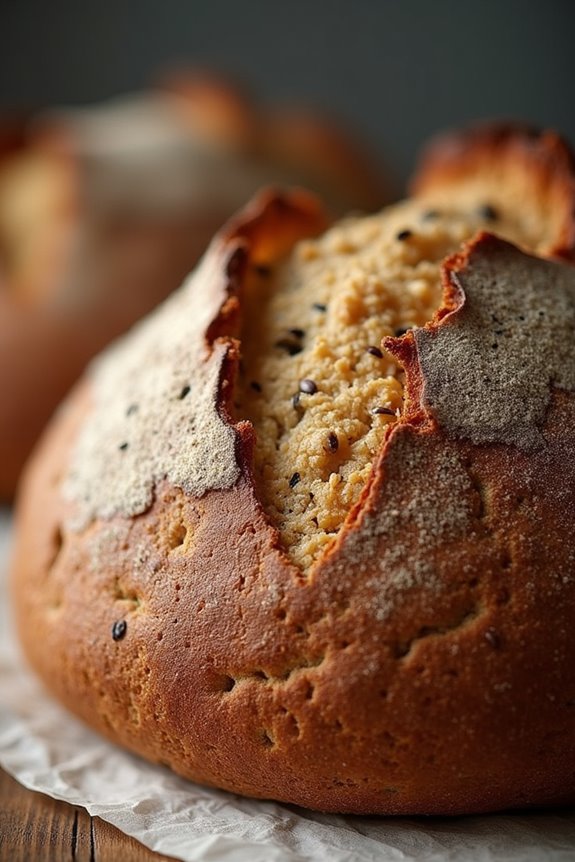
Classic Danish rye bread, also known as “rugbrød,” is a staple in Danish cuisine that boasts a rich, nutty flavor and a dense texture. This hearty bread is made primarily from rye flour, which not only contributes to its distinctive taste but also provides a host of nutritional benefits.
Traditionally, it’s enjoyed with various toppings like pickled herring, liver pate, or simply with butter and cheese, making it a versatile addition to any meal. The fermentation process gives the bread a slight tang, enhancing its flavor and making it a perfect base for open sandwiches, which are a hallmark of Danish dining.
Baking this bread at home may seem challenging, but with the right ingredients and a little patience, you can create a delicious loaf that rivals those found in any Danish bakery. The preparation involves mixing the dough, allowing it to rise, and then baking it until golden brown. Its unique texture and flavor make it a delightful choice for breakfast, lunch, or dinner. Plus, it freezes well, so you can always have some on hand for when the craving strikes.
Ingredients (Serves 4-6):
- 2 cups rye flour
- 1 cup all-purpose flour
- 1 cup water
- 1/2 cup buttermilk
- 1/4 cup molasses
- 2 tablespoons whole flaxseeds
- 2 tablespoons sunflower seeds
- 1 tablespoon salt
- 1 tablespoon active dry yeast
- 1 teaspoon caraway seeds (optional)
Cooking Instructions:
- Prepare the Dough: In a large mixing bowl, combine the rye flour, all-purpose flour, flaxseeds, sunflower seeds, salt, and caraway seeds if using. In a separate bowl, mix the warm water, buttermilk, and molasses until well combined. Sprinkle the yeast on top and let it activate for about 5-10 minutes until it becomes frothy.
- Mix Ingredients: Once the yeast mixture is ready, pour it into the dry ingredients. Stir with a wooden spoon until a thick dough forms. The dough will be sticky, which is normal for rye bread.
- Knead the Dough: Transfer the dough to a floured surface and knead it for about 5-7 minutes. Use more all-purpose flour as needed to prevent sticking. The goal is to develop some gluten, but don’t over-knead as rye flour has less gluten than wheat flour.
- First Rise: Place the kneaded dough in a greased bowl, cover it with a damp cloth or plastic wrap, and let it rise in a warm place for about 1-2 hours or until it has doubled in size.
- Shape the Loaf: Once the dough has risen, punch it down to release the air. Shape it into a loaf and place it in a greased 9×5 inch loaf pan. Cover it again and let it rise for another hour.
- Preheat the Oven: About 20 minutes before baking, preheat your oven to 375°F (190°C).
- Bake the Bread: When the dough has risen again, place it in the preheated oven. Bake for 40-50 minutes or until the top is golden brown and the loaf sounds hollow when tapped on the bottom.
- Cool and Serve: Remove the bread from the oven and let it cool in the pan for 10 minutes. Then, transfer it to a wire rack to cool completely before slicing.
Extra Tips:
For the best flavor and texture, allow the bread to sit for at least a few hours or even overnight before slicing, as this will help enhance its taste.
If you want to experiment with flavors, consider adding nuts, seeds, or dried fruits to the dough. Additionally, this rye bread can be stored in an airtight container at room temperature for several days or frozen for longer storage.
Enjoy your homemade Classic Danish rye bread with a variety of toppings for a delightful meal!
Finnish Ruisleipä
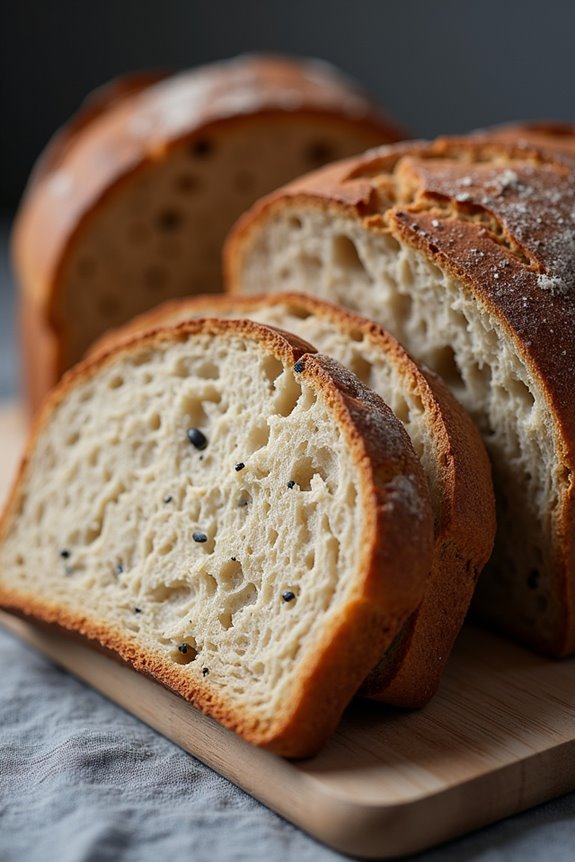
Finnish Ruisleipä, or rye bread, is a traditional staple in Finnish cuisine known for its dense texture and robust flavor. This bread is made primarily from rye flour, which gives it a rich, earthy taste and a dark color.
Ruisleipä isn’t only nutritious but also versatile, making it an excellent accompaniment to a range of dishes—a perfect choice for breakfast, lunch, or dinner. The bread is often enjoyed with butter, cheese, or cured meats, and can even be served as a base for open-faced sandwiches.
Making Ruisleipä at home involves a fermentation process that enhances its flavor and texture. The key to achieving the perfect loaf lies in using a sourdough starter, which adds depth and complexity to the bread. This recipe is designed to serve 4-6 people and can be enjoyed fresh or toasted, making it a delightful addition to any meal.
Ingredients:
- 2 cups rye flour
- 1 cup all-purpose flour
- 1 ½ cups water (lukewarm)
- 1 cup sourdough starter
- 1 tsp salt
- 1 tbsp sugar
- 1 tbsp caraway seeds (optional)
Instructions:
- Prepare the Sourdough Starter: If you don’t have a sourdough starter, you can prepare one in advance by mixing equal parts flour and water and allowing it to ferment for several days until bubbly. If using a store-bought starter, verify it’s active and bubbly for best results.
- Mix the Dough: In a large mixing bowl, combine the rye flour, all-purpose flour, salt, and sugar. In a separate bowl, mix the lukewarm water with the sourdough starter until well combined. Gradually pour the wet mixture into the dry ingredients, stirring continuously until a thick dough forms.
- Knead the Dough: Transfer the dough onto a lightly floured surface and knead it for about 5-10 minutes. The dough should be sticky but manageable. If it’s too dry, add a bit more water, and if too wet, sprinkle in some more flour. Kneading will help develop gluten, giving the bread its structure.
- First Rise: Place the kneaded dough in a lightly greased bowl, cover it with a damp cloth, and let it rise in a warm place for 1-2 hours, or until it has doubled in size.
- Shape the Loaf: Once the dough has risen, punch it down gently to release the air. Shape it into a round or oval loaf, depending on your preference. Place the shaped loaf onto a baking sheet lined with parchment paper.
- Second Rise: Cover the shaped loaf with a cloth and let it rise again for about 30-60 minutes. This second rise will give the bread a lighter texture.
- Preheat the Oven: While the loaf is rising, preheat your oven to 425°F (220°C). If you’d like to create steam for a crustier bread, place a shallow pan with water on the bottom rack of the oven.
- Bake the Bread: Once the oven is preheated, place the loaf in the oven and bake for 30-35 minutes, or until the bread sounds hollow when tapped on the bottom. The crust should be dark brown, and the internal temperature of the bread should reach around 200°F (93°C).
- Cool the Bread: Remove the bread from the oven and let it cool on a wire rack. This step is essential as it allows the bread to set and develop its flavor further.
Extra Tips:
For the best flavor, consider adding ingredients like chopped nuts or seeds to the dough before baking. You can also experiment with different types of rye flour, such as whole grain or light rye, to achieve varying flavors and textures.
Ruisleipä can be stored in a bread box or wrapped in a cloth to maintain its freshness, and it often tastes even better the next day as the flavors meld. Enjoy your homemade Finnish Ruisleipä with your favorite toppings or simply with butter!
Swedish Knäckebröd
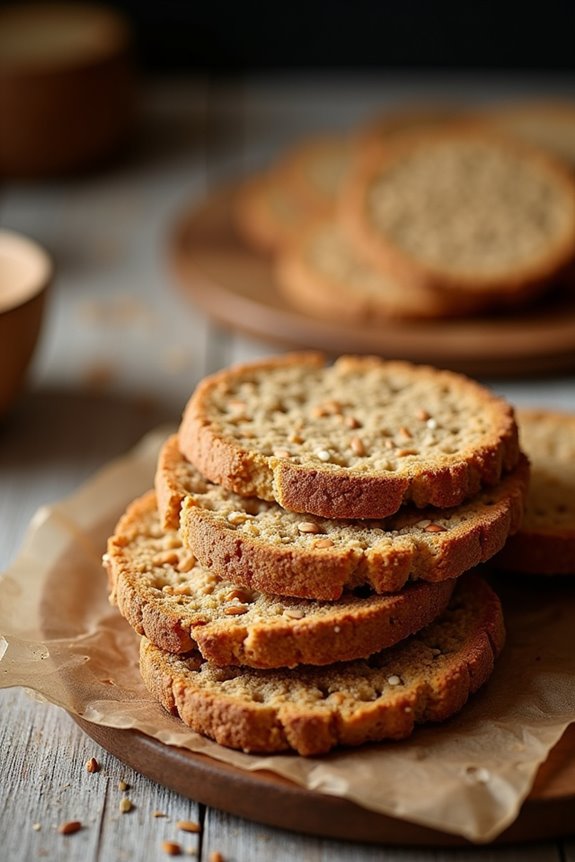
Swedish Knäckebröd, also known as crispbread, is a traditional flatbread that has become a staple in Swedish households and beyond. This delightful bread is characterized by its crunchy texture and nutty flavor, making it the perfect accompaniment to a variety of toppings, from cheese and meats to spreads and vegetables.
With roots dating back to the 5th century, knäckebröd has been enjoyed for generations and is often served during festive occasions, holidays, and family gatherings.
Making knäckebröd at home allows you to customize the flavors and textures to your liking. The base of this recipe is simple and requires minimal ingredients, yet the result is a versatile bread that can be stored for months, making it an excellent addition to your pantry.
So gather your ingredients and let’s plunge into the world of Swedish Knäckebröd!
Ingredients (serving size of 4-6 people):
- 2 cups whole grain rye flour
- 1 cup all-purpose flour
- 1 teaspoon salt
- 1 teaspoon baking powder
- 1/4 cup sunflower seeds
- 1/4 cup sesame seeds
- 1/4 cup flaxseeds
- 2 tablespoons olive oil
- 1 cup water (adjust as needed)
Cooking Instructions:
- Prepare the Dough: In a large mixing bowl, combine the whole grain rye flour, all-purpose flour, salt, and baking powder. Stir in the sunflower seeds, sesame seeds, and flaxseeds. Make a well in the center and add the olive oil. Gradually pour in the water, mixing until a shaggy dough forms. If the dough feels too dry, add more water, a tablespoon at a time, until it’s slightly sticky but manageable.
- Knead the Dough: Transfer the dough to a lightly floured surface. Knead the dough for about 5-7 minutes until it becomes smooth and elastic. This step is essential for developing the texture of the bread. If the dough sticks to your hands, dust with a little more flour as needed.
- Roll Out the Dough: Divide the dough into 2-3 equal portions. Roll out each portion on a floured surface until it’s about 1/8 inch thick. The thinner you roll the dough, the crunchier the knäckebröd will be. Use a rolling pin for even thickness.
- Cut and Dock the Bread: Use a pizza cutter or sharp knife to cut the rolled-out dough into desired shapes, typically squares or rectangles. Dock the surface of each piece with a fork to prevent bubbles from forming during baking. This gives the bread its characteristic texture.
- Bake: Preheat your oven to 450°F (230°C). Line a baking sheet with parchment paper and place the cut pieces of dough on it. Bake for 10-12 minutes or until the edges are golden brown and the bread feels firm to the touch. Keep an eye on them to avoid burning.
- Cool and Store: Once baked, remove the knäckebröd from the oven and let it cool on a wire rack. Once completely cool, store the crispbread in an airtight container to keep it fresh and crunchy.
Extra Tips: To enhance the flavor of your knäckebröd, consider adding spices such as caraway seeds or dill to the dough. You can also experiment with different seeds or grains for added texture and taste.
If you want to add a little sweetness, a tablespoon of honey or molasses can be incorporated into the dough. Finally, remember that the thinner the dough, the crunchier the end result, so don’t be afraid to roll it out as thin as possible!
Enjoy your homemade Swedish Knäckebröd with your favorite toppings or simply as a snack on its own.
Norwegian Rugbrød
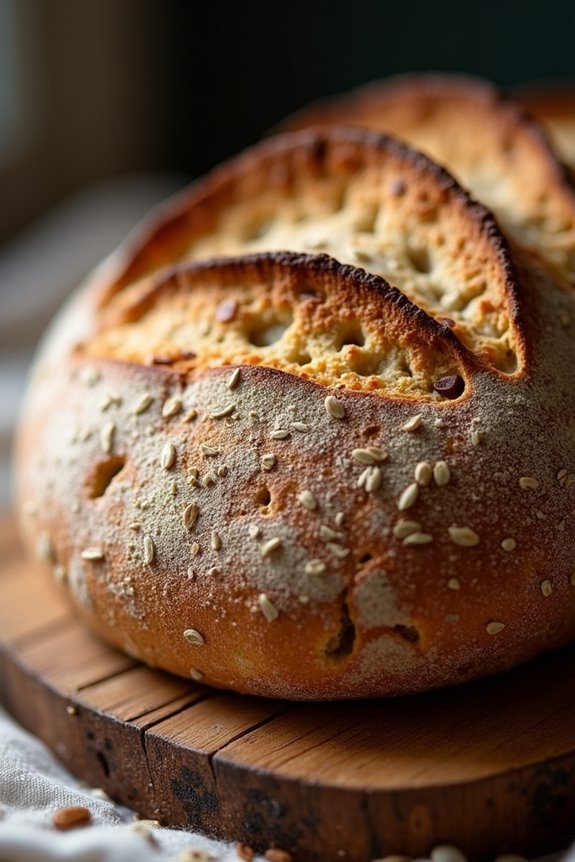
Norwegian Rugbrød, a traditional rye bread, is a staple in Norwegian cuisine known for its dense texture and rich flavor. This hearty bread is often enjoyed as part of a classic Norwegian breakfast or lunch, typically paired with a variety of toppings such as cheese, cured meats, or spreads.
The use of whole grain rye flour gives the Rugbrød its characteristic dark color and a slightly nutty taste, making it both nutritious and satisfying. The preparation of Norwegian Rugbrød is quite simple but requires some patience as it needs time to rise and develop its flavors.
By utilizing a combination of rye flour, wheat flour, and various seeds, this recipe results in a deliciously wholesome bread that can be enjoyed fresh or toasted. Perfect for serving with your favorite toppings or as a side to a warm soup, this Rugbrød is sure to become a beloved addition to your baking repertoire.
Ingredients (Serves 4-6):
- 2 cups (240g) whole grain rye flour
- 1 cup (120g) all-purpose flour
- 1/2 cup (50g) rolled oats
- 1/4 cup (60g) sunflower seeds
- 1/4 cup (60g) pumpkin seeds
- 2 tablespoons (30ml) honey or sugar
- 1 1/2 teaspoons (8g) salt
- 1 teaspoon (5g) active dry yeast
- 3 cups (720ml) lukewarm water
Cooking Instructions:
- Prepare the Yeast Mixture: In a small bowl, combine the lukewarm water and active dry yeast. Stir gently and let it sit for about 5-10 minutes until it becomes frothy, indicating that the yeast is active.
- Mix Dry Ingredients: In a large mixing bowl, combine the whole grain rye flour, all-purpose flour, rolled oats, sunflower seeds, pumpkin seeds, salt, and honey (or sugar). Mix well until all the dry ingredients are evenly distributed.
- Combine Wet and Dry Ingredients: Once the yeast mixture is frothy, pour it into the bowl with the dry ingredients. Stir with a wooden spoon or spatula until a thick batter forms. The dough will be sticky and wet, which is normal for this type of bread.
- First Rise: Cover the bowl with a clean kitchen towel or plastic wrap and let it rise at room temperature for about 2-4 hours, or until it has doubled in size. This slow rise helps to develop the flavors in the bread.
- Prepare for Baking: After the dough has risen, preheat your oven to 375°F (190°C). Grease a loaf pan with oil or line it with parchment paper to prevent sticking.
- Shape the Dough: Transfer the risen dough to the prepared loaf pan. Use a spatula or your hands to smooth the top of the dough. You can sprinkle some extra seeds on top for decoration if desired.
- Second Rise: Cover the loaf pan with a towel and let it rise for an additional 30-60 minutes, until slightly puffed up.
- Bake the Bread: Place the loaf pan in the preheated oven and bake for about 45-50 minutes, or until the bread sounds hollow when tapped on the bottom. The internal temperature should reach around 200°F (93°C).
- Cool Down: Once baked, remove the Rugbrød from the oven and let it cool in the pan for about 10 minutes before transferring it to a wire rack to cool completely.
- Slice and Serve: Once cooled, slice the Rugbrød and serve with your favorite toppings or enjoy it plain!
Extra Tips:
For an even more flavorful Norwegian Rugbrød, consider adding spices like caraway seeds or fennel to the dough. You can also experiment with different types of seeds or nuts for added texture and taste.
To keep the bread fresh longer, store it in an airtight container or wrap it in a cloth. This bread also freezes well, so you can make a double batch and save some for later enjoyment!
Rye Bread With Seeds and Nuts
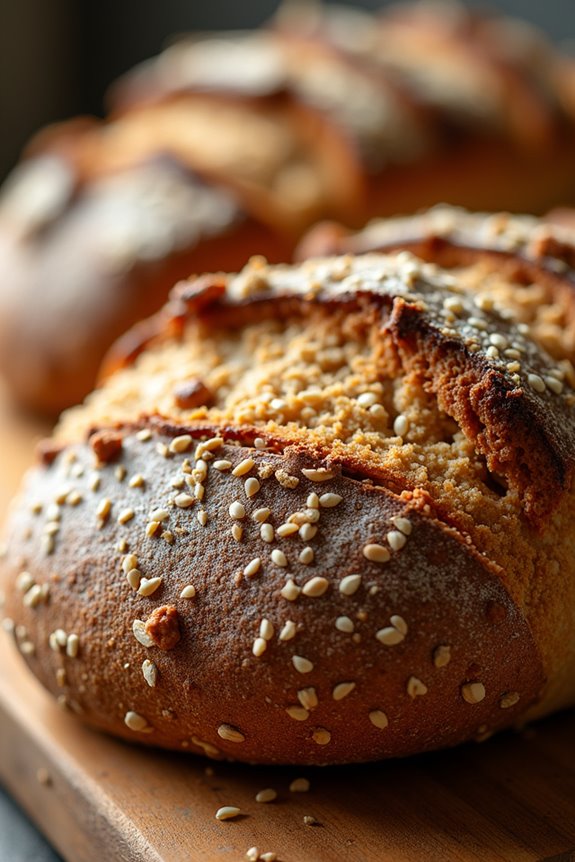
Rye Bread With Seeds and Nuts is a wholesome and hearty bread that showcases the unique flavors and textures of rye flour combined with a variety of seeds and nuts. This Scandinavian staple isn’t only nutritious but also incredibly versatile, making it perfect for sandwiches, toasted with butter, or served alongside soups and salads.
The nutty aroma that fills your kitchen while baking is simply irresistible, and it’s a great way to enjoy the health benefits of whole grains and seeds.
This recipe is designed to serve 4-6 people, guaranteeing that you have enough delicious rye bread to share with family and friends. The combination of seeds such as sunflower, pumpkin, and sesame, along with chopped nuts, adds a delightful crunch and enhances the overall flavor profile of the bread.
With a little time and patience, you’ll be rewarded with a beautiful loaf that captures the essence of Scandinavian baking traditions.
Ingredients
- 2 cups rye flour
- 1 cup all-purpose flour
- 1 cup warm water (about 110°F)
- 2 tablespoons honey or maple syrup
- 1 tablespoon active dry yeast
- 1 teaspoon salt
- 1/4 cup sunflower seeds
- 1/4 cup pumpkin seeds
- 1/4 cup chopped walnuts or hazelnuts
- 1/4 cup sesame seeds
- 2 tablespoons olive oil
Cooking Instructions
- Activate the Yeast: In a small bowl, combine the warm water and honey (or maple syrup). Sprinkle the active dry yeast over the top and let it sit for about 5-10 minutes until it becomes frothy. This indicates that the yeast is active and ready to use.
- Mix Dry Ingredients: In a large mixing bowl, combine the rye flour, all-purpose flour, and salt. Stir well to guarantee that the salt is evenly distributed throughout the flour.
- Combine Wet and Dry Ingredients: Once the yeast mixture is frothy, pour it into the bowl with the dry ingredients. Add the olive oil and mix until a rough dough forms. It’s okay if the dough seems a bit sticky at this stage.
- Incorporate Seeds and Nuts: Add the sunflower seeds, pumpkin seeds, chopped walnuts (or hazelnuts), and sesame seeds to the dough. Mix thoroughly until all the seeds and nuts are evenly distributed throughout the dough.
- Knead the Dough: Turn the dough out onto a lightly floured surface and knead it for about 8-10 minutes, until it becomes smooth and elastic. If the dough is too sticky, you can sprinkle a little more flour as needed.
- First Rise: Place the kneaded dough in a greased bowl, cover it with a clean kitchen towel, and let it rise in a warm place for about 1-1.5 hours, or until it has doubled in size.
- Shape the Dough: After the dough has risen, punch it down gently to release any air bubbles. Turn it out onto a floured surface and shape it into a loaf or divide it into smaller pieces for rolls.
- Second Rise: Place the shaped dough into a greased loaf pan or on a baking sheet lined with parchment paper. Cover it with the towel again and let it rise for another 30-45 minutes until it has puffed up.
- Preheat the Oven: While the dough is rising for the second time, preheat your oven to 375°F (190°C).
- Bake the Bread: Once the dough has risen, place it in the preheated oven and bake for 30-35 minutes, or until the bread is golden brown and sounds hollow when tapped on the bottom.
- Cool the Bread: Remove the bread from the oven and let it cool in the pan for about 10 minutes before transferring it to a wire rack to cool completely.
Extra Tips
For a more intense flavor, consider toasting the seeds and nuts in a dry skillet for a few minutes before adding them to the dough. This will enhance their natural oils and give your bread a richer taste.
Additionally, feel free to experiment with different types of seeds and nuts based on your preference—flaxseeds, chia seeds, or almonds can all make excellent additions.
Assure that your bread is completely cool before slicing to achieve nice, clean cuts without squishing the loaf. Enjoy your Rye Bread With Seeds and Nuts fresh or store it in an airtight container for up to a week!
Spicy Rye Bread With Caraway
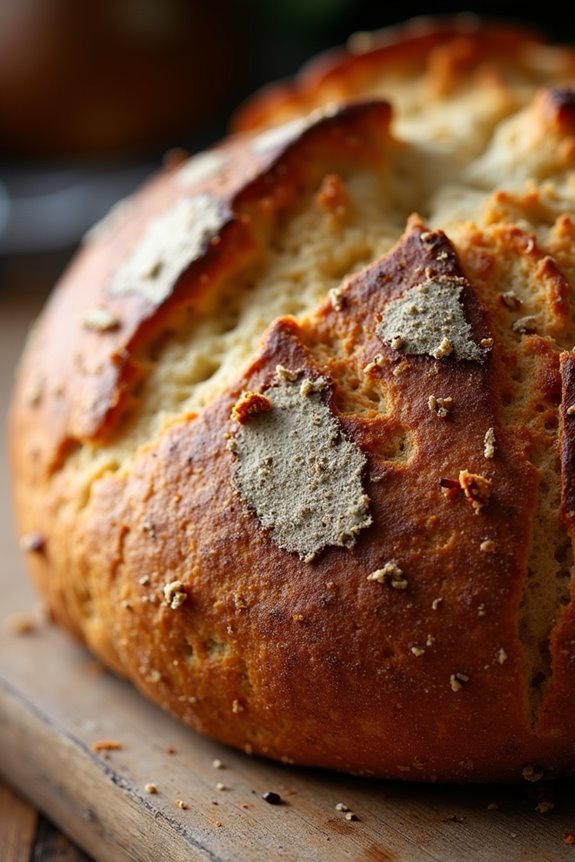
Spicy Rye Bread with Caraway is a delightful twist on traditional Scandinavian rye bread, blending the nutty flavors of rye flour with the aromatic spice of caraway seeds. This bread isn’t only hearty and flavorful but also packed with nutrition, making it an excellent choice for breakfast or as a side for soups and stews.
The addition of spices elevates the flavor profile, creating a unique loaf that stands out on any table. This recipe is perfect for serving 4-6 people, making it an ideal dish for family gatherings or cozy meals at home. The process of making this bread is straightforward, and the resulting loaf is sure to impress with its rustic appearance and robust taste.
Whether you enjoy it fresh out of the oven or toasted with butter, this spicy rye bread will quickly become a favorite in your kitchen.
Ingredients
- 2 cups rye flour
- 1 cup all-purpose flour
- 1 tablespoon caraway seeds
- 1 teaspoon salt
- 1 tablespoon sugar
- 1 packet active dry yeast (2 ¼ teaspoons)
- 1 ½ cups warm water (about 110°F/43°C)
- 2 tablespoons olive oil
- 1 teaspoon chili flakes (optional, for extra spice)
Cooking Instructions
- Activate the Yeast: In a small bowl, combine the warm water and sugar. Sprinkle the active dry yeast over the top and let it sit for about 5-10 minutes until it becomes frothy. This step guarantees that your yeast is alive and will help the bread rise properly.
- Mix the Dry Ingredients: In a large mixing bowl, combine the rye flour, all-purpose flour, salt, caraway seeds, and chili flakes (if using). Stir these dry ingredients together until they’re well mixed.
- Combine Wet and Dry Ingredients: Once the yeast mixture is frothy, add it to the dry ingredients along with the olive oil. Use a wooden spoon or your hands to mix everything together until a rough dough forms. The dough will be sticky, which is typical for rye bread.
- Knead the Dough: Transfer the dough to a floured surface and knead it for about 8-10 minutes. If the dough is too sticky, sprinkle a little more flour as needed. Kneading helps to develop the gluten, giving the bread structure.
- First Rise: Place the kneaded dough in a lightly greased bowl, cover it with a damp cloth, and let it rise in a warm place for about 1 hour or until it doubles in size. This step is vital for creating a light and airy texture in the bread.
- Shape the Bread: After the dough has risen, punch it down to release any air bubbles. Shape the dough into a loaf or divide it into smaller portions for rolls. Place the shaped dough onto a baking sheet lined with parchment paper.
- Second Rise: Cover the shaped bread with a cloth and let it rise for another 30-45 minutes until it puffs up again. This second rise adds to the bread’s lightness.
- Preheat the Oven: While the dough is rising, preheat your oven to 375°F (190°C). A hot oven is essential for getting a good rise and crust on your bread.
- Bake the Bread: Once the bread has risen, place it in the preheated oven and bake for 25-30 minutes or until the bread is golden brown and sounds hollow when tapped on the bottom.
- Cool and Serve: Remove the bread from the oven and let it cool on a wire rack for at least 15 minutes before slicing. This cooling period allows the crumb to set properly.
Extra Tips
For an even more flavorful bread, consider adding additional spices like cumin or coriander seeds alongside the caraway. You may also experiment with adding a touch of molasses for sweetness or incorporating seeds like sunflower or pumpkin for added texture and nutrition.
Confirm that you allow the bread to cool completely before storing it in an airtight container to retain its freshness.
Dark Rye Bread With Molasses
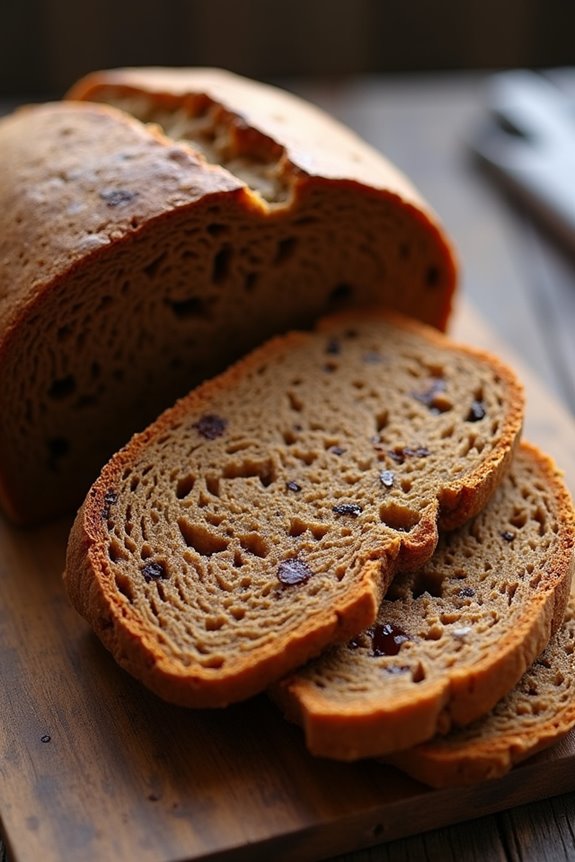
Dark Rye Bread with Molasses is a traditional Scandinavian recipe that brings together the rich flavors of rye flour and the deep sweetness of molasses. This bread isn’t only hearty and nutritious but also has a distinctive dark color and a slightly sweet flavor profile that pairs beautifully with butter, cheese, or even savory spreads. Perfect for breakfast, lunch, or as a side to your favorite soup, this bread embodies the essence of Scandinavian baking.
The beauty of this recipe lies in its simplicity and the wholesome ingredients that are used. This bread is made with a combination of dark rye flour and all-purpose flour, giving it a dense yet tender texture. The addition of molasses not only enhances the flavor but also adds moisture, making it a delightful treat.
Whether you’re an experienced baker or a novice in the kitchen, this recipe will guide you through each step, guaranteeing that you end up with a loaf that’s both delicious and satisfying.
Ingredients (Serves 4-6)
- 2 cups dark rye flour
- 1 cup all-purpose flour
- 1 cup warm water (approximately 100°F)
- 1/2 cup molasses
- 1 tablespoon active dry yeast
- 1 teaspoon salt
- 1 tablespoon caraway seeds (optional)
Cooking Instructions
- Activate the Yeast: In a small bowl, combine the warm water and active dry yeast. Allow it to sit for about 5-10 minutes until it becomes frothy. This step is vital as it confirms that the yeast is active and will help the bread rise properly.
- Mix the Dry Ingredients: In a large mixing bowl, combine the dark rye flour, all-purpose flour, and salt. If you’re using caraway seeds, add them to the mixture as well. Stir the dry ingredients together until they’re evenly distributed.
- Combine Wet and Dry Ingredients: Once the yeast is activated, add the molasses to the yeast mixture and stir until well combined. Gradually pour the wet mixture into the bowl of dry ingredients, mixing with a wooden spoon or your hands until a sticky dough forms.
- Knead the Dough: Transfer the dough onto a lightly floured surface. Knead the dough for about 5-7 minutes until it becomes smooth and elastic. If the dough is too sticky, sprinkle a little more all-purpose flour as needed.
- First Rise: Place the kneaded dough in a lightly greased bowl, cover it with a clean kitchen towel, and let it rise in a warm place for about 1-2 hours or until it has doubled in size.
- Shape the Loaf: Once the dough has risen, punch it down to release the air. Shape the dough into a loaf and place it in a greased loaf pan. Cover it again with the kitchen towel and allow it to rise for an additional 30-60 minutes.
- Preheat the Oven: While the dough is rising for the second time, preheat your oven to 375°F (190°C).
- Bake the Bread: After the second rise, place the loaf in the preheated oven and bake for about 30-35 minutes or until the bread sounds hollow when tapped on the bottom and has a deep brown color.
- Cool the Bread: Once baked, remove the loaf from the oven and let it cool in the pan for about 10 minutes. Then transfer it to a wire rack to cool completely before slicing.
Extra Tips
For the best flavor, consider letting the bread rest overnight before slicing. This allows the flavors to develop more fully and makes for a better texture.
Additionally, dark rye bread can be stored wrapped in plastic or in a bread bag at room temperature for a few days, or you can freeze it for longer storage. When serving, try pairing it with cream cheese or smoked salmon for a delicious Scandinavian-inspired meal.
Sweet Rye Bread With Fennel
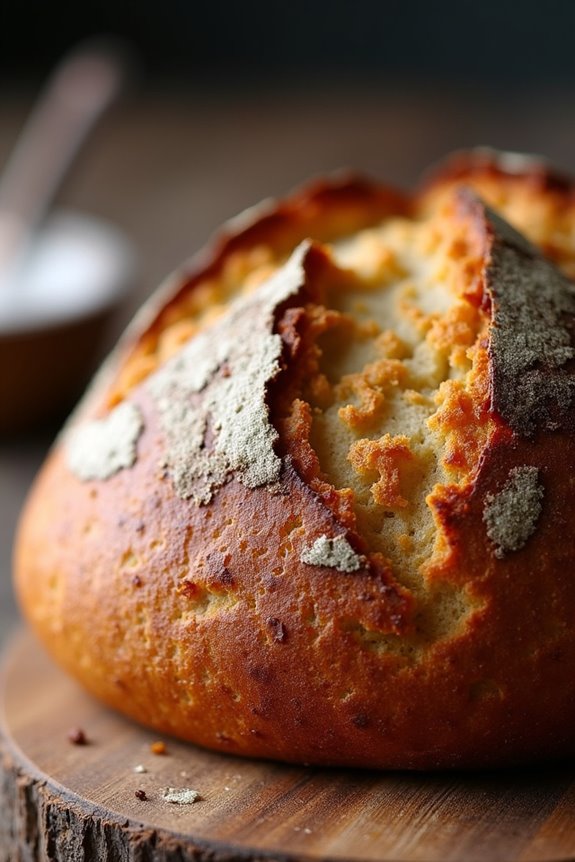
Sweet Rye Bread with Fennel is a delightful Scandinavian treat that combines the earthy flavor of rye flour with the aromatic essence of fennel seeds. This bread is slightly sweetened, making it perfect for breakfast or as a snack throughout the day. The unique flavor profile of fennel adds a subtle anise-like taste that complements the richness of the rye, resulting in a memorable and wholesome loaf.
Making this bread is easier than you might think! With a few simple ingredients and some patience during the rising process, you can bake a beautiful loaf that will fill your home with a warm, inviting aroma. This recipe is designed to serve 4-6 people, making it ideal for a small gathering or a family breakfast. Let’s get started on this delicious Scandinavian delight!
Ingredients:
- 2 cups rye flour
- 1 cup all-purpose flour
- 1/4 cup brown sugar
- 1 teaspoon fennel seeds
- 1 teaspoon salt
- 2 teaspoons instant yeast
- 1 cup warm water (about 110°F)
- 1/4 cup vegetable oil
- 1 tablespoon honey
- 1 egg (for egg wash)
Cooking Instructions:
- Prepare the Dry Ingredients: In a large mixing bowl, combine the rye flour, all-purpose flour, brown sugar, fennel seeds, salt, and instant yeast. Whisk them together until evenly mixed to guarantee that the yeast and salt don’t come into direct contact, which can inhibit the yeast’s effectiveness.
- Mix the Wet Ingredients: In a separate bowl, mix the warm water, vegetable oil, and honey. Stir until the honey is fully dissolved. The mixture should be warm but not hot to the touch, as excessive heat can kill the yeast.
- Combine Wet and Dry Ingredients: Gradually pour the wet ingredients into the dry ingredients, stirring with a wooden spoon or spatula until a shaggy dough forms. Once combined, turn the dough out onto a lightly floured surface and knead for about 8-10 minutes until the dough is smooth and elastic.
- First Rise: Place the kneaded dough in a lightly greased bowl, cover it with a damp cloth or plastic wrap, and let it rise in a warm place for about 1 hour or until it doubles in size.
- Shape the Dough: After the first rise, punch down the dough to release any air bubbles. Turn it out onto a floured surface again and shape it into a loaf by flattening it gently and rolling it tightly from one end to the other. Pinch the seams to seal.
- Second Rise: Place the shaped loaf into a greased loaf pan. Cover it again and let it rise for another 30-45 minutes, or until it has risen above the rim of the pan.
- Preheat the Oven: While the dough is rising, preheat your oven to 375°F (190°C).
- Egg Wash: Once the dough has completed its second rise, beat the egg in a small bowl and brush the top of the loaf with the egg wash. This will give the bread a nice golden brown color when baked.
- Bake: Bake the loaf in the preheated oven for 30-35 minutes or until the bread is golden brown and sounds hollow when tapped on the bottom.
- Cool: Remove the bread from the oven and let it cool in the pan for about 10 minutes before transferring it to a wire rack to cool completely.
Extra Tips:
For best results, make sure to measure your ingredients accurately, especially the flour, as too much can lead to a dense loaf.
If you want to enhance the flavor further, consider toasting the fennel seeds lightly before adding them to the dough; this will release their essential oils and intensify their flavor.
Additionally, this bread can be stored in an airtight container at room temperature for several days or frozen for longer storage. Enjoy it with butter, cheese, or your favorite spreads for a delicious treat!
Rye Bread With Dried Fruits
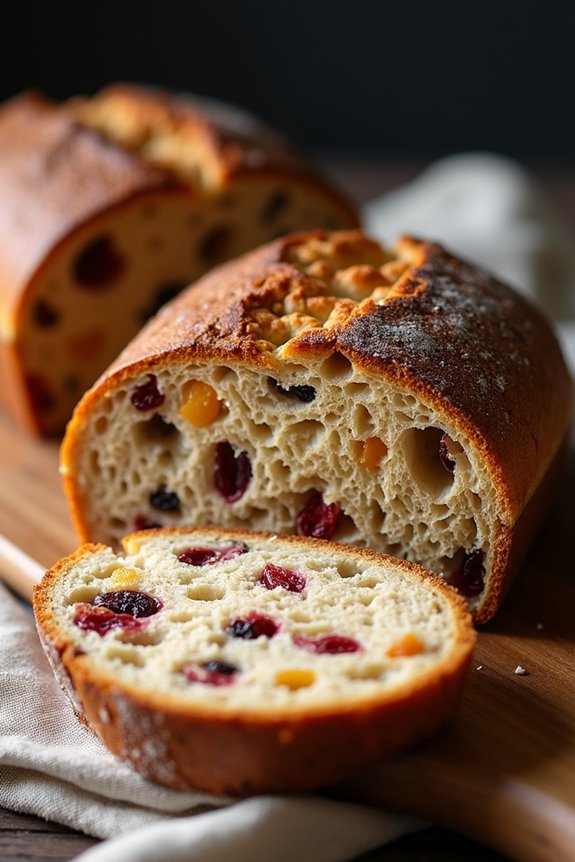
Rye Bread With Dried Fruits is a delightful twist on the traditional Scandinavian rye bread, combining the earthy flavors of rye flour with the sweetness of various dried fruits. This hearty bread not only makes for a nutritious breakfast or snack but also serves as a wonderful accompaniment to cheeses or charcuterie.
The use of dried fruits such as raisins, apricots, and cranberries adds a burst of flavor and texture that complements the dense, moist crumb of the rye bread, making it a truly satisfying choice for any meal.
This recipe is simple to follow and yields a loaf that’s perfect for sharing with family and friends. Whether you enjoy it toasted with a pat of butter, or slathered with your favorite jam, this bread is sure to please. Plus, the aroma of freshly baked rye bread wafting through your kitchen will make your home feel warm and inviting.
So, roll up your sleeves, gather your ingredients, and prepare to bake a loaf that will impress everyone at your table.
Ingredients (Serves 4-6):
- 2 cups rye flour
- 1 cup all-purpose flour
- 1 teaspoon salt
- 2 teaspoons sugar
- 1 tablespoon active dry yeast
- 1 ½ cups warm water (110°F)
- ½ cup mixed dried fruits (raisins, apricots, cranberries)
- 2 tablespoons sunflower seeds (optional)
- 1 tablespoon olive oil
Cooking Instructions:
- Prepare the Yeast Mixture: In a small bowl, combine the warm water and sugar. Sprinkle the active dry yeast over the top and let it sit for about 5-10 minutes until it becomes frothy. This indicates that the yeast is active and ready to use.
- Mix the Dry Ingredients: In a large mixing bowl, whisk together the rye flour, all-purpose flour, and salt until well combined. This helps to distribute the salt evenly and guarantees that your bread rises properly.
- Combine Wet and Dry Ingredients: Make a well in the center of the dry ingredients and pour in the frothy yeast mixture and olive oil. Use a wooden spoon or spatula to mix until the dough begins to come together. It will be a bit sticky due to the rye flour.
- Incorporate Dried Fruits: Once the dough starts to form, add the mixed dried fruits and sunflower seeds (if using) into the dough. Knead gently until the fruits are evenly distributed throughout the dough.
- Knead the Dough: Transfer the dough onto a lightly floured surface and knead it for about 5-7 minutes, adding additional flour as necessary, until the dough is smooth and elastic. Be careful not to over-knead as rye dough can become tough.
- First Rise: Place the kneaded dough in a greased bowl, cover it with a clean kitchen towel or plastic wrap, and let it rise in a warm place for about 1 hour, or until it has doubled in size.
- Shape the Loaf: Once the dough has risen, gently punch it down to release the air. Shape it into a loaf by flattening it into a rectangle and rolling it tightly. Pinch the seams to seal and tuck the ends under.
- Second Rise: Place the shaped loaf into a greased loaf pan. Cover it again and let it rise for another 30-45 minutes, or until it has risen slightly above the edge of the pan.
- Preheat the Oven: While the loaf is rising, preheat your oven to 375°F (190°C).
- Bake the Bread: Once the loaf has risen, place it in the preheated oven and bake for 30-35 minutes, or until the loaf sounds hollow when tapped on the bottom and is a deep golden brown.
- Cool the Bread: Remove the bread from the oven and let it cool in the pan for about 10 minutes before transferring it to a wire rack to cool completely. This prevents the bottom from becoming soggy.
Extra Tips:
When making Rye Bread With Dried Fruits, feel free to experiment with different types of dried fruits based on your preferences. You can also add spices like cinnamon or nutmeg for an extra layer of flavor.
For a more rustic texture, consider using whole grain rye flour instead of light rye flour. Additionally, this bread can be frozen after baking; simply wrap it tightly in plastic wrap and store it in an airtight container for up to three months. Enjoy your homemade rye bread fresh or toasted for a delicious treat!
Herbed Rye Bread With Garlic
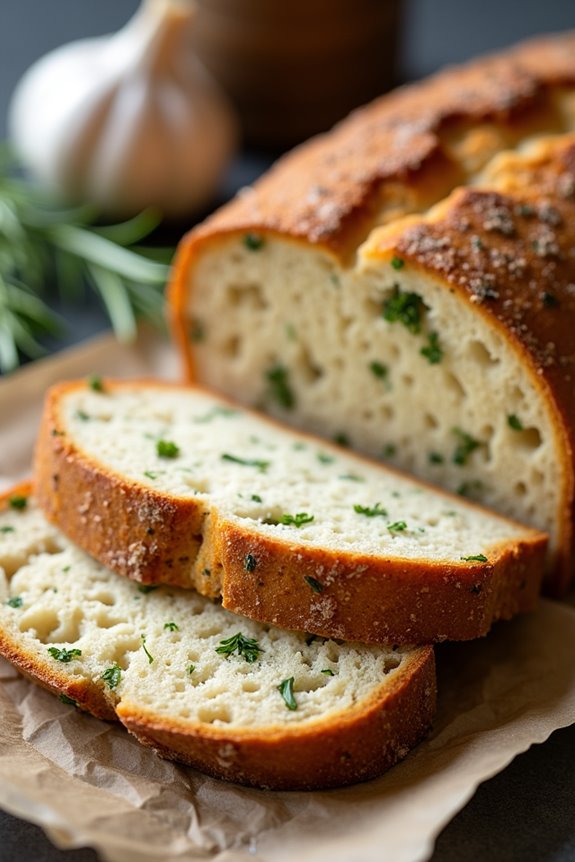
Herbed Rye Bread with Garlic is a delightful twist on traditional Scandinavian rye bread, combining the robust flavors of rye flour with fragrant herbs and the aromatic essence of garlic. This bread is perfect as a side dish for soups and stews, or simply enjoyed on its own with some butter or olive oil. The addition of fresh herbs elevates the flavor profile, making it a great choice for any meal.
The process of making this bread is straightforward, and the results are well worth the effort. The dough will yield a dense and flavorful loaf that’s both satisfying and nourishing. It’s an ideal recipe to make when you have some time to let the dough rise, guaranteeing a perfect texture. Gather your ingredients, and let’s get started on this delicious Herbed Rye Bread with Garlic.
Ingredients (Serves 4-6)
- 2 cups rye flour
- 1 cup all-purpose flour
- 1 teaspoon salt
- 1 teaspoon sugar
- 1 packet (2 ¼ teaspoons) active dry yeast
- 1 cup warm water (110°F/43°C)
- 2 tablespoons olive oil
- 4 cloves garlic, minced
- 2 tablespoons fresh rosemary, finely chopped
- 2 tablespoons fresh thyme, finely chopped
- 1 tablespoon fresh parsley, finely chopped
- Extra flour for dusting
Cooking Instructions
- Prepare the Yeast Mixture: In a small bowl, combine the warm water, sugar, and active dry yeast. Stir gently to dissolve the yeast and allow it to sit for about 5-10 minutes until it becomes frothy. This step guarantees that the yeast is activated properly, which is vital for the rising of the bread.
- Mix the Dry Ingredients: In a large mixing bowl, combine the rye flour, all-purpose flour, and salt. Whisk them together to guarantee the salt is evenly distributed and to incorporate air into the mixture, which will help the bread rise.
- Combine Wet and Dry Ingredients: Once the yeast mixture is frothy, add it to the bowl of dry ingredients, along with the olive oil, minced garlic, and the chopped herbs. Mix everything together using a wooden spoon or your hands until a rough dough begins to form.
- Knead the Dough: Transfer the dough to a lightly floured surface and knead it for about 8-10 minutes until it becomes smooth and elastic. This process develops the gluten in the dough, which gives the bread its structure.
- First Rise: Place the kneaded dough into a lightly greased bowl and cover it with a damp cloth or plastic wrap. Allow it to rise in a warm, draft-free area for about 1-1.5 hours, or until it has doubled in size. This step is essential for creating a light and airy bread.
- Shape the Bread: After the dough has risen, punch it down to release the air. Shape it into a loaf by rolling it gently and tucking the edges under. Place the shaped dough into a greased loaf pan or onto a baking sheet lined with parchment paper.
- Second Rise: Cover the shaped loaf with a cloth and let it rest for another 30-45 minutes until it has puffed up again. This second rise helps to develop the flavor and texture of the bread.
- Preheat the Oven: While the dough is rising, preheat your oven to 375°F (190°C). A properly preheated oven is key to achieving a good crust on your bread.
- Bake the Bread: Once the dough has risen, place it in the preheated oven and bake for 30-35 minutes or until the top is golden brown and sounds hollow when tapped. The internal temperature of the bread should reach around 200°F (93°C).
- Cool and Serve: Remove the bread from the oven and allow it to cool in the pan for about 10 minutes before transferring it to a wire rack to cool completely. Once cooled, slice and enjoy your Herbed Rye Bread with Garlic!
Extra Tips
To enhance the flavor of your Herbed Rye Bread with Garlic, consider toasting the minced garlic lightly in olive oil before adding it to the dough; this will mellow the garlic flavor and add a deeper richness.
You can also experiment with different herbs based on your preference or what you have on hand. Store any leftovers in an airtight container at room temperature for up to three days, or freeze for longer storage. Enjoy your homemade bread!
