

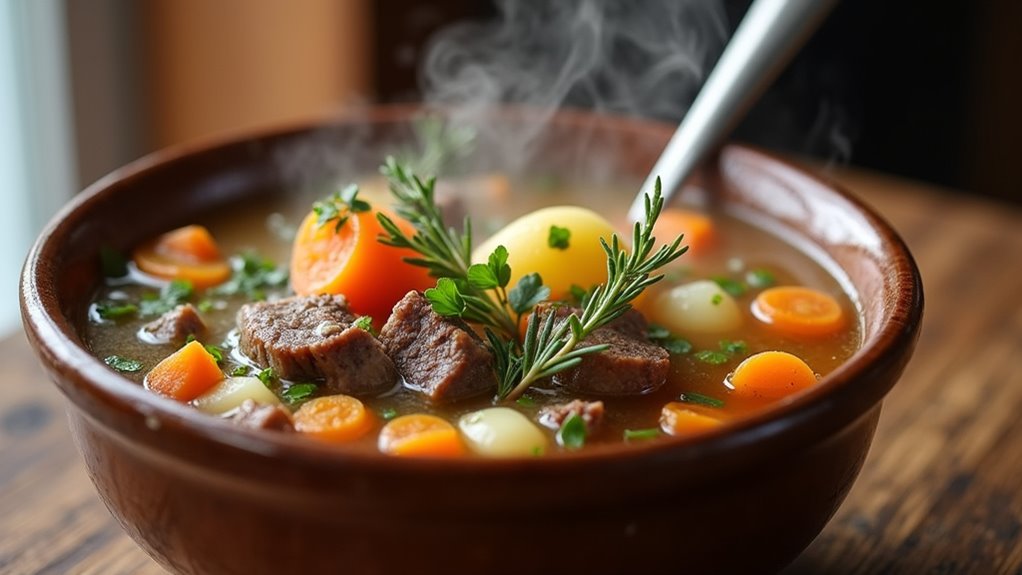
As the snowflakes gently fall, there’s nothing quite like the comforting flavors of Scandinavian cuisine to warm your soul. These rich and hearty dishes are perfect for cozy evenings, steeped in tradition and full of flavor. Think Swedish meatballs with lingonberry sauce or a savory Norwegian lamb stew. Each recipe offers a taste of winter’s embrace and might just become a new favorite. Let’s explore these cozy recipes together and find your next culinary delight.
Classic Swedish Meatballs With Lingonberry Sauce

Swedish meatballs, or “Köttbullar,” are a beloved classic that transcends borders, offering a comforting taste of Scandinavian tradition. These small, savory meatballs are typically made with a blend of ground beef and pork, seasoned to perfection, and served with a rich, creamy sauce. Paired with the sweet and tangy flavor of lingonberry sauce, this dish is a delightful combination of flavors that captures the essence of Swedish cuisine.
Whether served over creamy mashed potatoes or with buttered noodles, these meatballs are bound to impress at any dinner table.
Preparing classic Swedish meatballs at home is simpler than you might think, and the results are incredibly satisfying. The secret to achieving the perfect meatball lies in the right balance of meat, spices, and moisture. By incorporating breadcrumbs soaked in milk and a mix of spices, these meatballs aren’t only flavorful but also tender and juicy.
With the addition of a delicious lingonberry sauce, this dish isn’t just a meal but a culinary experience that brings a taste of Sweden to your home.
Ingredients (Serves 4-6):
- 1 pound ground beef
- 1 pound ground pork
- 1 cup breadcrumbs
- 1/2 cup milk
- 1 onion, finely chopped
- 2 cloves garlic, minced
- 1/2 teaspoon ground allspice
- 1/2 teaspoon ground nutmeg
- 1/2 teaspoon black pepper
- 1 teaspoon salt
- 2 tablespoons fresh parsley, chopped
- 1 egg
- 4 tablespoons butter (for frying)
- 2 cups beef broth
- 1 cup heavy cream
- 1 tablespoon soy sauce
- Lingonberry sauce (for serving)
Cooking Instructions:
- Prepare the Breadcrumb Mixture: In a small bowl, combine the breadcrumbs and milk. Let this sit for about 10 minutes until the breadcrumbs have absorbed the milk and softened. This step guarantees that the meatballs remain moist.
- Cook the Onion and Garlic: In a skillet, melt 1 tablespoon of butter over medium heat. Add the chopped onion and sauté until translucent, about 5 minutes. Stir in the minced garlic and cook for an additional minute. Remove from heat and allow it to cool slightly.
- Mix the Meatball Ingredients: In a large mixing bowl, combine the ground beef, ground pork, soaked breadcrumbs, sautéed onion and garlic, ground allspice, nutmeg, black pepper, salt, chopped parsley, and the egg. Mix gently with your hands until just combined; overmixing can make the meatballs tough.
- Shape the Meatballs: With your hands, form the mixture into small balls, about 1 inch in diameter. Place the shaped meatballs on a tray as you go to keep them organized.
- Cook the Meatballs: In a large skillet, melt the remaining butter over medium heat. Add the meatballs in batches, making sure not to overcrowd the pan. Cook for about 8-10 minutes, turning occasionally, until they’re browned on all sides and cooked through. Remove the meatballs and set them aside.
- Make the Sauce: In the same skillet, add the beef broth and bring it to a simmer, scraping up any browned bits from the bottom of the pan. Stir in the heavy cream and soy sauce, then let it simmer for a few minutes until the sauce thickens slightly. Return the meatballs to the skillet and coat them in the sauce. Cook for an additional 2-3 minutes.
- Serve: Plate the meatballs and drizzle the creamy sauce over them. Serve with lingonberry sauce on the side, along with your choice of mashed potatoes or buttered noodles.
Extra Tips: When preparing Swedish meatballs, remember that the key to their flavor lies in the spices. Feel free to adjust the seasonings according to your taste.
Additionally, if you want to make the dish ahead of time, the meatballs can be prepared and cooked in advance; just reheat them in the sauce before serving. Lingonberry sauce can be found in most grocery stores or can be made at home with fresh lingonberries, sugar, and water for a delicious homemade touch. Enjoy your culinary journey through Sweden!
Hearty Finnish Salmon Soup ( Lohikeitto)
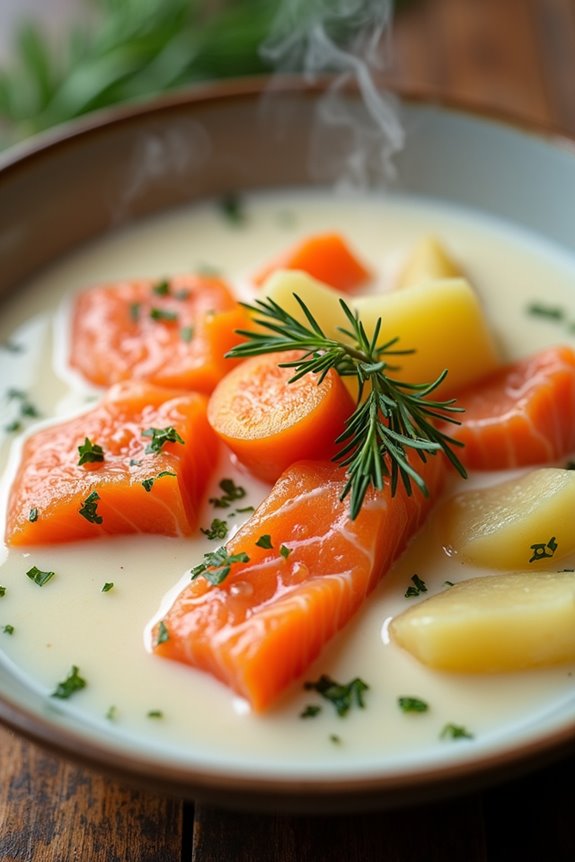
Lohikeitto, or Finnish salmon soup, is a traditional dish that embodies the essence of Scandinavian cuisine. Known for its creamy texture and rich flavors, this soup is an ideal comfort food perfect for chilly evenings. The combination of fresh salmon, potatoes, and dill creates a hearty meal that’s both satisfying and nourishing. This dish not only showcases the freshness of its ingredients but also the simplicity of Finnish cooking, making it a beloved recipe in many households.
Cooking Lohikeitto is a delightful experience that allows you to immerse yourself in the flavors of Finland. The base of the soup is enriched with creamy milk and seasoned with aromatic herbs, bringing a balance to the delicate taste of salmon. With a few simple ingredients and straightforward steps, you can have a warm, delicious bowl of this Finnish favorite ready to serve your family or guests.
Ingredients (Serves 4-6):
- 500g fresh salmon fillet, skin removed and diced
- 4 medium potatoes, peeled and diced
- 1 large onion, finely chopped
- 2 carrots, sliced
- 3 cups fish or vegetable broth
- 2 cups heavy cream
- 1 tablespoon fresh dill, chopped (plus extra for garnish)
- 2 tablespoons butter
- Salt and pepper to taste
- Lemon wedges for serving (optional)
Cooking Instructions:
- Prepare the Base: In a large pot, melt the butter over medium heat. Add the chopped onions and sauté them until they become translucent, about 5 minutes. This step builds a flavorful base for your soup.
- Cook the Vegetables: Add the diced potatoes and sliced carrots to the pot. Stir well to combine and cook for another 5 minutes. This allows the vegetables to soften slightly and absorb the flavors from the onions.
- Add the Broth: Pour in the fish or vegetable broth and bring the mixture to a boil. Once boiling, reduce the heat and let it simmer for about 15-20 minutes, or until the potatoes and carrots are tender. This process guarantees the vegetables cook through while infusing the broth with their natural sweetness.
- Incorporate the Salmon: Gently add the diced salmon to the pot. Allow the soup to simmer for an additional 5-7 minutes, or until the salmon is cooked through and flakes easily. Be careful not to overcook the salmon, as it can become dry.
- Finish with Cream and Dill: Stir in the heavy cream and chopped dill, and season with salt and pepper to taste. Heat the soup gently until warmed through, making sure not to bring it back to a boil. The cream adds richness and a velvety texture to the soup.
- Serve: Ladle the soup into bowls and garnish with additional fresh dill. Serve with lemon wedges on the side, if desired. The acidity from the lemon can brighten the flavors of the soup.
Extra Tips:
When making Lohikeitto, feel free to customize it according to your taste preferences. You can add other vegetables like leeks or celery for additional flavor.
If you prefer a lighter version, substitute half of the heavy cream with milk or low-fat cream. The key to a great Lohikeitto is using fresh, high-quality salmon, so try to source your ingredients from a reliable source.
Additionally, letting the soup sit for a few minutes before serving can enhance the flavors even more. Enjoy your culinary journey into Finnish cuisine!
Danish Pork and Cabbage (Flæskesteg)
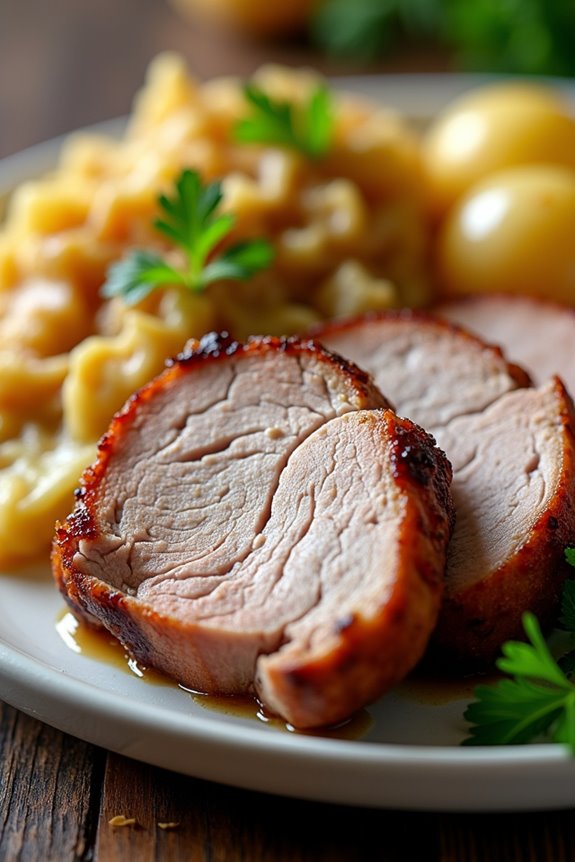
Danish Pork and Cabbage, or Flæskesteg, is a traditional Danish dish that brings together the rich flavors of succulent pork roast and sweet, tender cabbage. This hearty meal is popular during festive occasions and family gatherings, showcasing the simplicity and comfort of Scandinavian cuisine.
The star of the dish is the pork, typically seasoned and roasted to perfection, while the cabbage acts as a flavorful and nutritious side. The combination of crispy crackling skin, juicy meat, and savory cabbage creates a delightful experience for the taste buds.
Preparing Flæskesteg isn’t only about cooking; it’s about celebrating Danish culture and bringing warmth to the dining table. The roast is often served with boiled potatoes and a rich gravy, making it an ideal choice for a family feast.
As you commence on this culinary journey, let the aromas of roasted pork and sautéed cabbage fill your kitchen, as you create a dish that embodies the heart of Scandinavian cooking.
Ingredients (serving size: 4-6 people)
- 1.5 kg (3.3 lbs) pork roast (with skin)
- 1 tablespoon salt
- 1 teaspoon black pepper
- 1 teaspoon ground allspice
- 1 tablespoon vegetable oil
- 1 medium onion, sliced
- 1 medium head of cabbage, roughly chopped
- 500 ml (2 cups) chicken or vegetable broth
- 4-6 boiled potatoes (for serving)
- Fresh parsley (for garnish)
Cooking Instructions
- Prepare the Pork Roast: Start by preheating your oven to 220°C (428°F). Score the skin of the pork roast in a crosshatch pattern, being careful not to cut into the meat itself. This will help the skin crisp up during roasting. Rub the salt, black pepper, and ground allspice generously over the pork, making sure to get it into the scored skin.
- Sear the Meat: Heat the vegetable oil in a large, oven-safe skillet over medium-high heat. Once hot, place the pork roast in the skillet, skin side down. Sear for about 5-7 minutes, until the skin starts to become crispy and golden. Turn the roast over and sear the other side for an additional 5 minutes.
- Roast the Pork: Transfer the skillet to the preheated oven and roast the pork for about 1 hour, or until the internal temperature reaches 70°C (158°F). To achieve a crispy skin, you may want to turn on the broiler for the last 5-10 minutes, keeping a close watch to prevent burning.
- Prepare the Cabbage: While the pork is roasting, prepare the cabbage. In a separate pot, add the sliced onion and chopped cabbage. Pour in the chicken or vegetable broth, and season with a pinch of salt and pepper. Cover and cook over medium heat for about 20-25 minutes until the cabbage is tender and has absorbed the flavors.
- Serve: Once the pork is done, remove it from the oven and let it rest for about 10-15 minutes before slicing. Serve the pork slices alongside the sautéed cabbage and boiled potatoes. Garnish with fresh parsley for a pop of color.
Extra Tips
When cooking Flæskesteg, the key to achieving perfectly crispy crackling is ensuring the skin is dry before roasting. You can pat it down with paper towels and even leave it uncovered in the refrigerator for a few hours to allow moisture to escape.
Additionally, using a meat thermometer will help you avoid overcooking the pork. Pair it with a rich gravy made from the pan drippings to elevate the dish further! Enjoy your authentic Danish meal with family and friends.
Norwegian Lamb and Cabbage Stew (Fårikål)
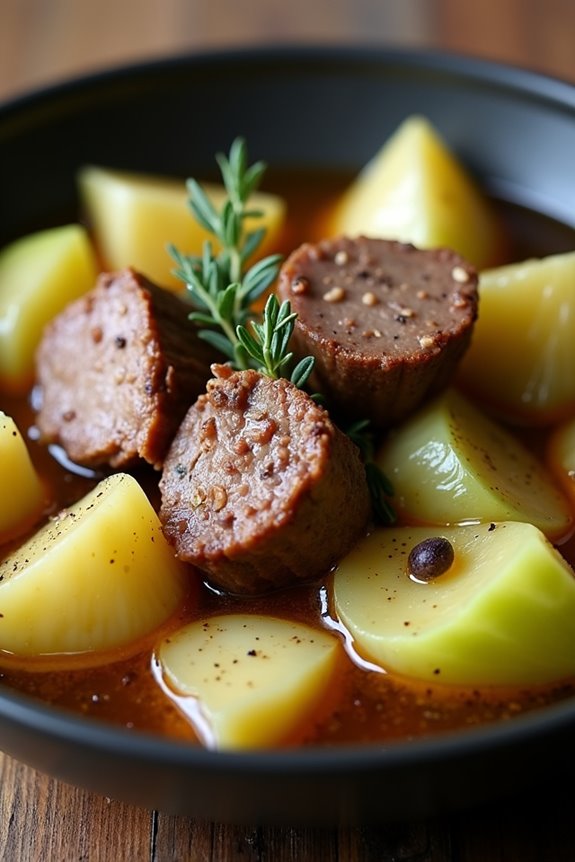
Fårikål is a traditional Norwegian dish that epitomizes the essence of Scandinavian comfort food. This hearty stew combines lamb and cabbage, creating a simple yet flavorful meal that’s ideal for chilly evenings. The dish is a staple in Norway, often enjoyed during the autumn season, particularly on the last Thursday in September, which is celebrated as Fårikål Day. The unique method of cooking the lamb and cabbage together allows their flavors to meld beautifully, resulting in a rich and satisfying stew.
Making Fårikål is straightforward and requires minimal ingredients, making it a perfect choice for both novice and experienced cooks. The key to a successful stew lies in using quality lamb cuts and fresh cabbage, which together create a dish that warms the soul. Pair this stew with boiled potatoes to complete the meal, and you’re sure to have a delightful dining experience that transports you to the heart of Norway.
Ingredients (Serves 4-6):
- 2 lbs lamb shoulder, cut into large chunks
- 1 medium head of green cabbage, cut into wedges
- 4 cups water
- 1 tablespoon whole black peppercorns
- 1 teaspoon salt
- Boiled potatoes, for serving (optional)
Cooking Instructions:
- Prepare the Ingredients: Start by cutting the lamb shoulder into large chunks, making certain they’re of equal size for even cooking. Next, wash and cut the cabbage into wedges. This preparation allows for easy layering during cooking and guarantees that the lamb and cabbage cook evenly.
- Layer the Ingredients: In a large pot or Dutch oven, begin layering the ingredients. Place half of the cabbage wedges at the bottom of the pot. Then, add half of the lamb chunks on top of the cabbage. Sprinkle half of the salt and a few whole black peppercorns over the lamb. Repeat this layering process with the remaining cabbage, lamb, salt, and peppercorns.
- Add Water and Simmer: Pour the water over the layered ingredients, making sure that the cabbage and lamb are well-covered. Bring the mixture to a gentle boil over medium-high heat. Once boiling, reduce the heat to low, cover the pot, and let it simmer for about 2 hours. This slow cooking process allows the flavors to develop and the lamb to become tender.
- Check for Doneness: After 2 hours, uncover the pot and check the lamb for tenderness. It should be easily pulled apart with a fork. If it’s not tender yet, cover the pot and continue to simmer, checking every 15 minutes until the lamb is cooked to your liking.
- Serve: Once the lamb is tender, taste the stew and adjust the seasoning with additional salt if needed. Serve the Fårikål hot, alongside boiled potatoes if desired. The potatoes will soak up the delicious broth and complement the flavors of the stew.
Extra Tips: For an even richer flavor, consider using lamb bones in the stew along with the meat—this adds depth to the broth. If you’re unable to find fresh cabbage, you can use frozen cabbage, but fresh cabbage will yield the best texture and flavor.
Additionally, this dish can be made a day in advance; the flavors improve as it sits, making it an excellent option for meal prep or gatherings. Just reheat gently before serving.
Icelandic Fish Stew (Plokkfiskur)
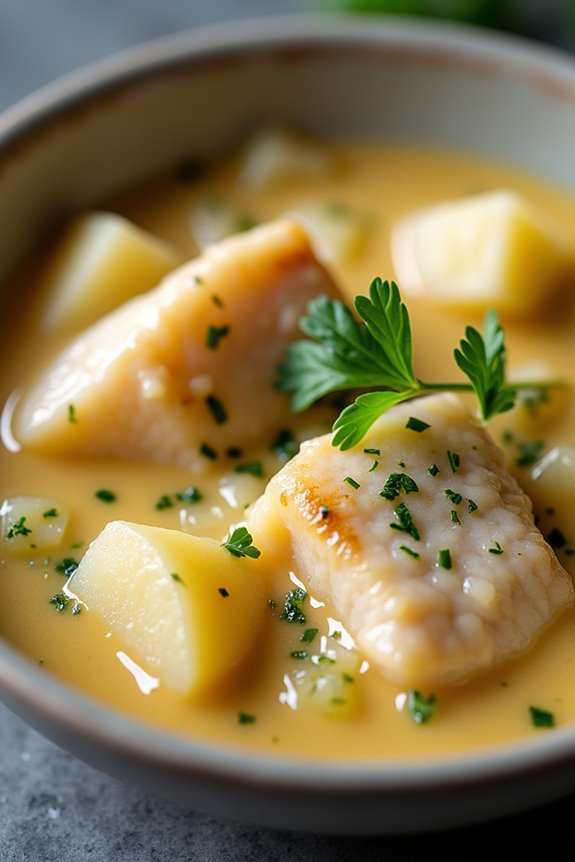
Icelandic Fish Stew, known as Plokkfiskur, is a traditional dish that embodies the essence of Icelandic cuisine, known for its simplicity and focus on fresh, local ingredients. This hearty stew is a cozy, comforting meal that combines tender fish, creamy potatoes, and a hint of onion, making it perfect for chilly evenings.
The dish isn’t only delicious but also a wonderful way to showcase the natural flavors of the North Atlantic’s bounty, often utilizing cod or haddock alongside root vegetables and a rich béchamel sauce.
Preparing Plokkfiskur is straightforward, and it’s a fantastic way to use leftover fish. The mix of textures from the fish, potatoes, and the creamy sauce creates a satisfying dish that can be enjoyed with a slice of rye bread or a fresh salad.
As you prepare this stew, keep in mind that the quality of your fish greatly impacts the final taste, so opt for the freshest options available to you.
Ingredients (Serving Size: 4-6 People)
- 500g (1 lb) fresh cod or haddock fillets, skinless and boneless
- 500g (1 lb) potatoes, peeled and diced
- 1 medium onion, finely chopped
- 2 tablespoons butter
- 2 tablespoons all-purpose flour
- 2 cups milk
- Salt and pepper, to taste
- 1 teaspoon dried thyme or dill (optional)
- Fresh parsley, chopped (for garnish)
Cooking Instructions
1. Prepare the Fish: In a medium pot, bring salted water to a gentle boil. Add the fish fillets and simmer for about 10 minutes, or until the fish is cooked through and flakes easily with a fork. Remove the fish from the pot and set aside to cool slightly.
Once cooled, break the fish into bite-sized pieces.
2. Cook the Potatoes: In the same pot used for the fish, add the diced potatoes and cook until tender, about 15-20 minutes. Drain the potatoes and set them aside.
3. Make the Béchamel Sauce: In a large skillet, melt the butter over medium heat. Once melted, add the chopped onion and sauté until soft and translucent, about 5 minutes.
Stir in the flour and cook for an additional minute. Gradually whisk in the milk, ensuring there are no lumps. Continue to cook until the sauce thickens, about 5-7 minutes, stirring frequently.
4. Combine Ingredients: Once the sauce has thickened, add the cooked potatoes and fish into the skillet. Stir gently to combine, taking care not to break up the fish too much.
Season the mixture with salt, pepper, and dried herbs, if using.
5. Serve: Let the stew simmer for a few minutes to allow the flavors to meld together. Serve hot, garnished with fresh parsley, alongside rye bread or a simple salad if desired.
Extra Tips
When making Plokkfiskur, feel free to customize the dish by adding other vegetables like carrots or peas for added color and nutrition.
If you have leftover cooked fish, this is a perfect recipe to use it up. For a richer flavor, consider using fish stock instead of water when boiling the fish or add a splash of white wine to the béchamel sauce.
Adjust the thickness of the sauce to your preference by varying the amount of flour and milk. Enjoy this delightful Icelandic dish!
Swedish Potato Casserole (Janssons Frestelse)

Swedish Potato Casserole, known as Janssons Frestelse, is a beloved dish often served during festive occasions or family gatherings in Sweden. This creamy and savory casserole combines layers of thinly sliced potatoes, onions, and anchovies, all soaked in a rich and luscious cream sauce. The blend of flavors creates a delightful dish that’s both comforting and satisfying, making it a perfect addition to any Scandinavian dinner.
Preparing Janssons Frestelse isn’t only simple but also a rewarding experience that fills your home with an inviting aroma. The key to achieving the perfect texture lies in the thinly sliced potatoes, which should be layered carefully to create a harmonious combination of flavors. This dish can be served as a side or a main course, making it versatile and appealing to a variety of palates.
Ingredients (Serves 4-6):
- 1.5 lbs (700g) potatoes (preferably floury such as Yukon Gold)
- 1 large onion, finely chopped
- 1 can (2 oz) anchovy fillets in oil, drained (or use anchovy paste)
- 1 cup (240ml) heavy cream
- 1 cup (240ml) milk
- 2 tablespoons unsalted butter
- Salt and pepper to taste
- Bread crumbs (optional, for topping)
Cooking Instructions:
- Preheat the Oven: Begin by preheating your oven to 400°F (200°C). This guarantees that your casserole cooks evenly and develops a beautiful golden crust on top.
- Prepare the Potatoes: Peel the potatoes and slice them thinly, about 1/8-inch thick. You can use a mandoline for uniform slices. Place the sliced potatoes in a bowl of cold water to prevent them from browning while you prepare the other ingredients.
- Sauté the Onions: In a skillet over medium heat, melt 1 tablespoon of butter. Add the finely chopped onions and cook until they’re soft and translucent, about 5-7 minutes. This step enhances the flavor of the dish by caramelizing the onions slightly.
- Layer the Ingredients: In a greased 2-quart baking dish, start layering the casserole. Begin with a layer of potatoes, followed by a layer of sautéed onions, and then a layer of anchovy fillets. Repeat the layers until all the ingredients are used, finishing with a layer of potatoes on top.
- Prepare the Cream Mixture: In a separate bowl, whisk together the heavy cream, milk, salt, and pepper. Pour this mixture evenly over the layered potatoes in the baking dish. If desired, sprinkle some bread crumbs on top for added texture.
- Bake the Casserole: Dot the top of the casserole with the remaining tablespoon of butter. Place it in the preheated oven and bake for about 45-60 minutes, or until the potatoes are tender and the top is golden brown.
- Let It Rest: Once baked, remove the casserole from the oven and allow it to rest for about 10 minutes before serving. This resting time allows the flavors to meld together.
Extra Tips:
When making Janssons Frestelse, ascertain that the anchovies are evenly distributed throughout the layers for a balanced flavor. If you’re not a fan of anchovies, you can substitute them with capers or simply omit them for a vegetarian version.
Additionally, feel free to experiment with the herbs by adding a sprinkle of dill or thyme to the cream mixture for an extra layer of flavor. This dish can also be made ahead of time and reheated, making it perfect for busy holiday gatherings.
Savory Finnish Mushroom Risotto
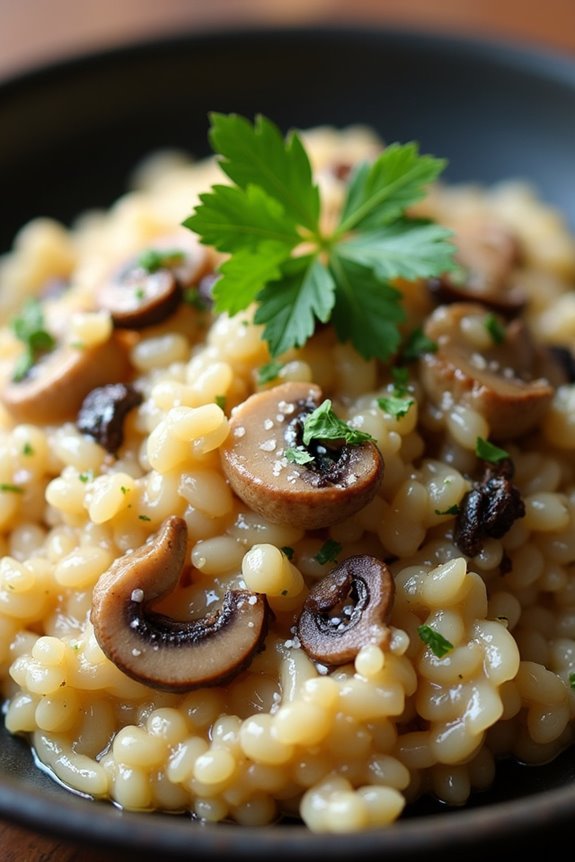
Finnish Mushroom Risotto is a delightful twist on traditional risotto, featuring the rich flavors of Finnish mushrooms that are often foraged from the lush forests of the country. This creamy and comforting dish is perfect for a cozy dinner, bringing a taste of Scandinavian cuisine to your table.
The combination of arborio rice, fresh mushrooms, and a hint of Finnish butter creates a dish that’s both hearty and satisfying, making it a wonderful choice for gatherings with family and friends.
Cooking this risotto requires attention and patience, as it involves slowly stirring the rice to achieve the perfect creamy texture. The earthy flavors of the mushrooms pair beautifully with the cheesy, savory notes of the dish, making it a comforting meal that’s sure to impress.
With just a few simple ingredients and straightforward steps, you can create a comforting bowl of Finnish Mushroom Risotto that showcases the best of Scandinavian flavors.
Ingredients (Serves 4-6):
- 1 ½ cups arborio rice
- 4 cups vegetable or chicken broth
- 2 tablespoons olive oil
- 1 medium onion, finely chopped
- 3 cloves garlic, minced
- 1 pound mixed mushrooms (such as chanterelles, porcini, or cremini), cleaned and sliced
- ½ cup dry white wine
- 1 cup grated Parmesan cheese
- 4 tablespoons unsalted Finnish butter (or regular butter)
- Salt and pepper to taste
- Fresh parsley, chopped (for garnish)
Cooking Instructions:
1. Prepare the Broth: In a medium saucepan, heat the vegetable or chicken broth over low heat. Keep it warm but not boiling, as you’ll add it gradually to the rice during cooking.
2. Sauté the Aromatics: In a large, heavy-bottomed pot or skillet, heat the olive oil over medium heat. Add the finely chopped onion and sauté for about 5 minutes until it becomes translucent.
Next, add the minced garlic and sauté for another 1-2 minutes, stirring frequently to avoid burning.
3. Cook the Mushrooms: Add the sliced mushrooms to the pot with the onions and garlic. Cook for about 5-7 minutes, stirring occasionally, until the mushrooms are tender and have released their moisture.
Season with salt and pepper to taste.
4. Toast the Rice: Add the arborio rice to the pot with the mushrooms, stirring well to coat the rice with the oil and mushroom mixture. Cook for 2-3 minutes until the rice is slightly translucent around the edges.
5. Deglaze with Wine: Pour in the white wine and stir continuously until it has mostly evaporated. This step adds depth of flavor to the risotto.
6. Add Broth Gradually: Begin adding the warm broth, one ladleful at a time, to the rice mixture. Stir continuously, allowing the rice to absorb the broth before adding the next ladleful.
Continue this process for about 18-20 minutes, or until the rice is al dente and the risotto is creamy.
7. Finish with Butter and Cheese: Once the rice is cooked, remove the pot from heat and stir in the unsalted butter and grated Parmesan cheese. Mix until well combined and creamy.
Adjust seasoning with salt and pepper if needed.
8. Serve and Garnish: Spoon the risotto into bowls and garnish with fresh parsley. Serve immediately while hot.
Extra Tips:
When preparing Finnish Mushroom Risotto, using a variety of mushrooms can elevate the dish’s flavor profile considerably, so feel free to mix and match according to what’s available.
For an added depth of flavor, consider adding a splash of truffle oil or a sprinkle of nutmeg just before serving. Remember, risotto is best enjoyed fresh, as it can thicken as it cools, so serve it immediately for the best texture and taste.
Danish Baked Potato With Creamy Shrimp

Danish Baked Potato with Creamy Shrimp is a delightful Scandinavian dish that combines the comforting texture of baked potatoes with a rich and flavorful creamy shrimp sauce. This dish is perfect for a family dinner or a cozy gathering with friends. The crispy skin of the potatoes contrasts beautifully with the smooth and savory filling, making it a satisfying meal that will impress your guests.
The creamy shrimp filling is made with fresh, succulent shrimp, which is cooked and then coated in a luxurious cream sauce infused with herbs and spices. This recipe isn’t only delicious but also easy to prepare, allowing you to enjoy the delightful flavors of Danish cuisine right in your own kitchen.
Ingredients (Serves 4-6):
- 4 large russet potatoes
- 1 pound shrimp, peeled and deveined
- 1 cup heavy cream
- 1 tablespoon butter
- 1 tablespoon olive oil
- 1 small onion, finely chopped
- 2 cloves garlic, minced
- 1 teaspoon Dijon mustard
- 1 tablespoon fresh dill, chopped (or 1 teaspoon dried)
- Salt and pepper, to taste
- Lemon wedges, for serving
Cooking Instructions:
- Preheat the Oven: Begin by preheating your oven to 400°F (200°C). This temperature will guarantee that the potatoes cook evenly and develop a crispy skin while remaining fluffy on the inside.
- Prepare the Potatoes: Wash and scrub the russet potatoes thoroughly to remove any dirt. Pat them dry with a paper towel. Prick each potato several times with a fork to allow steam to escape during baking. This step is vital for preventing the potatoes from bursting in the oven.
- Bake the Potatoes: Place the prepared potatoes directly on the oven rack or on a baking sheet lined with foil. Bake for about 45-60 minutes, or until the potatoes are tender when pierced with a fork. The skins should be crispy and the insides should feel soft.
- Cook the Shrimp: While the potatoes are baking, heat the olive oil and butter in a large skillet over medium heat. Add the chopped onion and sauté for 3-4 minutes until it becomes translucent. Then, add the minced garlic and cook for an additional minute until fragrant.
- Make the Cream Sauce: Stir in the shrimp and cook until they turn pink and are cooked through, about 3-4 minutes. Reduce the heat to low and add the heavy cream, Dijon mustard, and chopped dill. Stir well to combine and let the mixture simmer for a few minutes until it thickens slightly. Season with salt and pepper to taste.
- Assemble the Dish: Once the potatoes are done baking, remove them from the oven and let them cool for a few minutes. Carefully cut a slit down the center of each potato, without cutting all the way through. Gently squeeze the sides to fluff the insides and create a pocket.
- Fill the Potatoes: Spoon the creamy shrimp mixture generously into each baked potato, allowing it to overflow slightly for a rustic presentation.
- Serve: Serve the Danish Baked Potatoes with creamy shrimp immediately, garnished with lemon wedges for an extra burst of flavor.
Extra Tips: For added flavor, consider incorporating ingredients like capers or a splash of white wine into the shrimp sauce. If you prefer a lighter version, you can substitute the heavy cream with a blend of Greek yogurt and chicken broth. Remember to adjust the seasoning according to your taste preferences. Don’t forget to serve your baked potatoes hot and fresh for the best experience!
Norwegian Reindeer Stew (Reinsdyrgryte)
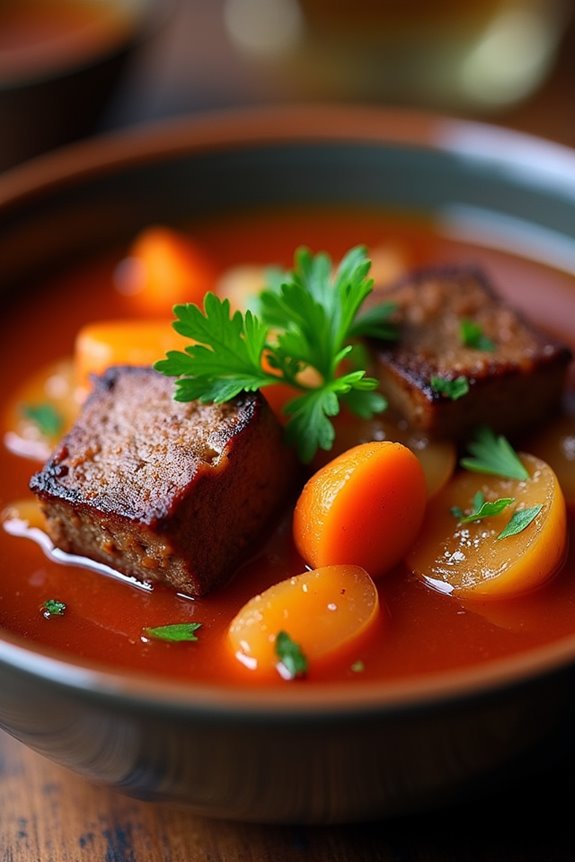
Norwegian Reindeer Stew, or Reinsdyrgryte, is a traditional dish that showcases the rich flavors of the Arctic. This hearty stew is made with tender reindeer meat, which is known for its unique taste and nutritional benefits. The dish is typically slow-cooked, allowing the flavors to meld beautifully while the meat becomes melt-in-your-mouth tender.
It’s often enjoyed during the colder months, perfect for warming both body and soul. The preparation of Reinsdyrgryte involves a selection of aromatic vegetables, herbs, and spices that complement the gamey flavor of the reindeer. This dish isn’t only a staple in Norwegian cuisine but also a reflection of the country’s deep-rooted connection to nature and wildlife.
Whether you’re looking to explore new culinary horizons or simply enjoy a taste of Norway, this stew is sure to impress your family and friends.
Ingredients (Serves 4-6):
- 1.5 kg reindeer meat, cubed
- 3 tablespoons vegetable oil
- 2 onions, chopped
- 3 carrots, sliced
- 2 celery stalks, chopped
- 3 cloves garlic, minced
- 3 tablespoons tomato paste
- 1 liter beef or game stock
- 1 cup red wine
- 2 bay leaves
- 1 teaspoon dried thyme
- Salt and pepper to taste
- Fresh parsley for garnish
Cooking Instructions:
- Prepare the Ingredients: Start by prepping all your ingredients. Cube the reindeer meat into bite-sized pieces, chop the onions, slice the carrots, and chop the celery. Mince the garlic and set everything aside. This will guarantee a smooth cooking process.
- Sear the Meat: In a large pot or Dutch oven, heat the vegetable oil over medium-high heat. Add the cubed reindeer meat to the pot, making sure not to overcrowd it. Sear the meat on all sides until browned. This step enhances the flavor of the stew by creating a caramelized crust on the meat.
- Cook the Vegetables: Once the meat is browned, remove it from the pot and set it aside. In the same pot, add the chopped onions, carrots, and celery. Sauté for about 5-7 minutes until the vegetables are softened and the onions become translucent. Add the minced garlic and cook for an additional minute until fragrant.
- Add Tomato Paste: Stir in the tomato paste and cook for another 2 minutes. This will deepen the flavor of the stew and help to create a rich base.
- Deglaze with Wine: Pour in the red wine, scraping the bottom of the pot to release any browned bits. Allow it to simmer for 3-4 minutes, reducing slightly. This step adds acidity and depth to the stew.
- Combine Ingredients: Return the browned reindeer meat to the pot. Add the beef or game stock, bay leaves, dried thyme, salt, and pepper. Stir well to combine all the ingredients.
- Simmer the Stew: Bring the mixture to a gentle boil, then reduce the heat to low. Cover the pot and let it simmer for 1.5 to 2 hours, or until the meat is tender and the flavors have melded together. Stir occasionally to prevent sticking.
- Final Seasoning: Once the stew is done, taste and adjust the seasoning with more salt and pepper if needed. Remove the bay leaves before serving.
- Serve: Ladle the stew into bowls and garnish with fresh parsley. Serve hot, preferably with crusty bread or traditional flatbread on the side.
Extra Tips:
When making Norwegian Reindeer Stew, consider marinating the reindeer meat in red wine and herbs the night before for added flavor.
If you can’t find reindeer meat, venison or beef can be used as substitutes, though the flavor may differ slightly. Additionally, this stew can be made in advance and tastes even better the next day, allowing the flavors to deepen even further.
Feel free to add root vegetables like potatoes or turnips for additional heartiness.
Swedish Pea Soup With Pancakes
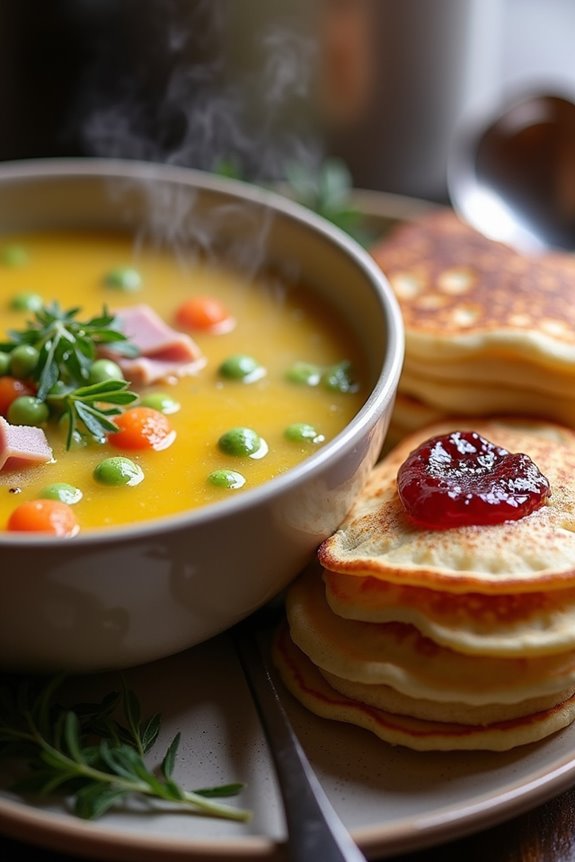
Swedish Pea Soup, known as “Ärtsoppa,” is a traditional dish that has deep roots in Swedish culture, often enjoyed on Thursdays before the weekend. This hearty soup is made primarily with yellow peas, which are simmered to create a thick, flavorful base. The addition of smoked pork or ham provides a delightful smokiness, while the fresh herbs elevate the dish to a comforting and satisfying meal.
Ideally, this soup is served with thin pancakes, known as “plättar,” that can be enjoyed with a sprinkle of sugar and a dollop of jam, adding a sweet contrast to the savory soup. Pancakes, a beloved addition to the Swedish dining experience, are quick to prepare and make for a delightful accompaniment to the pea soup.
The combination of the warm, savory soup and the sweet pancakes creates a unique balance that’s both satisfying and reminiscent of traditional Swedish meals. Whether served on a chilly evening or during a festive gathering, Swedish Pea Soup with Pancakes is sure to satisfy your family and friends.
Ingredients (Servings: 4-6)
- 2 cups dried yellow peas
- 8 cups water
- 1 onion, chopped
- 1 carrot, diced
- 1 celery stalk, diced
- 1 smoked ham hock or 1 cup diced smoked ham
- 1 teaspoon dried thyme
- 1 bay leaf
- Salt and pepper, to taste
- 1 tablespoon Dijon mustard (optional)
For the Pancakes:
- 1 cup all-purpose flour
- 2 eggs
- 2 cups milk
- 1 tablespoon sugar
- 1/2 teaspoon salt
- Butter, for cooking
Cooking Instructions:
- Prepare the Peas: Rinse the yellow peas under cold water and remove any debris. Soaking them overnight is optional but can help reduce cooking time and enhance texture.
- Cook the Soup Base: In a large pot, combine the rinsed peas with 8 cups of water. Bring to a boil, then reduce the heat and simmer for about 30 minutes or until the peas begin to soften.
- Add Vegetables and Ham: Stir in the chopped onion, diced carrot, diced celery, and the smoked ham hock or diced ham. Add the thyme and bay leaf. Continue to simmer for another 30-40 minutes, stirring occasionally, until the peas are fully cooked and the soup has thickened.
- Season the Soup: Once the peas are tender, remove the ham hock (if used) and let it cool slightly. Shred any meat from the hock and return it to the pot. Season the soup with salt, pepper, and Dijon mustard if desired, stirring well to combine.
- Make the Pancakes: In a mixing bowl, whisk together the flour, eggs, milk, sugar, and salt until smooth. The batter should be slightly thinner than traditional pancakes.
- Cook the Pancakes: Heat a non-stick skillet over medium heat and add a little butter. Pour a small amount of batter into the skillet, swirling to cover the bottom. Cook for about 1-2 minutes until bubbles form on the surface, then flip and cook for another 1-2 minutes until golden. Repeat with the remaining batter.
- Serve: Ladle the hot pea soup into bowls and serve with the pancakes on the side, allowing guests to enjoy them with sugar and jam if desired.
Extra Tips: When making the pea soup, feel free to adjust the consistency by adding more water if you prefer a thinner soup. For an extra depth of flavor, consider adding a splash of vinegar or a squeeze of lemon juice just before serving.
Additionally, ascertain that your pancakes are cooked on medium heat to avoid burning while allowing the center to cook through. Enjoy this comforting dish with a side of good company!
Finnish Root Vegetable Gratin
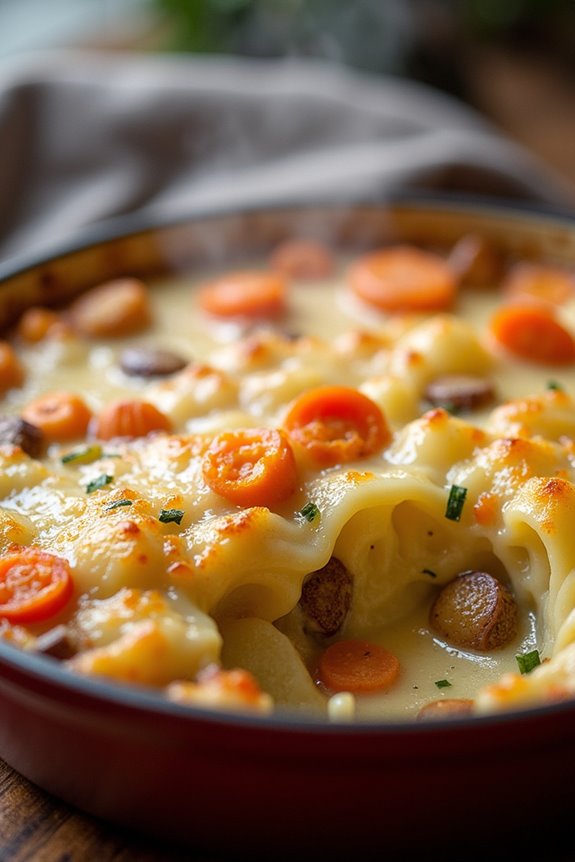
Finnish Root Vegetable Gratin is a hearty and warming dish that reflects the simplicity and comfort of Scandinavian cuisine. This gratin is made with a variety of root vegetables, layered with cream and cheese, then baked to perfection. The combination of flavors creates a creamy, earthy dish that’s perfect for cold winter nights or as a side dish for any dinner gathering. This recipe showcases the best of Finnish ingredients and is an excellent representation of the country’s love for root vegetables.
This delicious gratin isn’t only satisfying but also versatile. You can use whatever root vegetables you have on hand, such as potatoes, carrots, parsnips, and turnips, allowing you to customize the dish to your taste. The creamy layer adds richness while the cheese provides a delightful crust on top that makes each bite irresistible. Serve it alongside roasted meats or as a standalone vegetarian option, and watch it become a favorite at your dinner table.
Ingredients (Serves 4-6):
- 500g potatoes, peeled and thinly sliced
- 300g carrots, peeled and thinly sliced
- 300g parsnips, peeled and thinly sliced
- 200ml heavy cream
- 200ml milk
- 150g grated cheese (such as Gruyère or cheddar)
- 2 cloves garlic, minced
- 1 tsp thyme (fresh or dried)
- Salt and pepper to taste
- 30g butter (for greasing the baking dish)
Cooking Instructions:
- Preheat the Oven: Begin by preheating your oven to 180°C (350°F). This guarantees that the gratin cooks evenly and achieves a lovely golden top.
- Prepare the Baking Dish: Grease a medium-sized baking dish with butter. This will prevent the gratin from sticking and allow for easy serving.
- Layer the Vegetables: In the greased baking dish, start layering the sliced potatoes, carrots, and parsnips. Alternate the layers to create a colorful presentation and guarantee even cooking. Aim for about 3 layers, finishing with potatoes on top.
- Mix the Cream and Seasonings: In a bowl, combine the heavy cream, milk, minced garlic, thyme, salt, and pepper. Whisk the mixture together until well combined. This will be poured over the vegetables to create a creamy texture.
- Pour the Cream Mixture: Carefully pour the cream mixture over the layered vegetables, ensuring it seeps down into the layers. You want the vegetables to be well coated in the cream for a rich flavor.
- Add the Cheese: Sprinkle the grated cheese evenly over the top of the gratin. This will create a beautiful, cheesy crust as it bakes.
- Bake the Gratin: Place the baking dish in the preheated oven and bake for about 45-60 minutes, or until the vegetables are tender and the top is golden and bubbly. You can check if it’s done by inserting a knife into the center; it should go through easily.
- Let it Rest: Once done, remove the gratin from the oven and let it rest for about 10 minutes before serving. This allows the layers to set and makes it easier to serve.
Extra Tips:
For added flavor, consider incorporating other root vegetables such as turnips or sweet potatoes, and feel free to experiment with herbs like rosemary or dill to enhance the taste.
If you’re looking for a lower-calorie option, you can substitute half of the cream with vegetable or chicken broth. Additionally, for a bit of crunch, try mixing in some breadcrumbs with the cheese before baking.
This gratin can also be prepared ahead of time; simply refrigerate it before baking, and add a few extra minutes to the cooking time when you’re ready to serve. Enjoy your Finnish Root Vegetable Gratin!
Icelandic Lamb Soup (Kjötsúpa)

Icelandic Lamb Soup, or Kjötsúpa, is a comforting and hearty dish that embodies the essence of traditional Icelandic cuisine. This nourishing soup is perfect for warming up during the colder months, making it a staple in many Icelandic households. The rich flavors of tender lamb combine with a medley of root vegetables, creating a dish that isn’t only delicious but also rich in nutrients. It’s a dish that evokes feelings of home and warmth, often enjoyed with family and friends.
The beauty of Kjötsúpa lies in its simplicity and the quality of ingredients used. Lamb is a prominent meat in Iceland, thanks to the abundant grazing lands and free-range farming practices. The soup is typically seasoned with fresh herbs and spices, enhancing the natural flavors of the meat and vegetables. Whether you’re looking to bring a taste of Iceland to your dinner table or simply seeking a wholesome meal, this Icelandic Lamb Soup is sure to satisfy.
Ingredients (Serves 4-6)
- 1.5 pounds lamb neck or shoulder, cut into chunks
- 8 cups water
- 3 medium potatoes, peeled and diced
- 2 large carrots, peeled and sliced
- 1 medium onion, chopped
- 1 leek, sliced
- 2 cups turnips, peeled and diced
- 2-3 sprigs fresh thyme
- 1-2 bay leaves
- Salt and pepper to taste
- Fresh parsley, chopped (for garnish)
Cooking Instructions
- Prepare the Lamb: Start by rinsing the lamb pieces under cold water. Pat them dry with paper towels. This step helps in removing any impurities that may affect the flavor of your soup.
- Brown the Meat: In a large pot, add the lamb and cover it with 8 cups of water. Bring the water to a boil over medium heat. Once boiling, reduce to a simmer and skim off any foam that forms on the surface. This will help create a clear broth.
- Add Vegetables and Seasoning: After skimming, add the chopped onion, sliced leek, diced potatoes, carrots, and turnips to the pot. Toss in the thyme sprigs and bay leaves. These ingredients will infuse the soup with wonderful flavors.
- Simmer the Soup: Cover the pot and let the soup simmer for about 1.5 to 2 hours, or until the lamb is tender and the vegetables are cooked through. Stir occasionally to prevent sticking, and check the seasoning to verify it meets your taste preference.
- Final Adjustments: Once cooked, remove the lamb pieces from the pot. Allow them to cool slightly, then shred the meat from the bones, discarding any excess fat. Return the shredded lamb to the soup, season with salt and pepper to taste, and heat through.
- Serve: Ladle the soup into bowls, garnishing with fresh chopped parsley for a burst of color and freshness. Serve hot with crusty bread on the side for a complete meal.
Extra Tips
When making Icelandic Lamb Soup, using high-quality lamb will greatly enhance the flavor of your dish. If you prefer a richer broth, consider adding a splash of red wine during the simmering process.
Feel free to adjust the vegetables based on your preference or what you have on hand; parsnips or celery also work well. Finally, this soup tastes even better the next day, so consider making a larger batch for leftovers!
