

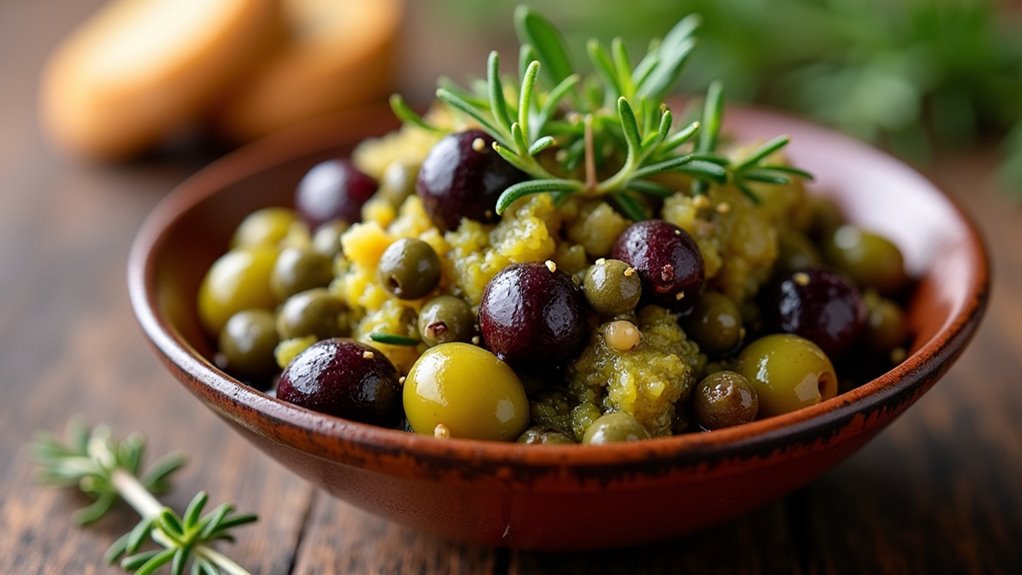
When it comes to entertaining, there’s nothing like serving light Mediterranean side dishes that make a lasting impression. From the refreshing taste of Tabbouleh Salad to the creamy goodness of Greek Tzatziki Sauce, these recipes bring vibrant flavors to your table. They’re not only delicious but also super easy to prepare ahead of time. I’m excited to share some of my favorites with you, starting with a classic that’s sure to steal the show.
Tabbouleh Salad
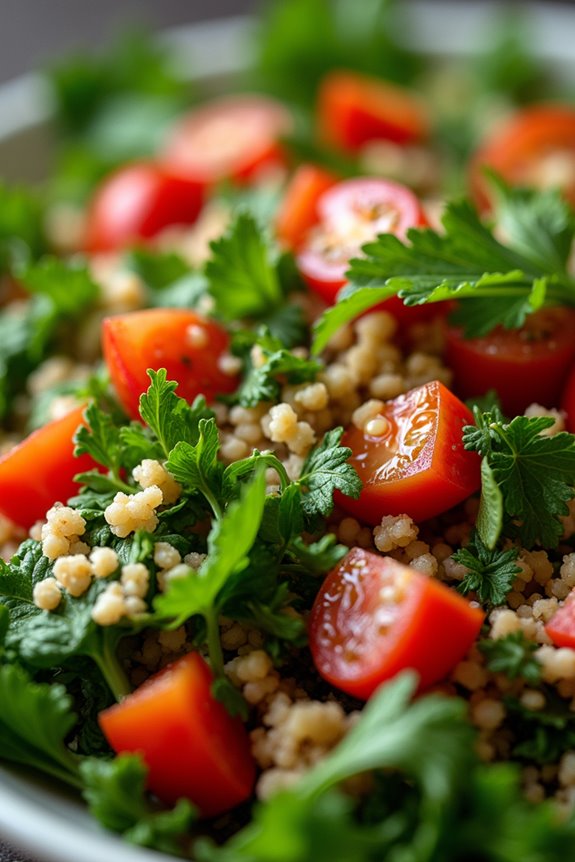
Tabbouleh Salad is a revitalizing and vibrant dish originating from the Levant region of the Mediterranean. This delicious salad primarily features finely chopped parsley, tomatoes, mint, onion, and soaked bulgur wheat, all dressed with a zesty mixture of olive oil and lemon juice.
Tabbouleh isn’t only a staple in Middle Eastern cuisine but also a wonderful accompaniment to various Mediterranean main courses, making it an ideal side dish for gatherings or any casual meal.
What makes Tabbouleh truly special is its versatility. You can adjust the ingredients according to your taste preferences and even add variations like diced cucumber or bell peppers for added crunch. The salad is packed with nutrients, making it a healthy choice that’s both light and satisfying.
Whether served alone or as part of a larger spread, Tabbouleh is sure to please your palate and impress your guests.
Ingredients for Tabbouleh Salad (Serves 4-6):
- 1 cup bulgur wheat
- 2 cups boiling water
- 1 teaspoon salt
- 2 cups finely chopped fresh parsley
- 1 cup diced tomatoes
- 1/2 cup finely chopped fresh mint leaves
- 1/2 cup finely chopped onion (preferably green onions)
- 1/4 cup fresh lemon juice
- 1/4 cup extra virgin olive oil
- Salt and pepper to taste
Cooking Instructions:
- Prepare the Bulgur Wheat: In a medium-sized bowl, combine the bulgur wheat and salt. Pour the boiling water over the bulgur, cover the bowl with a lid or plastic wrap, and let it sit for about 30 minutes, or until the bulgur is tender and has absorbed the water. Fluff the bulgur with a fork to separate the grains.
- Chop the Vegetables: While the bulgur is soaking, prepare the vegetables. Finely chop the parsley, tomatoes, mint leaves, and onion. It’s important to chop the parsley and mint as finely as possible for the best texture and flavor in the salad.
- Mix the Ingredients: In a large mixing bowl, combine the prepared bulgur wheat, chopped parsley, tomatoes, mint, and onion. Toss gently to make sure the ingredients are evenly distributed.
- Prepare the Dressing: In a small bowl, whisk together the fresh lemon juice, olive oil, and a pinch of salt and pepper. Adjust the seasoning according to your taste preference.
- Combine and Serve: Pour the dressing over the bulgur mixture and toss it all together until everything is well coated. Allow the salad to sit for 10-15 minutes to let the flavors meld together before serving.
Extra Tips:
To enhance the flavor of your Tabbouleh Salad, consider letting it chill in the refrigerator for about 30 minutes before serving. This will allow the ingredients to marinate and the flavors to develop even further.
Additionally, use fresh, high-quality ingredients, particularly for the herbs, as they’re the stars of this dish. Feel free to adjust the lemon juice and olive oil to suit your taste, and don’t hesitate to experiment with adding other ingredients like diced cucumbers or bell peppers for an extra crunch!
Greek Tzatziki Sauce
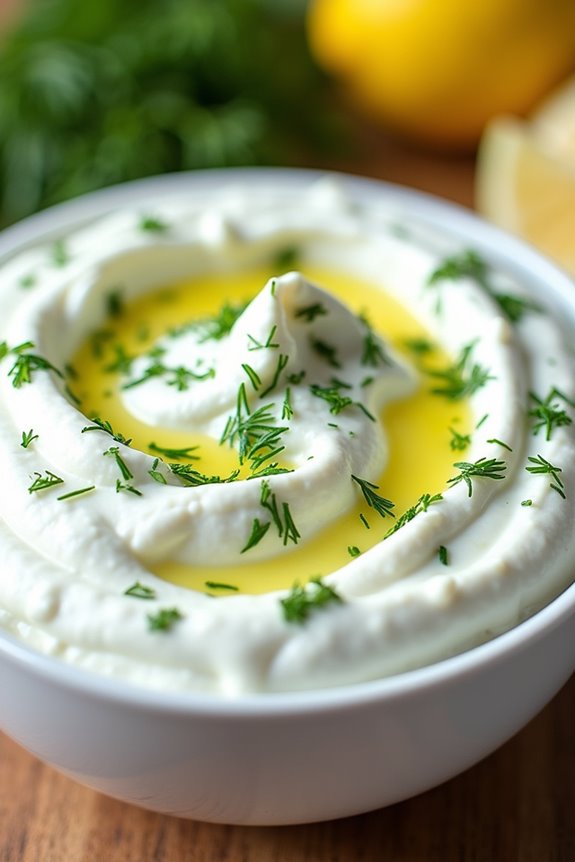
Greek Tzatziki Sauce is a revitalizing and versatile condiment that perfectly complements a variety of Mediterranean dishes. Made primarily from yogurt, cucumber, garlic, and herbs, this sauce is a staple in Greek cuisine. It serves not only as a dip for pita bread and vegetables but also as a flavorful topping for grilled meats, gyros, or falafel.
The creamy texture and tangy flavor make it a delightful addition to any meal, enhancing the overall dining experience with its cool and revitalizing profile.
Preparing Tzatziki is simple and requires minimal ingredients, making it an easy choice for both experienced cooks and beginners. The key to a great Tzatziki is using fresh ingredients and allowing the flavors to meld together. This sauce can be made ahead of time and stored in the refrigerator for a few days, making it an ideal preparation for gatherings or weeknight dinners.
Ingredients (Serves 4-6 people):
- 2 cups Greek yogurt
- 1 medium cucumber
- 2 cloves garlic, minced
- 1 tablespoon olive oil
- 1 tablespoon fresh lemon juice
- 1 tablespoon fresh dill, chopped (or 1 teaspoon dried dill)
- Salt and pepper, to taste
Cooking Instructions:
- Prepare the Cucumber: Start by washing the cucumber thoroughly. Using a box grater or food processor, grate the cucumber. Once grated, place the cucumber in a clean kitchen towel or cheesecloth and squeeze out as much excess moisture as possible. This step is essential to prevent your Tzatziki from becoming watery.
- Combine Ingredients: In a mixing bowl, add the Greek yogurt, minced garlic, olive oil, lemon juice, and chopped dill. Mix these ingredients together until they’re well combined. The yogurt will serve as the creamy base of your Tzatziki, while the garlic and dill will add robust flavor.
- Incorporate the Cucumber: Once the cucumber is well-drained, fold it into the yogurt mixture. Gently stir to combine, ensuring that the cucumber is evenly distributed throughout the sauce. This will give your Tzatziki its signature texture and flavor.
- Season to Taste: Add salt and pepper to the mixture according to your preference. Start with a pinch of salt and a few cracks of black pepper, then taste and adjust as necessary. This seasoning will help enhance the flavors of the sauce.
- Chill and Serve: Cover the bowl with plastic wrap or a lid and refrigerate the Tzatziki for at least 30 minutes before serving. This chilling time allows the flavors to meld together beautifully. When ready to serve, give it a quick stir and transfer it to a serving dish.
Extra Tips:
For an even more authentic flavor, consider using full-fat Greek yogurt, which will create a creamier texture. Additionally, if you want to enhance the flavor profile, you can add a touch of mint or a sprinkle of paprika on top before serving.
Tzatziki can be stored in an airtight container in the refrigerator for up to three days, but it’s best enjoyed fresh. If you plan to make it ahead of time, consider waiting to add salt until just before serving to maintain the ideal consistency.
Roasted Red Pepper Hummus
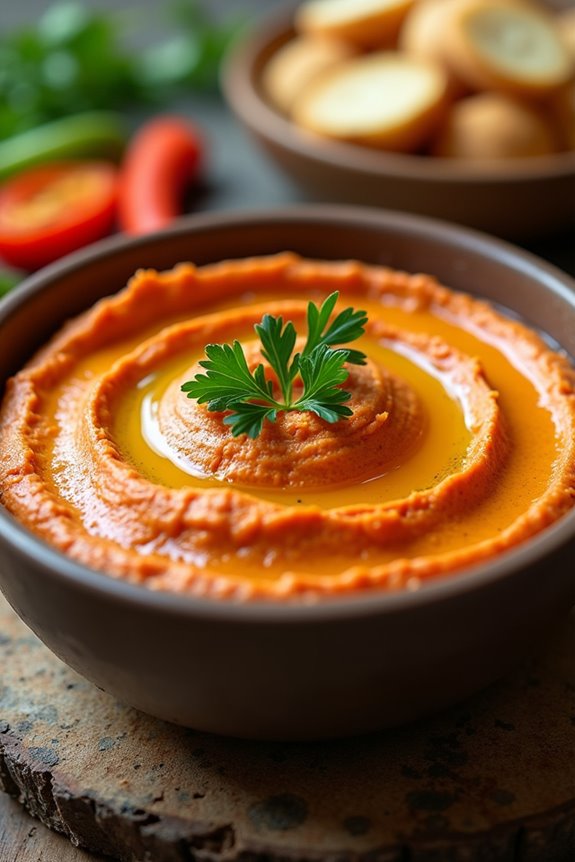
Roasted Red Pepper Hummus is a vibrant and flavorful dip that brings the essence of the Mediterranean to your table. This creamy blend of chickpeas, tahini, and roasted red peppers creates a deliciously smooth texture that pairs perfectly with pita bread, vegetable sticks, or even as a spread on sandwiches.
Not only is it a delightful addition to any meal, but it’s also packed with nutrients, making it a healthy option for snacking or entertaining.
Making Roasted Red Pepper Hummus is simple and can be completed in just a few minutes. With just a handful of ingredients and a food processor, you’ll have a stunning dish that’s bound to impress your guests.
Whether you’re hosting a gathering or preparing a weeknight dinner, this hummus will add a burst of flavor and color to your dining experience.
Ingredients (serving size: 4-6 people):
- 1 can (15 oz) chickpeas, drained and rinsed
- 1 cup roasted red peppers, chopped (jarred or homemade)
- 1/4 cup tahini
- 2 tablespoons olive oil
- 2 tablespoons lemon juice
- 1 clove garlic, minced
- 1/2 teaspoon ground cumin
- Salt and pepper to taste
- Water as needed for desired consistency
- Fresh parsley for garnish (optional)
Cooking Instructions:
- Prepare the Ingredients: Gather all your ingredients to guarantee a smooth cooking process. Drain and rinse the canned chickpeas under cold water. If you’re using jarred roasted red peppers, drain them as well and chop them into smaller pieces for easier blending.
- Blend the Base: In a food processor, combine the drained chickpeas, chopped roasted red peppers, tahini, olive oil, lemon juice, minced garlic, and ground cumin. This mixture forms the base of your hummus.
- Process Until Smooth: Secure the lid on the food processor and pulse the mixture for about 30 seconds. Then, turn it on and let it run for an additional minute or two until the hummus is smooth and creamy. If the mixture is too thick, add water, one tablespoon at a time, until you reach your desired consistency.
- Season to Taste: After achieving the desired texture, taste the hummus and add salt and pepper as needed. You can also adjust the lemon juice or garlic to suit your personal preference.
- Serve and Garnish: Once the hummus is well-seasoned, transfer it to a serving bowl. Drizzle with a little extra olive oil and sprinkle with fresh parsley if desired. Serve with pita bread, vegetable sticks, or crackers.
Extra Tips: For an extra depth of flavor, consider roasting your own red peppers. Simply char them over an open flame or in the oven until the skin is blistered, then let them cool and peel off the skin before chopping.
Additionally, feel free to experiment with adding spices like smoked paprika or cayenne pepper for a kick, or even incorporating other ingredients like sun-dried tomatoes for a unique twist. Enjoy your homemade Roasted Red Pepper Hummus!
Mediterranean Quinoa Salad
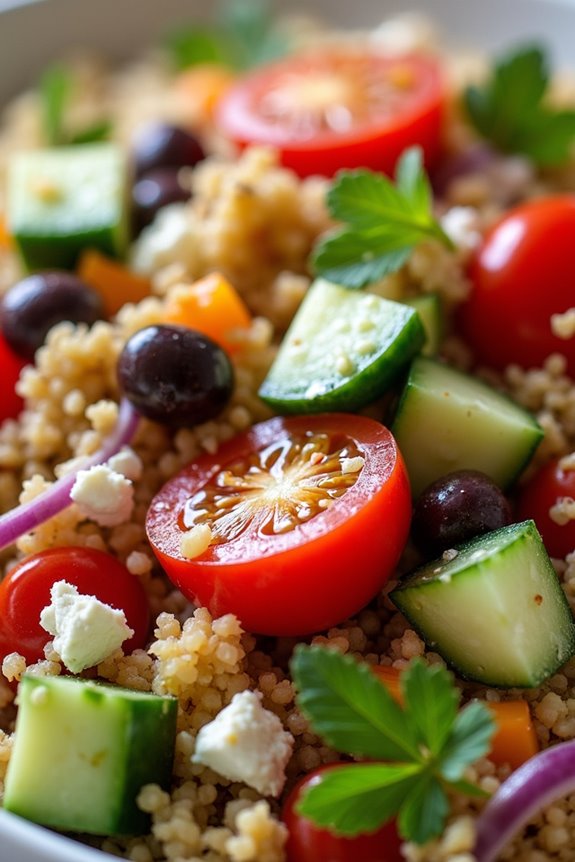
Mediterranean Quinoa Salad is a colorful and nutritious dish that beautifully combines the flavors of the Mediterranean region. This invigorating salad is packed with protein-rich quinoa, vibrant vegetables, and a zesty dressing that elevates its taste while keeping it light and healthy. Perfect as a side dish or a standalone meal, this salad isn’t only easy to prepare but also visually appealing, making it an ideal choice for gatherings or casual weeknight dinners.
The versatility of the Mediterranean Quinoa Salad allows for adaptations based on what ingredients you have on hand or personal preferences. You can include various vegetables, herbs, and even proteins like grilled chicken or chickpeas to make it more substantial. The dressing, typically made from olive oil, lemon juice, and herbs, offers a bright and tangy finish that ties all the components together harmoniously.
Ingredients (serves 4-6):
- 1 cup quinoa
- 2 cups water or vegetable broth
- 1 cup cherry tomatoes, halved
- 1 cucumber, diced
- 1 bell pepper (red or yellow), diced
- 1/2 red onion, finely chopped
- 1/2 cup Kalamata olives, pitted and sliced
- 1/2 cup feta cheese, crumbled
- 1/4 cup fresh parsley, chopped
- 1/4 cup fresh mint, chopped
- 1/4 cup olive oil
- 3 tablespoons lemon juice
- Salt and pepper to taste
Cooking Instructions:
- Rinse the Quinoa: Start by rinsing the quinoa under cold water in a fine mesh strainer. This step helps to remove the natural coating called saponin, which can give quinoa a bitter taste. Rinse thoroughly until the water runs clear.
- Cook the Quinoa: In a medium saucepan, combine the rinsed quinoa and water (or vegetable broth) and bring to a boil over medium-high heat. Once boiling, reduce the heat to low, cover the saucepan, and let it simmer for about 15 minutes, or until all the liquid has been absorbed. Remove the saucepan from heat and let the quinoa sit, covered, for an additional 5 minutes. Fluff with a fork once done.
- Prepare the Vegetables: While the quinoa is cooking, chop the cherry tomatoes, cucumber, bell pepper, and red onion into bite-sized pieces. Slice the Kalamata olives and crumble the feta cheese. Set aside all the prepared ingredients.
- Make the Dressing: In a small bowl, whisk together the olive oil, lemon juice, salt, and pepper until well combined. This dressing will add a fresh and tangy flavor to the salad.
- Combine Ingredients: In a large mixing bowl, combine the fluffed quinoa, chopped vegetables, olives, feta cheese, parsley, and mint. Pour the dressing over the salad and toss gently until everything is evenly coated.
- Adjust Seasoning: Taste the salad and adjust the seasoning with additional salt and pepper if necessary. If you prefer a more tangy flavor, add a bit more lemon juice.
- Chill and Serve: For the best flavor, let the salad chill in the refrigerator for at least 30 minutes before serving. This allows the flavors to meld together beautifully.
Extra Tips:
For added protein, consider mixing in grilled chicken or chickpeas to the Mediterranean Quinoa Salad. You can also customize the vegetables based on seasonal availability or personal preference; roasted veggies can add a different texture and flavor profile.
If you prefer a creamier salad, try mixing in some Greek yogurt with the dressing. Ultimately, this salad can be made ahead of time and stored in the fridge for up to 3 days, making it perfect for meal prep or quick lunches throughout the week.
Stuffed Grape Leaves (Dolmas)
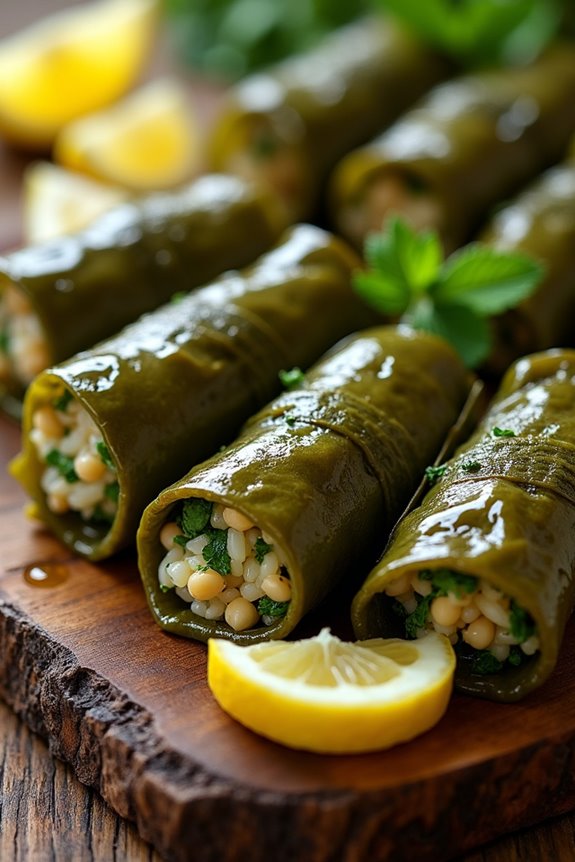
Stuffed Grape Leaves, commonly known as Dolmas, are a classic dish from Mediterranean cuisine that brings a burst of flavor to any meal. These delightful little parcels are made by encasing a savory filling of rice, herbs, and spices in tender grape leaves. Traditionally served as an appetizer or side dish, they’re often enjoyed with a squeeze of lemon or a dollop of yogurt. The combination of aromatic spices and the tangy taste of the grape leaves creates a delicious experience that’s both comforting and invigorating.
Making Dolmas at home may seem intimidating at first, but with a little practice, you can master the art of rolling these delightful bites. The key to flavorful Dolmas lies in the filling, which can be customized to suit your taste preferences. Whether you prefer a vegetarian version or want to add minced meat, the possibilities are endless. Serve them warm or at room temperature, and watch as they quickly disappear from your table!
Ingredients (Serving Size: 4-6 people)
- 1 jar (16 oz) grape leaves, drained and rinsed
- 1 cup uncooked long-grain rice
- 1 medium onion, finely chopped
- 2 cloves garlic, minced
- 1 cup fresh parsley, chopped
- 1/2 cup fresh mint, chopped
- 1/4 cup pine nuts (optional)
- 1 teaspoon ground cinnamon
- 1 teaspoon salt
- 1/2 teaspoon black pepper
- 1/4 cup olive oil, plus more for drizzling
- 2 cups vegetable broth or chicken broth
- Juice of 1 lemon (plus lemon wedges for serving)
Cooking Instructions
- Prepare the Filling: In a large skillet, heat 2 tablespoons of olive oil over medium heat. Add the chopped onion and garlic, sautéing until they’re soft and fragrant, about 5 minutes. Stir in the rice and cook for another 2-3 minutes until the rice is slightly translucent. Remove from heat and allow to cool slightly.
- Mix Ingredients: In a large mixing bowl, combine the sautéed onion and rice mixture with the parsley, mint, pine nuts, cinnamon, salt, and black pepper. Add the juice of one lemon and mix well to guarantee all ingredients are evenly distributed.
- Prepare the Grape Leaves: Lay a grape leaf vein-side up on a clean surface. Place about 1 tablespoon of the filling at the base of the leaf. Fold the sides over the filling and roll it up tightly from the base to the tip, creating a small packet. Repeat with the remaining leaves and filling.
- Arrange in Pot: Place a few unused grape leaves on the bottom of a large pot to prevent sticking. Arrange the stuffed grape leaves seam-side down in the pot, packing them tightly together. Drizzle with additional olive oil and pour the vegetable or chicken broth over the top, making sure the leaves are mostly submerged.
- Cook the Dolmas: Cover the pot with a lid and bring the broth to a gentle simmer over medium heat. Once simmering, reduce the heat to low and let them cook for about 30-40 minutes, or until the rice is tender and the grape leaves are soft.
- Serve: Carefully remove the Dolmas from the pot with a slotted spoon. Serve warm or at room temperature with lemon wedges and a drizzle of olive oil on top.
Extra Tips
When making Stuffed Grape Leaves, be sure to choose tender and young grape leaves for the best flavor and texture. If you can’t find jarred grape leaves, you can use fresh leaves; blanch them in boiling water for a minute to soften.
Additionally, for a heartier filling, you can add ground meat such as lamb or beef to the rice mixture. Don’t hesitate to experiment with different herbs and spices to create your unique version of Dolmas!
Eggplant Baba Ganoush

Eggplant Baba Ganoush is a smoky, creamy dip that hails from the Mediterranean region, particularly popular in Middle Eastern cuisine. This delightful dish is made primarily from roasted eggplants, which contribute to its rich flavor and velvety texture. The combination of tahini, garlic, lemon juice, and olive oil enhances the taste, making it a perfect accompaniment to pita bread, fresh vegetables, or even as a spread in sandwiches.
Making Baba Ganoush isn’t only straightforward but also a great way to impress guests at gatherings or family dinners. The key to achieving the best flavor lies in roasting the eggplants until they’re tender and charred, which adds that signature smokiness. Once prepared, this dish can be served warm or cold, offering versatility that’s highly appreciated in Mediterranean cuisine.
Ingredients (serving size: 4-6 people)
- 2 large eggplants
- 1/4 cup tahini
- 3 tablespoons olive oil, plus extra for drizzling
- 2 cloves garlic, minced
- 2 tablespoons fresh lemon juice
- Salt, to taste
- 1/4 teaspoon ground cumin (optional)
- Fresh parsley, for garnish
- Pita bread or vegetable sticks, for serving
Cooking Instructions
- Roast the Eggplants: Preheat your oven to 400°F (200°C). Prick the eggplants several times with a fork to allow steam to escape. Place them on a baking sheet and roast for about 35-40 minutes, or until the skin is charred and the flesh is soft. You can also grill the eggplants for a smokier flavor.
- Cool and Scoop: Once roasted, remove the eggplants from the oven and let them cool for about 10 minutes. When they’re cool enough to handle, cut them in half lengthwise and scoop out the soft flesh into a mixing bowl, discarding the skin.
- Blend the Ingredients: To the bowl with the eggplant flesh, add tahini, olive oil, minced garlic, lemon juice, salt, and ground cumin (if using). Using a fork or a food processor, blend the mixture until smooth and creamy. Adjust the seasoning according to your preference.
- Serve: Transfer the Baba Ganoush to a serving bowl. Drizzle some olive oil on top and garnish with freshly chopped parsley. Serve immediately with pita bread or vegetable sticks, or refrigerate for a few hours to let the flavors meld.
Extra Tips
For an even deeper smoky flavor, you can grill the eggplants over an open flame or on a grill rather than roasting them in the oven. Additionally, you can customize your Baba Ganoush by adding roasted red peppers or spices like smoked paprika for a unique twist.
Always taste and adjust the seasoning before serving, as fresh ingredients can vary in flavor intensity. Enjoy this delicious dip as part of a mezze platter or as a standalone snack!
Chickpea Salad With Lemon and Parsley
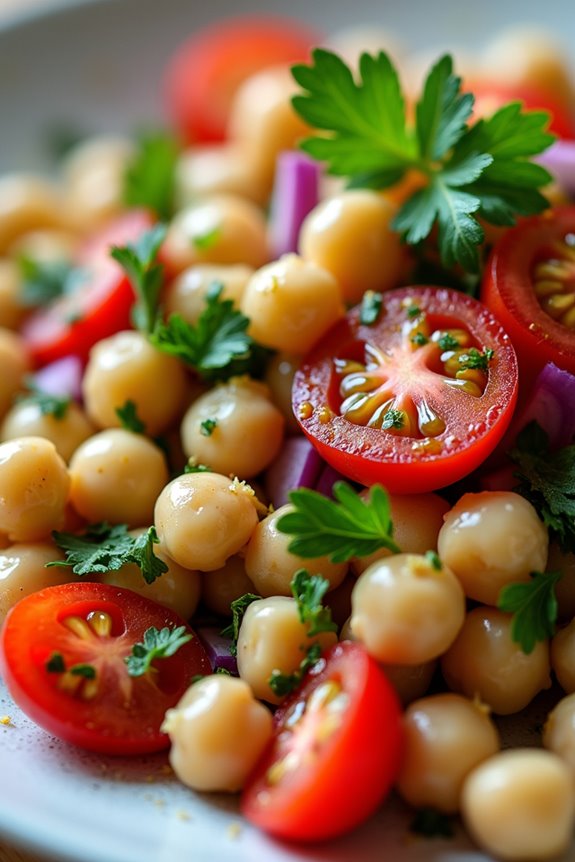
Chickpea Salad with Lemon and Parsley is a revitalizing and nutritious side dish that perfectly complements any Mediterranean meal. This salad bursts with flavor, thanks to the bright notes of lemon juice and the fresh, vibrant taste of parsley. It’s not only quick and easy to prepare but also packed with protein and fiber, making it an excellent choice for both vegetarians and meat-lovers alike.
Whether you’re hosting a summer barbecue or simply looking for a light and healthy addition to your dinner table, this chickpea salad is sure to impress.
This delightful salad can be made in advance, allowing the flavors to meld together beautifully. It’s versatile enough to be adapted based on your preferences—feel free to add other ingredients like diced cucumbers or bell peppers for extra crunch. The combination of creamy chickpeas and zesty lemon dressing creates a satisfying dish that can be served as a side or even as a light lunch on its own.
Ingredients (serves 4-6):
- 2 cans (15 oz each) of chickpeas, drained and rinsed
- 1 cup fresh parsley, finely chopped
- 1/2 cup red onion, finely chopped
- 1/2 cup cherry tomatoes, halved
- 1/4 cup olive oil
- 2 tablespoons lemon juice (freshly squeezed)
- 1 teaspoon lemon zest
- Salt and pepper to taste
Cooking Instructions:
- Prepare the Chickpeas: Start by draining and rinsing the canned chickpeas under cold water. This helps to remove excess sodium and gives a fresher flavor. After rinsing, place the chickpeas in a large mixing bowl.
- Chop the Vegetables: Finely chop the fresh parsley and red onion. Halve the cherry tomatoes. Confirm all the vegetables are cut consistently to enhance the overall texture of the salad. Add these chopped ingredients to the bowl with the chickpeas.
- Make the Dressing: In a separate small bowl, whisk together the olive oil, lemon juice, lemon zest, salt, and pepper. This dressing will bring together all the flavors of the salad. Taste the dressing and adjust seasoning if necessary to your liking.
- Combine Ingredients: Pour the dressing over the chickpea and vegetable mixture in the large bowl. Gently toss all the ingredients together until everything is evenly coated in the dressing. Be careful not to mash the chickpeas while mixing.
- Chill and Serve: Allow the salad to sit for at least 15 minutes at room temperature or refrigerate for up to an hour before serving. This resting period helps the flavors to develop and intensify. Serve chilled or at room temperature as a side dish.
Extra Tips: To elevate your Chickpea Salad with Lemon and Parsley, consider adding crumbled feta cheese or diced avocados for creaminess. If you prefer a little heat, a pinch of red pepper flakes can add a nice kick.
Additionally, this salad keeps well in the refrigerator for a couple of days, making it a great option for meal prepping. Just give it a good stir before serving to redistribute the dressing.
Fattoush Salad
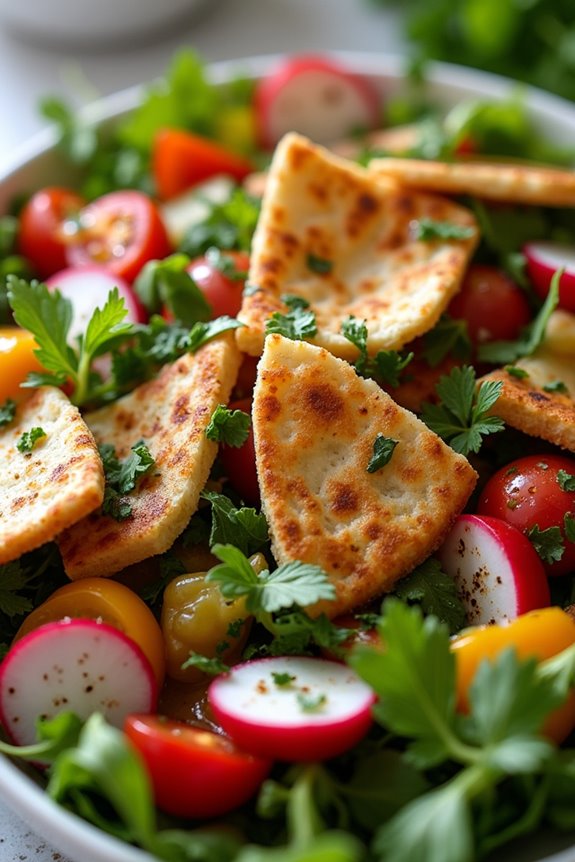
Fattoush salad is a vibrant and invigorating Lebanese dish that celebrates the bountiful flavors of the Mediterranean. This salad combines crisp vegetables with fried pieces of pita bread, all dressed in a tangy lemon and sumac vinaigrette. Known for its delightful crunch and a burst of fresh flavors, Fattoush isn’t only a perfect side dish but can also stand on its own as a light meal.
Its colorful presentation makes it a feast for the eyes, while the combination of herbs and spices adds layers of flavor that are both exciting and satisfying. This salad traditionally utilizes leftover pita bread, giving it a rustic charm that’s both resourceful and delicious.
Fattoush can be easily customized with seasonal vegetables and herbs, allowing you to adapt it based on what you have on hand. Whether served at a summer barbeque or as part of a Mediterranean feast, Fattoush salad is sure to impress your guests and leave them craving more.
Ingredients (Serves 4-6):
- 4 cups mixed greens (e.g., romaine, arugula, or spinach)
- 1 cucumber, diced
- 2 medium tomatoes, diced
- 1 bell pepper (red or yellow), diced
- 1 radish, thinly sliced
- 1 small red onion, thinly sliced
- 1 cup parsley, chopped
- 1 cup mint leaves, chopped
- 2-3 pieces of pita bread, toasted and broken into pieces
- 1/4 cup olive oil
- 2 tablespoons lemon juice
- 1 tablespoon sumac
- Salt and pepper to taste
Cooking Instructions:
- Prepare the Vegetables: Start by washing and prepping your vegetables. Dice the cucumber and tomatoes into bite-sized pieces, and slice the bell pepper, radish, and red onion thinly. Chop the parsley and mint. This step guarantees that all ingredients are ready to combine, enhancing the freshness of the salad.
- Toast the Pita Bread: Preheat your oven to 375°F (190°C). Place the pita bread on a baking sheet and toast in the oven for about 5-7 minutes, or until golden and crispy. Once done, remove from the oven and let it cool slightly before breaking it into bite-sized pieces. Toasting the bread adds a delightful crunch to the salad.
- Mix the Salad: In a large bowl, combine the mixed greens, diced cucumber, tomatoes, bell pepper, radish, red onion, parsley, and mint. Toss gently to mix the ingredients evenly. The variety of colors and textures will make your salad visually appealing.
- Prepare the Dressing: In a small bowl, whisk together the olive oil, lemon juice, sumac, salt, and pepper until well combined. This dressing is what brings all the flavors together, so be sure to whisk until it’s emulsified.
- Combine Everything: Drizzle the dressing over the salad mixture and toss gently to guarantee all the ingredients are coated evenly. Add the toasted pita pieces just before serving to maintain their crispiness. This step is essential as it prevents the pita from becoming soggy.
- Serve: Transfer the salad to a serving platter or bowl and enjoy immediately. For an extra touch, you can sprinkle a bit more sumac on top before serving for added flavor.
Extra Tips:
For an even more authentic flavor, consider adding a sprinkle of pomegranate seeds or a few slices of radish for a pop of color and crunch. If you like your salad with a bit more zing, adjust the amount of lemon juice and sumac to suit your taste.
Additionally, Fattoush salad can be made ahead of time; just keep the dressing and pita separate until you’re ready to serve to guarantee freshness. Enjoy this delicious dish with grilled meats or as a stand-alone delight!
Caprese Skewers With Balsamic Glaze
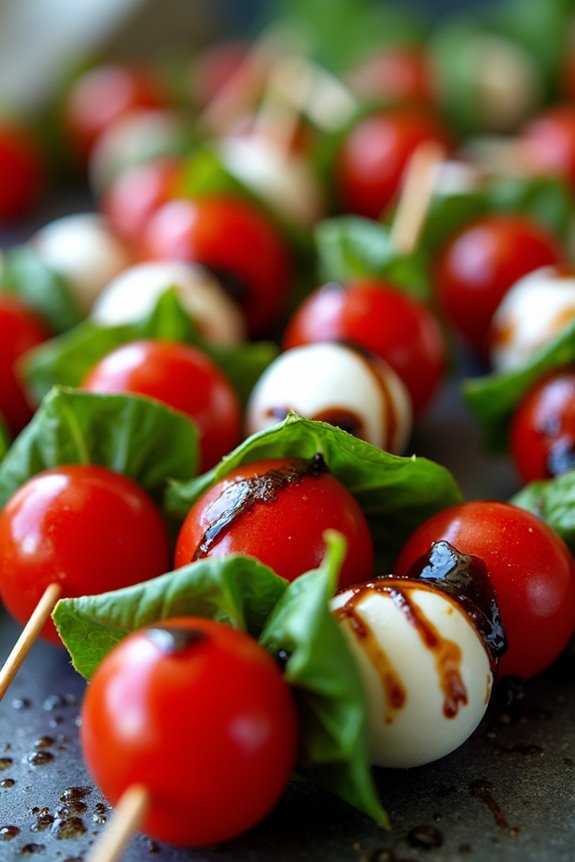
Caprese Skewers with Balsamic Glaze are a delightful and visually appealing Mediterranean side dish that captures the essence of fresh Italian ingredients. These skewers combine the classic flavors of ripe tomatoes, creamy mozzarella, and fragrant basil, making them a perfect appetizer for any gathering or a revitalizing side dish for a summer meal.
The addition of a sweet and tangy balsamic glaze elevates these skewers, providing a delicious contrast that enhances the natural flavors of the ingredients. This dish isn’t only simple to prepare but also encourages a sense of creativity in presentation. You can customize the size and arrangement of the skewers to suit your personal taste or the occasion.
Whether served at a picnic, a barbecue, or a fancy dinner party, Caprese Skewers with Balsamic Glaze will surely impress your guests and leave them wanting more.
Ingredients (Serves 4-6)
- 1 pint cherry tomatoes
- 8 ounces fresh mozzarella balls (bocconcini)
- Fresh basil leaves
- Salt and pepper to taste
- 1 cup balsamic vinegar
- 2 tablespoons olive oil
- Skewers (wooden or metal)
Instructions
1. Prepare the Balsamic Glaze: In a small saucepan, pour the balsamic vinegar and bring it to a gentle boil over medium heat. Reduce the heat to low and let it simmer, stirring occasionally, until it thickens and reduces to about half its original volume, which usually takes about 10-15 minutes.
Once thickened, remove from heat and let it cool.
2. Assemble the Skewers: Start by taking a skewer and threading a cherry tomato onto it, followed by a fresh basil leaf, and then a mozzarella ball. Repeat this pattern until the skewer is filled, leaving a little space at the ends for easy handling.
You can typically fit 3-4 sets of tomatoes, basil, and mozzarella on each skewer.
3. Season the Skewers: Once all the skewers are assembled, lightly drizzle them with olive oil and sprinkle with salt and pepper to enhance the flavors.
4. Drizzle with Balsamic Glaze: Just before serving, generously drizzle the cooled balsamic glaze over the skewers for added flavor and beautiful presentation.
5. Serve: Arrange the skewers on a serving platter and enjoy fresh. They can be served immediately or kept chilled until ready to serve.
Extra Tips
For the best flavor, choose ripe cherry tomatoes and high-quality fresh mozzarella. If you’re preparing these skewers ahead of time, assemble them without the balsamic glaze and olive oil, and store them in the refrigerator.
Drizzle the glaze on just before serving to maintain the freshness of the ingredients. You can also add other ingredients, such as prosciutto or olives, for a twist on the classic recipe. Enjoy your Caprese Skewers with Balsamic Glaze!
Spanakopita (Spinach Pie)
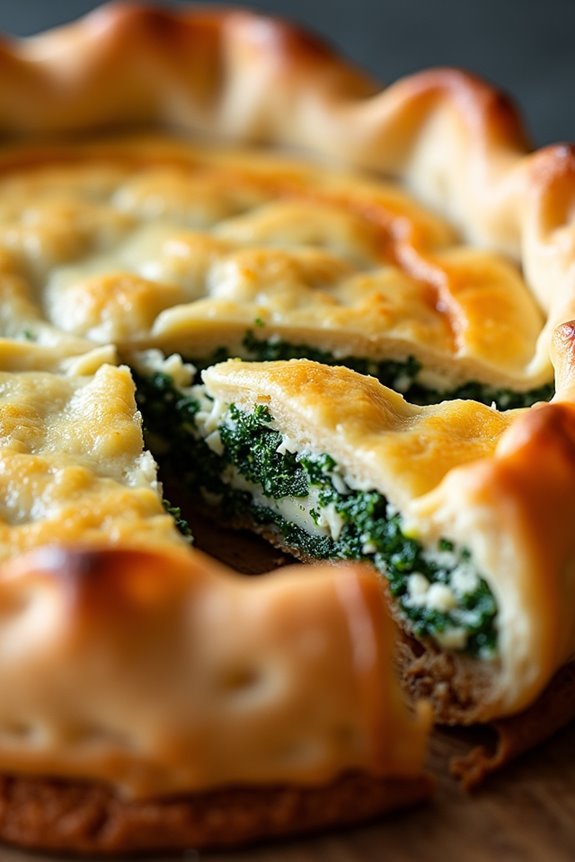
Spanakopita is a delightful Greek dish that showcases the flavors of fresh spinach, herbs, and feta cheese, all enveloped in flaky layers of phyllo pastry. This savory pie isn’t only a staple in Mediterranean cuisine but also a versatile dish that can be served as an appetizer, side dish, or even a light main course.
The combination of buttery, crispy pastry and a rich, creamy filling creates a harmonious blend that’s sure to satisfy your taste buds.
While the traditional spanakopita is made with spinach, you can easily customize it by adding other ingredients like leeks or additional herbs. This dish is perfect for gatherings, as it can be made ahead of time and served warm or at room temperature.
Whether you’re hosting a dinner party or simply craving a comforting meal, spanakopita is a fantastic option that transports you straight to the sun-soaked shores of the Mediterranean.
Ingredients (Serves 4-6)
- 1 pound fresh spinach, cleaned and chopped
- 1 medium onion, finely chopped
- 2 cloves garlic, minced
- 1 cup feta cheese, crumbled
- 1/2 cup ricotta cheese
- 1/4 cup fresh dill, chopped (or 1 tablespoon dried dill)
- 1/4 cup fresh parsley, chopped
- 1/4 teaspoon black pepper
- 1/4 teaspoon salt
- 1 package (16 oz) phyllo pastry, thawed
- 1/2 cup unsalted butter, melted
- 1 egg, beaten (for egg wash)
Cooking Instructions
1. Prepare the Filling: In a large skillet, heat a tablespoon of olive oil over medium heat. Add the chopped onion and sauté until translucent, about 5 minutes.
Stir in the minced garlic and cook for an additional minute until fragrant. Add the chopped spinach to the skillet and cook until wilted, about 3-4 minutes. Remove from heat and let cool slightly.
2. Mix the Cheese: In a mixing bowl, combine the crumbled feta cheese, ricotta cheese, chopped dill, parsley, black pepper, and salt.
Once the spinach mixture has cooled, add it to the cheese mixture and stir until well combined. Set aside.
3. Prepare the Phyllo Dough: Preheat your oven to 375°F (190°C). On a clean surface, lay out the phyllo pastry and cover it with a damp cloth to prevent it from drying out.
Take one sheet of phyllo and brush it lightly with melted butter. Layer another sheet on top and repeat until you have about 6 sheets layered together.
4. Assemble the Spanakopita: Place a portion of the spinach and cheese filling along one edge of the phyllo dough.
Fold the sides over the filling and roll it up tightly to form a log shape. Place the rolled spanakopita seam-side down on a baking sheet lined with parchment paper. Repeat the process with the remaining phyllo and filling, brushing each layer with butter.
5. Bake the Spanakopita: Once all the rolls are assembled, brush the tops with the beaten egg for a golden finish.
Bake in the preheated oven for 30-40 minutes or until the pastry is golden brown and crispy. Remove from the oven and let cool for a few minutes before slicing.
6. Serve and Enjoy: Cut the spanakopita into triangles or squares and serve warm or at room temperature. Enjoy your delicious homemade spinach pie!
Extra Tips
When working with phyllo pastry, it’s essential to keep it covered with a damp cloth as it can dry out quickly.
If you’re feeling adventurous, consider adding pine nuts or sautéed mushrooms to the filling for added texture and flavor. Spanakopita can also be frozen before baking; simply wrap tightly in plastic wrap and foil, then bake directly from the freezer, adding a few extra minutes to the baking time.
Enjoy your culinary journey through the Mediterranean!
Grilled Vegetable Platter
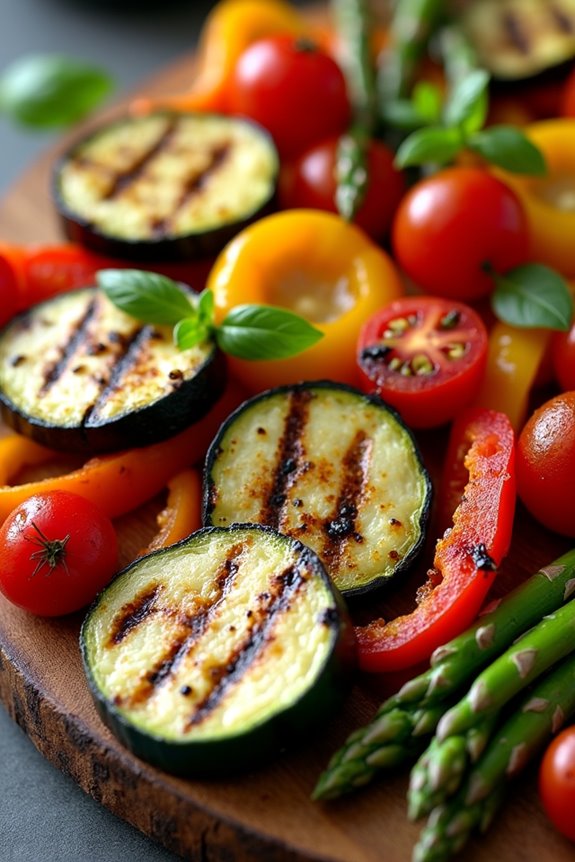
A Grilled Vegetable Platter is a vibrant and healthy Mediterranean side dish that celebrates the robust flavors of seasonal vegetables. This dish not only adds a burst of color to your table but also brings a smoky and charred essence that enhances the natural sweetness of the vegetables.
Grilling vegetables is a simple yet effective method to elevate their taste while keeping the preparation straightforward and quick. Ideal for summer barbecues or as a complement to your favorite grilled meats, this platter is sure to impress your guests with its appealing presentation and delicious flavors.
To create a beautiful Grilled Vegetable Platter, you can mix and match different types of vegetables based on your preferences and what’s in season. Common choices include zucchini, bell peppers, eggplant, and asparagus, but feel free to experiment with other varieties like mushrooms or cherry tomatoes.
The key to a successful grilled vegetable platter is guaranteeing that each vegetable is cut uniformly so they cook evenly and are seasoned well to enhance their natural flavors.
Ingredients (Serves 4-6):
- 2 medium zucchinis
- 2 bell peppers (red, yellow, or orange)
- 1 medium eggplant
- 1 bunch asparagus
- 1 cup cherry tomatoes
- 4 tablespoons olive oil
- 2 teaspoons balsamic vinegar
- 2 cloves garlic, minced
- Salt and pepper to taste
- Fresh basil or parsley for garnish (optional)
Cooking Instructions:
1. Prepare the Vegetables:
Start by washing all the vegetables thoroughly. Cut the zucchinis into thick rounds, the bell peppers into quarters, and the eggplant into slices about ½ inch thick. Trim the woody ends off the asparagus, and leave the cherry tomatoes whole.
This uniformity in size helps guarantee even cooking.
2. Marinate the Vegetables:
In a large bowl, combine the olive oil, balsamic vinegar, minced garlic, salt, and pepper. Add the prepared vegetables to the bowl and toss well until they’re evenly coated with the marinade.
Allow them to marinate for at least 15 minutes at room temperature to absorb the flavors.
3. Preheat the Grill:
While the vegetables are marinating, preheat your grill to medium-high heat. If you’re using a grill pan, place it on the stove over medium-high heat. You want the grill to be hot enough to create nice grill marks and to cook the vegetables quickly.
4. Grill the Vegetables:
Once the grill is ready, add the marinated vegetables. Place the zucchini, bell peppers, and eggplant directly on the grill, and arrange the asparagus and cherry tomatoes on a grill basket or skewers for easier handling.
Grill the vegetables for about 4-6 minutes on each side, or until they’re tender and have nice grill marks. Keep an eye on them to prevent overcooking.
5. Serve:
Once the vegetables are grilled to perfection, remove them from the grill and arrange them artistically on a serving platter. Drizzle with any remaining marinade and garnish with fresh basil or parsley if desired.
Serve warm as a delightful side dish.
Extra Tips:
To enhance the flavors even further, consider adding a sprinkle of crumbled feta cheese or a squeeze of lemon juice just before serving.
Also, grilling the vegetables in small batches can help maintain the heat of the grill, guaranteeing that each piece gets that perfect char without steaming.
Feel free to experiment with different herbs and spices in the marinade to customize the flavors to your liking. Enjoy your Grilled Vegetable Platter as part of a larger Mediterranean feast!
Cucumber and Tomato Salad
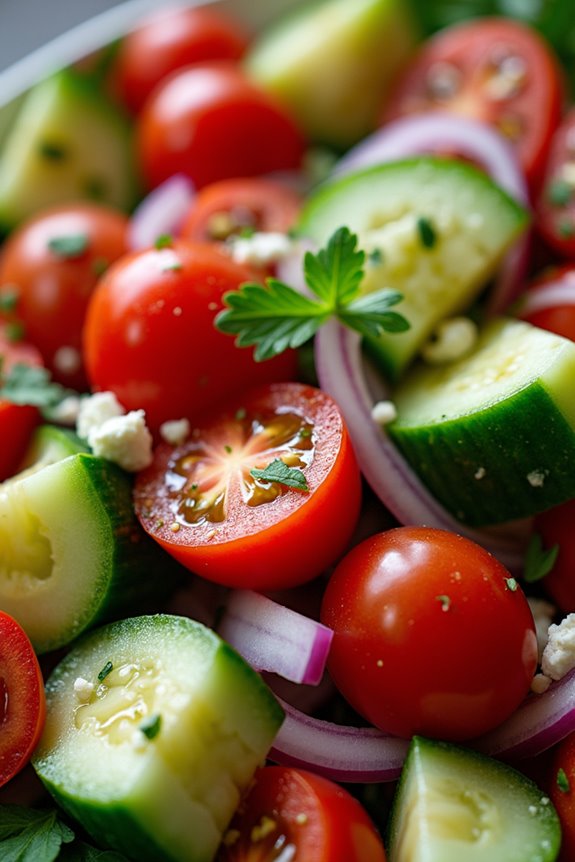
Cucumber and Tomato Salad is a revitalizing and vibrant Mediterranean side dish that brings together the crispness of cucumbers and the juiciness of ripe tomatoes. This salad isn’t only easy to prepare but also packs a punch of flavor and nutrition, making it an ideal accompaniment to grilled meats or seafood.
With its bright colors and fresh ingredients, it’s perfect for summer gatherings or any occasion where you want to impress your guests with a light yet satisfying dish.
In addition to being a treat for the taste buds, this salad is highly versatile. You can customize it by adding various herbs and spices according to your preference. Whether you’re enjoying a casual family dinner or hosting a festive celebration, Cucumber and Tomato Salad will surely be a hit.
Let’s explore the ingredients and how to prepare this delightful dish!
Ingredients (Serves 4-6):
- 4 ripe tomatoes
- 2 medium cucumbers
- 1 small red onion
- 1 bell pepper (any color)
- 1/4 cup fresh parsley, chopped
- 1/4 cup olive oil
- 2 tablespoons red wine vinegar
- Salt and pepper to taste
- Feta cheese (optional)
Cooking Instructions:
- Prepare the Vegetables: Begin by washing the tomatoes, cucumbers, and bell pepper thoroughly under cold water. Cut the tomatoes into wedges, the cucumbers into half-moons or rounds, and the bell pepper into bite-sized pieces. Finely slice the red onion.
- Combine Ingredients: In a large mixing bowl, combine the chopped tomatoes, cucumbers, red onion, and bell pepper. Add the freshly chopped parsley to the bowl, which will add a burst of flavor and a pop of color to your salad.
- Prepare the Dressing: In a separate small bowl, whisk together the olive oil and red wine vinegar. Season the dressing with salt and pepper to taste. This simple dressing enhances the natural flavors of the vegetables without overpowering them.
- Dress the Salad: Pour the dressing over the vegetable mixture in the large bowl. Gently toss everything together until the vegetables are evenly coated with the dressing. Be careful not to mash the tomatoes while mixing.
- Serve: If desired, crumble feta cheese over the top of the salad for added richness and flavor. Allow the salad to sit for about 10 minutes before serving to let the flavors meld together, or serve immediately for a crunchier texture.
Extra Tips:
For a delightful twist, consider adding other ingredients such as olives or avocado for extra flavor and creaminess. You may also substitute lemon juice for red wine vinegar for a zesty kick.
Make sure to taste the salad before serving, as adjusting the seasoning can elevate the dish. Enjoy the freshness of this salad as it pairs wonderfully with grilled dishes, making it a staple in Mediterranean cuisine!
Olive Tapenade
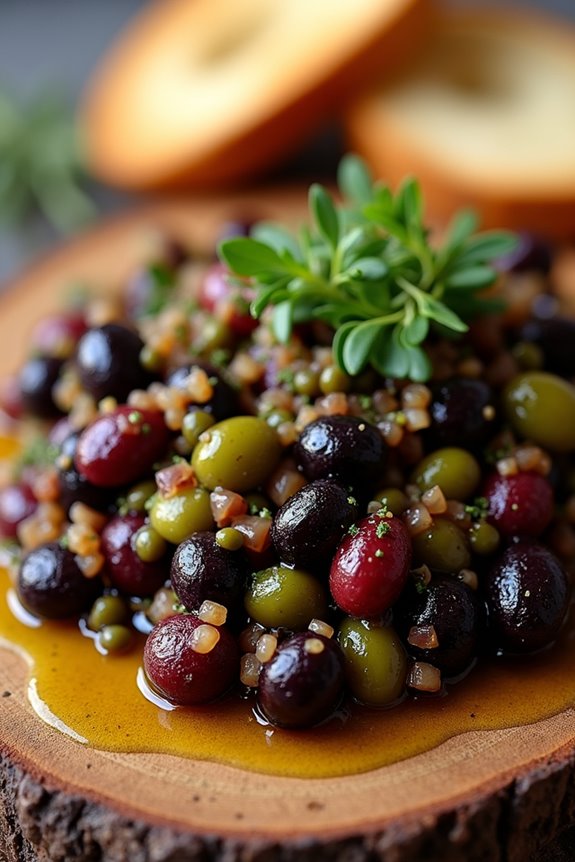
Olive tapenade is a quintessential Mediterranean side dish that bursts with flavor and is remarkably simple to prepare. This versatile spread, originating from the south of France, combines a medley of olives, capers, and aromatic herbs, making it a perfect accompaniment to crusty bread, grilled meats, or fresh vegetables.
Whether served at a gathering or as an everyday snack, olive tapenade is sure to impress with its rich taste and vibrant color.
Making olive tapenade isn’t only quick but also allows for personal creativity in choosing ingredients. You can experiment with different types of olives, such as Kalamata, green olives, or even the addition of sun-dried tomatoes for an extra layer of flavor.
This dish isn’t just limited to being a dip; it can also be used as a condiment for sandwiches or as a topping for bruschetta, making it a truly versatile addition to your culinary repertoire.
Ingredients (Serves 4-6)
- 1 cup pitted Kalamata olives
- 1 cup pitted green olives
- 2 tablespoons capers, rinsed and drained
- 2 cloves garlic, minced
- 1/4 cup olive oil
- 1 tablespoon fresh lemon juice
- 1 teaspoon fresh thyme leaves (or 1/2 teaspoon dried thyme)
- Salt and pepper, to taste
Cooking Instructions
- Prepare the Ingredients: Start by gathering all your ingredients. Make sure the olives are pitted and rinsed to remove any excess brine. Mince the garlic and measure out the olive oil, lemon juice, and thyme. Having everything ready will streamline the process.
- Combine the Ingredients: In a food processor, add the Kalamata olives, green olives, capers, and minced garlic. Pulse the mixture a few times until the olives are coarsely chopped, but be careful not to over-process; you want some texture in your tapenade.
- Add the Olive Oil and Seasoning: With the food processor running, slowly drizzle in the olive oil. This will help to emulsify the tapenade, making it creamy yet still chunky. Add the lemon juice and thyme, then season with salt and pepper to taste. Pulse a couple more times until everything is well combined.
- Taste and Adjust: Before finishing, taste your tapenade. You can adjust the flavors by adding more lemon juice for acidity, more olive oil for creaminess, or additional salt and pepper as needed.
- Chill and Serve: Transfer the tapenade to a serving bowl and, if time allows, let it chill in the refrigerator for at least 30 minutes. This resting period allows the flavors to meld beautifully. Serve with crusty bread, crackers, or as a topping for meats and vegetables.
Extra Tips
When preparing olive tapenade, feel free to experiment with different herbs and spices to suit your palate. Fresh basil or parsley can add a revitalizing twist, while a pinch of red pepper flakes can bring a bit of heat.
If you’re using jarred olives, opt for high-quality ones for the best flavor. Ultimately, tapenade can be stored in an airtight container in the refrigerator for up to a week, making it a great make-ahead option for parties or gatherings!
