

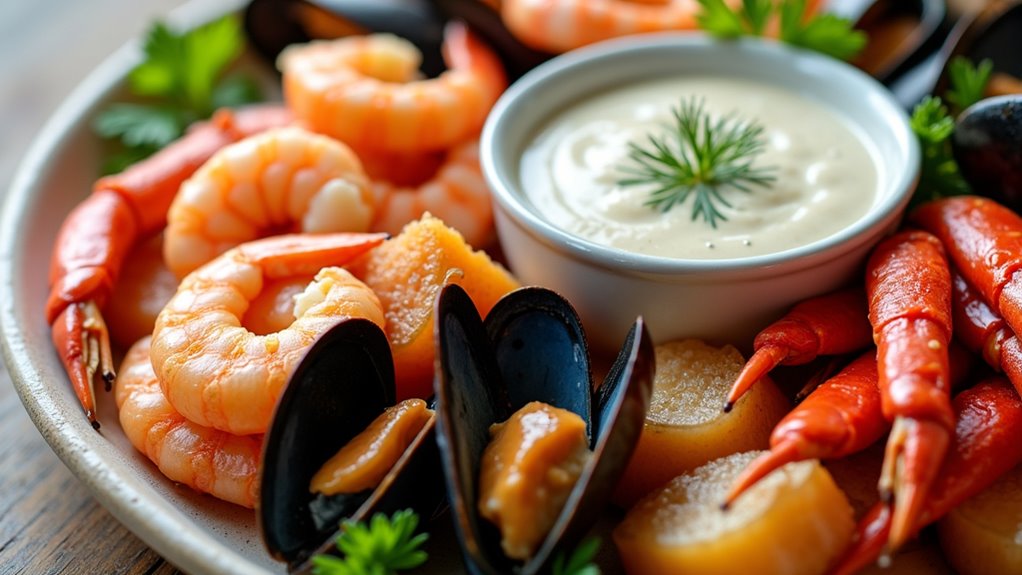
When I think of Scandinavian cuisine, I picture the vibrant flavors of fresh seafood from icy waters. Each dish brings a taste of tradition and craftsmanship, like Swedish gravlax and Icelandic plokkfiskur. These recipes are more than meals; they celebrate a rich maritime heritage. Curious about how to bring these treasures to your table? Let’s explore these delightful seafood dishes together.
Classic Swedish Gravlax
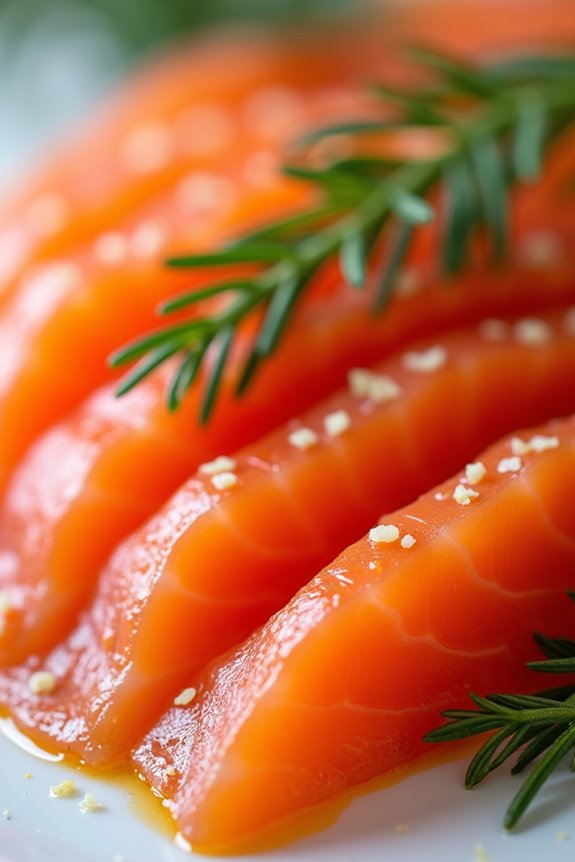
Gravlax is a traditional Scandinavian dish that showcases the delicate flavors of salmon cured with a blend of salt, sugar, and fresh dill. Originating from Sweden, this method of preserving fish dates back to the Middle Ages when fishermen would bury the salmon in the sand by the sea to cure it with the help of the natural elements.
Today, gravlax is a popular delicacy served as an appetizer or a light lunch, often accompanied by mustard sauce, bread, or crispbreads. The simplicity of the ingredients allows the quality of the fish to shine, making it an elegant and flavorful option for any gathering.
Making gravlax at home is surprisingly simple and requires minimal preparation time. The key to a successful gravlax lies in using the freshest salmon fillet you can find. The curing process typically takes about 48 hours, during which the flavors develop beautifully.
Once cured, gravlax can be sliced thinly and served with various accompaniments, making it a versatile dish that’s as delicious as it’s visually appealing.
Ingredients (serving size: 4-6 people)
- 1 pound (450 grams) fresh salmon fillet, skin on
- 1/4 cup coarse sea salt
- 1/4 cup granulated sugar
- 1 tablespoon freshly cracked black pepper
- 1 bunch fresh dill, chopped
- Zest of 1 lemon
- 1 tablespoon vodka (optional)
Cooking Instructions
- Prepare the Salmon: Start with a high-quality, fresh salmon fillet. Rinse it under cold water and pat it dry with paper towels. Make sure there are no pin bones left in the salmon—use tweezers to remove any you find.
- Combine the Cure Ingredients: In a bowl, mix together the coarse sea salt, granulated sugar, freshly cracked black pepper, chopped dill, and lemon zest. If you choose to use vodka, add it to the mixture as well. This blend will create a flavorful crust on the salmon.
- Cure the Salmon: Place a large piece of plastic wrap on a clean surface. Sprinkle about half of the cure mixture onto the plastic wrap, creating a bed for the salmon. Lay the salmon fillet skin-side down on the cure, then coat the top of the fillet with the remaining cure mixture. Make certain that the salmon is well-covered.
- Wrap and Weigh Down: Tightly wrap the salmon in the plastic wrap, guaranteeing it’s sealed well. Place the wrapped salmon on a plate and set a weight on top (such as another plate or a can) to help press the cure into the fish. This will assist in drawing out moisture and intensifying the flavors.
- Refrigerate: Place the weighted salmon in the refrigerator and let it cure for 48 hours. During this time, the salt and sugar will work their magic, transforming the salmon into gravlax. Turn the salmon every 12 hours to guarantee an even cure.
- Slice and Serve: After 48 hours, remove the salmon from the refrigerator. Unwrap it and gently rinse off the cure mixture under cold water. Pat the salmon dry with paper towels. Use a sharp knife to slice the gravlax thinly at a 45-degree angle, serving it with your favorite accompaniments like mustard sauce, bread, or pickles.
Extra Tips
When making gravlax, it’s vital to use the best quality salmon possible, as it will greatly impact the final flavor of the dish. Look for sushi-grade salmon from a reputable fishmonger.
Additionally, feel free to experiment with different herbs and spices in the cure to create your unique version of gravlax—such as adding juniper berries or orange zest for a twist. Always serve gravlax chilled for the best taste and texture.
Norwegian Fish Soup
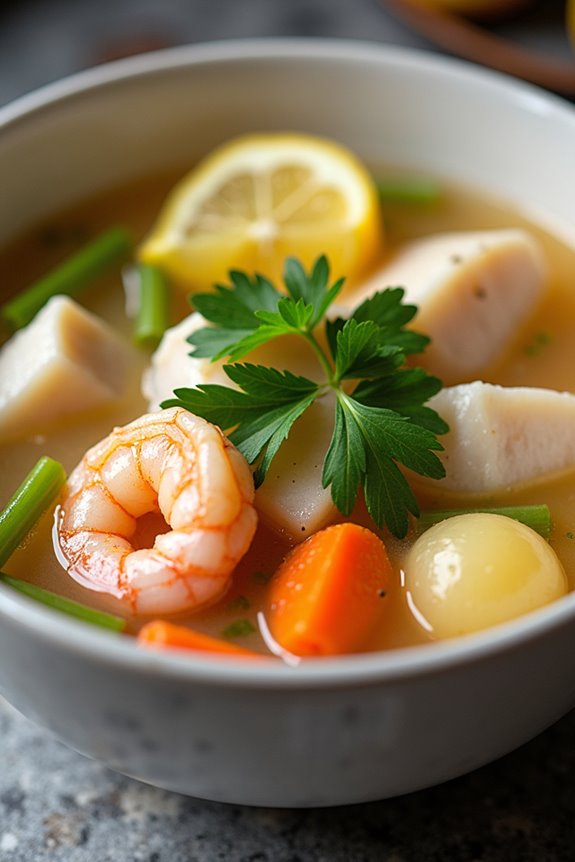
Norwegian Fish Soup, known as “Fiskesuppe,” is a traditional dish that embodies the rich maritime culture of Norway. This creamy, comforting soup is packed with fresh fish, vegetables, and a delicate blend of herbs and spices, making it a beloved meal for both locals and visitors alike. The use of fresh, sustainable seafood is essential, as it not only enhances the flavor but also reflects the connection to the pristine waters surrounding Norway.
This soup is perfect for cold winter nights or as a light yet hearty dish for any occasion. With its vibrant flavors and nourishing ingredients, Norwegian Fish Soup is a wonderful way to experience the essence of Scandinavian cuisine. It can be customized according to the types of fish available, allowing for flexibility while maintaining its traditional roots. Serve it with crusty bread to soak up the delicious broth, and you have a delightful meal to share.
Ingredients (Serves 4-6):
- 1 lb (450g) white fish fillets (such as cod, haddock, or pollock)
- 1 cup shrimp, peeled and deveined
- 4 cups fish stock or vegetable broth
- 1 cup heavy cream
- 1 medium onion, diced
- 2 carrots, sliced
- 2 stalks celery, diced
- 1 cup potatoes, diced
- 2 cloves garlic, minced
- 1 teaspoon dried dill
- 1 teaspoon dried thyme
- Salt and pepper to taste
- 2 tablespoons butter
- Fresh parsley, chopped (for garnish)
- Lemon wedges (for serving)
Cooking Instructions:
- Prepare the Fish and Seafood: Start by cutting the white fish fillets into bite-sized pieces. If you have any skin or bones, make sure to remove them. Set the fish aside and verify the shrimp are cleaned and ready to go.
- Sauté the Vegetables: In a large pot or Dutch oven, melt the butter over medium heat. Add the diced onion, carrots, and celery. Sauté for about 5-7 minutes until the vegetables are soft and the onion is translucent. This step builds the flavor base for your soup.
- Add Garlic and Potatoes: Stir in the minced garlic and diced potatoes. Cook for an additional 2-3 minutes until the garlic is fragrant. The potatoes will add heartiness to the soup, making it more satisfying.
- Incorporate the Broth: Pour in the fish stock or vegetable broth and bring the mixture to a gentle boil. Once boiling, reduce the heat to a simmer and let it cook for about 15 minutes, or until the potatoes are tender.
- Add the Fish and Shrimp: Carefully add the white fish pieces and shrimp to the pot. Stir gently to combine and cook for another 5-7 minutes, or until the fish is cooked through and flakes easily, and the shrimp turn pink.
- Finish with Cream and Seasoning: Pour in the heavy cream, and stir to combine. Add the dried dill and thyme, then season with salt and pepper to taste. Allow the soup to heat through for another 2-3 minutes without boiling. This will create a rich and creamy texture.
- Serve and Garnish: Ladle the soup into bowls and garnish with freshly chopped parsley. Serve with lemon wedges on the side for a bright, zesty finish.
Extra Tips:
For a truly authentic experience, consider using a variety of seafood in your fish soup, such as mussels or clams, to enhance the depth of flavor. If you prefer a lighter version, you can substitute the heavy cream with half-and-half or coconut milk.
Additionally, if you have leftover fish or seafood, this recipe is a great way to use it up. Just be mindful of cooking times, as leftover seafood will require less cooking than fresh. Enjoy your Norwegian Fish Soup with a warm, crusty bread for a complete meal!
Danish Shrimp Sandwich
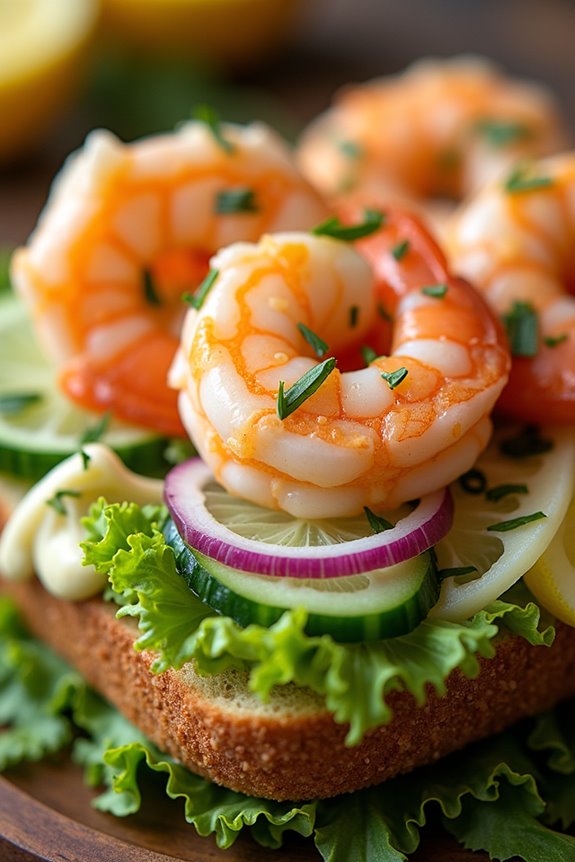
The Danish Shrimp Sandwich, known as “Rejesandwich,” is a delightful open-faced sandwich that showcases the fresh and succulent flavors of shrimp, typically served on a slice of rye or white bread. This traditional Danish dish isn’t only a staple in Denmark but also a favorite among seafood lovers around the world.
The combination of fresh ingredients, creamy dressing, and crunchy toppings makes it a satisfying meal or a light lunch option. This dish is perfect for gatherings, as it can be prepared quickly and served in a visually appealing manner.
The layers of flavors and textures—from the tender shrimp to the creamy mayo and the crisp vegetables—make each bite a delightful experience. Whether you’re hosting a brunch, picnic, or simply enjoying a meal at home, the Danish Shrimp Sandwich is sure to impress your guests and satisfy your cravings.
Ingredients (Serving Size: 4-6 people)
- 500 grams of cooked shrimp, peeled and deveined
- 4 tablespoons mayonnaise
- 1 tablespoon Dijon mustard
- 1 tablespoon lemon juice
- Salt and pepper, to taste
- 8 slices of rye bread or white bread
- 1 cup of shredded lettuce
- 1 small red onion, thinly sliced
- 1 small cucumber, thinly sliced
- Fresh dill, for garnish
- Lemon wedges, for serving
Cooking Instructions
- Prepare the Shrimp Mixture: In a medium mixing bowl, combine the cooked shrimp, mayonnaise, Dijon mustard, and lemon juice. Mix well until the shrimp are evenly coated. Season with salt and pepper to taste. Ascertain the mixture is creamy yet light, allowing the flavors of the shrimp to shine through.
- Prepare the Bread: While the shrimp mixture is resting, take your slices of rye or white bread and lay them flat on a clean surface or a serving platter. If you prefer, you can lightly toast the bread for added texture and flavor.
- Layer the Ingredients: Begin by placing a generous handful of shredded lettuce on each slice of bread. This will serve as a fresh base for the shrimp mixture and add a nice crunch.
- Add the Shrimp Mixture: Spoon the shrimp mixture evenly over the lettuce on each slice of bread. Use a spatula or the back of a spoon to spread the mixture out, ensuring each sandwich gets an ample serving of shrimp.
- Garnish and Serve: Top each sandwich with a few slices of red onion and cucumber for freshness and crunch. Finish with a sprig of fresh dill and serve with lemon wedges on the side for an extra zesty touch.
- Presentation: Arrange the sandwiches on a platter and serve immediately. If desired, you can serve them with a side of potato chips or a light salad for a complete meal.
Extra Tips
When preparing the Danish Shrimp Sandwich, consider using different types of bread to create a unique flavor profile. Sourdough or whole grain bread can add a wonderful depth to the dish.
Additionally, feel free to customize the toppings; sliced radishes, avocado, or even a sprinkle of capers can enhance the overall taste. For a more authentic experience, consider serving the sandwiches with a cold Danish beer or a crisp white wine. Enjoy your culinary adventure into Scandinavian cuisine!
Finnish Salmon With Dill
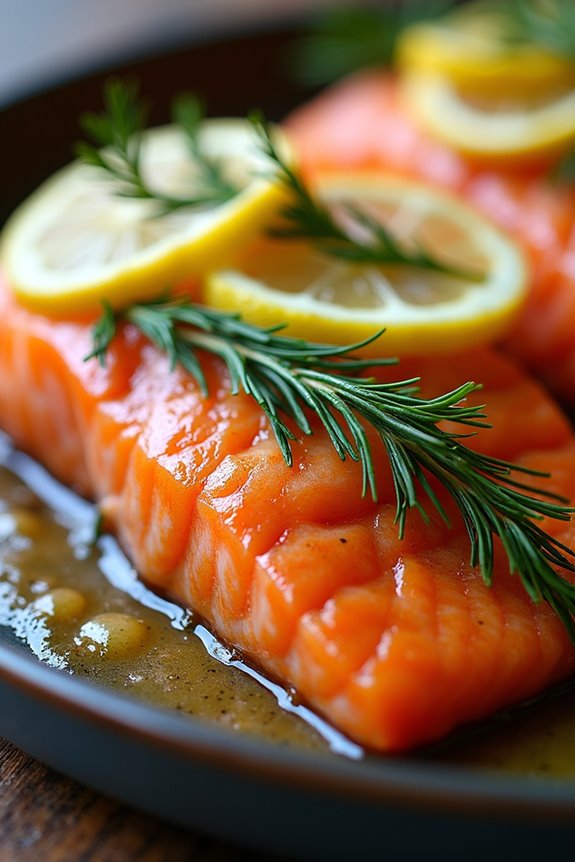
Finnish Salmon with Dill is a delightful dish that perfectly captures the essence of Scandinavian cuisine. Known for its simplicity and fresh flavors, this dish brings together tender salmon fillets and fragrant dill, creating a harmonious blend that’s both satisfying and elegant. Traditionally enjoyed in Finland, this recipe showcases the quality of the ingredients, allowing the natural taste of the salmon to shine through while being complemented by the aromatic dill.
Preparing this dish is a straightforward process that requires minimal ingredients, making it an excellent choice for both weeknight dinners and special occasions. The salmon is typically roasted or baked to achieve a tender texture, while the dill adds a burst of freshness that elevates the dish. Serve it with boiled potatoes or a side salad for a complete meal that’s sure to impress your family and friends.
Ingredients (Serves 4-6)
- 4-6 salmon fillets (about 6 ounces each)
- 2 tablespoons olive oil
- Salt and pepper, to taste
- 1 lemon, thinly sliced
- 1 bunch fresh dill, chopped (about 1/2 cup)
- 4 cloves garlic, minced
- 1/2 cup white wine (optional)
- 1 tablespoon butter
Cooking Instructions
- Preheat the Oven: Begin by preheating your oven to 375°F (190°C). This guarantees that the salmon cooks evenly and thoroughly as soon as it’s placed inside.
- Prepare the Baking Dish: Lightly grease a baking dish with olive oil. This will prevent the salmon from sticking and help in achieving a nice, crispy exterior.
- Season the Salmon: Pat the salmon fillets dry with a paper towel to remove excess moisture. Season both sides of the fillets generously with salt and pepper. This step enhances the flavor of the fish.
- Add Aromatics: Place the minced garlic and half of the chopped dill on the bottom of the baking dish. This will infuse the salmon with aromatic flavors while it cooks.
- Arrange the Salmon: Lay the seasoned salmon fillets on top of the garlic and dill in the baking dish. Arrange the lemon slices on top of the salmon, and sprinkle the remaining dill over the fillets for added flavor and presentation.
- Optional Wine Addition: If using, pour the white wine around the salmon in the baking dish. This will create moisture during cooking and add depth to the overall flavor.
- Bake the Salmon: Dot the top of the salmon with small pieces of butter. Cover the baking dish with aluminum foil and place it in the preheated oven. Bake for about 20-25 minutes, or until the salmon is cooked through and flakes easily with a fork.
- Serve: Once cooked, remove the salmon from the oven and let it rest for a few minutes before serving. This allows the juices to redistribute. Serve the salmon warm with your choice of sides.
Extra Tips
For a delicious variation, try adding a splash of lemon juice over the salmon just before serving to enhance the flavors further. If you prefer a more intense dill flavor, consider marinating the salmon in olive oil, lemon juice, and dill for 30 minutes prior to cooking.
Verify that your salmon is fresh for the best taste; if possible, purchase it from a reputable fish market. Enjoy this dish with a light, crisp salad or steamed vegetables for a well-rounded meal!
Icelandic Plokkfiskur (Fish Stew)
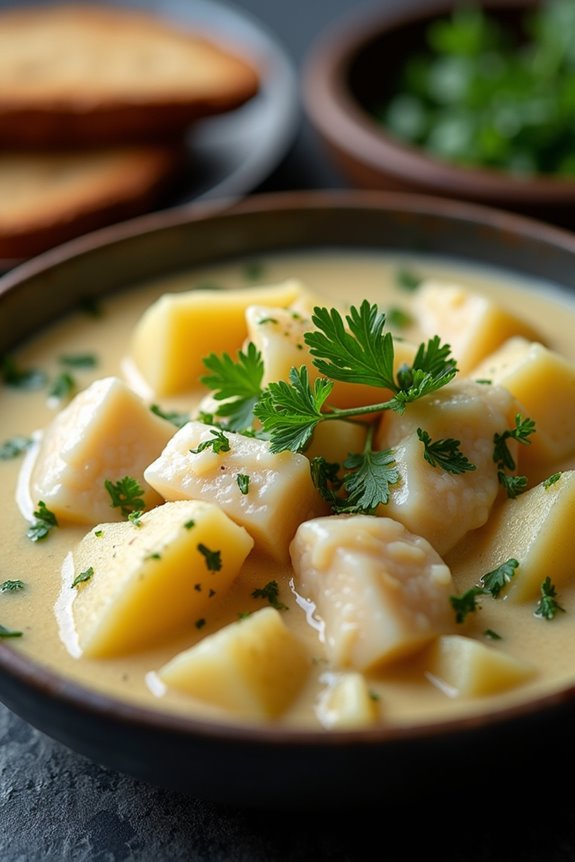
Icelandic Plokkfiskur is a traditional fish stew that showcases the coastal flavors of Icelandic cuisine. This hearty dish combines white fish, potatoes, and onions, all simmered together with a creamy sauce to create a comforting meal perfect for chilly evenings. Plokkfiskur isn’t only a delicious way to enjoy fresh seafood, but it’s also a wonderful representation of Iceland’s rich culinary heritage.
The name “Plokkfiskur” translates to “mashed fish,” which reflects the technique used to prepare this dish. The fish and potatoes are cooked until tender, then flaked and combined with a creamy mixture, making it a perfect option for families or gatherings. Serve it with a slice of buttered bread or dark rye for a complete experience that will warm your heart and fill your stomach.
Ingredients (Serves 4-6)
- 1 lb (450g) white fish fillets (cod, haddock, or pollock)
- 2 cups (300g) potatoes, peeled and diced
- 1 medium onion, finely chopped
- 2 tablespoons butter
- 2 tablespoons all-purpose flour
- 2 cups (500ml) milk
- 1 teaspoon Dijon mustard
- Salt and pepper to taste
- Fresh parsley, chopped (for garnish)
Cooking Instructions
- Prepare the Fish and Potatoes: In a large pot, place the diced potatoes and cover them with water. Add a pinch of salt and bring to a boil. Once boiling, reduce the heat and simmer until the potatoes are tender, approximately 15-20 minutes. In the last 5 minutes of cooking, add the fish fillets to the pot. Once cooked, drain the potatoes and fish, and set aside.
- Sauté the Onions: In the same pot, melt the butter over medium heat. Add the finely chopped onions and sauté until they’re soft and translucent, about 5-7 minutes. This step helps to build the flavor base for the stew.
- Make the Roux: Once the onions are cooked, sprinkle the flour over them and stir to coat. Cook for another 2-3 minutes, stirring constantly to create a roux. This will help thicken the sauce for your stew.
- Add the Milk: Gradually pour in the milk while continuously stirring to avoid lumps. Bring the mixture to a simmer and cook for about 5 minutes until it thickens slightly.
- Combine Ingredients: Flake the cooked fish and add it to the pot along with the drained potatoes. Stir in the Dijon mustard, and season with salt and pepper to taste. Allow the mixture to heat through for another 5-10 minutes, ensuring everything is well combined.
- Serve and Garnish: Once heated through, serve the Plokkfiskur hot, garnished with freshly chopped parsley. Pair it with buttered bread or dark rye for a traditional Icelandic meal.
Extra Tips
When preparing Icelandic Plokkfiskur, feel free to experiment with different types of fish depending on what’s available to you. Cod and haddock are popular choices, but you can also use frozen fish if fresh isn’t an option.
Additionally, for a richer flavor, you can add a splash of white wine to the milk mixture or include some grated cheese before serving. The stew can also be made ahead and reheated, making it a perfect option for meal prep or gatherings.
Enjoy this delightful dish and savor the taste of Icelandic comfort food!
Smoked Mackerel Pâté
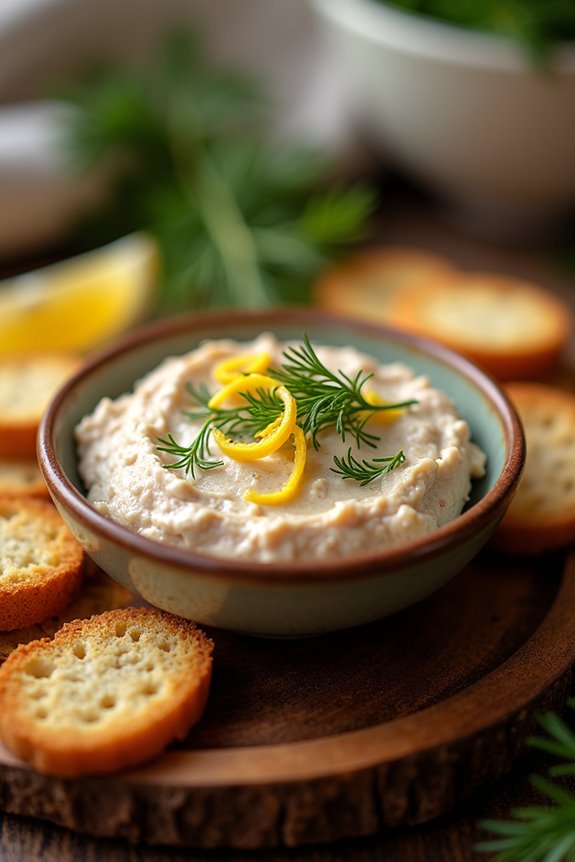
Smoked Mackerel Pâté is a delightful Scandinavian dish that combines the rich, smoky flavor of mackerel with a creamy, spreadable texture, making it perfect for a starter or a light meal. This dish not only celebrates the abundant seafood of the region but also showcases how simple ingredients can come together to create something truly delectable.
Whether you’re hosting a gathering or simply indulging in a cozy meal at home, this pâté is certain to impress.
This recipe is quick and easy to prepare, requiring minimal cooking skills. With a blend of smoked mackerel, cream cheese, and a few complementary ingredients, you can whip up a luscious spread that pairs beautifully with crusty bread or crackers. Serve it with a slice of lemon and some fresh herbs on the side for an added touch of elegance.
Ingredients (serving size: 4-6 people)
- 200g smoked mackerel fillets, skin removed
- 150g cream cheese
- 50g unsalted butter, softened
- 1 tablespoon lemon juice
- 1 tablespoon horseradish cream (optional)
- 1 tablespoon fresh dill, chopped (plus extra for garnish)
- Salt and pepper, to taste
- Crackers or bread, for serving
- Lemon wedges, for garnish
Cooking Instructions
- Prepare the Mackerel: Start by removing the skin from the smoked mackerel fillets if it hasn’t been done already. Check for any bones and remove them to guarantee a smooth pâté. Place the mackerel in a mixing bowl.
- Mix the Base: Add the softened unsalted butter and cream cheese to the bowl with the mackerel. These ingredients will provide a creamy texture and balance the smoky flavor of the fish.
- Add Flavorings: Pour in the lemon juice and horseradish cream, if using. The lemon juice adds brightness, while horseradish gives a subtle kick. Use a fork to mash the ingredients together until well combined.
- Incorporate Fresh Herbs: Gently fold in the chopped dill, ensuring it’s evenly distributed throughout the mixture. Dill complements the flavor of mackerel beautifully and adds a fresh element to the pâté.
- Seasoning: Taste the mixture and season with salt and pepper as needed. Adjust the seasoning to your preference, keeping in mind that the mackerel will already have some saltiness.
- Chill the Pâté: Transfer the mixture to a serving bowl or dish and cover it with plastic wrap. Allow it to chill in the refrigerator for at least 30 minutes to let the flavors meld together and to firm up the pâté.
- Serve: When ready to serve, remove the pâté from the fridge and garnish with additional dill and lemon wedges. Accompany it with crackers or slices of crusty bread for spreading.
Extra Tips
For an even more flavorful smoked mackerel pâté, consider adding a touch of smoked paprika or a dash of Worcestershire sauce for depth.
If you prefer a smoother pâté, blend the mixture in a food processor until it reaches your desired consistency. This dish can also be made a day in advance, allowing the flavors to develop overnight.
Just guarantee you store it in an airtight container in the fridge to maintain its freshness. Enjoy your Scandinavian culinary adventure!
Swedish Herring in Mustard Sauce
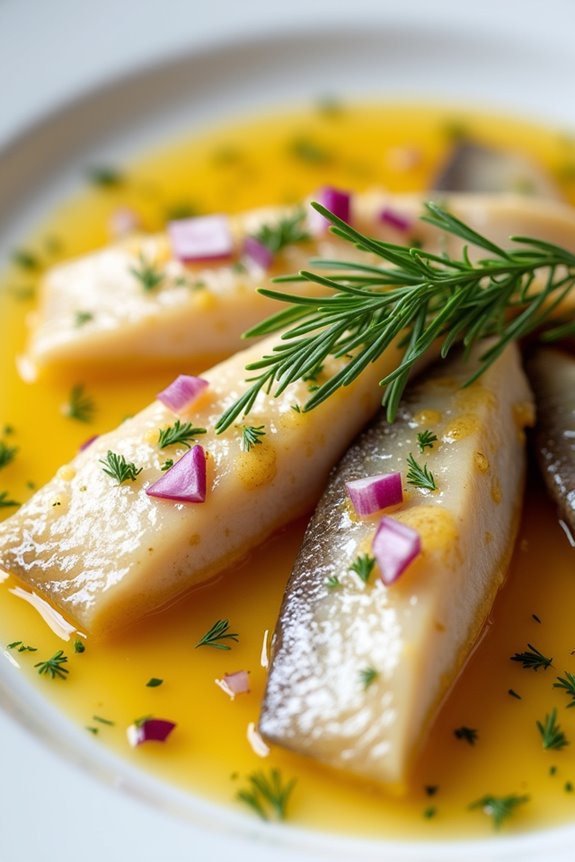
Swedish Herring in Mustard Sauce, or “Sill i Senapssås,” is a classic dish that showcases the rich culinary tradition of Sweden. This dish features herring fillets marinated in a tangy mustard sauce, offering a perfect balance of flavors that complements the natural saltiness of the fish.
Often served during festive occasions, it’s a staple on Swedish smorgasbord tables and pairs beautifully with crispbread or boiled potatoes.
The preparation of Swedish Herring in Mustard Sauce is straightforward, making it an accessible dish for both novice and experienced cooks. The combination of mustard, sugar, and vinegar creates a delightful sauce that enhances the herring’s flavor without overpowering it.
Perfect for gatherings or a cozy dinner at home, this dish is sure to impress your guests with its unique taste and presentation.
Ingredients (Serves 4-6):
- 500g herring fillets (pickled in vinegar)
- 2 tablespoons mustard (preferably Swedish or Dijon)
- 2 tablespoons sugar
- 1/4 cup white wine vinegar
- 1/4 cup vegetable oil
- 1 small red onion, finely chopped
- 1 tablespoon fresh dill, chopped
- Salt and pepper to taste
Cooking Instructions:
1. Prepare the Herring: Begin by draining the pickled herring fillets from their brine. Pat them dry with paper towels to remove excess moisture. This will help the mustard sauce adhere better to the fish.
2. Make the Mustard Sauce: In a mixing bowl, combine the mustard, sugar, and white wine vinegar. Whisk together until the sugar is dissolved and the mixture is smooth.
Slowly drizzle in the vegetable oil while continuing to whisk, creating a creamy emulsion. This sauce will serve as the flavorful base for your herring.
3. Add Aromatics: Once the mustard sauce is prepared, stir in the finely chopped red onion and fresh dill. This adds a nice crunch and herbal note to the sauce, enhancing the overall flavor profile.
4. Combine Herring and Sauce: Place the drained herring fillets in a shallow dish or jar. Pour the mustard sauce over the herring, ensuring the fillets are well-coated.
Cover the dish and let it marinate in the refrigerator for at least 2 hours, but preferably overnight. This allows the flavors to meld beautifully.
5. Serve: When ready to serve, remove the herring from the refrigerator. Taste and adjust the seasoning with salt and pepper if needed.
Serve the herring in mustard sauce chilled or at room temperature, garnished with additional dill if desired. It’s delicious with crispbread, boiled potatoes, or a simple salad.
Extra Tips:
When preparing Swedish Herring in Mustard Sauce, feel free to experiment with different types of mustard to suit your taste preferences—some may prefer a spicier or milder flavor.
Additionally, letting the herring marinate overnight not only deepens the flavors but also helps to tenderize the fish. For a touch of sweetness, consider adding a few capers or chopped apples to the sauce for a delightful contrast.
Enjoy this dish as part of a larger spread or as a revitalizing appetizer!
Baked Cod With Root Vegetables
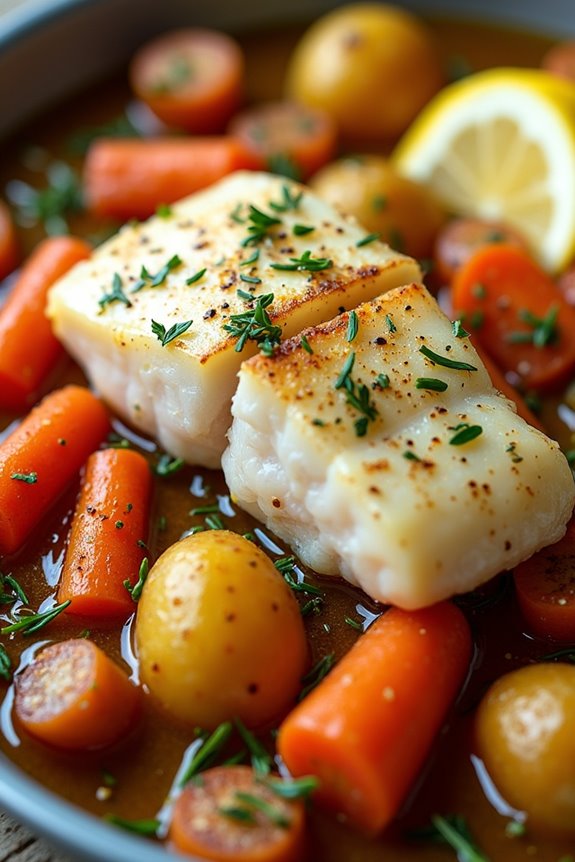
Baked Cod with Root Vegetables is a classic Scandinavian dish that showcases the simplicity and freshness of the region’s seafood. This wholesome meal combines flaky cod fillets with a medley of earthy root vegetables, all infused with aromatic herbs and a drizzle of olive oil. The result is a comforting yet elegant dish that’s perfect for a family dinner or a special occasion.
The natural sweetness of the vegetables complements the mild flavor of the cod, making it a delightful and satisfying option for seafood lovers.
Preparing this dish isn’t only easy but also allows for flexibility in ingredient choices. You can mix and match your favorite root vegetables, whether it’s carrots, parsnips, or potatoes. The cod bakes to perfection in the oven, creating a beautifully tender and flaky texture. Serve it with a side of crusty bread or a light salad, and you have a complete meal that’s both nutritious and delicious.
Ingredients (Serves 4-6)
- 4-6 cod fillets (about 6 ounces each)
- 2 large carrots, peeled and sliced
- 2 parsnips, peeled and sliced
- 1 medium onion, sliced
- 2 medium potatoes, peeled and diced
- 4 cloves of garlic, minced
- 3 tablespoons olive oil
- 1 teaspoon fresh thyme leaves (or ½ teaspoon dried thyme)
- 1 teaspoon fresh rosemary, chopped (or ½ teaspoon dried rosemary)
- Salt and pepper to taste
- Lemon wedges for serving
Cooking Instructions
- Preheat the Oven: Start by preheating your oven to 400°F (200°C). This guarantees that the cod and root vegetables will cook evenly and achieve a nice golden-brown finish.
- Prepare the Vegetables: In a large mixing bowl, combine the sliced carrots, parsnips, onion, and diced potatoes. Drizzle with 2 tablespoons of olive oil, add the minced garlic, thyme, rosemary, and season with salt and pepper. Toss everything together until the vegetables are well-coated.
- Arrange in Baking Dish: Transfer the seasoned vegetables into a large baking dish, spreading them out evenly. This allows for even cooking and guarantees that every piece gets a chance to caramelize.
- Add the Cod: Place the cod fillets on top of the arranged vegetables. Drizzle the remaining 1 tablespoon of olive oil over the cod and season lightly with salt and pepper.
- Bake: Place the baking dish in the preheated oven and bake for about 25-30 minutes, or until the cod is cooked through and flakes easily with a fork, and the vegetables are tender and slightly caramelized.
- Serve: Once cooked, remove the dish from the oven. Serve the baked cod with the roasted root vegetables on the side and lemon wedges for an added burst of flavor.
Extra Tips
For an even deeper flavor, consider marinating the cod in a mixture of olive oil, lemon juice, and herbs for about 30 minutes before baking. This step adds a zesty touch to the fish.
Additionally, feel free to experiment with other seasonal vegetables such as turnips or sweet potatoes to give this dish a personal twist. Always keep an eye on the cod towards the end of the baking time to prevent overcooking, as this can lead to a dry texture.
Enjoy your delicious Scandinavian-inspired meal!
Creamy Shrimp Pasta
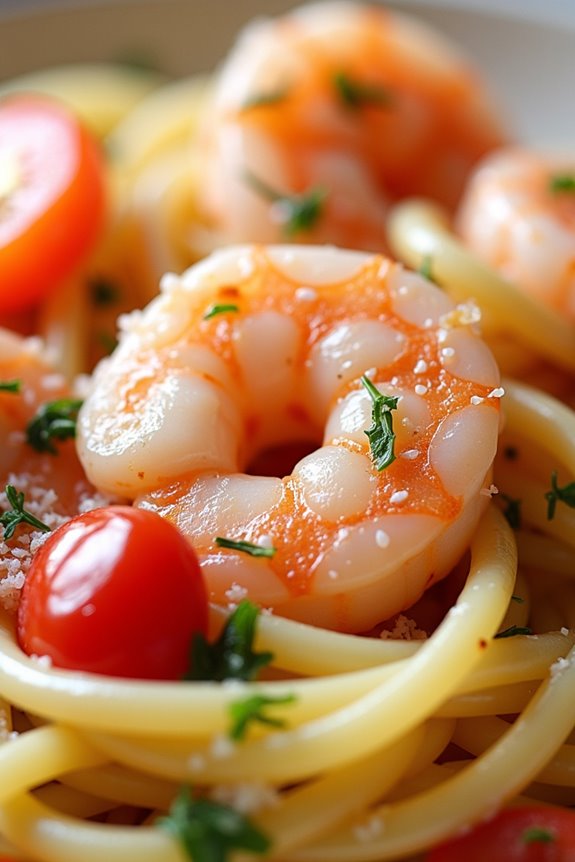
Creamy Shrimp Pasta is a delightful dish that perfectly captures the essence of Scandinavian cuisine, combining the flavors of fresh seafood with a rich, creamy sauce. The succulent shrimp lend a sweet and briny taste, while the cream adds a luscious texture that envelops the pasta beautifully.
This dish isn’t only quick to prepare but also elegant enough to impress guests at a dinner party or a cozy family gathering. To make this recipe even more appealing, fresh herbs like dill or parsley can be added, enhancing the overall flavor profile. The use of high-quality ingredients, such as fresh shrimp and al dente pasta, will guarantee that your Creamy Shrimp Pasta is a memorable culinary experience.
Serve it with a side of crusty bread and a crisp salad for a complete meal that celebrates the freshness of the sea.
Ingredients (Serves 4-6):
- 12 oz (340g) spaghetti or fettuccine
- 1 lb (450g) large shrimp, peeled and deveined
- 2 tablespoons olive oil
- 3 cloves garlic, minced
- 1 cup heavy cream
- 1 cup chicken or seafood broth
- 1 cup cherry tomatoes, halved
- 1 teaspoon red pepper flakes (optional)
- Salt and pepper to taste
- 1 tablespoon fresh lemon juice
- 1/4 cup fresh parsley or dill, chopped
- Grated Parmesan cheese for serving
Cooking Instructions:
- Cook the Pasta: Begin by cooking the spaghetti or fettuccine in a large pot of salted boiling water according to package instructions until al dente. Drain the pasta and set it aside, reserving about 1 cup of the pasta water for later use.
- Sauté the Shrimp: In a large skillet, heat the olive oil over medium heat. Add the shrimp to the skillet and cook for about 2-3 minutes on each side until they turn pink and opaque. Remove the shrimp from the skillet and set them aside.
- Prepare the Sauce: In the same skillet, add the minced garlic, and sauté for about 30 seconds until fragrant. Pour in the heavy cream and chicken or seafood broth, stirring to combine. Allow the sauce to simmer for a few minutes until it thickens slightly.
- Add Vegetables and Seasoning: Add the halved cherry tomatoes and red pepper flakes (if using) to the sauce. Season with salt and pepper to taste. Let everything simmer together for another 3-4 minutes until the tomatoes soften.
- Combine the Ingredients: Return the cooked shrimp to the skillet, and add the drained pasta. Toss everything together to coat the pasta and shrimp in the creamy sauce. If the sauce seems too thick, gradually add some reserved pasta water until you reach the desired consistency.
- Finish and Serve: Stir in the fresh lemon juice and chopped parsley or dill. Taste and adjust the seasoning if necessary. Serve the Creamy Shrimp Pasta hot, topped with grated Parmesan cheese.
Extra Tips:
When preparing Creamy Shrimp Pasta, freshness is key, especially with the shrimp. If possible, use wild-caught shrimp for the best flavor. Avoid overcooking the shrimp, as they can become tough and rubbery; they should only take a few minutes to cook through.
Additionally, feel free to customize the dish by adding vegetables such as spinach or zucchini for extra nutrition and flavor, or swap out the pasta type for a gluten-free option if desired. Enjoy this comforting dish with a glass of white wine for a perfect pairing!
Cod With Lemon and Capers
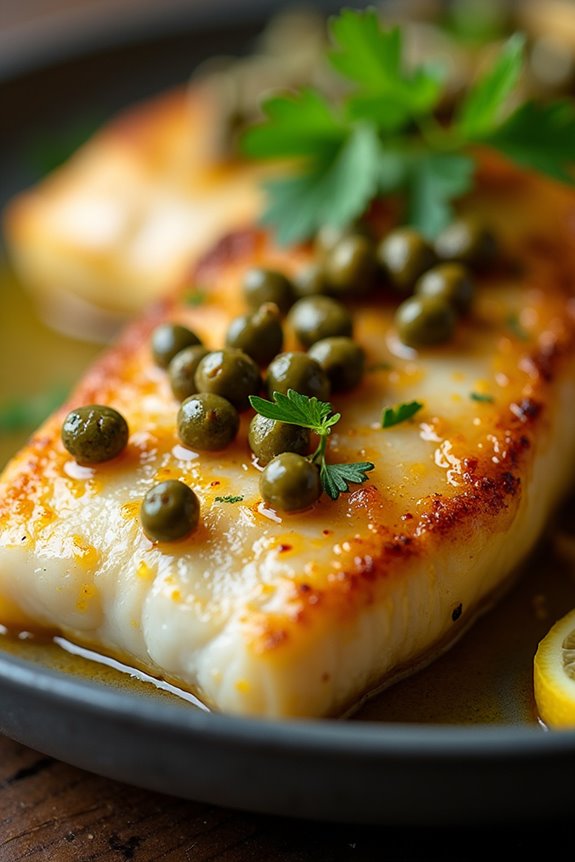
Cod With Lemon and Capers is a delightful Scandinavian dish that highlights the fresh flavors of the sea combined with the brightness of lemon and the briny bite of capers. This recipe embodies a simple yet sophisticated approach to cooking fish, making it perfect for a weeknight dinner or a special occasion. The flaky texture of the cod pairs beautifully with the zesty lemon sauce, while the capers add a unique depth of flavor that elevates the dish.
This recipe serves 4-6 people, making it a great option for family gatherings or dinner parties. It’s not only easy to prepare but also showcases the natural taste of the cod, allowing the ingredients to shine through. Whether you’re a seasoned cook or a beginner, this dish is sure to impress with its vibrant colors and mouthwatering aroma.
Ingredients
- 4-6 cod fillets (about 6 oz each)
- 1/4 cup all-purpose flour
- Salt and pepper, to taste
- 2 tablespoons olive oil
- 2 tablespoons unsalted butter
- 2 cloves garlic, minced
- 1/4 cup capers, rinsed and drained
- Juice and zest of 1 large lemon
- Fresh parsley, chopped (for garnish)
Cooking Instructions
- Prepare the Cod: Start by patting the cod fillets dry with paper towels. This step is essential to guarantee a nice sear. Season both sides of the fillets generously with salt and pepper. Then, lightly dredge each fillet in flour, shaking off any excess. This will create a lovely crust when cooked.
- Heat the Pan: In a large skillet, heat the olive oil and butter over medium-high heat. Allow the mixture to become hot but not smoking. The combination of olive oil and butter provides a rich flavor and helps prevent the butter from burning.
- Cook the Cod: Carefully place the floured cod fillets in the pan, making sure not to overcrowd them. Cook for about 4-5 minutes on one side, until golden brown. Flip the fillets gently using a spatula and cook for an additional 4-5 minutes on the other side, or until the fish is cooked through and flakes easily with a fork. Remove the cod from the skillet and set aside on a plate.
- Create the Sauce: In the same skillet, add the minced garlic and sauté for about 30 seconds until fragrant, being careful not to burn it. Next, add the capers, lemon juice, and lemon zest. Stir to combine and cook for about 1-2 minutes, allowing the flavors to meld together.
- Combine and Serve: Return the cod fillets to the skillet, spooning the lemon-caper sauce over the top to coat the fish. Let the fillets simmer in the sauce for a minute to warm through. Once plated, garnish with freshly chopped parsley for a pop of color and flavor.
Extra Tips
When preparing Cod With Lemon and Capers, remember that fresh ingredients make all the difference. Opt for fresh cod whenever possible, as it enhances the dish’s overall flavor.
Additionally, you can adjust the amount of lemon juice and capers according to your taste preference. For a heartier meal, serve the cod over a bed of sautéed greens or alongside roasted potatoes.
Finally, don’t hesitate to add a splash of white wine to the sauce for an extra layer of flavor!
Seafood Platter With Dill Sauce
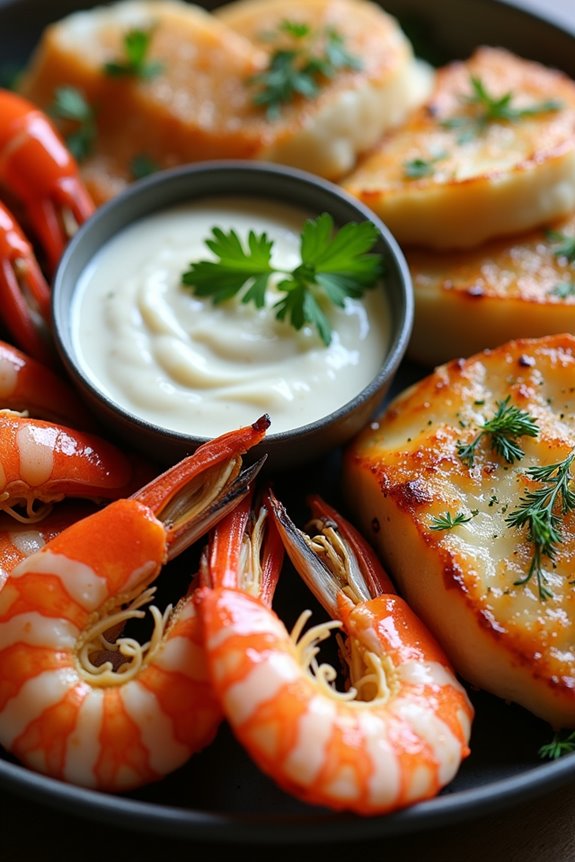
The Seafood Platter with Dill Sauce is a celebration of the ocean’s bounty, showcasing a variety of fresh seafood that’s both visually stunning and delicious. This dish is perfect for gatherings or special occasions, as it allows you to serve a delightful assortment of shrimp, mussels, crab, and fish, all elegantly arranged on a large platter. The highlight of this dish is the creamy dill sauce, which adds a fresh and tangy flavor that beautifully complements the seafood.
Preparing a Seafood Platter can seem intimidating, but with the right ingredients and some simple steps, you can create an impressive dish that will wow your guests. The key is to select the freshest seafood available and to use quality ingredients for the dill sauce. With a little preparation, you’ll have a stunning Seafood Platter that isn’t only delicious but also a feast for the eyes.
Ingredients (Serves 4-6):
- 1 pound large shrimp, peeled and deveined
- 1 pound mussels, cleaned and debearded
- 1 pound crab legs (snow or king crab)
- 1 pound firm white fish fillets (such as cod or halibut), cut into bite-sized pieces
- 2 tablespoons olive oil
- 1 tablespoon lemon juice
- Salt and pepper, to taste
- Fresh parsley, for garnish
For the Dill Sauce:
- 1 cup sour cream
- 1 tablespoon mayonnaise
- 2 tablespoons fresh dill, chopped
- 1 tablespoon lemon juice
- 1 teaspoon Dijon mustard
- Salt and pepper, to taste
Cooking Instructions:
- Prepare the Seafood: Start by rinsing all the seafood under cold water. For the shrimp, make sure they’re peeled and deveined. The mussels should be cleaned and debearded, and the fish fillets should be cut into bite-sized pieces. This step guarantees that your seafood is clean and ready to be cooked.
- Cook the Shrimp: In a large pot, bring salted water to a boil. Add the shrimp and cook for about 2-3 minutes until they’re pink and opaque. Remove them with a slotted spoon and place them in a bowl of ice water to stop the cooking process. This prevents the shrimp from becoming overcooked and rubbery.
- Cook the Mussels: In the same pot, add a bit more water if necessary and bring it back to a boil. Add the cleaned mussels and cover the pot. Steam them for about 5-7 minutes or until the mussels have opened. Discard any that remain closed, as they aren’t safe to eat.
- Cook the Crab Legs: If using pre-cooked crab legs, you can simply steam them in the same pot for about 5 minutes to heat them through. If they’re raw, boil them for about 8-10 minutes until they’re cooked through and turn bright red.
- Cook the Fish: In a skillet, heat olive oil over medium heat. Season the fish pieces with salt and pepper, then add them to the skillet. Cook for about 3-4 minutes on each side until they’re golden brown and flaky.
- Prepare the Dill Sauce: In a mixing bowl, combine the sour cream, mayonnaise, chopped dill, lemon juice, Dijon mustard, salt, and pepper. Whisk together until smooth and well-blended. Taste and adjust seasoning as needed.
- Assemble the Platter: On a large serving platter, arrange all the cooked seafood in an appealing manner. Start with the fish, then add the shrimp, mussels, and crab legs. Garnish with fresh parsley for a pop of color.
- Serve with Dill Sauce: Place the dill sauce in a small bowl in the center of the platter or serve it on the side. This allows guests to dip their seafood into the sauce, enhancing the flavors of the dish.
Extra Tips:
When preparing a Seafood Platter, the freshness of the seafood is essential; always purchase from a reputable source. To save time, you can prepare the dill sauce in advance and refrigerate it until ready to serve.
Additionally, you can customize the platter by adding other seafood options such as scallops or smoked salmon for more variety. Remember to serve the platter chilled for the best experience, and don’t hesitate to pair it with a crisp white wine to elevate the flavors!
