


Cabbage is such a wonderful ingredient in European cooking. From the tangy flavor of sauerkraut to the cozy feel of colcannon, it brings a lovely variety of tastes and textures. Each dish has its own charm, whether it’s a hearty stew or a refreshing salad. This simple yet versatile vegetable is a favorite in many kitchens. Let’s discover twelve tempting cabbage recipes that could inspire your next meal.
Classic Sauerkraut
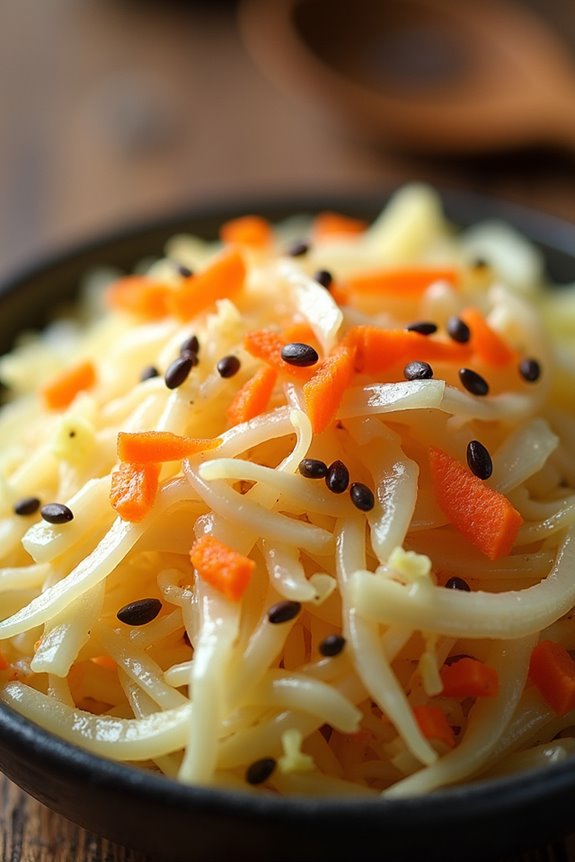
Classic sauerkraut is a traditional fermented dish made from finely shredded cabbage and salt, known for its tangy flavor and numerous health benefits. This dish not only serves as a delicious side to many meals but also boasts probiotic properties that enhance digestion and overall gut health.
Making sauerkraut at home is a simple and rewarding process that captures the essence of this classic dish while allowing you to control the flavor and fermentation level. The process of fermentation transforms the raw cabbage into a flavorful condiment that can be enjoyed on its own or as a topping for various dishes, such as sausages, sandwiches, or salads.
With just a few ingredients and some patience, you can create a batch of homemade sauerkraut that will elevate your meals and provide a taste of culinary tradition.
Ingredients (serving size: 4-6 people)
- 1 medium head of green cabbage (about 2 to 3 pounds)
- 1 tablespoon of kosher salt (or sea salt)
- 1 teaspoon of caraway seeds (optional)
- 1 tablespoon of grated carrots (optional, for color and sweetness)
- Clean glass jar or fermentation crock
Cooking Instructions
- Prepare the Cabbage: Begin by removing the outer leaves of the cabbage. Cut the cabbage into quarters and remove the core. Slice each quarter into thin shreds using a sharp knife or mandoline. The thinner the shreds, the quicker the fermentation process will be.
- Mix with Salt: Place the shredded cabbage in a large mixing bowl. Sprinkle the kosher salt over the cabbage. Using clean hands, massage the salt into the cabbage for about 5-10 minutes. This process helps to break down the cabbage and release its natural juices, which will create the brine needed for fermentation.
- Add Flavorings: If you choose to use caraway seeds and grated carrots, mix them into the cabbage at this stage. The caraway seeds add an earthy flavor, while the carrots can enhance sweetness and color.
- Pack the Jar: Transfer the cabbage mixture into a clean glass jar or fermentation crock, packing it down tightly as you go. Make sure that the cabbage is submerged in its brine. Leave about 1 to 2 inches of headspace at the top of the jar to allow for expansion during fermentation.
- Ferment: Cover the jar with a clean cloth or a lid that allows gases to escape. Place the jar in a cool, dark place (around 65-75°F) for 1 to 4 weeks, depending on your taste preference. Check the sauerkraut periodically to verify it remains submerged in the brine, pressing it down if necessary.
- Taste and Store: After a week, start tasting the sauerkraut. Once it reaches your desired level of tanginess, transfer the jar to the refrigerator. The cold storage will slow down the fermentation process, allowing you to enjoy your homemade sauerkraut for several months.
Extra Tips
When making sauerkraut, it’s important to use the right type of salt—avoid iodized table salt, as it can interfere with the fermentation process. Additionally, make sure that all your tools and jars are clean to prevent any unwanted bacteria from spoiling your batch.
Fermentation is a personal journey, so feel free to experiment with different spices or vegetables to create your unique twist on classic sauerkraut!
Colcannon
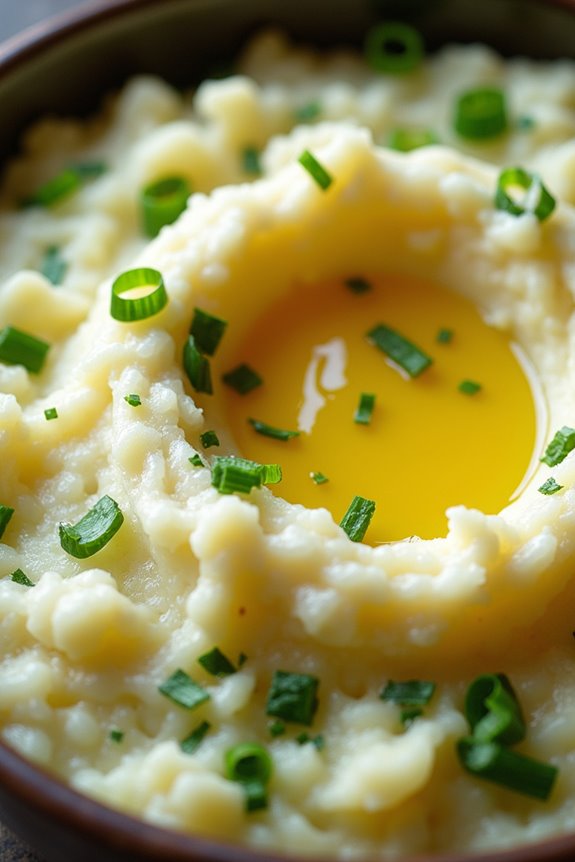
Colcannon is a traditional Irish dish that beautifully combines creamy mashed potatoes with vibrant greens, typically kale or cabbage, along with butter and cream for a comforting side dish. This hearty recipe isn’t only a staple in Irish cuisine but also a fantastic way to showcase the versatility of cabbage. The dish is often served alongside meats or as part of a festive meal, making it a perfect choice for gatherings or family dinners.
The origins of colcannon date back centuries and are steeped in Irish folklore, where it was traditionally eaten on Halloween, with hidden tokens in the dish that foretold the future. Today, colcannon is celebrated for its rich flavors and creamy texture, making it a beloved favorite in many households. Whether you’re looking to experience a taste of Ireland or simply want to enjoy a delicious, comforting dish, colcannon is sure to satisfy.
Ingredients (Serves 4-6):
- 2 pounds of potatoes (such as Russet or Yukon Gold)
- 1 cup of chopped green cabbage or kale
- 1/2 cup of milk
- 1/4 cup of heavy cream
- 4 tablespoons of unsalted butter
- 1/2 cup of chopped green onions or scallions
- Salt to taste
- Pepper to taste
Cooking Instructions:
- Prepare the Potatoes: Begin by peeling the potatoes and cutting them into even-sized chunks. This will guarantee that they cook uniformly. Place the potatoes in a large pot and cover them with cold water. Add a generous pinch of salt to the water to season the potatoes as they cook.
- Boil the Potatoes: Bring the pot of potatoes to a boil over medium-high heat. Once boiling, reduce the heat to a gentle simmer and cook the potatoes for approximately 15-20 minutes, or until they’re fork-tender. You can check doneness by piercing a potato with a fork; it should slide in easily.
- Cook the Cabbage: While the potatoes are cooking, take another pot and add a small amount of water (just enough to steam). Add the chopped cabbage or kale, cover, and steam for about 5-7 minutes until it’s tender but still vibrant in color. Drain any excess water and set aside.
- Mash the Potatoes: Once the potatoes are cooked, drain them well and return them to the pot. Mash the potatoes using a potato masher or ricer until smooth. Avoid over-mashing to prevent a gluey texture.
- Combine Ingredients: In a small saucepan, heat the milk, cream, and butter over low heat until the butter is melted and the mixture is warm. Pour this creamy mixture over the mashed potatoes and stir to combine until you reach a smooth and creamy consistency.
- Add Cabbage and Seasoning: Gently fold in the steamed cabbage or kale, and add the chopped green onions or scallions. Season with salt and pepper to taste, mixing until everything is well incorporated.
- Serve: Transfer the colcannon to a serving bowl, making a small well in the center. For an extra touch, add a pat of butter in the well. Serve hot as a side dish, and enjoy the delicious flavors of this classic Irish recipe.
Extra Tips: When making colcannon, feel free to customize the dish to your liking by adding additional ingredients such as cooked bacon or leeks for added flavor. Also, using a mix of different greens can provide a unique twist.
Be sure to taste and adjust the seasoning before serving, as the flavor of your dish can vary based on the potatoes and greens used. For a creamier texture, add more milk or cream until you reach your desired consistency.
Cabbage Rolls

Cabbage rolls are a classic dish that brings together the earthy flavors of cabbage with a savory filling, often comprising ground meat, rice, and aromatic spices. This dish isn’t only hearty and satisfying but also offers a delightful combination of textures and flavors. Wrapped in tender cabbage leaves and baked in a rich tomato sauce, cabbage rolls are perfect for family gatherings or cozy weeknight dinners.
They can be made ahead of time and reheat beautifully, making them a convenient option for busy schedules. Whether you’re looking to impress guests or simply enjoy a comforting meal at home, cabbage rolls are a fantastic choice. The preparation might seem a bit labor-intensive, but the end result is well worth the effort.
With a few simple ingredients and some time in the oven, you can create a dish that’s bursting with flavor and sure to please everyone at the table. Let’s plunge into the recipe!
Ingredients (Serves 4-6)
- 1 large head of cabbage
- 1 pound ground beef (or a mix of beef and pork)
- 1 cup cooked rice
- 1 small onion, finely chopped
- 2 cloves garlic, minced
- 1 teaspoon paprika
- 1 teaspoon dried thyme
- 1 teaspoon salt
- ½ teaspoon black pepper
- 1 can (15 ounces) tomato sauce
- 1 can (14.5 ounces) diced tomatoes
- 2 tablespoons olive oil
- 1 tablespoon lemon juice
- Fresh parsley for garnish (optional)
Cooking Instructions
1. Prepare the Cabbage: Begin by bringing a large pot of water to a boil. Carefully remove the core from the cabbage and place the entire head in the boiling water for about 2-3 minutes, or until the outer leaves begin to soften.
Using tongs, peel off the softened leaves and set them aside to cool. Repeat this process until you have enough leaves (about 12-15) for rolling.
2. Make the Filling: In a large mixing bowl, combine the ground beef, cooked rice, chopped onion, minced garlic, paprika, thyme, salt, and pepper. Mix the ingredients thoroughly using your hands or a spoon until well combined.
This filling will provide the hearty center of each cabbage roll.
3. Assemble the Rolls: Take one cabbage leaf and place about 2-3 tablespoons of the meat mixture at the base of the leaf. Fold in the sides and roll it up tightly from the base to the top, ensuring the filling is secure.
Repeat this process with the remaining leaves and filling.
4. Prepare the Sauce: In a separate bowl, mix together the tomato sauce, diced tomatoes, olive oil, and lemon juice. This sauce will serve as a flavorful base for the cabbage rolls while they bake.
5. Bake the Cabbage Rolls: Preheat your oven to 350°F (175°C). In a large baking dish, spread a thin layer of the sauce on the bottom. Place the rolled cabbage leaves seam-side down in the dish, arranging them snugly together.
Pour the remaining sauce over the top of the rolls, ensuring they’re well-covered. Cover the dish with aluminum foil.
6. Cook: Bake the cabbage rolls in the preheated oven for about 1 hour. After 1 hour, remove the foil and bake for an additional 15-20 minutes to allow the sauce to thicken and the rolls to brown slightly.
7. Serve: Once cooked, let the cabbage rolls rest for a few minutes before serving. Garnish with fresh parsley if desired and enjoy your delicious cabbage rolls!
Extra Tips
To make your cabbage rolls even more flavorful, consider adding some chopped herbs like dill or basil to the filling mixture. Additionally, if you prefer a spicier kick, you can incorporate some crushed red pepper flakes into your sauce.
For a vegetarian version, substitute the meat with lentils or mushrooms and use vegetable broth instead of tomato sauce. Leftover cabbage rolls can be stored in the refrigerator for up to three days or frozen for later enjoyment.
German Red Cabbage
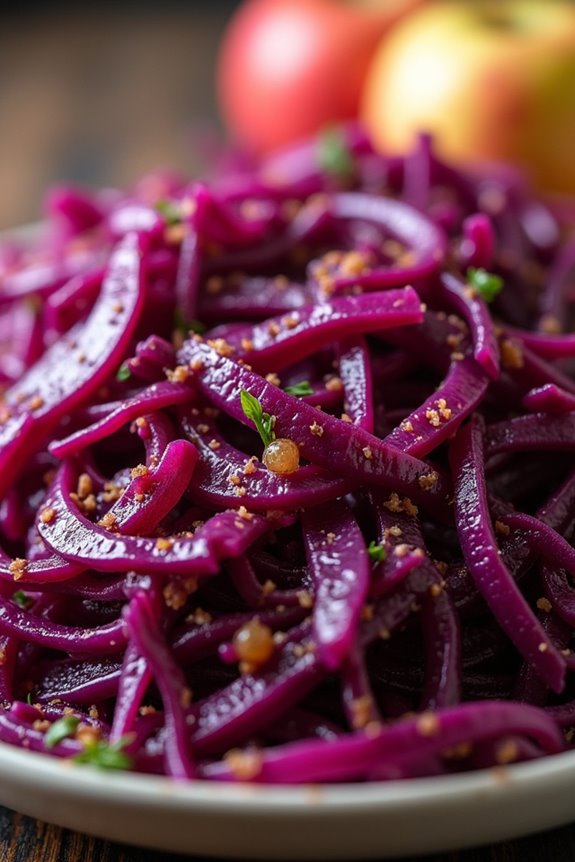
German Red Cabbage, or Rotkohl, is a traditional side dish that perfectly complements hearty meals, especially during the colder months. This sweet and tangy dish features red cabbage braised with apples, vinegar, and aromatic spices, creating a delightful balance of flavors that enhance any dinner table.
Originating from Germany, this recipe has been cherished for generations and is often served alongside sausages, roast meats, or even as a part of festive holiday meals.
Preparing German Red Cabbage is a straightforward process that involves minimal ingredients yet yields maximum flavor. The vibrant color of the cabbage not only adds visual appeal but also provides a wealth of nutrients. This dish isn’t only delicious but also versatile, as it can be made ahead of time and reheated, allowing the flavors to meld together even more.
Perfect for a serving size of 4-6 people, this recipe is sure to impress your family and friends.
Ingredients:
- 1 medium head of red cabbage, finely shredded
- 2 medium apples, peeled, cored, and chopped
- 1 medium onion, finely chopped
- 1/4 cup of apple cider vinegar
- 1/4 cup of sugar
- 1/2 cup of water
- 2 tablespoons of butter or olive oil
- 1 teaspoon of salt
- 1/2 teaspoon of ground black pepper
- 1/2 teaspoon of ground cinnamon
- 1/4 teaspoon of ground cloves
- 2 bay leaves
Cooking Instructions:
- Prepare the Vegetables: Start by finely shredding the red cabbage and chopping the apples and onion. This will guarantee that all ingredients cook evenly and blend well in the dish.
- Sauté the Onion: In a large pot or Dutch oven, heat the butter or olive oil over medium heat. Add the chopped onion and sauté for about 5 minutes, until it becomes translucent and fragrant. This step helps to develop a rich base flavor for the dish.
- Add Cabbage and Apples: Once the onions are ready, add the shredded red cabbage and chopped apples to the pot. Stir them together, allowing the heat to soften the cabbage and apple for about 5 minutes.
- Mix in Vinegar and Sugar: Pour in the apple cider vinegar and sprinkle the sugar over the cabbage mixture. Stir well to combine, ensuring that the sugar dissolves and the vinegar is evenly distributed.
- Season and Add Water: Add the salt, black pepper, cinnamon, cloves, and bay leaves to the pot. Then, pour in the 1/2 cup of water. Stir everything together to incorporate the spices and seasonings.
- Simmer: Bring the mixture to a gentle boil, then reduce the heat to low. Cover the pot and let it simmer for about 45 minutes to 1 hour, stirring occasionally. This slow cooking process allows the flavors to meld beautifully and the cabbage to become tender.
- Adjust and Serve: After simmering, taste the cabbage and adjust the seasoning if necessary. Remove the bay leaves before serving. Serve warm as a side dish, pairing it with your favorite roasted meats or sausages.
Extra Tips:
For an added depth of flavor, consider incorporating a splash of red wine during the simmering stage. If you’re short on time, you can use pre-shredded cabbage, but fresh cabbage will provide the best texture and taste.
This dish can also be made a day in advance as the flavors intensify after sitting overnight in the refrigerator. Just reheat gently before serving!
Cabbage and Sausage Skillet

Cabbage and Sausage Skillet is a hearty and comforting dish that brings together the flavors of savory sausage and tender cabbage in a quick and easy one-pan meal. This dish is perfect for busy weeknights when you want something nutritious and satisfying without spending hours in the kitchen.
With its simple ingredients and straightforward preparation, you can have a delicious dinner on the table in under 30 minutes. The combination of sautéed sausage and sautéed cabbage not only makes for a delicious meal but also provides a great source of vitamins and nutrients.
This dish can be customized with your favorite seasonings or additional vegetables, making it versatile enough to suit any palate. Whether you’re feeding a family or cooking for yourself, the Cabbage and Sausage Skillet is sure to become a staple in your meal rotation.
Ingredients (Serves 4-6)
- 1 pound smoked sausage (kielbasa or your choice), sliced
- 1 medium head of green cabbage, chopped
- 1 large onion, diced
- 2 cloves garlic, minced
- 1 tablespoon olive oil
- 1 teaspoon paprika
- 1 teaspoon caraway seeds (optional)
- Salt and pepper to taste
- 1/4 cup chicken broth (or water)
- Fresh parsley, chopped (for garnish)
Cooking Instructions
- Prepare the Ingredients: Begin by slicing the smoked sausage into bite-sized pieces. Chop the cabbage into strips, dice the onion, and mince the garlic. Having everything prepped will make the cooking process go smoothly.
- Cook the Sausage: In a large skillet or frying pan, heat the olive oil over medium heat. Once hot, add the sliced sausage and cook for about 5-7 minutes, stirring occasionally, until the sausage is browned and heated through. This step adds a depth of flavor to the dish.
- Sauté the Onions and Garlic: Add the diced onion to the skillet and cook for another 3-4 minutes, until the onion becomes translucent. Then, add the minced garlic and cook for an additional 1 minute, stirring constantly to prevent burning.
- Add the Cabbage: Stir in the chopped cabbage, paprika, caraway seeds (if using), salt, and pepper. Toss everything together until the cabbage begins to wilt, which should take about 5 minutes. The goal is to combine the flavors and start cooking the cabbage down.
- Add Broth and Simmer: Pour the chicken broth (or water) into the skillet and mix everything well. Cover the skillet with a lid and let it simmer for about 10-15 minutes, stirring occasionally, until the cabbage is tender and has reduced in volume.
- Final Adjustments: Once the cabbage is cooked to your liking, taste and adjust the seasoning with more salt and pepper if needed. If you prefer a little more moisture, you can add a splash more broth.
- Serve: Remove the skillet from heat and garnish with fresh chopped parsley before serving. This dish can be served on its own or alongside crusty bread or rice.
Extra Tips
For added flavor, consider using a variety of sausages, such as spicy Italian or bratwurst, to give your dish a unique twist. Additionally, feel free to add other vegetables like carrots or bell peppers for color and nutrition.
If you like a bit of heat, toss in some red pepper flakes while cooking. This dish is also great for meal prep; simply store leftovers in an airtight container in the refrigerator for up to three days. Reheat thoroughly before serving.
Cabbage Salad With Apples and Walnuts
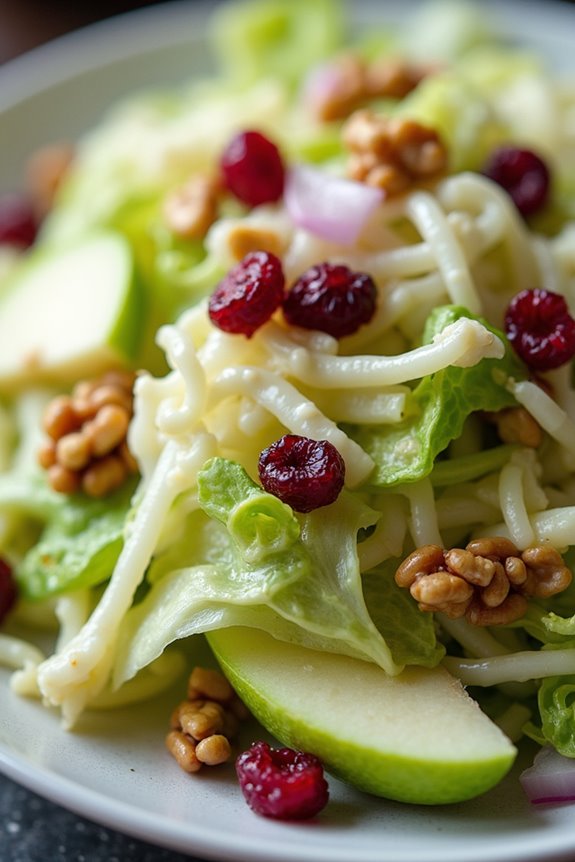
Cabbage Salad With Apples and Walnuts is a invigorating and nutritious dish that combines the crunch of fresh cabbage with the sweetness of apples and the richness of walnuts. This colorful salad is perfect for a light lunch or as a side dish for dinner.
It isn’t only delicious but also packed with vitamins and healthy fats, making it a great choice for a health-conscious meal. The contrasting textures and flavors in this salad make it a delightful addition to any table.
This salad is incredibly easy to prepare and can be made in just a few minutes, making it ideal for busy weeknight dinners or as part of a meal prep routine. The combination of tart apples and crunchy walnuts adds a satisfying bite, while a light dressing ties all the elements together beautifully.
Whether you’re hosting a gathering or simply looking to enjoy a wholesome dish, Cabbage Salad With Apples and Walnuts is sure to impress.
Ingredients (serving size: 4-6 people)
- 4 cups shredded green cabbage
- 1 large apple, cored and thinly sliced (preferably a tart variety like Granny Smith)
- 1 cup walnuts, roughly chopped
- ½ cup dried cranberries (optional)
- ¼ cup red onion, thinly sliced
- ½ cup Greek yogurt or mayonnaise (for dressing)
- 2 tablespoons apple cider vinegar
- 1 tablespoon honey or maple syrup
- Salt and pepper to taste
Cooking Instructions
- Prepare the Cabbage: Start by thoroughly washing the cabbage. Remove any outer leaves that may be wilted or damaged. Using a sharp knife or a mandoline, shred the cabbage into thin strips, and place it in a large mixing bowl.
- Slice the Apples: Core the apple and slice it thinly. If you prefer, you can leave the skin on for added texture and nutrients. Add the apple slices to the bowl with the cabbage, ensuring to mix them gently to combine.
- Chop the Walnuts: Roughly chop the walnuts and add them to the bowl. If you prefer a toasted flavor, you can preheat a skillet over medium heat and toast the walnuts for about 5 minutes, stirring frequently until they’re golden and fragrant. Allow them to cool before adding to the salad.
- Add Other Ingredients: Incorporate the dried cranberries (if using) and the thinly sliced red onion into the salad mixture. These ingredients will add additional flavors and textures that complement the cabbage and apples.
- Prepare the Dressing: In a separate small bowl, whisk together the Greek yogurt or mayonnaise, apple cider vinegar, honey or maple syrup, and a pinch of salt and pepper. Adjust the sweetness and acidity according to your taste preferences.
- Combine Everything: Pour the dressing over the cabbage mixture and toss everything together until well coated. Make sure to mix gently to avoid bruising the cabbage and apples.
- Let It Sit: Allow the salad to sit for about 10 minutes before serving. This resting time will help the flavors meld and the cabbage to soften slightly.
Extra Tips
For added flavor, consider experimenting with different types of apples or nuts. You can also incorporate additional ingredients such as shredded carrots or sliced bell peppers for more color and nutrition.
If you want to make this salad ahead of time, keep the dressing separate until just before serving to maintain the crispness of the cabbage. This salad can be stored in the refrigerator for up to 2 days, but it’s best enjoyed fresh.
Borscht
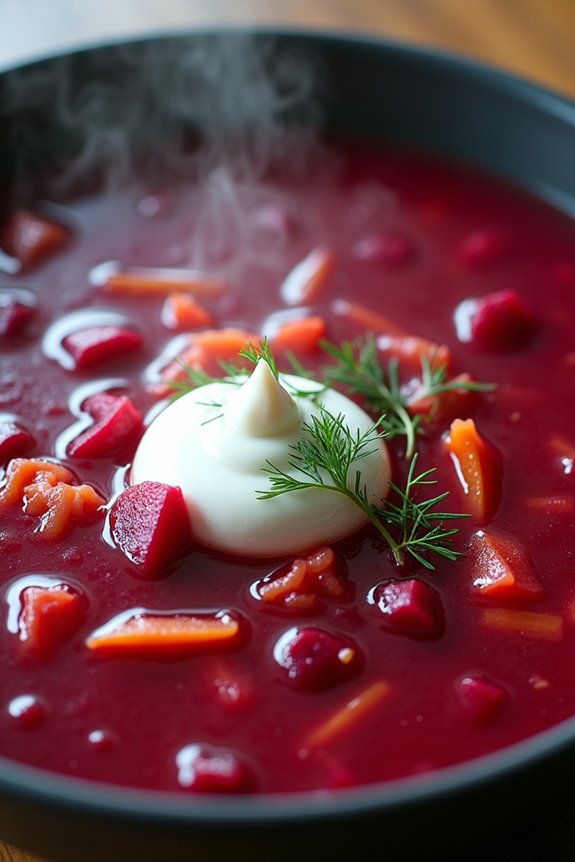
Borscht is a traditional Eastern European soup that showcases the vibrant colors and flavors of beets, often complemented by other vegetables and sometimes meat. This hearty and nutritious dish is deeply rooted in the culinary traditions of countries like Ukraine, Russia, and Poland. Its striking red hue isn’t only visually appealing but also makes it a favorite among many, as it can be enjoyed hot or cold, depending on personal preference.
For those looking to explore the versatility of cabbage, borscht often includes shredded cabbage, which adds texture and depth to the soup. Making borscht at home allows you to customize the ingredients to suit your taste, while also enjoying the health benefits of the vegetables it contains. The key to a great borscht lies in the balance of flavors, with the sweetness of the beets being offset by the acidity of vinegar or lemon juice.
Whether served with a dollop of sour cream and fresh dill or alongside crusty bread, this dish is sure to warm the soul and satisfy the appetite.
Ingredients (Serves 4-6):
- 2 medium beets, peeled and grated
- 1 medium onion, diced
- 2 medium carrots, grated
- 2 medium potatoes, peeled and diced
- 1 cup shredded cabbage
- 1 tablespoon vegetable oil
- 4 cups vegetable or beef broth
- 2 tablespoons tomato paste
- 1 tablespoon vinegar (apple cider or white)
- 1 teaspoon sugar
- Salt and pepper to taste
- Fresh dill, for garnish
- Sour cream, for serving (optional)
Cooking Instructions:
- Prepare the Vegetables: Start by peeling and grating the beets and carrots, dicing the onion and potatoes, and shredding the cabbage. Having all your vegetables ready will make cooking more efficient and organized.
- Sauté the Aromatics: In a large pot, heat the vegetable oil over medium heat. Add the diced onion and sauté until it becomes translucent, about 5 minutes. This helps to build the base flavor for your borscht.
- Add the Root Vegetables: Stir in the grated beets and carrots, and cook for an additional 5-7 minutes, stirring occasionally. This allows the beets to soften slightly and release their vibrant color into the pot.
- Incorporate the Broth: Pour in the vegetable or beef broth, then add the diced potatoes and shredded cabbage. Bring the mixture to a boil, then reduce the heat to a simmer. Cover and let cook for about 20 minutes, or until the vegetables are tender.
- Season the Soup: After the vegetables are tender, stir in the tomato paste, vinegar, sugar, salt, and pepper. The vinegar adds a necessary acidity that balances the sweetness of the beets. Allow the soup to simmer for another 5-10 minutes to let the flavors meld.
- Serve and Garnish: Once cooked, ladle the borscht into bowls and garnish with fresh dill and a dollop of sour cream, if desired. The sour cream adds creaminess and a contrasting flavor that enhances the overall experience.
Extra Tips:
When making borscht, feel free to adjust the sweetness and acidity to your liking by adding more sugar or vinegar if needed. You can also experiment with different herbs and spices like bay leaves or garlic to enhance the flavor further.
If you have leftover borscht, it tastes even better the next day as the flavors continue to develop. Store it in an airtight container in the refrigerator for up to three days or freeze it for longer shelf life. Enjoy your borscht hot or cold, and serve it with a slice of crusty bread for the perfect meal!
Cabbage Soup
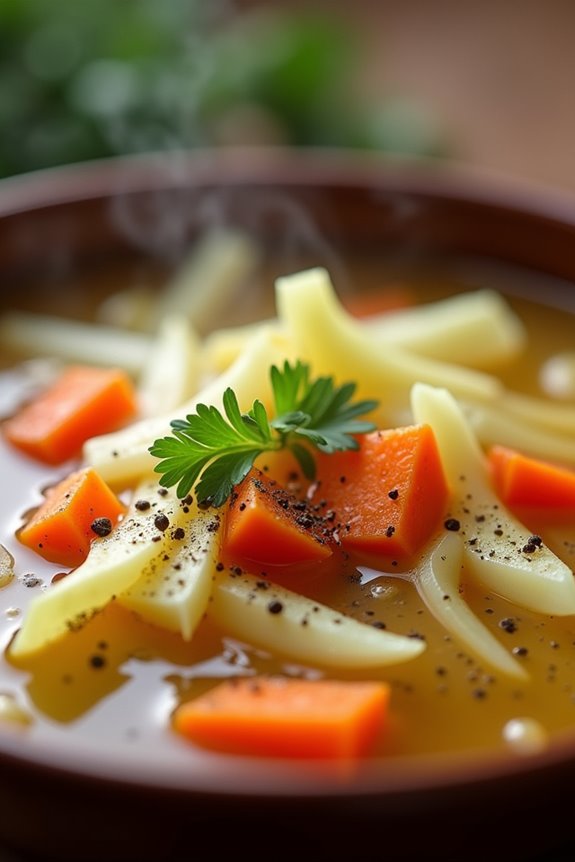
Cabbage soup is a hearty and nourishing dish that showcases the versatility of cabbage while providing a comforting meal option. This soup isn’t only easy to prepare, but it also allows for a variety of ingredient adjustments based on personal taste preferences or what you have on hand. Packed with vegetables and flavor, cabbage soup can serve as a great starter, a light lunch, or a satisfying dinner on its own.
The beauty of cabbage soup lies in its simplicity and health benefits. Cabbage is low in calories but high in vitamins and minerals, making this soup an excellent choice for those looking to maintain a balanced diet. Whether you prefer a classic version with just a few ingredients or wish to add meat or other vegetables, this recipe provides a delicious foundation to build upon.
Ingredients (Serves 4-6):
- 1 medium head of cabbage, chopped
- 1 large onion, diced
- 2 carrots, sliced
- 2 celery stalks, chopped
- 3 cloves of garlic, minced
- 6 cups of vegetable or chicken broth
- 1 can (14.5 oz) diced tomatoes, undrained
- 1 tablespoon olive oil
- 1 teaspoon dried thyme
- 1 teaspoon paprika
- Salt and pepper, to taste
- Optional: 1 cup cooked beans or lentils for added protein
Cooking Instructions:
- Prepare the Vegetables: Start by washing and chopping all the vegetables. Chop the cabbage into bite-sized pieces, dice the onion, slice the carrots, and chop the celery. Mince the garlic cloves. This preparation will guarantee that all ingredients are ready to be added at the right time during the cooking process.
- Sauté the Aromatics: In a large pot, heat the olive oil over medium heat. Add the diced onion, sliced carrots, and chopped celery to the pot. Sauté these vegetables for about 5-7 minutes, or until they’re softened and the onions become translucent. This step builds the flavor base for your soup.
- Add Garlic and Spices: Once the vegetables are sautéed, add the minced garlic, dried thyme, and paprika to the pot. Stir and cook for an additional 1-2 minutes until the garlic becomes fragrant. This step enhances the soup’s flavor profile and adds depth to the overall dish.
- Combine with Broth and Cabbage: Pour in the vegetable or chicken broth and add the chopped cabbage along with the can of diced tomatoes (including juice). Stir everything together to combine. Bring the mixture to a boil, then reduce the heat to a simmer.
- Simmer the Soup: Let the soup simmer uncovered for about 25-30 minutes, or until the cabbage is tender and the flavors meld together. Stir occasionally to prevent sticking. This step allows the ingredients to cook through and guarantees that all the flavors develop harmoniously.
- Season and Serve: After simmering, taste the soup and season with salt and pepper to your liking. If you’re adding cooked beans or lentils, stir them in at this stage to heat through. Ladle the soup into bowls and enjoy hot.
Extra Tips:
For an extra layer of flavor, consider adding a splash of vinegar or a squeeze of lemon juice just before serving to brighten up the soup. You can also customize this recipe by incorporating other vegetables like bell peppers, zucchini, or spinach based on what you have.
Additionally, feel free to experiment with herbs and spices such as bay leaves or cumin for a unique twist. Cabbage soup can also be stored in the refrigerator for several days, making it a great meal prep option!
Cabbage and Bean Stew
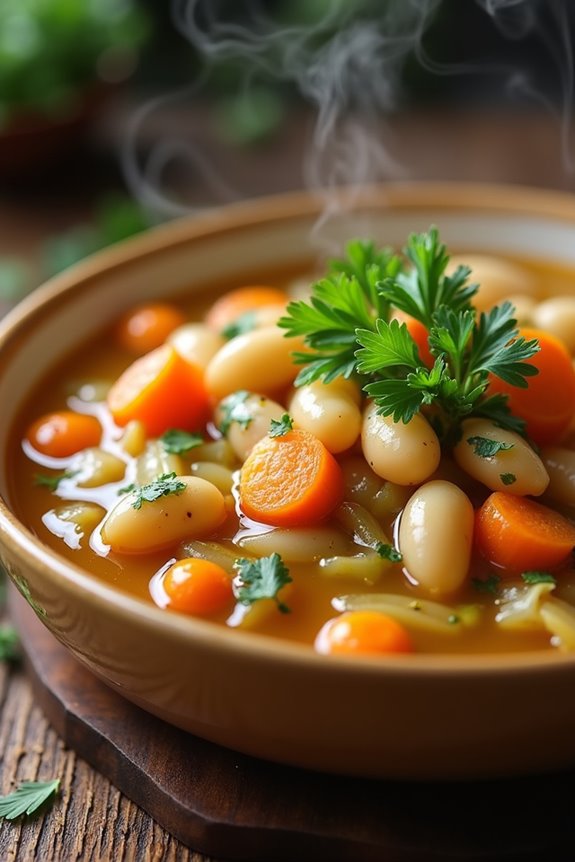
Cabbage and Bean Stew is a hearty and nutritious dish that’s perfect for those chilly days when you need something warm and comforting. This stew combines the earthy flavors of cabbage with protein-packed beans, creating a satisfying meal that can be enjoyed by vegetarians and meat-eaters alike.
It’s not only delicious but also budget-friendly, making it an excellent option for families or anyone looking to eat healthy without breaking the bank.
This stew is a great way to incorporate more vegetables into your diet while also being versatile enough to adapt to your taste preferences. You can use any type of beans you have on hand, whether they be kidney beans, cannellini beans, or black beans.
Additionally, feel free to add other vegetables such as carrots or potatoes to enhance the flavor and texture of the dish. Serve it with crusty bread for a complete meal that will leave you feeling satisfied and nourished.
Ingredients (serving size: 4-6 people):
- 1 medium head of green cabbage, chopped
- 2 cans (15 oz each) of beans (your choice: kidney, black, or cannellini), drained and rinsed
- 1 large onion, diced
- 3 cloves garlic, minced
- 2 carrots, sliced
- 4 cups vegetable broth
- 1 teaspoon dried thyme
- 1 teaspoon smoked paprika
- 2 tablespoons olive oil
- Salt and pepper, to taste
- Fresh parsley, for garnish (optional)
Cooking Instructions:
- Prepare the Ingredients: Start by washing and chopping your cabbage into bite-sized pieces. Dice the onion, mince the garlic, and slice the carrots. Rinsing the beans under cold water helps remove excess sodium and guarantees they’re clean.
- Sauté the Aromatics: In a large pot or Dutch oven, heat the olive oil over medium heat. Once hot, add the diced onion and sauté for about 5 minutes, or until the onion becomes translucent. Add the minced garlic and sliced carrots, cooking for an additional 2-3 minutes until fragrant.
- Add the Cabbage: Stir in the chopped cabbage, allowing it to wilt and reduce in volume. This should take about 5 minutes. Stir occasionally to make sure the cabbage doesn’t stick to the pot.
- Incorporate the Broth and Beans: Pour in the vegetable broth and add the drained beans to the pot. Stir in the dried thyme and smoked paprika, then season with salt and pepper to taste. Bring the mixture to a gentle boil.
- Simmer the Stew: Reduce the heat to low and cover the pot. Let the stew simmer for about 30-40 minutes, stirring occasionally. This allows the flavors to meld together and the cabbage to become tender.
- Final Adjustments: After simmering, taste the stew and adjust the seasoning if necessary. If you prefer a thicker stew, you can mash some of the beans against the side of the pot to thicken the broth.
- Serve: Ladle the stew into bowls and garnish with fresh parsley if desired. Serve hot, preferably with some crusty bread on the side.
Extra Tips:
For an extra layer of flavor, consider adding a splash of vinegar or a squeeze of lemon juice just before serving to brighten the dish.
Additionally, you can customize the stew by including other vegetables like potatoes or bell peppers, or even adding spices such as cumin or chili powder for a kick.
This stew keeps well in the fridge for several days, making it a great option for meal prep or leftovers. Enjoy!
Pickled Cabbage
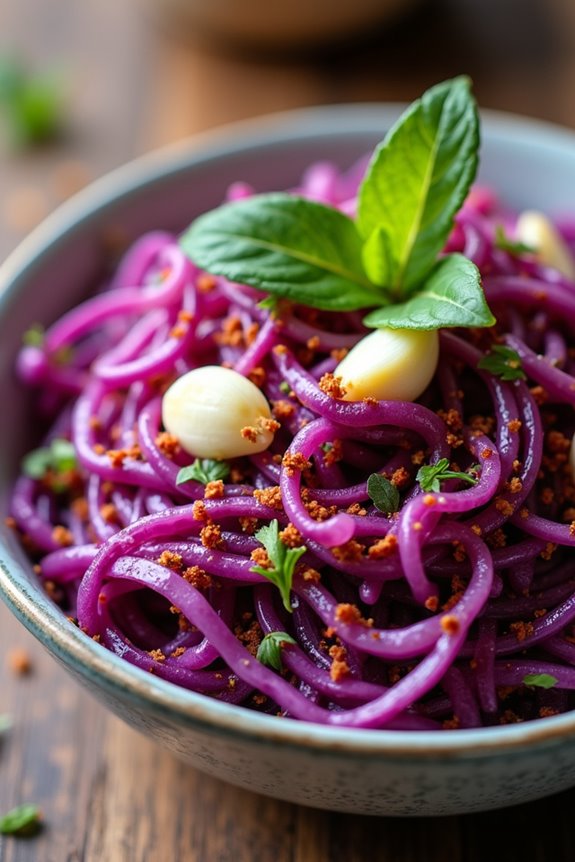
Pickled cabbage is a tangy and crunchy side dish that can elevate any meal, adding a burst of flavor and a delightful texture. This traditional preparation combines the natural sweetness of cabbage with a vinegar-based brine, resulting in a revitalizing condiment that pairs well with sandwiches, tacos, or grilled meats.
The process is simple and can be customized with various spices and herbs, making it a versatile addition to your culinary repertoire. Making pickled cabbage isn’t only easy but also a great way to preserve this nutritious vegetable. The acidity of the pickling solution helps to break down the cabbage, enhancing its flavor and extending its shelf life.
Whether you’re preparing a batch for a family gathering or just to enjoy at home, this pickled cabbage recipe is sure to impress with its vibrant color and zesty taste.
Ingredients (Serves 4-6):
- 1 medium head of cabbage (green or red)
- 1 cup white vinegar
- 1 cup water
- ½ cup granulated sugar
- 2 tablespoons salt
- 1 teaspoon mustard seeds
- 1 teaspoon celery seeds
- 1 teaspoon red pepper flakes (optional)
- 3 cloves garlic, thinly sliced
- 1 bay leaf
Cooking Instructions:
- Prepare the Cabbage: Begin by removing the outer leaves of the cabbage and discarding them. Cut the cabbage into quarters and remove the core. Slice the cabbage into thin strips, about 1/4 inch thick. You can also use a mandoline for even slices. Place the cabbage in a large mixing bowl.
- Make the Brine: In a medium saucepan, combine the white vinegar, water, granulated sugar, and salt. Add the mustard seeds, celery seeds, red pepper flakes (if using), sliced garlic, and bay leaf. Bring the mixture to a boil over medium heat, stirring occasionally until the sugar and salt have fully dissolved.
- Combine Cabbage and Brine: Once the brine has reached a boil, carefully pour it over the sliced cabbage in the mixing bowl. Make sure the cabbage is fully submerged in the brine. If necessary, you can place a plate on top of the cabbage to weigh it down.
- Cool and Store: Allow the cabbage to cool to room temperature. Once cooled, transfer the mixture to airtight containers or jars, making sure to include some of the brine. Seal the containers and refrigerate for at least 24 hours before serving. The pickled cabbage can be stored in the refrigerator for up to two weeks.
- Serve and Enjoy: After the pickling process is complete, your cabbage will be ready to enjoy! Use it as a tangy side dish, a topping for tacos, or an addition to salads for an extra crunch.
Extra Tips: When pickling cabbage, feel free to experiment with additional spices such as dill seeds, coriander seeds, or even whole peppercorns to enhance the flavor profile. To adjust the sweetness or acidity, modify the amount of sugar and vinegar according to your taste preference.
Additionally, if you’re short on time, you can let the cabbage sit in the brine for just a few hours before serving, but for the best flavor, allow it to pickle overnight.
Cabbage Pancakes

Cabbage pancakes are a delightful and versatile dish that can be enjoyed at any time of the day. These savory pancakes are made with finely shredded cabbage mixed with flour and other ingredients, resulting in a crispy exterior and a tender interior. They can be served as a main dish, a side, or even a snack, making them a great addition to your culinary repertoire.
Whether you’re looking to use up some leftover cabbage or simply want to try something new, cabbage pancakes are guaranteed to please your taste buds. This recipe for cabbage pancakes isn’t only easy to prepare but also healthy, allowing you to incorporate more vegetables into your diet. You can customize the pancakes by adding your favorite spices or herbs and even include other vegetables for added flavor and nutrition.
This dish serves 4-6 people, making it perfect for a family meal or a gathering with friends.
Ingredients
- 4 cups shredded cabbage
- 1 cup all-purpose flour
- 2 large eggs
- 1/2 cup milk
- 1/4 cup chopped green onions
- 1 teaspoon salt
- 1/2 teaspoon black pepper
- 1/2 teaspoon garlic powder
- 1/2 teaspoon paprika (optional)
- Oil for frying
Cooking Instructions
- Prepare the Cabbage: Begin by finely shredding the cabbage using a sharp knife or a food processor. Aim for small, even pieces to make certain the pancakes hold together well. Once shredded, place the cabbage in a large mixing bowl and sprinkle with salt. Allow it to sit for about 10 minutes to wilt slightly and release some moisture.
- Make the Batter: In a separate bowl, whisk together the eggs and milk until well combined. Gradually add the flour, mixing until you have a smooth batter. Make sure there are no lumps, as this will help the pancakes cook evenly. Incorporate the garlic powder, black pepper, and paprika if using, stirring until everything is mixed in.
- Combine Ingredients: Add the wilted cabbage and chopped green onions to the batter. Mix thoroughly, making certain that the cabbage is evenly coated with the batter. The mixture should be thick but still pourable. Adjust the consistency by adding a little more flour or milk if necessary.
- Fry the Pancakes: In a large skillet, heat a couple of tablespoons of oil over medium heat. Once the oil is hot, drop spoonfuls of the cabbage mixture into the skillet, flattening them slightly with the back of a spatula. Cook for about 3-4 minutes on each side or until golden brown and crispy. Make sure not to overcrowd the pan; cook in batches if needed.
- Drain and Serve: Once cooked, transfer the pancakes to a paper towel-lined plate to absorb any excess oil. Serve warm with your favorite dipping sauce or on their own. Enjoy your delicious cabbage pancakes!
Extra Tips
When making cabbage pancakes, feel free to experiment with different spices and add-ins to suit your taste preferences. For a bit of heat, consider adding some finely chopped jalapeños or a dash of hot sauce to the batter.
Additionally, these pancakes can be stored in the refrigerator for a few days and reheated in a skillet or toaster for a quick meal. Enjoy your cooking adventure with cabbage pancakes!
Stuffed Cabbage With Tomato Sauce

Stuffed cabbage rolls are a comforting and hearty dish that has been enjoyed in various cultures around the world. This particular recipe features tender cabbage leaves filled with a savory mixture of ground meat, rice, and aromatic spices, all simmered in a rich tomato sauce. The combination of flavors and textures makes this dish a favorite for family dinners or gatherings.
Making stuffed cabbage with tomato sauce can be a rewarding experience, as it allows you to create a delicious meal that’s both visually appealing and satisfying. The process may take some time, but the end result is well worth the effort. As the cabbage rolls cook, they absorb the flavors of the sauce, resulting in a dish that’s bursting with taste and warmth.
Ingredients (Serves 4-6):
- 1 large head of cabbage
- 1 pound ground beef (or ground turkey)
- 1 cup uncooked rice
- 1 medium onion, finely chopped
- 2 cloves garlic, minced
- 1 teaspoon paprika
- 1 teaspoon salt
- 1/2 teaspoon black pepper
- 1 can (15 oz) tomato sauce
- 1 can (14.5 oz) diced tomatoes
- 1 tablespoon brown sugar
- 1 tablespoon Worcestershire sauce
- 1 teaspoon dried oregano
- 1 tablespoon olive oil
- Fresh parsley, chopped (for garnish)
Cooking Instructions:
- Prepare the Cabbage: Begin by bringing a large pot of water to a boil. Carefully remove the core from the cabbage head. Once the water is boiling, submerge the entire head of cabbage for approximately 5-7 minutes, or until the leaves are tender and pliable. Remove the cabbage from the pot and allow it to cool slightly. Gently peel off about 12-14 outer leaves, trying to keep them intact.
- Make the Filling: In a large mixing bowl, combine the ground meat, uncooked rice, chopped onion, minced garlic, paprika, salt, and black pepper. Mix well until all ingredients are evenly incorporated. This mixture will be used to fill the cabbage leaves.
- Stuff the Cabbage Leaves: Take one cabbage leaf and place about 2-3 tablespoons of the filling at the base of the leaf. Fold in the sides and roll tightly from the base to the tip, securing the filling inside. Repeat this process with the remaining leaves and filling.
- Prepare the Sauce: In a separate bowl, combine the tomato sauce, diced tomatoes, brown sugar, Worcestershire sauce, and oregano. Stir well to mix all ingredients.
- Assemble and Cook: In a large pot or Dutch oven, add a thin layer of the tomato sauce mixture to the bottom. Place the stuffed cabbage rolls seam-side down in the pot, packing them closely together. Pour the remaining tomato sauce over the rolls, ensuring they’re covered. Bring to a simmer over medium heat, then cover and reduce the heat to low. Let the cabbage rolls cook for about 45 minutes to 1 hour, or until the rice is cooked through and the flavors meld together.
- Serve: Once cooked, carefully remove the cabbage rolls from the pot. Serve them hot, garnished with chopped fresh parsley. Enjoy your stuffed cabbage rolls with your favorite side dish or crusty bread.
Extra Tips:
When making stuffed cabbage, it’s important to choose a cabbage that has loose leaves, as this will make it easier to roll. If you have leftover filling, you can use it to make a small meatloaf or mix it with other vegetables for a side dish.
Additionally, feel free to customize the filling by adding ingredients like chopped bell peppers or grated carrots for extra flavor and nutrition. If you prefer a vegetarian version, substitute the meat with cooked lentils or mushrooms.
