


Portugal has a way of making you feel right at home with its heartwarming dishes. Each recipe, from the savory Bacalhau À Brás to the comforting Caldo Verde, brings a taste of tradition and love to the table. These meals are more than just food; they are an invitation to savor the rich flavors of Portuguese culture. If you’re ready to explore the essence of Portugal through its ultimate comfort foods, let’s delve into these delightful recipes together.
Bacalhau À Brás

Bacalhau À Brás is a traditional Portuguese dish that beautifully showcases the beloved salted cod, or bacalhau, which is a staple in Portuguese cuisine. This dish combines the flavors of flaky cod with finely shredded potatoes, eggs, and olives, creating a harmonious blend of textures and tastes that’s both comforting and satisfying.
Often enjoyed as a hearty meal during festive occasions or family gatherings, Bacalhau À Brás isn’t only a celebration of Portuguese flavors but also a reflection of the creative ways in which cod can be prepared.
The origins of Bacalhau À Brás are rooted in the vibrant culinary traditions of Lisbon, where it’s commonly found in restaurants and homes alike. The dish is typically garnished with black olives and fresh parsley, adding a pop of color and flavor to the golden-hued mixture.
Simple yet elegant, Bacalhau À Brás is a dish that resonates with anyone who appreciates the rich heritage of Portuguese cooking.
Ingredients (serves 4-6):
- 500g (1 lb) salted cod (bacalhau)
- 4 medium potatoes
- 1 large onion, finely chopped
- 3 cloves of garlic, minced
- 4 large eggs
- 100ml (about ½ cup) olive oil
- 100g (about ½ cup) black olives, pitted and sliced
- Fresh parsley, chopped (for garnish)
- Salt and pepper to taste
Cooking Instructions:
1. Prepare the Cod: Start by soaking the salted cod in cold water for 24-48 hours, changing the water several times to remove excess salt. Once the cod is desalted, bring a pot of water to a boil, add the cod, and cook for about 10-15 minutes until tender.
Once cooked, remove the cod, let it cool slightly, and then flake it into bite-sized pieces, discarding the skin and bones.
2. Fry the Potatoes: While the cod is cooking, peel the potatoes and cut them into thin matchsticks or use a mandoline for uniformity. Heat about 50ml of olive oil in a large frying pan over medium heat.
Add the potatoes and fry until golden and crispy, stirring occasionally to guarantee even cooking. Once done, remove the potatoes from the pan and place them on paper towels to drain excess oil.
3. Cook the Aromatics: In the same frying pan, add the remaining olive oil and sauté the chopped onion over medium heat until translucent, about 5 minutes.
Add the minced garlic and cook for another minute until fragrant, being careful not to let it burn.
4. Combine and Cook: Add the flaked cod to the pan with the onions and garlic, mixing well to combine. Then, gently fold in the fried potatoes.
In a separate bowl, whisk the eggs, seasoning them with salt and pepper. Pour the eggs over the cod and potato mixture, stirring continuously until the eggs are just set and everything is well combined, about 3-5 minutes.
5. Serve: Once the eggs are cooked to your liking, remove the pan from the heat. Transfer the Bacalhau À Brás to a serving dish, garnishing with the sliced black olives and chopped parsley.
Serve hot, accompanied by crusty bread if desired.
Extra Tips:
When preparing Bacalhau À Brás, it’s important to adjust the salt levels carefully since the cod can be quite salty. Always taste the dish before adding extra salt.
For added flavor, consider incorporating some diced bell peppers or using a splash of white wine while cooking the onions. If you prefer a creamier texture, you can add a little bit of cream or milk to the eggs before mixing them in.
Enjoy this delightful dish with a side salad or simply on its own for a comforting meal!
Caldo Verde
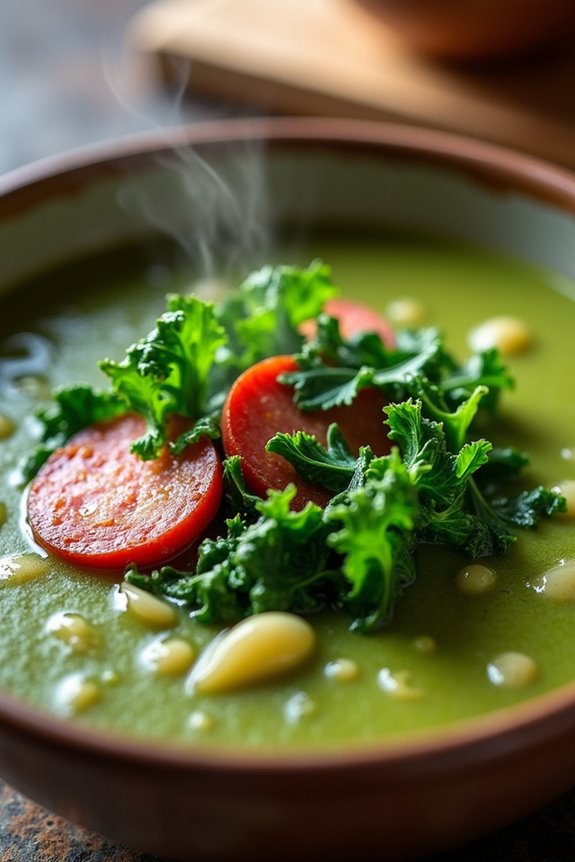
Caldo Verde, a beloved traditional Portuguese soup, is the epitome of comfort food. Originating from the northern region of Portugal, this dish is characterized by its simple yet hearty ingredients that come together to create a warm, satisfying meal. The key components include finely shredded kale, potatoes, and chorizo, which combine to produce a vibrant green soup that’s as delightful to the taste buds as it’s to the eyes.
Often enjoyed as a starter or a light meal, Caldo Verde is perfect for chilly evenings or as a nourishing dish to share with family and friends.
Preparing Caldo Verde isn’t only easy but also allows for variations depending on personal preferences. While the classic recipe is already delicious, some may choose to add a splash of olive oil or a sprinkle of paprika for an extra layer of flavor. The comforting aroma of the simmering soup will fill your kitchen, inviting everyone to gather around the table.
This recipe serves 4-6 people, making it a great option for both small and larger gatherings.
Ingredients (for 4-6 servings):
- 1 pound of potatoes, peeled and diced
- 1 large onion, chopped
- 2 cloves of garlic, minced
- 6 cups of water or chicken broth
- 1 pound of kale (or collard greens), finely shredded
- 1-2 chorizo sausages, sliced
- 3 tablespoons of olive oil
- Salt and pepper, to taste
- Optional: Crusty bread for serving
Cooking Instructions:
- Sauté the Aromatics: In a large pot, heat the olive oil over medium heat. Add the chopped onion and minced garlic. Sauté for about 5 minutes, or until the onion becomes translucent and fragrant. This step builds a flavorful base for your soup.
- Cook the Potatoes: Add the diced potatoes to the pot, followed by the water or chicken broth. Bring the mixture to a boil, then reduce the heat to a simmer. Cook for about 15-20 minutes, or until the potatoes are tender. This softening of the potatoes is essential as it will help thicken the soup when blended.
- Puree the Soup: Once the potatoes are tender, use an immersion blender or carefully transfer the mixture to a regular blender. Blend until smooth, creating a creamy base for your Caldo Verde. If using a blender, be sure to allow the steam to escape to avoid splattering.
- Add the Kale and Chorizo: Return the pureed soup to the pot if using a regular blender. Stir in the finely shredded kale and sliced chorizo. Simmer for an additional 10-15 minutes, or until the kale is tender and bright green. This step adds both texture and the signature flavor of Caldo Verde.
- Season and Serve: Taste the soup and season with salt and pepper as needed. Serve hot, drizzled with a little extra olive oil if desired, and alongside crusty bread for a complete meal. The finishing touches enhance the presentation and flavor of your soup.
Extra Tips:
When making Caldo Verde, consider using fresh, high-quality ingredients for the best results. If you’re looking for a vegetarian version, you can omit the chorizo and substitute vegetable broth for chicken broth.
Additionally, for a creamier texture, you can add a splash of heavy cream or milk after blending the soup. Remember to adjust the seasoning according to your taste, and don’t hesitate to experiment with different greens or spices to make the dish your own!
Francesinha

Francesinha, a beloved Portuguese comfort food, originates from the vibrant city of Porto. This hearty sandwich is renowned for its layers of succulent meats, enveloped in a rich and spicy tomato and beer sauce, and topped with melted cheese.
Often compared to the French croque-monsieur, the Francesinha stands out due to its unique combination of flavors and ingredients, making it a true culinary gem of Portugal. Traditionally served with a side of French fries, this dish is perfect for gatherings, celebrations, or simply a cozy night in.
Making a Francesinha may seem intimidating, but with the right ingredients and a little patience, you can create a dish that will impress your family and friends. The key to a great Francesinha lies in its sauce, which is both flavorful and slightly spicy, providing a perfect balance to the richness of the meats.
Serve this dish warm, and enjoy it with a cold beer for an authentic Portuguese experience.
Ingredients (Serves 4-6):
- 4 slices of thick white bread
- 200g of linguiça (smoked sausage), sliced
- 200g of fresh sausage (like chorizo or pork sausage), sliced
- 200g of steak (sirloin or flank), cooked and sliced
- 4 slices of cheese (preferably a melting cheese like cheese from the Azores or mozzarella)
- 1 cup of beer (lager or stout)
- 1 cup of tomato sauce
- 2 tablespoons of piri-piri sauce (or hot sauce)
- 1 tablespoon of Worcestershire sauce
- 1 tablespoon of olive oil
- 1 onion, finely chopped
- 2 cloves of garlic, minced
- Salt and pepper to taste
- French fries for serving (optional)
Cooking Instructions:
- Prepare the Sauce: In a medium saucepan, heat the olive oil over medium heat. Add the chopped onion and minced garlic, sautéing until the onion is translucent. This will create a flavorful base for the sauce.
- Add the Liquids: Pour in the beer, tomato sauce, piri-piri sauce, and Worcestershire sauce. Stir well to combine all ingredients. Allow the mixture to simmer for about 15-20 minutes, letting the flavors meld together. Season with salt and pepper to taste.
- Assemble the Sandwiches: On a slice of bread, layer the sliced steak, linguiça, and fresh sausage. Top with another slice of bread, creating a sandwich. Repeat this process for the remaining sandwiches.
- Toast the Sandwiches: In a large skillet or griddle, lightly toast the assembled sandwiches on both sides until golden brown. This will add a nice texture to the bread and help hold the fillings together.
- Add the Sauce and Cheese: Place the toasted sandwiches in a baking dish. Pour the prepared sauce generously over each sandwich, ensuring they’re well-covered. Top each sandwich with a slice of cheese.
- Melt the Cheese: Preheat your oven to 180°C (350°F) and bake the sandwiches for about 10-15 minutes, or until the cheese is melted and bubbly.
- Serve: Remove from the oven and serve immediately with a side of French fries, if desired. Enjoy your Francesinha while it’s hot!
Extra Tips: When making a Francesinha, feel free to customize the meats to your liking or even add layers of ham or roast beef for an extra twist.
The sauce can also be adjusted to your preferred spice level; adding more piri-piri will enhance the heat. For an even richer flavor, consider letting the sauce simmer longer, and serve with a cold beer for an authentic Portuguese meal experience.
Pastéis De Nata

Pastéis de Nata, also known as Portuguese custard tarts, are a deliciously rich dessert that has gained popularity worldwide. These iconic pastries are characterized by their flaky crust and creamy, caramelized custard filling. Originally from Lisbon, they’re often served warm with a sprinkle of cinnamon or powdered sugar, making them an irresistible treat for any occasion.
Whether enjoyed as a sweet snack or a delightful finish to a meal, Pastéis de Nata embody the comforting essence of Portuguese cuisine.
Creating Pastéis de Nata at home may seem challenging, but with the right ingredients and a bit of patience, you can achieve that perfect blend of crisp pastry and luscious custard. The following recipe will guide you through each step, making sure that you can replicate the beloved flavors of this traditional dessert.
Gather your ingredients, roll up your sleeves, and get ready to impress your friends and family with these delightful tarts.
Ingredients (Serves 4-6 people):
- 1 package of puff pastry (about 17.3 oz)
- 1 cup whole milk
- 1/2 cup heavy cream
- 3/4 cup granulated sugar
- 1/4 cup all-purpose flour
- 1/2 teaspoon vanilla extract
- 1/4 teaspoon salt
- 6 large egg yolks
- Ground cinnamon (for sprinkling, optional)
- Powdered sugar (for sprinkling, optional)
Cooking Instructions:
- Prepare the Puff Pastry: Begin by preheating your oven to 425°F (220°C). Roll out the puff pastry on a lightly floured surface to make certain it’s thin. Cut out circles using a 3-inch cookie cutter or a glass, and then press each circle into the wells of a muffin tin, making sure they fit snugly and have some overhang.
- Make the Custard Filling: In a medium saucepan, combine the milk, heavy cream, and sugar. Heat over medium heat until the sugar dissolves and the mixture is warm but not boiling. In a separate bowl, whisk together the flour and salt. Gradually add the warm milk mixture to the flour, whisking continuously to prevent lumps.
- Incorporate the Egg Yolks: Once the milk mixture and flour are combined, return it to the saucepan over low heat. In a separate bowl, whisk the egg yolks and vanilla extract together. Gradually add the warm milk mixture to the egg yolks, whisking constantly. This step is essential to avoid scrambling the eggs.
- Cook the Custard: Continue cooking the custard mixture over low heat while stirring continuously until it thickens slightly, about 5-7 minutes. Remove from heat when it reaches a custard-like consistency. Let it cool slightly before pouring it into the prepared pastry shells.
- Bake the Tarts: Fill each puff pastry shell with the custard mixture, filling them about 3/4 full. Place the muffin tin in the preheated oven and bake for 15-20 minutes, or until the tops are golden brown and the custard is set with a slight jiggle in the center.
- Cool and Serve: Once baked, remove the tarts from the oven and allow them to cool in the tin for a few minutes before transferring them to a wire rack. Serve warm, dusted with ground cinnamon and powdered sugar if desired.
Extra Tips:
When making Pastéis de Nata, make sure that your puff pastry is cold for better flakiness. If you have time, refrigerate the pastry after shaping it in the muffin tin for about 30 minutes before baking. This helps the pastry maintain its shape and achieve a more desirable texture.
Experiment with the sweetness of the custard by adjusting the sugar levels to your taste. Enjoy your homemade Pastéis de Nata with a cup of coffee or tea for an authentic Portuguese experience!
Arroz De Marisco

Arroz De Marisco, or seafood rice, is a traditional Portuguese dish that beautifully combines the flavors of the sea with the soul-soothing qualities of rice. This hearty dish is often enjoyed during family gatherings or festive occasions, making it a beloved comfort food for many. The combination of fresh seafood, aromatic herbs, and rich broth creates a comforting meal that’s both satisfying and delicious.
In this recipe, we’ll guide you through making Arroz De Marisco from scratch, ensuring you capture the essence of this Portuguese classic. With a blend of shrimp, clams, and mussels, this dish isn’t only a feast for the eyes but also a celebration of fresh seafood. Gather your ingredients and get ready to impress your family and friends with this delightful dish!
Ingredients (Serves 4-6)
- 2 cups of Arborio rice
- 4 cups of seafood broth
- 1 cup of white wine
- 1 lb of shrimp, peeled and deveined
- 1 lb of mussels, scrubbed and debearded
- 1 lb of clams, scrubbed
- 1 large onion, finely chopped
- 4 cloves of garlic, minced
- 1 red bell pepper, diced
- 1 cup of diced tomatoes (fresh or canned)
- 1/4 cup of olive oil
- 1 teaspoon of smoked paprika
- Salt and black pepper to taste
- Fresh parsley, chopped (for garnish)
- Lemon wedges (for serving)
Cooking Instructions
- Prepare the Seafood Broth: In a large saucepan, bring the seafood broth to a simmer. This will be the base for your dish, and keeping it warm will help the rice cook evenly without dropping the temperature.
- Sauté the Aromatics: In a large skillet or paella pan, heat the olive oil over medium heat. Add the chopped onion, garlic, and diced red bell pepper. Sauté for about 5-7 minutes, or until the onion becomes translucent and fragrant.
- Add the Rice: Stir in the Arborio rice and cook for 2-3 minutes until the rice is lightly toasted. This step adds a nutty flavor to the rice and helps it to absorb the broth better.
- Deglaze with Wine: Pour in the white wine and let it simmer, stirring frequently, until the wine has mostly evaporated. This will enhance the flavor of the dish and add depth to the rice.
- Incorporate the Tomatoes and Spices: Add the diced tomatoes, smoked paprika, salt, and black pepper to the rice mixture. Stir well to combine all the ingredients.
- Add the Broth Gradually: Begin adding the warmed seafood broth, one cup at a time, stirring frequently. Allow the rice to absorb most of the liquid before adding more broth. Continue this process until the rice is cooked al dente, which should take about 15-20 minutes.
- Add the Seafood: Once the rice is almost done, gently fold in the shrimp, mussels, and clams. Cover the pan and cook for an additional 5-7 minutes, or until the seafood is cooked through and the mussels and clams have opened.
- Garnish and Serve: Remove the pan from heat and let it sit for a few minutes. Garnish with fresh parsley and serve with lemon wedges on the side for an extra zing of flavor.
Extra Tips
When cooking Arroz De Marisco, it’s essential to use fresh seafood for the best flavor. If you can’t find fresh ingredients, frozen seafood can be a good alternative.
Additionally, feel free to customize the seafood based on your preferences – squid and scallops are great additions!
Finally, don’t rush the cooking process; allowing the rice to absorb the broth slowly will result in a creamier texture, making your dish even more comforting.
Feijoada

Feijoada is a hearty and comforting Portuguese stew that has gained immense popularity in Brazil as well. This dish is traditionally made with black beans and a variety of salted or smoked meats, creating a rich and flavorful meal that warms the soul. The origins of feijoada can be traced back to the Portuguese settlers, who adapted their culinary practices to include local ingredients, leading to the creation of this beloved dish.
Often served with rice, collard greens, and orange slices, feijoada is a perfect representation of communal dining, where friends and family come together to enjoy a delicious meal.
Cooking feijoada requires some time and patience, but the end result is well worth the effort. The key to a great feijoada lies in selecting quality ingredients and allowing the flavors to meld together. This dish is often made in large batches, making it ideal for gatherings or family dinners.
Once prepared, feijoada can be stored in the refrigerator for several days, allowing the flavors to deepen even further. So, gather your ingredients and let’s get started on this comforting Portuguese classic!
Ingredients (Serves 4-6)
- 2 cups black beans, soaked overnight
- 1 tablespoon olive oil
- 1 onion, finely chopped
- 4 cloves garlic, minced
- 1 carrot, diced
- 1 bell pepper, diced
- 200g smoked sausage, sliced
- 200g chorizo sausage, sliced
- 200g pork shoulder, cubed
- 200g beef brisket, cubed
- 2 bay leaves
- 1 teaspoon smoked paprika
- 1 teaspoon cumin
- Salt and pepper to taste
- 4 cups chicken or beef broth
- 2 cups cooked rice, for serving
- Fresh cilantro, for garnish
- Orange slices, for serving
Cooking Instructions
- Prepare the Beans: Drain the soaked black beans and rinse them under cold water. Set aside. This step guarantees that the beans are clean and ready for cooking, removing any excess starch.
- Sauté the Vegetables: In a large pot or Dutch oven, heat the olive oil over medium heat. Add the chopped onion and minced garlic. Sauté for about 5 minutes or until the onion becomes translucent and fragrant. This forms the aromatic base for your feijoada.
- Add the Carrots and Bell Pepper: Stir in the diced carrot and bell pepper, cooking for another 5 minutes. This adds sweetness and depth to the stew, complementing the savory meats.
- Brown the Meats: Mix in the smoked sausage, chorizo, pork shoulder, and beef brisket. Cook for about 10 minutes, stirring occasionally, until the meats are browned on all sides. Browning the meat enhances the flavor of the dish, creating a delicious crust.
- Season the Mixture: Add the bay leaves, smoked paprika, cumin, salt, and pepper to the pot. Stir well to combine all the spices with the meat and vegetables, allowing the flavors to meld together beautifully.
- Add the Beans and Broth: Pour in the soaked black beans and the chicken or beef broth. Bring the mixture to a boil, then reduce the heat to low. Cover and let it simmer for about 2-3 hours, stirring occasionally. This slow cooking process allows the beans to become tender and the flavors to develop fully.
- Final Touches: After simmering, taste and adjust the seasoning if necessary. Remove the bay leaves before serving. The feijoada should be thick and hearty, perfect for scooping up with rice.
- Serve and Enjoy: Serve the feijoada hot over a bed of cooked rice, garnished with fresh cilantro and accompanied by orange slices on the side. The citrus from the orange balances the richness of the stew beautifully.
Extra Tips
For the best flavor, consider preparing the feijoada a day in advance and allowing it to sit overnight in the refrigerator. This resting period allows the flavors to intensify and meld together.
When reheating, add a little more broth if the stew has thickened too much. Additionally, feel free to customize the meats based on your preferences or what you have on hand—beef, pork, and various sausages all work well in this dish.
Finally, don’t forget the traditional accompaniments like rice, sautéed greens, and orange slices, which enhance the meal’s overall experience. Enjoy your homemade feijoada!
Bifana

Bifana is a beloved Portuguese dish that showcases the country’s rich culinary heritage, particularly its fondness for pork. This flavorful sandwich features thinly sliced marinated pork, often served in a crusty roll and topped with mustard or spicy sauce. Bifanas are commonly found in eateries across Portugal and are a favorite street food, making them ideal for a casual meal or a hearty snack.
The marinade typically incorporates garlic, bay leaves, and piri-piri, giving the meat a deliciously spicy kick that perfectly complements the tender texture of the pork.
To prepare Bifanas, the key is to allow the pork to marinate properly, which infuses the meat with robust flavors. Cooking it until it’s golden and slightly crispy guarantees a delightful contrast with the soft roll. Once assembled, you can enjoy the bifana with a side of fries or a simple salad, making it a well-rounded meal. Whether you’re sharing it with friends or indulging in it by yourself, this dish is sure to warm your heart and satisfy your cravings.
Ingredients (serves 4-6):
- 600g pork loin, thinly sliced
- 4 cloves of garlic, minced
- 2 bay leaves
- 1 teaspoon paprika
- 1 teaspoon piri-piri sauce (or to taste)
- 1 tablespoon white wine vinegar
- 2 tablespoons olive oil
- Salt and pepper to taste
- 4-6 crusty rolls
- Mustard or spicy sauce, for serving (optional)
Cooking Instructions:
- Marinate the Pork: In a bowl, combine the minced garlic, bay leaves, paprika, piri-piri sauce, white wine vinegar, olive oil, salt, and pepper. Add the thinly sliced pork loin to the marinade, making sure each piece is well coated. Cover the bowl and refrigerate for at least 2 hours, or preferably overnight, to allow the flavors to penetrate the meat.
- Prepare the Pan: After marinating, heat a large skillet or frying pan over medium-high heat. Add a tablespoon of olive oil to the pan, allowing it to heat up until shimmering. This will create a nice sear on the pork.
- Cook the Pork: Remove the pork from the marinade, allowing any excess marinade to drip off. Carefully place the pork slices in the hot pan in a single layer, making sure not to overcrowd the pan. Cook for about 3-4 minutes on each side, or until the pork is golden brown and cooked through. You may need to do this in batches depending on the size of your pan.
- Assemble the Sandwiches: Once the pork is cooked, remove it from the pan and let it rest for a minute. Slice the rolls in half and lightly toast them if desired. Place a generous amount of the cooked pork on the bottom half of each roll. If you like, spread mustard or a spicy sauce on top before placing the other half of the roll on top.
- Serve: Serve the bifanas hot with a side of fries or a simple salad for a complete meal.
Extra Tips:
When preparing Bifanas, be mindful of the thickness of the pork slices; they should be thin enough to absorb the marinade and cook quickly but thick enough to remain juicy.
If you like a bit more heat, feel free to add extra piri-piri sauce or even some sliced chili peppers to the marinade. Additionally, letting the pork marinate overnight will enhance the flavors, so plan ahead for the best results.
Enjoy your homemade Bifanas with a cold beer or a glass of Portuguese wine for a true taste of Portugal!
Polvo À Lagareiro
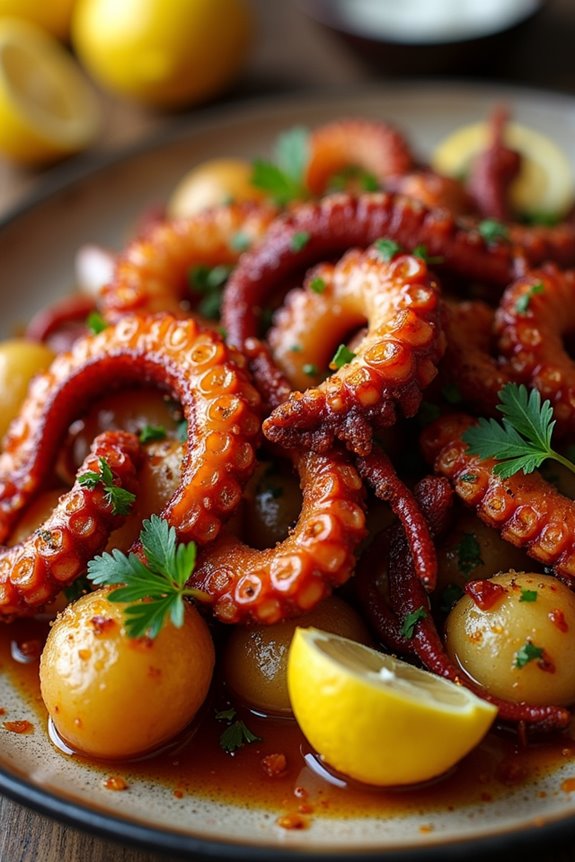
Polvo À Lagareiro is a beloved Portuguese dish that showcases the exquisite flavors of octopus, which is tenderized and then lovingly enveloped in a rich blend of olive oil, garlic, and herbs. Traditionally, this dish is served with boiled potatoes and sometimes finished off with a sprinkle of paprika, bringing warmth and flavor to the plate. The name “À Lagareiro” refers to the method of cooking that highlights the use of olive oil, a staple in Portuguese cuisine, emphasizing its importance in elevating the natural taste of the octopus.
Preparing Polvo À Lagareiro isn’t just about the cooking process; it’s an experience that captures the essence of Portuguese comfort food. The octopus is first boiled to achieve the perfect tenderness, then roasted with a generous drizzle of olive oil that enhances its flavor and gives it a delightful golden crust. This dish is ideal for family gatherings or special occasions, effortlessly combining simplicity with gourmet flair.
Ingredients (Serves 4-6)
- 1.5 kg (3.3 lbs) octopus
- 6-8 medium potatoes, peeled
- 1 cup extra virgin olive oil
- 6 cloves garlic, minced
- 1 tablespoon paprika
- Fresh parsley, chopped (for garnish)
- Salt and black pepper to taste
- Lemon wedges (for serving)
Cooking Instructions
- Boil the Octopus: Fill a large pot with water and add a generous pinch of salt. Bring the water to a boil, then carefully add the octopus. Boil for about 40-50 minutes or until the octopus is tender. To check for doneness, insert a fork into the thickest part of a tentacle; it should slide in easily. Once cooked, remove the octopus from the pot and let it cool slightly.
- Prepare the Potatoes: In the same boiling water (or in a separate pot), add the peeled potatoes and cook them until fork-tender, about 20-25 minutes. Drain and let them cool. Once cool enough to handle, cut the potatoes into halves or quarters, depending on their size.
- Preheat the Oven: Preheat your oven to 200°C (400°F). This will guarantee a nice roasting temperature for the octopus and potatoes.
- Prepare the Octopus for Roasting: Once the octopus has cooled, cut it into serving pieces, separating the tentacles. In a large bowl, combine the octopus pieces, minced garlic, paprika, salt, and pepper. Drizzle with half of the olive oil and mix well to coat the octopus evenly.
- Roast the Octopus and Potatoes: In a large baking dish, arrange the potatoes and place the marinated octopus on top. Drizzle the remaining olive oil over the entire dish. Roast in the preheated oven for about 20-25 minutes, or until the octopus is slightly charred and the potatoes are golden brown.
- Serve: Remove the dish from the oven and garnish with freshly chopped parsley. Serve hot with lemon wedges on the side for an added citrusy zing.
Extra Tips
When cooking Polvo À Lagareiro, the key to achieving tender octopus lies in the boiling process; don’t rush it, as undercooked octopus can be tough. For an added layer of flavor, consider marinating the octopus in the olive oil and garlic mixture for a few hours or overnight before roasting.
Additionally, feel free to experiment with herbs like bay leaves or thyme during the boiling process for extra depth in flavor. Enjoy this dish with a glass of Portuguese wine for a truly authentic experience!
Pão Com Chouriço

Pão Com Chouriço is a delightful Portuguese comfort food that combines the rich flavors of chouriço (a smoked sausage) with the soft and fluffy texture of bread. This dish is often enjoyed as a snack or appetizer, making it a popular choice for gatherings and family meals. The combination of the savory, spiced sausage enveloped in warm, freshly baked bread is bound to please anyone who takes a bite.
Making Pão Com Chouriço at home is easier than you might think. With just a few ingredients and some simple steps, you can recreate this traditional dish that embodies the heart and soul of Portuguese home cooking. Whether you’re looking to impress guests or simply enjoy a comforting meal, Pão Com Chouriço is a perfect choice for any occasion.
Ingredients (serving size: 4-6 people)
- 1 loaf of Portuguese bread (or a crusty baguette)
- 200g chouriço sausage, sliced
- 100g grated cheese (such as queijo da serra or mozzarella)
- 2 tablespoons olive oil
- 1 teaspoon smoked paprika (optional)
- Fresh parsley, chopped (for garnish)
- Salt and pepper, to taste
Cooking Instructions
- Preheat the Oven: Start by preheating your oven to 180°C (350°F). This guarantees that your bread will bake evenly and get the perfect crust.
- Prepare the Bread: Take the loaf of Portuguese bread and cut it lengthwise in half. If you prefer, you can also slice it into smaller pieces if you want individual servings. Make sure not to cut all the way through; you want to keep the bottom intact.
- Layer the Chouriço: Spread the olive oil evenly on the cut sides of the bread. Then, layer the sliced chouriço sausage generously over the oiled surface. You can adjust the amount of sausage according to your preference.
- Add Cheese and Seasoning: Sprinkle the grated cheese over the chouriço, making sure it covers the sausage completely. If using, dust the smoked paprika on top for extra flavor, and season with salt and pepper to taste.
- Bake the Bread: Place the prepared bread on a baking sheet and put it in the preheated oven. Bake for about 15-20 minutes, or until the cheese is melted and bubbly, and the edges of the bread are golden brown.
- Garnish and Serve: Once baked, remove the bread from the oven and let it cool slightly. Sprinkle some chopped fresh parsley on top for a burst of color and freshness. Slice into portions and serve warm.
Extra Tips
When making Pão Com Chouriço, feel free to experiment with different types of cheese or add other ingredients like roasted peppers or olives for additional flavor.
If you want a bit of a crunch, consider toasting the bread slightly before adding the chouriço and cheese. Additionally, using day-old bread can help in achieving a better texture. Enjoy this dish with a side of mustard or your favorite dipping sauce for an even more enjoyable experience!
Alheira De Mirandela

Alheira de Mirandela is a traditional Portuguese sausage that isn’t only a staple of the Mirandela region but also a beloved comfort food throughout Portugal. Made primarily from a combination of meats, bread, and spices, this dish is unique for its rich flavor and satisfying texture.
It’s often enjoyed grilled or fried and served with a side of greens or potatoes, making it a hearty meal that warms the soul, particularly during the colder months.
The dish’s origins can be traced back to the Jewish community in Portugal, who, during the Inquisition, created this sausage as a way to disguise their dietary restrictions while still enjoying the flavors of their homeland.
Today, Alheira de Mirandela is celebrated for its delicious taste and is often featured in Portuguese cuisine festivals. Whether you’re looking to impress guests or indulge in a comforting meal, this recipe will guide you through the process of making your own Alheira de Mirandela from scratch.
Ingredients (serving size: 4-6 people)
- 1 pound of pork shoulder, cubed
- 1/2 pound of chicken, cubed
- 1/2 pound of smoked sausage, chopped
- 1 cup of bread crumbs
- 1 medium onion, finely chopped
- 3 cloves of garlic, minced
- 1 teaspoon of paprika
- 1 teaspoon of salt
- 1/2 teaspoon of black pepper
- 1/4 teaspoon of cayenne pepper (optional for heat)
- 1/2 cup of olive oil
- 1/4 cup of white wine
- Sausage casings (natural or artificial)
Cooking Instructions
- Prepare the Meat Mixture: In a large mixing bowl, combine the cubed pork shoulder, chicken, and smoked sausage. This combination provides a rich flavor profile typical of Alheira. Mix them well to guarantee that all the meats are evenly distributed.
- Sauté Aromatics: In a skillet, heat 2 tablespoons of olive oil over medium heat. Add the chopped onion and minced garlic, sautéing until they’re translucent and fragrant, about 5 minutes. This step builds a flavor base that will enhance your sausage.
- Season the Mixture: To the meat mixture, add the sautéed onions and garlic, bread crumbs, paprika, salt, black pepper, and cayenne pepper. Pour in the white wine and mix everything thoroughly. The bread crumbs will help bind the mixture while absorbing moisture, assuring a juicy sausage.
- Stuff the Sausage Casings: Rinse the sausage casings under cold water to remove any salt. Carefully stuff the casing with the meat mixture using a sausage stuffer or a piping bag, being cautious not to overstuff them as they need room to expand. Tie off the ends securely with kitchen twine.
- Cook the Sausages: Preheat a grill or a frying pan over medium heat. Drizzle a little olive oil on the grill or pan to prevent sticking. Place the stuffed sausages on the heat, cooking them for about 15-20 minutes, turning occasionally until they’re browned and cooked through.
- Serve: Once cooked, remove the sausages from the heat and let them rest for a few minutes. Slice them into rounds or serve them whole. Pair with sautéed greens or roasted potatoes for a complete meal.
Extra Tips
When making Alheira de Mirandela, be sure to soak the sausage casings in water for a few hours before use to make them pliable. This will prevent tearing and guarantee even stuffing.
Additionally, feel free to experiment with different spices or herbs according to your taste preferences—adding ingredients like cumin or fresh parsley can give your sausage an interesting twist.
Finally, if you have leftovers, they can be refrigerated and enjoyed the next day, either grilled or added to stews for a delightful flavor boost.
Sopa Da Pedra

Sopa da Pedra, or Stone Soup, is a traditional Portuguese dish that embodies the spirit of community and sharing. This hearty and nutritious soup isn’t only filled with a medley of flavors but also tells a story of resourcefulness. The legend of Sopa da Pedra recounts how a traveler, claiming to make a delicious soup from a simple stone, is able to gather ingredients from the villagers who are keen to contribute to the pot. The result is a delightful soup that warms both the body and the soul, making it a perfect comfort food for any occasion.
The beauty of Sopa da Pedra lies in its adaptability, as it can be customized with whatever ingredients you have on hand. The combination of beans, vegetables, and meats creates a filling meal that can satisfy a crowd. This recipe will guide you through making a rich and flavorful Sopa da Pedra that serves 4-6 people, perfect for family gatherings or cozy evenings at home.
Ingredients (Serves 4-6)
- 1 large onion, chopped
- 2 cloves garlic, minced
- 2 medium carrots, sliced
- 2 medium potatoes, diced
- 1 cup green beans, trimmed and cut into pieces
- 1 cup cabbage, shredded
- 1 cup chickpeas (canned or soaked overnight and cooked)
- 200g chorizo sausage, sliced
- 200g smoked ham, diced
- 1 liter vegetable or chicken broth
- 2 tablespoons olive oil
- Salt and pepper to taste
- Fresh parsley, chopped (for garnish)
Cooking Instructions
- Prepare the Ingredients: Begin by chopping the onion, mincing the garlic, and preparing the vegetables. Having everything prepped and ready will make the cooking process smoother and more efficient.
- Sauté the Base: In a large pot, heat the olive oil over medium heat. Add the chopped onion and minced garlic, and sauté until they’re translucent and fragrant, about 5 minutes. This step builds the foundational flavors of the soup.
- Add the Vegetables: Stir in the sliced carrots, diced potatoes, and green beans. Cook for an additional 5-7 minutes, stirring occasionally, until the vegetables begin to soften.
- Incorporate the Meats: Add the sliced chorizo and diced smoked ham to the pot. Stir well to combine, allowing the meats to release their flavors into the soup for about 3-4 minutes.
- Pour in the Broth: Carefully add the vegetable or chicken broth to the pot. Bring the mixture to a boil, then reduce the heat to low and let it simmer for about 20-25 minutes, or until the vegetables are tender.
- Add the Cabbage and Chickpeas: Stir in the shredded cabbage and chickpeas. Continue to simmer for another 10 minutes, letting the flavors meld together.
- Season the Soup: Taste the soup and season with salt and pepper as needed. Remember that the chorizo and ham are already salty, so adjust accordingly.
- Serve: Ladle the soup into bowls and garnish with freshly chopped parsley. Enjoy the Sopa da Pedra with crusty bread for a complete meal.
Extra Tips
When making Sopa da Pedra, feel free to experiment with different vegetables and meats based on what you have available; this soup is meant to be versatile.
You can also add a touch of paprika for an extra depth of flavor or a splash of vinegar to brighten the dish before serving. For a vegetarian version, simply omit the meats and use vegetable broth.
The longer you let the soup simmer, the more the flavors will develop, so don’t rush the process!
Tarte De Amêndoa

Tarte De Amêndoa, or Almond Tart, is a classic Portuguese dessert that embodies the rich flavors of almonds and a buttery crust, making it a perfect option for gatherings or a comforting treat at home. This tart isn’t only a delightful end to any meal but also a fitting accompaniment to coffee or tea. The combination of sweet almond filling and crisp pastry creates a textural contrast that’s simply irresistible.
Traditionally served during celebrations and special occasions, Tarte De Amêndoa highlights the use of almonds, which are a staple in Portuguese cuisine. The tart is often adorned with a dusting of powdered sugar or slivers of toasted almonds on top, adding an elegant touch to its presentation. Whether you’re making it for a festive gathering or a cozy family dinner, this dessert is sure to become a favorite.
Ingredients (Serves 4-6):
- 1 pre-made pie crust (9-inch)
- 1 cup almond flour
- 1 cup granulated sugar
- 3 large eggs
- 1 tablespoon unsalted butter, melted
- 1 teaspoon vanilla extract
- 1 teaspoon almond extract
- 1/2 teaspoon baking powder
- Pinch of salt
- Powdered sugar (for dusting)
- Sliced almonds (optional, for topping)
Cooking Instructions:
- Preheat the Oven: Begin by preheating your oven to 350°F (175°C). This step is crucial to guarantee that your tart bakes evenly and achieves a golden crust.
- Prepare the Pie Crust: Place the pre-made pie crust in a 9-inch tart pan, pressing it gently into the edges. Use a fork to poke holes in the bottom of the crust to prevent it from puffing up during baking. Set aside.
- Mix the Filling: In a large mixing bowl, combine the almond flour and granulated sugar. Whisk together until well blended. Then, add the eggs, melted butter, vanilla extract, almond extract, baking powder, and a pinch of salt. Mix until smooth and fully incorporated.
- Pour the Filling: Carefully pour the almond mixture into the prepared pie crust, smoothing the top with a spatula to guarantee an even layer.
- Bake the Tart: Place the tart in the preheated oven and bake for 30-35 minutes, or until the filling is set and the top is lightly golden. Keep an eye on the tart to prevent over-browning.
- Cool and Serve: Once baked, remove the tart from the oven and allow it to cool in the pan for about 10 minutes. Then, carefully remove it from the tart pan and transfer it to a wire rack to cool completely. Before serving, dust with powdered sugar and garnish with sliced almonds if desired.
Extra Tips:
When making Tarte De Amêndoa, it’s important to use high-quality almond flour for the best flavor and texture. If you prefer a stronger almond taste, consider adding a bit more almond extract.
Additionally, let the tart sit for a few hours after baking; this allows the flavors to meld beautifully and makes it easier to slice. Enjoy your delicious Portuguese delight!
Picanha Com Arroz

Picanha Com Arroz is a beloved Brazilian dish that features a succulent cut of beef known as picanha, served alongside a flavorful rice. This dish isn’t only satisfying but also embodies the essence of Brazilian comfort food, often enjoyed during family gatherings and celebrations. The picanha cut, with its rich marbling, becomes tender and juicy when grilled or roasted, while the rice absorbs all the delicious juices, making each bite incredibly flavorful.
Cooking Picanha Com Arroz is a straightforward process that brings together simple ingredients to create a hearty meal. The combination of perfectly cooked beef and seasoned rice is sure to please any crowd. Whether you’re hosting a dinner party or enjoying a casual family meal, this dish is sure to impress with its robust flavors and satisfying textures.
Ingredients (Serves 4-6):
- 2 pounds picanha (top sirloin cap)
- 1 tablespoon coarse sea salt
- 2 tablespoons olive oil
- 1 medium onion, finely chopped
- 2 cloves garlic, minced
- 2 cups long-grain rice
- 4 cups beef broth (or water)
- 1 bay leaf
- Fresh parsley, chopped (for garnish)
Cooking Instructions:
1. Prepare the Picanha: Start by trimming excess fat from the picanha, leaving a thin layer for flavor. Score the fat in a crisscross pattern, being careful not to cut into the meat. Rub the coarse sea salt evenly over the meat, allowing it to marinate for about 30 minutes at room temperature to enhance the flavor.
2. Cook the Picanha: Preheat your grill or a large skillet over medium-high heat. If using a grill, place the picanha fat-side down first. If using a skillet, add olive oil. Cook for about 5-7 minutes on each side, or until a nice crust forms and the internal temperature reaches your desired level of doneness (medium-rare is around 135°F).
Once cooked, remove the meat from the heat and let it rest for 10 minutes before slicing.
3. Prepare the Rice: In a large saucepan, heat a tablespoon of olive oil over medium heat. Add the chopped onion and sauté until translucent, about 3-4 minutes. Add the minced garlic and cook for another minute, stirring frequently to avoid burning.
4. Cook the Rice: Add the long-grain rice to the saucepan, stirring to coat the rice with the oil, onion, and garlic. Toast the rice for about 2-3 minutes. Then, pour in the beef broth (or water), add the bay leaf, and bring the mixture to a boil.
5. Simmer the Rice: Once boiling, lower the heat to a simmer, cover the saucepan, and cook for about 18-20 minutes, or until the rice is tender and the liquid is absorbed. Remove the bay leaf before fluffing the rice with a fork.
6. Serve: Slice the rested picanha against the grain into thin strips. Serve the sliced picanha on a platter alongside the fluffy rice. Garnish with fresh parsley for a pop of color and added flavor.
Extra Tips:
When cooking Picanha Com Arroz, it’s important to let the meat rest after cooking to retain its juices, ensuring a tender bite. For added flavor, consider marinating the picanha in your favorite spices or herbs for a few hours before grilling.
Additionally, you can enhance the rice by adding vegetables like peas or carrots during the cooking process for a colorful and nutritious twist. Enjoy your meal with a side of fresh salad or traditional Brazilian farofa for a complete experience!
Pudim Flan

Pudim Flan is a beloved Portuguese dessert that showcases a silky-smooth custard crowned with a luscious caramel sauce. This delightful treat is often served at family gatherings, celebrations, and festive occasions, making it a staple in many Portuguese households. Its rich texture and sweet, comforting flavors are sure to satisfy anyone with a sweet tooth.
The best part is that it’s relatively simple to make, requiring just a handful of ingredients and a bit of patience while it sets.
To create the perfect Pudim Flan, you’ll need to guarantee that your caramel sauce is silky and that your custard mixture is blended to a creamy consistency. The process involves making the caramel first, which is then poured into a mold before adding the custard mixture.
Once baked and cooled, this dessert can be inverted onto a serving plate, revealing the glossy caramel topping that makes it so irresistible.
Ingredients (Serves 4-6):
- 1 cup granulated sugar (for caramel)
- 2 tablespoons water (for caramel)
- 4 large eggs
- 1 can (14 oz) sweetened condensed milk
- 2 cups whole milk
- 1 teaspoon vanilla extract
Cooking Instructions:
1. Prepare the Caramel: In a saucepan over medium heat, combine the granulated sugar and water. Stir gently until the sugar dissolves, then stop stirring and allow it to boil. Keep an eye on the sugar, and cook until it turns a deep amber color. This should take about 5-7 minutes.
Once ready, quickly pour the caramel into a round baking dish or flan mold, swirling it to coat the bottom evenly. Set aside to cool and harden.
2. Blend the Custard Mixture: In a blender, add the eggs, sweetened condensed milk, whole milk, and vanilla extract. Blend on high speed until the mixture is smooth and well combined, about 1-2 minutes.
This will guarantee that there are no lumps and that your flan has a silky texture.
3. Combine and Pour: Carefully pour the custard mixture into the caramel-coated baking dish. Be gentle to avoid disturbing the caramel at the bottom.
You can strain the mixture through a fine mesh sieve if you want an ultra-smooth custard.
4. Prepare for Baking: Preheat your oven to 350°F (175°C). To bake the flan, place the baking dish inside a larger baking pan. Fill the larger pan with hot water, creating a water bath that will help the flan cook evenly and prevent cracking.
5. Bake the Flan: Bake the flan in the preheated oven for about 60-70 minutes or until the center is set and a knife inserted comes out clean.
The flan should jiggle slightly but not be liquid in the center.
6. Cool and Serve: Once baked, remove the flan from the oven and let it cool in the water bath for about 30 minutes. Carefully take it out and refrigerate for at least 4 hours, preferably overnight.
When ready to serve, run a knife around the edges to loosen the flan, then invert it onto a serving plate. The caramel sauce will flow beautifully over the top.
Extra Tips:
When making Pudim Flan, patience is key. Allowing it to cool completely in the refrigerator is essential for achieving the right texture.
If you find the caramel hard to work with, you can add a bit of water to the pan while it cooks to help it dissolve more easily. Additionally, experimenting with flavors—like adding a touch of citrus zest or even a hint of rum—can elevate your flan to new heights.
Enjoy your delicious creation with friends and family, and savor the comforting flavors of this classic Portuguese dessert!
