

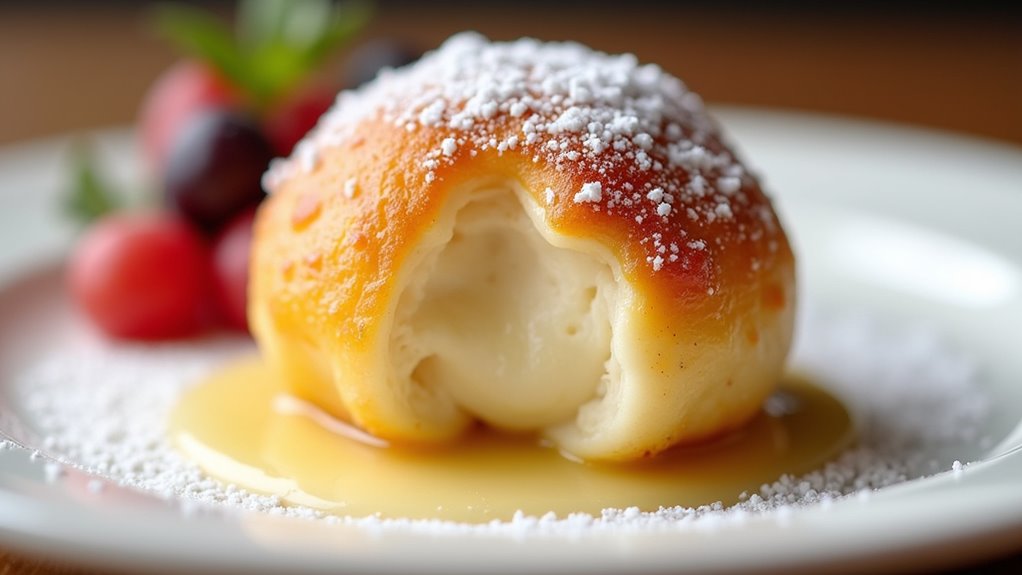
When I think of comfort food, German dumplings instantly come to mind. They’re soft and fluffy, like little bites of happiness. Each variety brings its own twist, whether it’s the rich, earthy flavor of Kartoffelknödel or the sweet surprise of Apfelknödel. I’m excited to share these recipes with you, each one offering a unique experience. Trust me, you won’t want to miss the delightful details that follow.
Classic Kartoffelknödel (Potato Dumplings)
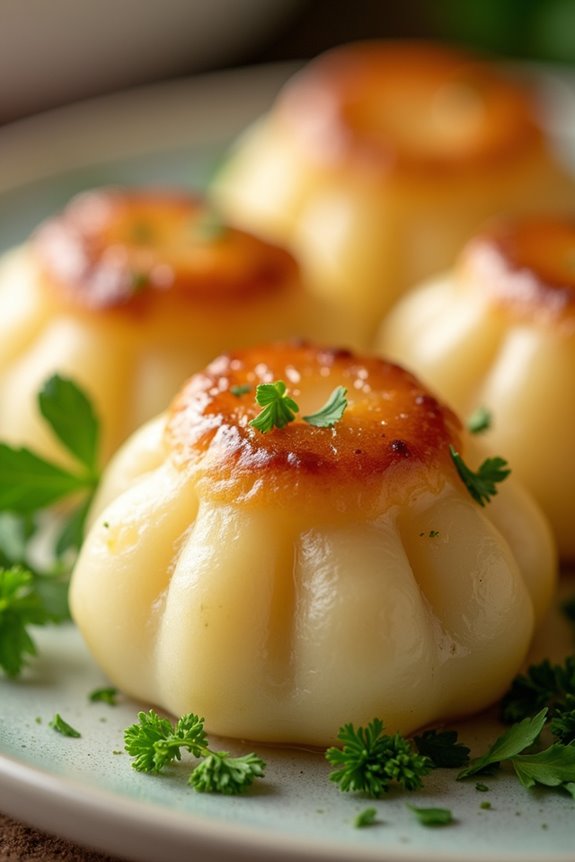
Kartoffelknödel, or potato dumplings, are a beloved staple in German cuisine, known for their soft and pillowy texture. Made primarily from potatoes, these dumplings are often served alongside hearty dishes such as roast meats and gravies. The beauty of Kartoffelknödel lies in their versatility, as they can be flavored with various ingredients, including herbs and spices, to suit any meal.
While the recipe may seem simple, the technique is key to achieving the perfect consistency and flavor. The process of making Kartoffelknödel involves boiling potatoes, mashing them, and then combining them with flour and eggs to create a dough. The dumplings are typically shaped into balls and then boiled until they float to the surface, signifying they’re cooked through.
Whether you’re serving them with a rich sauce or simply buttered with herbs, these dumplings are sure to be a hit at your dinner table.
Ingredients (Serves 4-6)
- 1.5 kg (3.3 lbs) starchy potatoes
- 200 g (1.5 cups) all-purpose flour
- 2 large eggs
- 1 teaspoon salt
- 1/4 teaspoon nutmeg (optional)
- 50 g (1/4 cup) butter, melted (for serving)
- Fresh parsley, chopped (for garnish)
Cooking Instructions
- Prepare the Potatoes: Start by peeling the potatoes and cutting them into quarters. Place them in a large pot filled with salted water and bring to a boil. Cook the potatoes until they’re fork-tender, which usually takes about 20-30 minutes. Once cooked, drain and let them cool slightly.
- Mash the Potatoes: After the potatoes have cooled enough to handle, mash them using a potato masher or a ricer until smooth. Avoid over-mashing, as this can make the dumplings gummy. Spread the mashed potatoes onto a clean surface and let them cool completely.
- Make the Dough: Once the mashed potatoes are cool, sprinkle the flour, salt, and nutmeg (if using) over the potatoes. Add the eggs and gently mix everything together until just combined. Be careful not to overwork the dough, as this can lead to tough dumplings.
- Shape the Dumplings: Divide the dough into equal portions and roll each portion into a ball, about the size of a golf ball. Confirm that the dumplings are smooth and free of cracks to prevent them from breaking apart during cooking.
- Boil the Dumplings: Bring a large pot of salted water to a gentle simmer. Carefully drop the dumplings into the water, making sure not to overcrowd the pot. Cook the dumplings for about 10-15 minutes or until they rise to the surface. Once they float, let them cook for an additional 2-3 minutes.
- Serve the Dumplings: Use a slotted spoon to remove the dumplings from the water and allow them to drain. Place them on a serving platter and drizzle with melted butter. Garnish with chopped parsley before serving.
Extra Tips
For best results, use starchy potatoes such as Russets or Yukon Golds, as they yield a lighter dumpling. If you want to add a twist, consider incorporating cooked bread crumbs or small pieces of sautéed bacon into the dough for added flavor.
Finally, verify that the water is at a gentle simmer when cooking the dumplings to prevent them from breaking apart. Enjoy your Kartoffelknödel with your favorite sauces or gravies!
Fluffy Semmelknödel (Bread Dumplings)
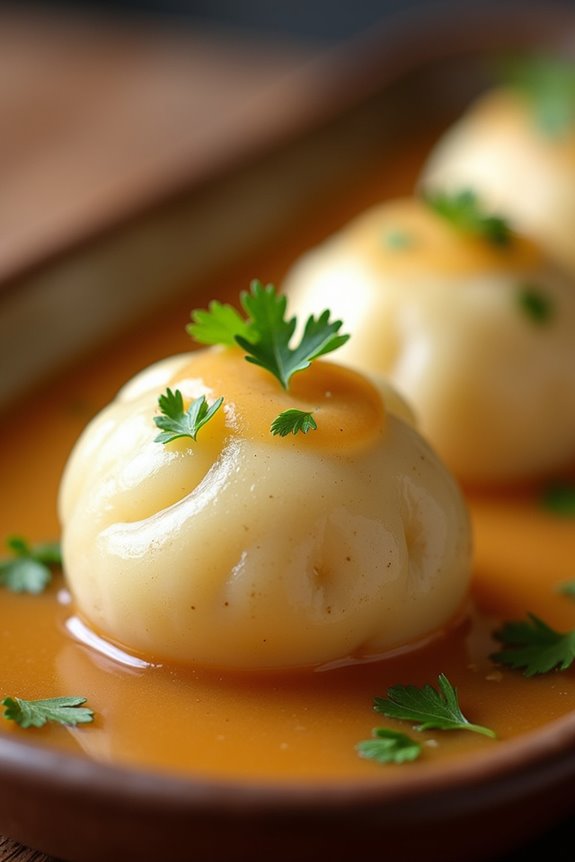
Semmelknödel, a traditional German dish, are soft and fluffy bread dumplings that serve as a perfect accompaniment to rich gravies and sauces. Made primarily from stale bread rolls, these dumplings aren’t only a great way to use up leftover bread but also add a comforting touch to a variety of meals. The key to achieving that light and airy texture lies in the right balance of moisture and careful handling of the dough.
The process of making Semmelknödel is simple yet rewarding. With just a few ingredients, you can create a dish that pays homage to German culinary traditions. Whether served alongside a hearty beef stew, a flavorful mushroom sauce, or enjoyed with a side of sauerkraut, these dumplings are versatile and beloved in many households across Germany.
Ingredients (serving size: 4-6 people):
- 6 stale bread rolls (approximately 400g)
- 1 cup milk
- 2 large eggs
- 1 medium onion, finely chopped
- 2 tablespoons butter
- 1/4 cup fresh parsley, chopped
- Salt and pepper to taste
- 1/2 teaspoon nutmeg (optional)
- 1 cup all-purpose flour (if needed for binding)
Cooking Instructions:
- Prepare the Bread Rolls: Cut the stale bread rolls into small cubes and place them in a large mixing bowl. If the bread is particularly hard, you can lightly toast them in a pan for a few minutes to soften them.
- Warm the Milk: In a small saucepan, gently heat the milk until it’s warm but not boiling. Pour the warm milk over the bread cubes and let it sit for about 10 minutes. This will allow the bread to absorb the milk and soften.
- Sauté the Onions: In a skillet, melt the butter over medium heat. Add the finely chopped onion and sauté until it becomes translucent and fragrant, about 5 minutes. Remove from heat and let it cool slightly.
- Combine Ingredients: Add the sautéed onions, eggs, chopped parsley, salt, pepper, and nutmeg to the soaked bread mixture. Mix everything together until well combined. If the mixture feels too wet, gradually add flour until it holds together without being sticky.
- Shape the Dumplings: With wet hands, take portions of the mixture and shape them into round dumplings, about the size of a golf ball. Make sure there are no cracks to avoid them falling apart during cooking.
- Cook the Dumplings: Bring a large pot of salted water to a gentle simmer (not boiling). Carefully drop the dumplings into the water, ensuring they’ve enough space to float. Cook for about 15-20 minutes, or until they rise to the surface and are cooked through.
- Serve: Use a slotted spoon to remove the dumplings from the pot. Allow them to drain briefly before serving. Enjoy them warm, with your favorite sauce or gravy.
Extra Tips: To guarantee your Semmelknödel turn out perfectly fluffy, avoid overmixing the dough; this can lead to denser dumplings. Additionally, if you prefer a hint of flavor, consider adding spices like garlic powder or onion powder to the mix.
Finally, for a more decadent version, you can incorporate some crispy bacon pieces or sautéed mushrooms into the dough for added richness.
Sweet Apfelknödel (Apple Dumplings)

Sweet Apfelknödel, or apple dumplings, are a delightful German dessert that combines the sweetness of apples with a soft, pillowy dough. These dumplings are often filled with spiced apples and can be served with a dusting of powdered sugar, a drizzle of caramel sauce, or a scoop of vanilla ice cream. The balance of flavors and textures makes them a beloved treat, perfect for family gatherings or cozy evenings at home.
Making Apfelknödel from scratch may seem intimidating, but with a little patience and attention to detail, you can create a dish that will impress your friends and family. The key to perfecting these dumplings lies in the dough, which should be soft but not too sticky, and the filling, which should be flavorful and aromatic. Once you master the technique, you’ll be able to whip up these delicious dumplings any time you crave something sweet.
Ingredients (Serves 4-6)
- 2 large apples (such as Granny Smith or Honeycrisp)
- 2 cups all-purpose flour
- 1/2 cup unsalted butter (softened)
- 1/2 cup sugar
- 1/2 cup milk
- 1 large egg
- 1 teaspoon vanilla extract
- 1 teaspoon baking powder
- 1/2 teaspoon salt
- 1 teaspoon ground cinnamon
- 1/4 cup breadcrumbs
- Powdered sugar (for dusting)
- Caramel sauce or ice cream (optional, for serving)
Cooking Instructions
- Prepare the Apples: Peel, core, and slice the apples into small pieces. In a medium bowl, toss the apple pieces with 1/4 cup of sugar and 1 teaspoon of cinnamon. Set aside to allow the flavors to meld.
- Make the Dough: In a large mixing bowl, combine the flour, baking powder, and salt. In a separate bowl, cream together the softened butter and remaining sugar until light and fluffy. Add the egg and vanilla extract, mixing well. Gradually add the dry ingredients to the wet mixture, alternating with the milk, until a soft dough forms.
- Shape the Dumplings: Dust a clean surface with flour and turn the dough out onto it. Knead the dough gently until it’s smooth. Divide the dough into 8 equal pieces. Flatten each piece into a circle about 1/4 inch thick. Place a spoonful of the apple mixture in the center of each circle.
- Seal the Dumplings: Carefully fold the edges of the dough over the apple filling, pinching them together to seal tightly. Make sure there are no gaps, as this will guarantee the filling stays inside while cooking.
- Cook the Dumplings: Bring a large pot of salted water to a boil. Carefully drop the dumplings into the boiling water, making sure not to overcrowd the pot. Reduce the heat to a gentle simmer and cook for about 15-20 minutes, or until the dumplings float to the surface and are cooked through.
- Prepare for Serving: Using a slotted spoon, remove the dumplings from the water and let them drain. Roll each dumpling in breadcrumbs for added texture, if desired. Serve warm, dusted with powdered sugar, and drizzled with caramel sauce or accompanied by a scoop of vanilla ice cream.
Extra Tips
For the best results, choose firm apples that hold their shape during cooking. You can also experiment with different spices in the apple filling, such as nutmeg or cloves, to customize the flavor to your liking.
If you want to save time, prepare the dumplings in advance and freeze them before boiling. Simply add a few extra minutes to the cooking time when you’re ready to enjoy them.
These sweet Apfelknödel are sure to be a hit at any gathering!
Spinach and Ricotta Maultaschen
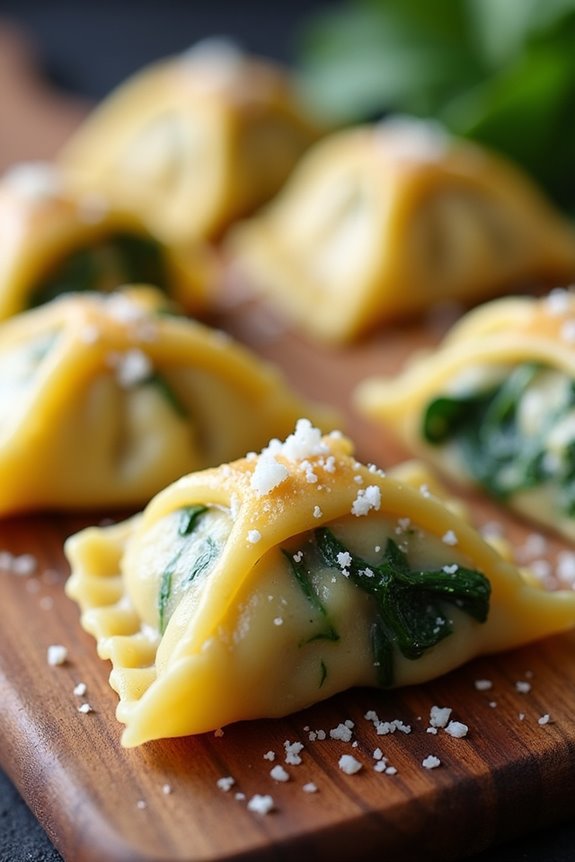
Spinach and Ricotta Maultaschen are a delightful twist on the traditional German dumpling, known for their rich flavors and comforting texture. Originating from the Swabian region of Germany, Maultaschen are often referred to as “German ravioli” due to their similar shape and filling. The combination of fresh spinach and creamy ricotta creates a satisfying filling that’s both nutritious and delicious.
These dumplings are perfect for a hearty meal and can be served in broth, sautéed with butter, or topped with a savory sauce. Making Spinach and Ricotta Maultaschen is a rewarding experience that brings together the freshness of greens and the creaminess of cheese in a delicate pasta dough.
While the process requires some time and effort, the result is a dish that will impress family and friends. Whether you’re serving them as a main course or as part of a festive gathering, these dumplings are sure to be a hit at your table.
Ingredients (Serves 4-6):
- 2 cups all-purpose flour, plus extra for dusting
- 2 large eggs
- 1 teaspoon salt
- 1 tablespoon olive oil
- 1 cup ricotta cheese
- 2 cups fresh spinach, chopped
- 1 small onion, finely chopped
- 2 cloves garlic, minced
- 1/4 cup grated Parmesan cheese
- Salt and pepper to taste
- 1/4 teaspoon nutmeg (optional)
- Broth or sauce for serving (optional)
Cooking Instructions:
- Make the Dough: In a large bowl, combine the flour and salt. Create a well in the center and crack in the eggs and add the olive oil. Gradually mix the flour into the eggs using a fork until a dough begins to form. Knead the dough on a lightly floured surface for about 5-7 minutes until it’s smooth and elastic. Wrap it in plastic wrap and let it rest for at least 30 minutes.
- Prepare the Filling: In a skillet over medium heat, add a drizzle of olive oil and sauté the chopped onion until translucent, about 3-4 minutes. Add the minced garlic and sauté for an additional minute. Stir in the chopped spinach and cook until wilted. Remove from heat, let it cool slightly, then mix in the ricotta, Parmesan cheese, and season with salt, pepper, and nutmeg if using.
- Roll out the Dough: Once the dough has rested, divide it into two equal parts. Roll out one piece on a floured surface to a thin sheet (about 1/8 inch thick). Keep the other piece covered to prevent it from drying out.
- Fill and Shape the Dumplings: Place small mounds (about 1 tablespoon) of the filling spaced evenly on one half of the rolled-out dough. Fold the other half of the dough over the filling to create a pocket. Press down around each mound to seal, ensuring there are no air pockets. Use a knife or a pastry cutter to cut out individual dumplings.
- Cook the Maultaschen: Bring a large pot of salted water to a gentle boil. Carefully add the dumplings in batches (do not overcrowd the pot). Cook for about 5-7 minutes, or until they float to the surface and are tender. Remove with a slotted spoon and drain.
- Serve: Serve the Maultaschen warm, either in broth, sautéed in butter, or drizzled with your choice of sauce.
Extra Tips:
When making Spinach and Ricotta Maultaschen, feel free to experiment with different herbs and spices in the filling to tailor the flavor to your liking. Fresh herbs such as basil or parsley can add an aromatic touch.
Additionally, if you have leftover filling, you can use it to make savory pastries or as a stuffing for other dishes. Finally, don’t hesitate to make a larger batch and freeze the uncooked dumplings for a quick meal option on busy days!
Hearty Fleischknödel (Meat Dumplings)
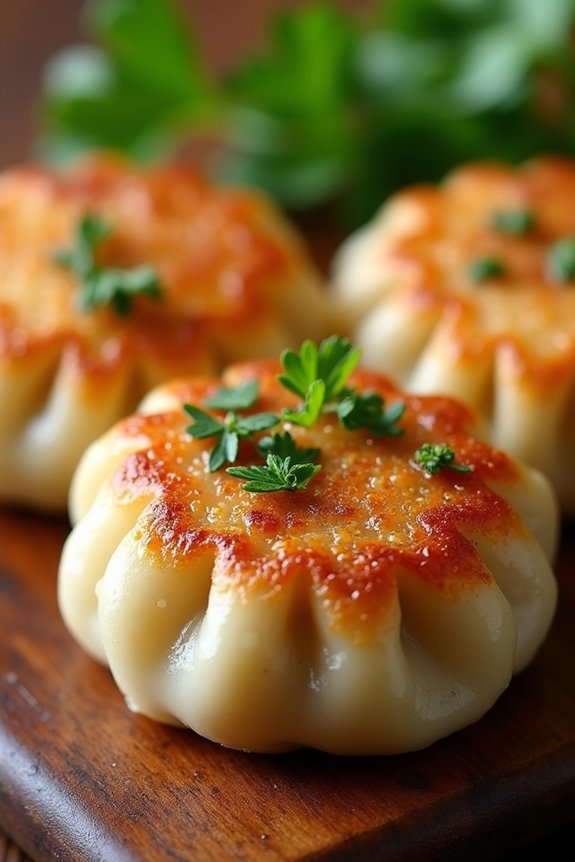
Fleischknödel, or meat dumplings, are a traditional German dish that’s both hearty and comforting. These dumplings are typically made from a mixture of minced meat, bread, and spices, making them a perfect addition to a variety of meals. They can be served with a rich gravy, sautéed onions, or as an accompaniment to sauerkraut or a delicious broth.
Fleischknödel aren’t just a filling meal; they’re also a celebration of German culinary traditions that can be enjoyed by the whole family. The beauty of Fleischknödel lies in their versatility. While the traditional recipe uses a combination of pork and beef, you can easily customize the meat to suit your taste preferences.
Whether you decide to make them slightly spicy or keep them mild, these dumplings are sure to impress. Perfect for a cozy dinner or a festive gathering, these hearty dumplings will warm your heart and satisfy your appetite.
Ingredients (Serves 4-6)
- 500g minced beef
- 250g minced pork
- 200g stale bread (cut into small cubes)
- 1 onion (finely chopped)
- 2 cloves garlic (minced)
- 2 large eggs
- 1 teaspoon salt
- 1 teaspoon ground pepper
- 1 teaspoon paprika (optional)
- 1 tablespoon fresh parsley (chopped)
- 500ml beef or vegetable broth
- Butter or oil (for frying)
Cooking Instructions
- Prepare the Bread Mixture: In a large mixing bowl, combine the stale bread cubes with the minced meat, chopped onion, minced garlic, eggs, salt, pepper, paprika, and parsley. Use your hands to mix everything together thoroughly until you have a well-combined mixture. The stale bread will absorb moisture and help bind the dumplings.
- Shape the Dumplings: Once the mixture is well combined, dampen your hands with water to prevent sticking. Take a portion of the meat mixture and shape it into a round dumpling, about the size of a golf ball. Repeat this process until all the mixture is shaped into dumplings.
- Cook the Dumplings: In a large pot, bring the beef or vegetable broth to a gentle simmer. Carefully drop the dumplings into the simmering broth, making sure they aren’t overcrowded. Allow them to cook for about 20-25 minutes, or until they float to the surface and are firm to the touch.
- Sauté the Dumplings (Optional): For added flavor and texture, heat some butter or oil in a skillet over medium heat. Once the dumplings are cooked, carefully remove them from the broth and transfer them to the skillet. Sauté the dumplings for a few minutes until they’re golden brown on all sides.
- Serve: Serve the hearty Fleischknödel warm with a drizzle of gravy, sautéed onions, or alongside your favorite side dishes such as sauerkraut or steamed vegetables.
Extra Tips
When making Fleischknödel, it’s crucial to guarantee that the mixture is well-seasoned, as this will greatly enhance the flavor of the dumplings. Additionally, if you have any leftover dumplings, they can be refrigerated and reheated the next day; they also freeze well, allowing you to enjoy this delicious dish at a later date.
Don’t hesitate to experiment with different meats or spices to create a version that suits your palate!
Flavorful Krautknödel (Sauerkraut Dumplings)
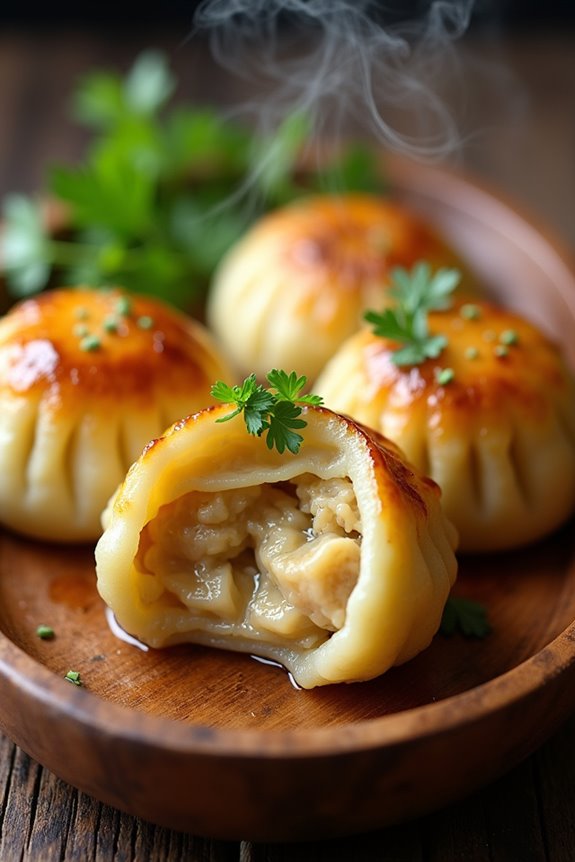
Krautknödel, or sauerkraut dumplings, are a beloved dish in German cuisine that beautifully combines the tangy flavor of sauerkraut with the comforting texture of potato dumplings. This dish isn’t only satisfying but also showcases the versatility of potatoes and the unique taste of fermented cabbage.
Traditionally served as a side dish or main course, Krautknödel can be enjoyed with a drizzle of melted butter or a hearty gravy, making it a perfect addition to any meal.
Making Krautknödel requires a bit of preparation, but the result is a delightful culinary experience that will transport you straight to the heart of Germany. The dumplings are filled with a savory mixture of sauerkraut and spices, enveloped in a soft potato dough that’s both filling and flavorful.
Whether you’re hosting a family dinner or looking to impress friends with your cooking skills, these dumplings are sure to be a hit.
Ingredients (Serves 4-6):
- 1 kg (2.2 lbs) potatoes (starchy variety)
- 200 g (7 oz) all-purpose flour
- 1 large egg
- 1 teaspoon salt
- 1 teaspoon pepper
- 300 g (10.5 oz) sauerkraut (drained and chopped)
- 1 small onion (finely chopped)
- 2 tablespoons butter (for sautéing)
- 1 tablespoon fresh parsley (chopped, for garnish)
- Optional: grated cheese (for stuffing, if desired)
Cooking Instructions:
1. Prepare the Potatoes: Start by peeling the potatoes and cutting them into chunks. Place them in a large pot and cover with water. Add a pinch of salt and bring to a boil. Cook the potatoes until they’re soft and easily pierced with a fork, usually about 15-20 minutes.
Once cooked, drain the potatoes and let them cool slightly.
2. Make the Potato Dough: Once the potatoes are cool enough to handle, mash them until smooth, making certain there are no lumps. In a large mixing bowl, combine the mashed potatoes, flour, egg, salt, and pepper. Mix until a soft dough forms.
If the dough is too sticky, add a bit more flour, but be careful not to overwork it, as this can make the dumplings tough.
3. Prepare the Filling: In a skillet, melt the butter over medium heat. Add the finely chopped onion and sauté until translucent and fragrant, about 5 minutes. Stir in the drained and chopped sauerkraut, and cook for an additional 5 minutes to allow the flavors to meld.
Remove from heat and let the mixture cool slightly.
4. Form the Dumplings: Take a small portion of the potato dough (about the size of a golf ball) and flatten it in your palm. Place a spoonful of the sauerkraut filling in the center. If using, add a small amount of grated cheese for extra flavor.
Carefully fold the dough over the filling and pinch the edges to seal it completely, making certain there are no gaps. Repeat this process until all the dough and filling are used.
5. Cook the Dumplings: In a large pot, bring salted water to a gentle boil. Carefully drop the dumplings into the boiling water, making sure they don’t overcrowd the pot. Cook the Dumplings for about 15 minutes, or until they float to the surface.
Once they’re floating, continue cooking for an additional 5 minutes. Use a slotted spoon to remove the dumplings and place them on a plate.
6. Serve: Drizzle the dumplings with melted butter and sprinkle with fresh parsley for garnish. Serve warm, and enjoy your delicious Krautknödel!
Extra Tips:
For an authentic experience, you can also experiment with adding different herbs and spices to the sauerkraut filling, such as caraway seeds or thyme, which complement the flavors beautifully.
If you’re feeling adventurous, try adding bits of smoked bacon or ham to the filling for a richer taste. Additionally, verify that your dumplings are sealed tightly to prevent them from breaking apart during cooking.
Enjoy the process, and don’t hesitate to customize the dish to suit your taste preferences!
Decadent Schmalzkuchen (Fried Sweet Dumplings)
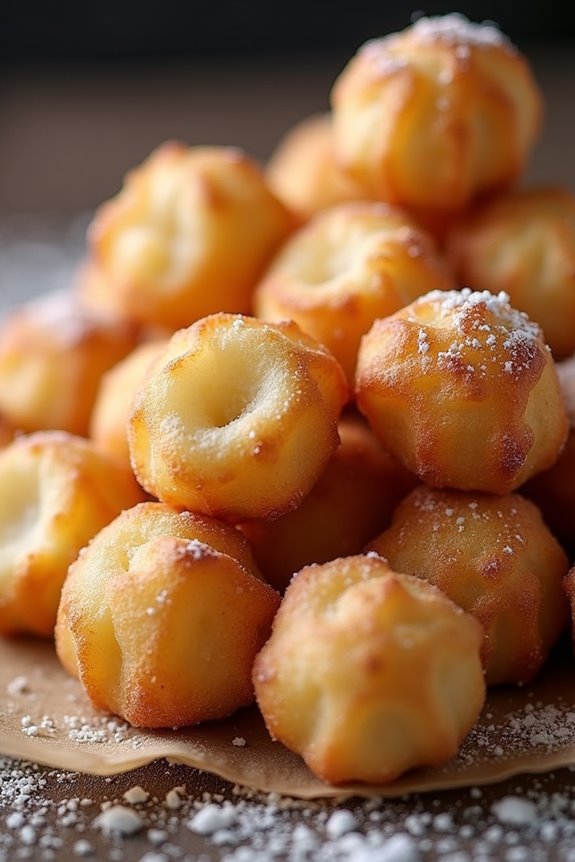
Schmalzkuchen, also known as German fried sweet dumplings, is a delightful treat often enjoyed at fairs, festivals, or simply during family gatherings. These small, fluffy dumplings are deep-fried until golden brown and then dusted with powdered sugar, making them the perfect indulgence for anyone with a sweet tooth.
Their soft texture and mildly sweet flavor set them apart from other fried desserts, and they’re bound to become a favorite in your household.
The batter for Schmalzkuchen is quite simple but yields wonderfully delicious results. With just a few basic ingredients, you can create these irresistible dumplings that are perfect for sharing. Whether served warm with a sprinkle of sugar or alongside your favorite dipping sauces, these decadent treats are destined to impress friends and family alike.
Ingredients (Serves 4-6)
- 4 cups all-purpose flour
- 2 teaspoons baking powder
- 1/4 teaspoon salt
- 2 tablespoons granulated sugar
- 2 large eggs
- 1 cup milk
- 1 teaspoon vanilla extract
- 1/4 cup unsalted butter, melted
- Oil for frying (such as vegetable or canola)
- Powdered sugar for dusting
Cooking Instructions
- Prepare the Dry Ingredients: In a large mixing bowl, whisk together the flour, baking powder, salt, and granulated sugar until well combined. This step guarantees that the leavening agent is evenly distributed throughout the flour, which is vital for achieving fluffy dumplings.
- Mix Wet Ingredients: In a separate bowl, beat the eggs and then add the milk, vanilla extract, and melted butter. Whisk until the mixture is smooth and well-combined. This step adds moisture and flavor to the batter.
- Combine Wet and Dry Mixtures: Slowly pour the wet ingredients into the dry mixture while gently stirring with a spatula or wooden spoon. Mix until just combined; be careful not to overmix, as this can lead to dense dumplings.
- Heat the Oil: In a deep frying pan or pot, pour enough oil to reach about 2 inches deep. Heat the oil over medium-high heat until it reaches approximately 350°F (175°C). Use a kitchen thermometer for accuracy, as the right temperature is important for achieving crispy dumplings.
- Fry the Dumplings: Using a tablespoon or small cookie scoop, carefully drop dollops of batter into the hot oil, being careful not to overcrowd the pan. Fry the dumplings for about 2-3 minutes on each side or until they’re golden brown. Turn them occasionally to guarantee even cooking.
- Drain and Dust: Once golden brown, use a slotted spoon to remove the dumplings from the oil and place them on a plate lined with paper towels to drain excess oil. While they’re still warm, generously dust them with powdered sugar.
- Serve: Enjoy the Schmalzkuchen warm as they are, or serve with dipping sauces like chocolate or fruit sauce for an extra touch of decadence.
Extra Tips
When making Schmalzkuchen, it’s important to maintain the right oil temperature; if the oil is too hot, the dumplings will burn on the outside while remaining raw inside. Conversely, if the oil isn’t hot enough, the dumplings will absorb too much oil and become greasy.
To keep them warm while frying the rest of the batch, you can place the cooked dumplings in a warm oven set to low heat. Additionally, feel free to experiment with flavors by adding spices like cinnamon or nutmeg to the batter for a unique twist.
Savory Bärlauchknödel (Wild Garlic Dumplings)
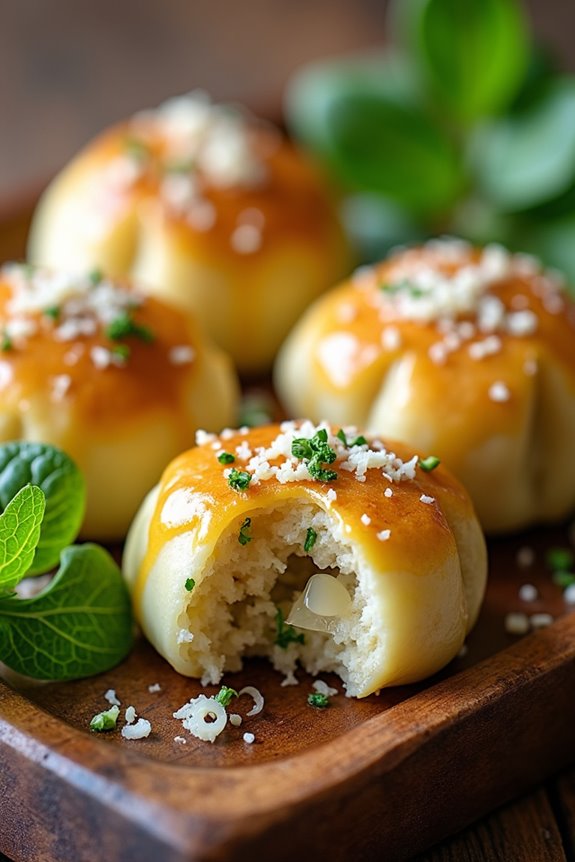
Savory Bärlauchknödel, or wild garlic dumplings, are a delightful and aromatic dish that celebrates the fresh flavors of spring. Bärlauch, also known as wild garlic, is a wild plant that grows in damp woodlands and has a distinct garlic flavor, making it a popular ingredient in many German recipes. These dumplings aren’t only packed with flavor but also offer a wonderful texture, making them a perfect accompaniment to various meat dishes or a stand-alone vegetarian delight.
Making Bärlauchknödel is a rewarding experience that allows you to embrace the natural ingredients and flavors of the season. The dumplings are usually made with a base of bread, flour, and eggs, combined with the fresh wild garlic. The result is a fluffy and savory dumpling that can be boiled, sautéed, or even baked, depending on your preference. Serve them with a rich gravy, a fresh salad, or simply a drizzle of melted butter to enhance their delightful taste.
Ingredients (Serves 4-6):
- 500g stale bread (preferably white or rye bread)
- 250ml milk
- 2 large eggs
- 150g fresh Bärlauch (wild garlic), chopped
- 1 medium onion, finely chopped
- 50g butter
- 200g all-purpose flour
- Salt and pepper to taste
- A pinch of nutmeg
- Optional: grated Parmesan cheese for extra flavor
Cooking Instructions:
- Prepare the Bread: Start by cutting the stale bread into small cubes and placing them in a large mixing bowl. This will serve as the base for your dumplings. If your bread is too hard, you can toast the cubes lightly in a pan to soften them up.
- Soak the Bread: Heat the milk in a saucepan until it’s warm, but not boiling. Pour the warm milk over the bread cubes and let them soak for about 10-15 minutes. This will help the bread absorb the milk and soften, creating a moist mixture for your dumplings.
- Cook the Onion: In a small skillet, melt the butter over medium heat. Add the finely chopped onion and sauté until they’re translucent and slightly golden. This step adds a wonderful flavor to the dumplings.
- Combine Ingredients: After the bread has soaked, add the sautéed onions, chopped Bärlauch, eggs, flour, salt, pepper, and nutmeg to the bowl. Mix everything together until well combined. The mixture should be moist but hold together. If it’s too wet, add a little more flour.
- Shape the Dumplings: With your hands, take portions of the mixture and form them into small dumpling shapes, about the size of a golf ball. Make sure they’re compact so they hold together while cooking.
- Boil the Dumplings: Bring a large pot of salted water to a gentle boil. Carefully add the dumplings to the water, making sure not to overcrowd the pot. Cook them for about 15-20 minutes, or until they float to the surface, indicating they’re ready.
- Serve: Once cooked, remove the dumplings with a slotted spoon and let them drain for a moment. Serve hot, drizzled with melted butter or alongside your favorite sauce or gravy.
Extra Tips:
For the best flavor, verify you use fresh Bärlauch, as its taste can diminish quickly once harvested. If you can’t find wild garlic, you can substitute it with regular garlic or garlic chives, but keep in mind that the flavor will be different.
Additionally, if you want to add a unique twist to your dumplings, consider incorporating grated cheese into the mixture or serving them with a sprinkle of crispy fried onions on top. Enjoy the vibrant taste of this traditional dish!
Zesty Kürbisknödel (Pumpkin Dumplings)
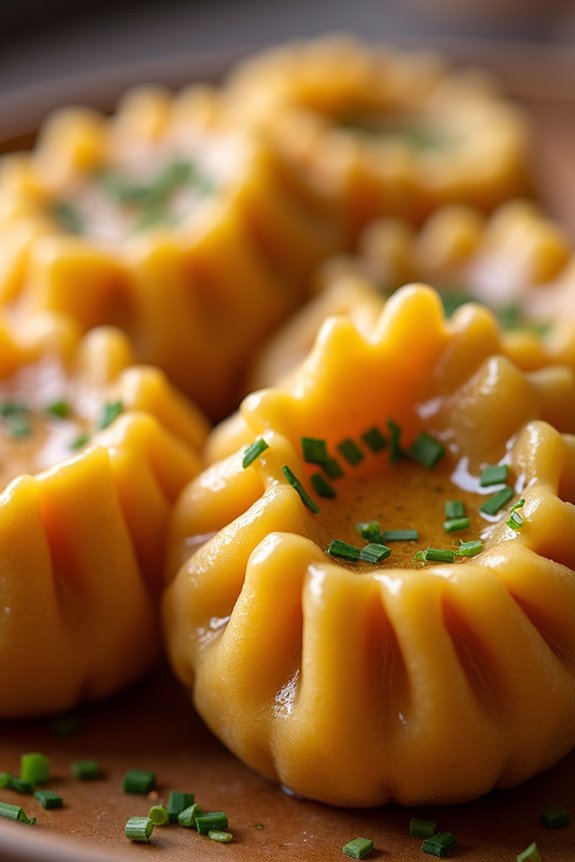
Kürbisknödel, or pumpkin dumplings, are a delightful twist on traditional German dumplings. These vibrant orange bites aren’t only visually appealing but also packed with flavor. Utilizing the natural sweetness of pumpkin, these dumplings can be served as a side dish or a main course, often accompanied by a savory sauce or sautéed onions.
They’re perfect for autumn gatherings or any meal where you want to impress your guests with a unique dish.
Making Kürbisknödel is a straightforward process that combines pumpkin puree with potato and flour to create a soft dough. The dumplings are then boiled until they float, ensuring they’re cooked perfectly. Served with a sprinkle of fresh herbs or a drizzle of brown butter, these dumplings are sure to become a beloved favorite in your kitchen.
Ingredients (Serves 4-6):
- 500g pumpkin puree (cooked and cooled)
- 300g potatoes (peeled and boiled)
- 150g all-purpose flour
- 1 egg
- 1 teaspoon salt
- 1 teaspoon nutmeg (freshly grated, if possible)
- ¼ teaspoon black pepper
- Optional: 50g breadcrumbs (for a crispy topping)
- Optional: Fresh herbs (like parsley or chives, for garnish)
- Optional: Brown butter (for drizzling)
Cooking Instructions:
1. Prepare the Pumpkin and Potatoes: Start by cooking your pumpkin until it’s tender. You can roast or steam it. Once cooked, allow it to cool and then puree it until smooth.
Similarly, boil the potatoes until fork-tender, then peel and mash them. Combine the pumpkin puree and mashed potatoes in a large mixing bowl.
2. Make the Dough: Add the egg, salt, nutmeg, and black pepper to the pumpkin and potato mixture. Gradually incorporate the flour, starting with half and mixing well before adding more.
You want a soft dough that isn’t too sticky—add more flour if necessary, but be careful not to overwork the dough.
3. Shape the Dumplings: Once the dough is ready, sprinkle some flour on a clean surface. Take a portion of the dough and roll it into a ball, about the size of a golf ball.
Repeat this process until all the dough is shaped into dumplings. If you’re using breadcrumbs for a crispy topping, you can roll the dumplings in breadcrumbs at this stage.
4. Boil the Dumplings: Bring a large pot of salted water to a gentle boil. Carefully drop the dumplings into the boiling water, ensuring not to overcrowd the pot.
Cook them for about 10-15 minutes or until they float to the surface. Once they float, let them cook for an additional 2-3 minutes.
5. Serve: Using a slotted spoon, carefully remove the dumplings from the water and drain them. If desired, you can sauté them in a pan with brown butter for a few minutes for a crispy exterior.
Garnish with fresh herbs before serving.
Extra Tips:
When preparing Kürbisknödel, using the right type of pumpkin is essential for achieving the best flavor and texture. Hokkaido or sugar pumpkins work exceptionally well due to their sweetness and creamy consistency.
Additionally, make sure your potatoes are well-cooked to avoid a gummy texture in the dumplings. If you want to add a twist, consider incorporating spices like cinnamon or sage into the dough or serving the dumplings with a rich mushroom sauce for an earthy complement.
Enjoy your cooking adventure!
Irresistible Quarkknödel (Quark Dumplings)
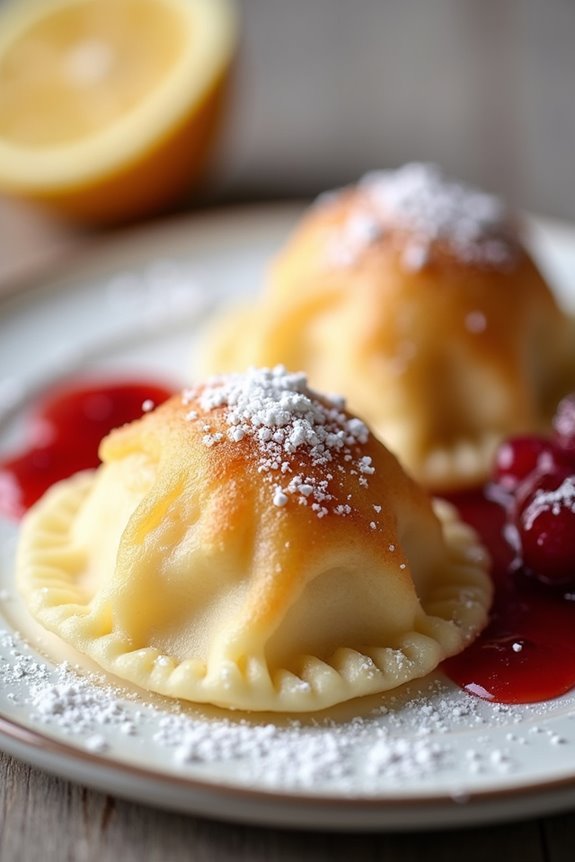
Quarkknödel, or Quark Dumplings, are a delightful German treat that can be enjoyed as a dessert or a main dish. These soft dumplings are made from quark, a fresh dairy product similar to cheese, which gives them a unique texture and flavor. They’re often served with a dusting of sugar, a drizzle of melted butter, or a fruit sauce, making them a versatile dish that can satisfy any palate.
The combination of quark with flour and eggs creates a light and fluffy dumpling that’s sure to impress both family and friends. Making Quarkknödel is a straightforward process, perfect for both novice cooks and seasoned chefs. With just a few simple ingredients, you can whip up these delightful dumplings in no time.
The key to achieving the perfect texture lies in the balance of ingredients and careful handling of the dough. Once you master this recipe, you’ll find yourself making these irresistible dumplings again and again, whether for a special occasion or just a cozy dinner at home.
Ingredients (Serves 4-6)
- 500g quark
- 200g all-purpose flour
- 2 large eggs
- 50g sugar
- 1 teaspoon vanilla extract
- 1 teaspoon baking powder
- A pinch of salt
- Butter (for frying)
- Powdered sugar (for serving)
- Fruit sauce or jam (optional, for serving)
Cooking Instructions
1. Prepare the Dough: In a large mixing bowl, combine the quark, flour, eggs, sugar, vanilla extract, baking powder, and salt. Mix the ingredients together until a soft dough forms. Be careful not to overmix; just combine until smooth.
2. Chill the Dough: Cover the bowl with plastic wrap and refrigerate the dough for about 30 minutes. Chilling the dough will help it firm up, making it easier to shape into dumplings.
3. Shape the Dumplings: Once the dough has chilled, dust your hands and a clean surface with flour. Take a portion of the dough and shape it into a ball roughly the size of a golf ball. Repeat this process until all the dough is shaped into dumplings.
4. Cook the Dumplings: Bring a large pot of salted water to a gentle boil. Carefully drop the dumplings into the boiling water. Allow them to cook for about 10-15 minutes, or until they float to the surface.
Once they’re floating, let them cook for an additional 2-3 minutes before removing them with a slotted spoon.
5. Fry the Dumplings (optional): For added flavor, heat a tablespoon of butter in a skillet over medium heat. Once melted, add the cooked dumplings and fry them until golden brown on all sides, turning gently to avoid breaking them.
6. Serve: Transfer the dumplings to a serving plate. Dust generously with powdered sugar and, if desired, drizzle with melted butter or serve with your favorite fruit sauce or jam.
Extra Tips
When making Quarkknödel, be sure to use good quality quark for the best flavor and texture. If you find the dough too sticky, add a little more flour, but be cautious not to add too much as it may make the dumplings dense.
Additionally, experimenting with different toppings, such as cinnamon sugar or fresh berries, can elevate your dish and provide a delightful twist to this classic German recipe. Enjoy your cooking adventure!
